Archive | Leadership RSS feed for this section

My Top 11 Healthcare Predictions For 2013

It’s always fun to predict what will happen in the next year. No one is ever right, but you can hope to be directionally correct. With that in mind, here’s a few of my thoughts for what will happen in 2013…

  1. Reform (PPACA aka ObamaCare) will happen. While the Republicans will fight it, with Obama’s re-election and the Supreme Court decision. Reform will continue to happen. The states will mess up the Exchanges which will create many issues, but private exchanges will come to the “rescue”.
  2. Big Data” will be a focus at every healthcare company. What data to store? How to mine the data? What data to integrate? How to bring in unstructured data such as physician’s notes? What to do with consumer reported and consumer tracked data from all the different devices?
  3. Physicians will emerge back in the power seat. With Accountable Care Organizations and Patient Centered Medical Homes, consumers are finally becoming more aware of all the shortcomings in our sick care system. They trust their physicians although somewhat blindly given ongoing challenges with evidence-based care and quality which are often the result of our Fee For Service system (too little time) combined with an abundance of new research happening concurrently.
  4. mHealth will be the buzz word and exciting space as entrepreneurs from outside healthcare and people with personal healthcare experiences will attempt to capitalize on the technology gap and chaos within the health system. This will create lots of innovation, but adoption will lag as consumers struggle with 15,000+ apps and the sickest patients (often older patients) are the slowest to adopt.
  5. Device proliferation will go hand in hand with mHealth and with the Quantified Self movement. This will create general health devices, fitness devices, diabetes solutions, hypertension solutions, and many other devices for wellness and home monitoring for elderly patients. Like mHealth, this will foster lots of innovation but be overwhelming for consumers and lead to opportunities for device agnostic solutions for capturing data and integrating that data for payors and providers to use.
  6. The focus on incentives will shift in two ways. Technology vendors will begin to look more and more at the gamification of healthcare and how to use gaming theory and technology to drive initial and sustained engagement. At the same time, the recent ruling will allow employers to shift from rewards to “penalties” in the form of premium differentials where patients who don’t do certain things such as take biometric screenings or engage with a case manager will pay more. In 2014 and 2015, this shift will be from penalties with activity to penalties tied to outcomes.
  7. Consumer based testing will drive greater regulation. With the focus on home based testing (e.g., HIV or High Cholesterol) and the increased interest in genetic testing especially when tied to a medication, the FDA and other government agencies will have to address this market with new regulations to close gaps such as life insurance companies being able to force disclosure of genetic testing in order to get coverage (even though the testing isn’t necessarily deterministic).
  8. Clinics will prepare for 2014. With the increase number of consumers being covered in 2014, there will be an access challenge for patients to see a provider. This will drive buildout and utilization of health clinics such as TakeCare or MinuteClinic. Clinics will have to look at how to adapt their workflow to create a patient relationship which will create potential integration points with TeleHealth and bring back up the issue of whether they should or could replace the traditional Primary Care Provider (PCP) relationship or not.
  9. Telemedicine will hit a tipping point and begin to Cross the Chasm. They now have better technology and adoption within major employers. This will start to create more and more business cases and social awareness of the solution. With utilization, we will see great adoption and the increasing use of smart phones for healthcare will drive telemedicine into an accelerated growth stage.
  10. Transparency solutions will continue to be a hot area with CastLight and Change Healthcare leading the way. Their independence and consumer engagement approaches based on critical moments (i.e., pointing out how to save money on Rxs just before a refill) and using multiple channels will show high ROI which will also increase broader healthcare awareness making them part of the population health solution.
  11. Generics will no longer be a talked about issue. With generic fill rates running so high across different groups and being front page news, PBMs, pharmacies, and pharma will truly begin to move forward to embrace the specialty market with a clear vengeance (at least in the US).

There are still a few longer term trends that I’m watching, but I don’t think that 2013 is the primary year for them.

  1. The evolving role of pharmacists within the Medical Home and with vaccines.
  2. A significant shift from mail order to 90-day at retail fulfilled by massive central fill facilities.
  3. Pharma co-opetition where they begin to collaborate at the disease state level realizing the a rising tide is good for all boats.
  4. Integration of data from all types of solutions and actions into workflow triggers that automatically create new events within the care management infrastructure using Service Oriented Architecture and Business Process Management.
Kroger Expansion – Digital, Physical, Strategic, and Specialty Pharma … Oh My!

Since one of my first jobs was at Kroger, I’ve always been intrigued to see what happens with them. (I can even still go back almost 30 years later and still have some of the General Managers at my old store come out and remember me.) So, I was initially intrigued a few weeks ago when the story came out in Drug Store News about their expansion plans.

“Over the course of a day-long investor conference Tuesday, Kroger outlined its future growth strategy. Across its physical store base, Kroger plans to enter one or two as-yet-to-be-named new markets along with boosting presence in existing markets. But Kroger also has significant designs on the multichannel consumer, and outlined for analysts the grocer’s plan to grow its marketshare across the digital landscape as well.”

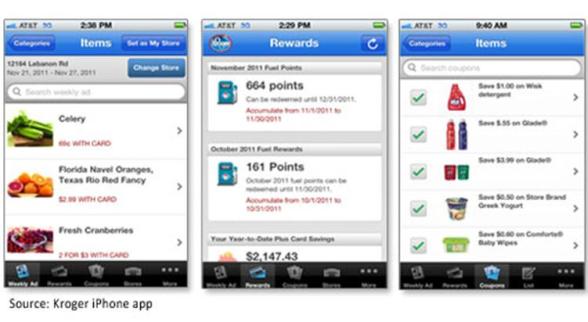
Kroger has several interesting assets to leverage:

Now, with today’s announcement, they’ve made a jump into the Specialty Pharmacy Space with their acquisition of Axium. It begs the question of what they want to be – a grocer with a pharmacy, a pharmacy with groceries, a health destination, or something new.

Looking at some JD Powers data from 2010, they are positioned in the middle of the pack from a pharmacy satisfaction perspective.

On the other hand, if I look at their positioning from Bruce Tempkin’s analysis, they score well.

I have to believe there’s some great opportunity here. I’m a big believer that the retail assets create large opportunities for them to play in the broader healthcare market.

  • They have broad hours (in some cases 24/7).
  • They are natural destinations for people.
  • They can host clinics.
  • They already have pharmacies.
  • They have food which is a critical part of addressing obesity and for certain conditions like hypertension and diabetes.
  • They have patient specific data around things like home monitoring tests, food products, OTCs, and other products.
  • They are generally located in easy access locations.
  • They have good brand equity.

For example, just look at this press release from Target from a few years ago. This is a broad vision (that I’ve never heard or seen in the market). On the flipside, we know that CVS, Walgreens, and WalMart are spending considerable efforts trying to really “own” this space with their teams. We also know that specialty pharmacy (and even pharma in general) is trying to see how it gets out of its box and become broader players in the health continuum looking beyond just drugs to actual outcomes. (This is why healthcare is so exciting right now!)

10 Healthcare Trends To Monitor in 2013

I came across the chart below and thought I would post it with my perspective on trends for next year.

  1. “Accountable Care” in the form of CMS ACOs or Patient Centered Medical Homes will continue to expand.  I predict some companies will begin to provide the infrastructure such that providers don’t have to come up with the $2-4M in capital needed.
  2. Integrated “Big Data” looking at pharmacy, medical, lab, AND patient reported data AND physician EMR data will be the rage to mine and use in predictive models. 
  3. Consumer engagement around health will continue to be a huge focus.
  4. Obesity will continue to be an issue that people struggle with and employers begin to focus more actively on managing.
  5. mHealth in the form of mobile apps, connected devices, telemedicine, and remote monitoring will begin to move from the innovators to be a more standard component of the solutions with ROIs being more standard.
  6. The core components of health reform will remain (regardless of who wins) and the shift of people from underinsured and uninsured into the insured pool will finally be the tipping point for provider access and push growth in the clinics and telemedicine (video and phone) world. 
  7. Transparency will become something that consultants begin to mandate and try to get into contracts around pricing, claims auditing, and other services across the entire healthcare spectrum.
  8. Hospitals will continue to buy physicians and look at how they can play a more dominant regional role especially outside of the urban areas. 
  9. Consolidation will continue across all areas – providers, payers, pharmacy, pharma, technology.
  10. Investment in healthcare will continue to outpace other industries. 

Digital Dimension Of Healthcare Paper – Global, mHealth, Halvorson

I was just skimming the Digital Dimension of Healthcare whitepaper which has as one of its authors – George Halvorson from Kaiser.  There’s not a lot of new information in here if you’re well read on the space, but I like their framing of a fourth space for health delivery along with their two dimension matrix of opportunities.

The other piece that I’ll pull out here is the Six Principles that they identify:

  1. Set the direction, and commit to it
  2. Balance patient confidentiality and information sharing
  3. Empower patients
  4. Adapt payment systems
  5. Reduce barriers to regulatory approval and licensing
  6. Accelerate the healthcare evidence base

Would You Pay $100 A Month For A Diabetes Application?

An article in MobiHealthNews caught my attention this morning when it talked about 2 payers agreeing to pay $100 a month for Welldoc’s diabetes application. This is fascinating to me since (a) I’m always interested in how people price and value services and (b) I’d love to bundle something like this into our diabetes offering. 

This of course begs the key question which is what is the value of the application.  We’re all familiar with the fact that diabetes drives significant costs within our healthcare system.  Here’s a quick summary from the ADA.

The national cost of diabetes in the U.S. in 2007 exceeds $174 billion. This estimate includes $116 billion in excess medical expenditures attributed to diabetes, as well as $58 billion in reduced national productivity. People with diagnosed diabetes, on average, have medical expenditures that are approximately 2.3 times higher than the expenditures would be in the absence of diabetes. Approximately $1 in $10 health care dollars is attributed to diabetes. Indirect costs include increased factors such as absenteeism, reduced productivity, and lost productive capacity due to early mortality.

Of course, diabetics also spend a lot of money on out-of-pocket costs themselves.  $6,000 from one study mentioned here.

But, I think the key question here is what assumptions make this a good investment.  Let’s me walk through my thought process.

  • At $100 per month, you pay $1,200 per year per member.
  • BUT, members won’t actively stay engaged with the application all year long so you have to assume some percentage of engaged members.  (A key question is whether you pay only for actively engaged members or all members enrolled in the program.)  And, how long does a patient have to use the application to achieve the results?
    • If 20% are engaged, the cost per engaged member would actually be $6,000 ($1,200 divided by 20%). 
    • If 60% are engaged, the cost per engaged member would be $2,000.
  • The next question is how you estimate the value of the application.  Based on their study, they saw a 1.9 point drop in A1c which is a good one-year drop and a good outcome metric to focus on (see article).  So the question becomes…what is the value of a 1.9 point drop in A1c?  This is a question I was looking for earlier.
    • This pharmacist based study talks about a 0.8% reduction in A1c leading to $1,200 in total savings.
    • This CVS study showed a $3,756 annual savings for an adherent diabetic versus non-adherent.  (But, adherence wasn’t shown in the Welldoc study.)
    • The President from Welldoc quotes a savings of $3,500-$4,000 per point drop in A1c, but I couldn’t find the study to support that.  (I e-mailed their PR people about this.)
    • And, a few weeks ago at a mHealth conference, I heard someone say the value was $7,000 per point reduction in A1c.

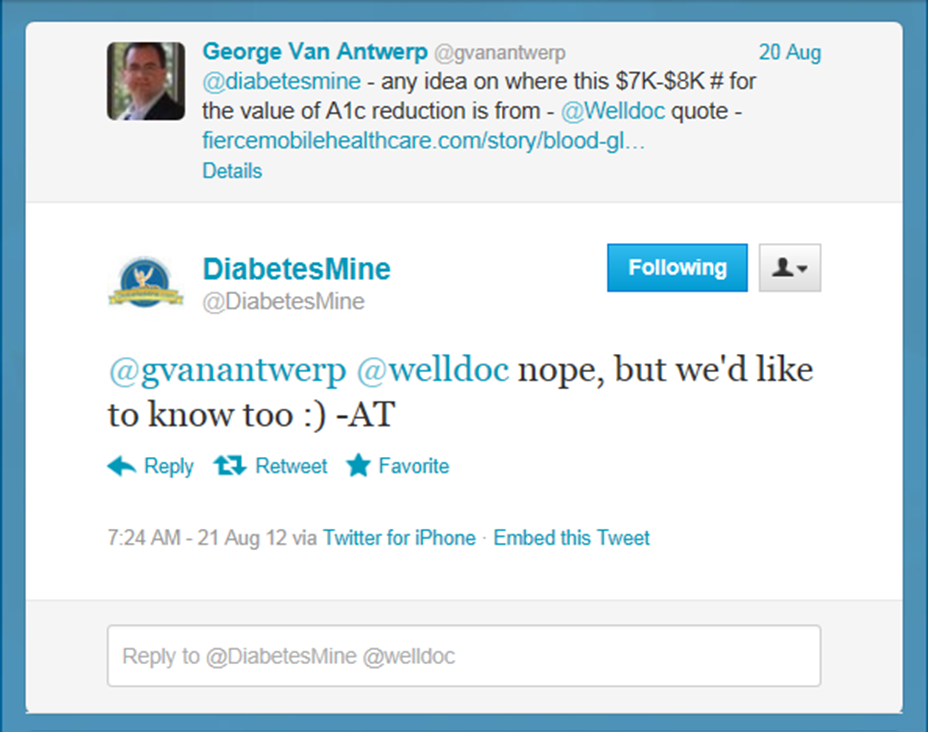
As you can see from this tweet, I was looking for this study yesterday and mentioned DiabetesMine to see if Amy might know, but she didn’t.


So, my conclusion is that this is worth it if:

  1. The value is closer to the $3,500 point.
  2. You pay based on actual engagement or utilization…or you only give it to people who actually use it versus the overall population. 
  3. The application improves adherence.

I hope to figure this out since this was the first FDA approved device and looks very promising.

McKinsey Quarterly On B2B Social Media

The recent McKinsey Quarterly had an article called Demystifying Social Media which I thought was a good read with a good framework to use (see below). 

In short, today’s chief executive can no longer treat social media as a side activity run solely by managers in marketing or public relations. It’s much more than simply another form of paid marketing, and it demands more too: a clear framework to help CEOs and other top executives evaluate investments in it, a plan for building support infrastructure, and performance-management systems to help leaders smartly scale their social presence. Companies that have these three elements in place can create critical new brand assets (such as content from customers or insights from their feedback), open up new channels for interactions (Twitter-based customer service, Facebook news feeds), and completely reposition a brand through the way its employees interact with customers or other parties.


Interview With Michael Graves On Healthcare Design

When I was in architecture school, Michael Graves was one of those architects that we studied.  Everyone wanted to be like him designing cool building like this one below.  Since then, he’s gone on to be even more famous both from an architecture perspective and a design perspective (even having his own Target line).

But, since he was left paralyzed from the chest down in 2003, he’s had an incredible focus on redesigning healthcare from the perspective of the patient.  [I would put him in a similar e-patient category as e-Patient Dave, but while Dave is focused on technology and data, Michael is focused on furniture and spatial experience.)

I was thrilled to get the chance to talk with him yesterday to see how this effort was taking off, and on a personal note, to see if this idea of architecture influencing outcomes would be generally accepted.  My general takeaway after talking with him was that he’s getting a very positive response as he talks to people about it, but you’re not seeing a sea-change in terms of clients focusing on this or his fellow architects embracing this.  But, as someone in healthcare, this isn’t surprising.  We know it takes physicians 17 years to adopt new standards…why should it take the administrators of those physicians any less.

At the same time, there is a huge focus on the patient experience and on outcomes these days.  Both of those can be improved through a focus on the physical experience.  I asked him whether he was seeing interest from both inpatient and outpatient facilities.  He indicated that the dialogue is all happening around hospitals which isn’t surprising given their investments in new facilities and the industry shift around ACOs and PCMHs.  But, any of us that have sat in a physician’s office looking at posters from the drug companies, outdated magazines, or just an overly sterile room, know that these things don’t relax you or make you comfortable.

Michael tells a story that I’d seen in other articles about how he first came to understand all the problems with the physical space in the hospital.  He wanted to shave one day and realized that he couldn’t see himself in the mirror and he couldn’t reach the water to turn it on.  It was all designed by someone that hadn’t put themselves in the patient’s shoes (or wheelchair) to understand their perspective on the space.

Since “evidence-based medicine” is all the buzz in the healthcare area, I asked him about the term “evidence-based design” which is used in several articles and on his website.  As he pointed out, it’s basically about just using common sense, but I do think there’s more there (to eventually sell this).  To me, this implies a level of rigor linking more practical furniture and spatial redesign to clinical outcomes and patient satisfaction.  These are the things that are going to motivate the CFO to open the purse strings to make a change.  Unfortunately in our healthcare system, there aren’t a lot of changes made just because the patient wants them or they make sense.  Otherwise, we’d have a healthcare system not a sick care system.

The final topic we discussed was moving beyond furniture to look at art and color and other things that could effect the patient’s experience.  He told me that he’s also a painter (which I didn’t know) and mentioned that one of his clients had bought some of his art and furniture for their facility.  He also reinforced a study that I’d seen before about not using abstract art but focusing more on natural scenes within the patient setting (also mentioned below).

Here’s a few articles from other interviews and a link to the work he’s doing with Stryker on medical equipment / furniture.  You can also see a press release on his upcoming presentation at the end of this post.

And, while Michael is focused on the furniture and spatial experience, there are others focused on the art, colors, and other aspects of the hospital experience.  I found this text from The Atlantic from a few years back that even talks about some of the studies that have been done.  [Maybe case managers should be asking for specific rooms in facilities!]

Such “evidence-based design,” which draws its principles from controlled studies, is the great hope of professionals who want to upgrade the look and feel of medical centers. Much of this research follows a seminal 1984 Science article by Roger S. Ulrich, now at the Center for Health Systems and Design at Texas A&M. He looked at patients recovering from gallbladder surgery in a hospital that had some rooms overlooking a grove of trees and identical rooms facing a brick wall. The patients were matched to control for characteristics, such as age or obesity, that might influence their recovery. The results were striking. Patients with a view of the trees had shorter hospital stays (7.96 days versus 8.70 days) and required significantly less high-powered, expensive pain medication.

Along similar lines, a 2005 study compared patients recovering from elective spinal surgery whose rooms were on the sunny side of a ward with those on the dimmer side. Those in the sunnier rooms rated their stress and pain lower and took 22 percent less pain medication each hour, incurring only 80 percent of the pain-medication costs of the patients in gloomier rooms. Other studies, with subjects ranging from the severely burned to cancer patients to those receiving painful bronchoscopies, have found that looking at nature images significantly reduces anxiety and increases pain tolerance. Not all distractions are good, however. Ulrich and others have found that inescapable TV broadcasts and “chaotic abstract art” can increase patients’ stress.

Press release about his upcoming presentation:

World-Renown Architect Becomes Healthcare Advocate After Rare Illness Leaves Him Paralyzed

Michael Graves to speak at medical conference about his passion for healthcare design


Michael Graves, the award-winning architect and product designer famous for his collection of home products sold at Target, will address the country’s top healthcare professionals during a special reception at the 2012 Health Forum and the American Hospital Association Leadership Summit next month.  He will give a personal account about how paralysis fueled his desire to improve healthcare design.

Graves, who was recently named the 2012 recipient of the Richard H. Driehaus Prize and applies his design philosophy to designing better hospitals and home care environments, will be the featured speaker immediately following the welcome reception of the 2012 AHA Summit, at the San Francisco Marriott Marquis, at 7 p.m., Thursday, July 19.

In his lecture, “People First: Redesigning the Hospital Room,” Graves will discuss his own experience with a sinus infection that left him paralyzed from the chest down and how undergoing hospitalization and rehabilitation in inadequately designed hospital rooms has inspired his healthcare designs.

Graves talk will focus on design solutions for Stryker Medical, including a collection of hospital patient room furniture that addresses common hospital problems such as infection control, patient falls and clinician back.

“We are thrilled to have such a highly-acclaimed and gifted architect speaking before the healthcare community about ways of improving the hospital setting,” said Harold Michels, senior vice president of the Copper Development Association (CDA), the organization hosting the dinner event with Graves.  “This is a can’t-miss event that will certainly have hospital CEO’s and healthcare advocates talking about way after it’s over.”

Graves has said that spending months in hospitals during his recovery in 2003 opened his eyes to poorly designed patient rooms, and made him realize the patient experience could be improved by design.  He immediately began to sketch ideas for improving hospital buildings, room and furniture.

The event is being presented by CDA’s Antimicrobial Copper team, which is working to advance the message that copper surfaces intrinsically kill disease-causing bacteria.  On display will be a variety of antimicrobial copper products, which can play a pivotal role in healthcare facilities by killing bacteria that cause hospital-acquired infections and by reducing costs.

Laboratory testing has demonstrated that antimicrobial copper surfaces kill more than 99.9% of the following HAI causing bacteria within 2 hours of exposure:  MRSA, VRE, Staphylococcus aureus, Enterobacter aerogenes, Pseudomonas aeruginosa, and E. coli O157:H7.

Graves is internationally recognized as a healthcare design advocate, and in 2010, the Center for Health Design named Michael Graves one of the Top 25 Most Influential People in Healthcare Design.  Graves regularly gives lectures to major healthcare advocacy groups, including AARP, the Healthcare Design Conference, Medicine X and TED MED.

About Michael Graves & Associates

Michael Graves & Associates has been in the forefront of architecture and design since AIA Gold Medalist Michael Graves founded his practice in 1964. Today, the practice comprises two firms run by eight principals. Michael Graves & Associates (MGA) provides planning, architecture and interior design services, and Michael Graves Design Group (MGDG) specializes in product design, graphics and branding. MGA has designed many master plans and the architecture and interiors of over 350 buildings worldwide, including hotels and resorts, restaurants, retail stores, civic and cultural projects, office buildings, healthcare, residences and a wide variety of academic facilities. MGDG has designed and brought to market over 2,000 products for clients such as JC Penney, Target, Alessi, Stryker and Disney. Graves and the firms have received over 200 awards for design excellence. With a unique, highly integrated multidisciplinary practice, the Michael Graves Companies offer strategic advantages to clients worldwide. For more information, visit www.michaelgraves.com.

About the Copper Development Association

The Copper Development Association Inc. is the market development, engineering and information services arm of the copper industry, chartered to enhance and expand markets for copper and its alloys in North America. Learn more on ourblog. Follow us on Twitter.

Different Types Of Leaders

As yesterday was Father’s Day, I was thinking about my father and the many things he taught me:

  • You can do anything.
  • Be humble and kind to those around you.
  • Family is important.
  • Have values and stick to them.
  • Enjoy life.

He didn’t push me to be a star athlete.  He didn’t push me to get a 4.0.  He did have high expectations of me, but he was more focused on building my moral code than anything else.  He wanted me to learn things like the games of Chess and Bridge.  He wanted me to meet lots of people.  He wanted me to do chores and contribute to the household.  He wanted me to have a job.  He’d take me to play golf or tennis or any other sport, but only for fun, not to try to build the next pro athlete. 

This made me think about other types of leaders that I’ve experienced in my life:

  1. Leader as mentor who takes you under their wings and tries to open your eyes to new possibilities
  2. Leader as teacher who is constantly trying to get you to try new things to become better
  3. Leader as friend who is trying to know you and hang out with you to build loyalty
  4. Leader as genius who is just amazingly smart and someone you want to try to be around
  5. Leader as innovator or entrepreneur who is pushing the envelope and trying to change the world and motivates through big ideas
  6. Leader as workaholic who simply motivates by working so hard that you try to keep up
  7. Leader as prison guard who motivates through punishment and yelling who motivates through fear of losing your job
  8. Leader as preacher who captivates you with stories and vision that motivates you in a cult like fashion

Is anyone perfect?  Probably not, but thinking about Father’s Day got me thinking about the leader as father model who blends some of all of these.  Friend, Preacher, Teacher, Punisher, Genius, Workaholic, etc.  They provide you a model to follow and have a vested interest in your success whether it’s working for them or working somewhere else.  They care about you being the best that you can.

Sports As Training For Real Life

A former sales executive once pointed out to me the fact that he liked to hire people that had competed at the highest level in sports.  I didn’t understand why, but his explanation made a lot of sense to me. 

  1. They learned how to set goals and train and prepare for those goals.
  2. They knew how to win.
  3. They knew how to lose, reflect on the loss, move on, and prepare to win again. 

I think number three is what gets lost in the “trophy generation” that we see out there today.  Kids that only know how to win and throw their rackets or get upset if they lose.  They don’t understand the value of competition, of being pushed, and of learning how to lose with grace.

NY Law On Soda Is Simply A Nudge To Be Healthy

I know we can all complain about the government telling us what to do, but at the end of the day, they’re not saying we can’t drink soda.  As far as I know, you can still have unlimited refills in NY.  They are simply reframing one aspect of drinking soda to try to nudge us into being healthier.  Ultimately, this should be a good thing for us for several reasons.

  1. We eat or drink whatever is put in front of us.  Just look at this research.
  2. Soda and other sugary drinks are generally not good for us.  Just look at the infographic below.
  3. We have an obesity problem in this country (in case you didn’t know it).
  4. Obesity drives diabetes, kidney problems, hypertension, and many other problems that are driving up our healthcare costs and turning us into the first generation to potentially live shorter lives than our parents.
  5. Nudging people into behavior change works.

Pediatric Cancer Article in EBN

“In the 1950s and 1960s, 4% of children survived with that diagnosis [leukemia].  In 2010, 80% to 85% of children in all risk categories survived and are cured.”  Dr. Beverly Bell, Medical Director of the oncology program at inVentiv Medical Management

This is a quote from the June 1, 2012 article titled Trial and Error in Employee Benefit News.  It’s an important fact as we watch cancer go from a terminal diagnosis and medical event to a chronic disease.  Working with the survivors is something that Dr. Bell and I have discussed several times.

Here are some other facts from the article:

  • 1/3 of childhood cancers are leukemias.
  • 10,400 kids under 15 in the US were diagnosed with leukemia in 2007.
  • About 1,545 of them will die fro the disease.
  • Approximately 75-80% of pediatric cancer patients are put on a clinical trial.

The article goes on to talk about several things to consider:

  • Plan language modifications.
  • Access to pediatric oncology nurses.
  • Access to a oncology network of centers of excellence.
  • General support for the entire family perhaps through an EAP program.
  • Hospice care.
  • Medical travel / tourism.

Creating a holistic strategy to address oncology is a big effort and one that is critical to helping these patients.

Discussing Oncology Prevention With Dr. Hawk From MD Anderson #WHCC12

Last week, I had a chance to sit down with Dr. Hawk right after his presentation at the World Health Care Congress (WHCC). Dr. Hawk is the Vice-President and Division Head for Cancer Prevention and Population Sciences at the University of Texas M. D. Anderson Cancer Center. He’s been there since late 2007 when he came from the National Cancer Institute.

My favorite point from talking to him was…

Cancer is a process not an event. Communication is critical.

In his presentation, he talked about several things:

So, after his formal presentation, we talked about several things.

  1. One of the big focus areas for MD Anderson is prevention. As we know from research, many cancers are preventable. And, the promise of personalize medicine and genetic testing is beginning to help us understand these cancers and their treatments even more.
    1. Primary – this would include lifestyle changes such as diet and smoking which help prevent the disease
    2. Secondary – this would include screening and detection to help slow the progression of the disease
    3. Tertiary – this would include the focus on the patient (not the tumor) for treatment and helping them with quality of life
  2. He talked about how cancer is really 200 different diseases to be understood and managed.
  3. He gave a great analogy about how CVD (cardio-vascular disease) evolved and talked about how all the individual risk factors became asymptomatic diseases which have led to all the “know your number” campaigns around lipids and blood pressure.
  4. We talked about cancer as a process which led us into the discussion about palliative care and shared decision making. He made another good analogy here about driving a car. We need to understand the value of wearing our seat belt and having insurance, but we have to make the final decision about whether to do that or not.
  5. We talked about personalized medicine including genomics and epigenetics. We talked about how this impacts dosing and understanding of the tumor. (Interesting in a conversation with another person in this field this week they were telling me about how tumors and viruses change over time and those implications on genetic test results.) We also talked about SNPs and the complications in getting validation in studies due to sample sizes. We wrapped up this topic with discussions on coordinated registries and work that companies like 23andMe are doing.
  6. Our final topic of discussion was around clinical practice algorithms and how evidence-based medicine (EBM) gets implemented. We talked about the use of guidelines and how those allow for monitoring the use of EBM standards. We also talked about the need for integrated EMRs that would allow for benchmarking and linking outcomes to use of guidelines.

This is a fascinating area. Cancer affects most of us either directly or through some family member or friend.

Interview With Laurel Pickering NEBGH At #WHCC12

Yesterday, I sat down with Laurel Pickering, MPH who is the President and CEO of the Northeast Business Group on Health.  This was a great follow-up to the session she moderated with PEBTF and CalPERs and allowed me to validate my list of focus areas for employers(Note: I did not use a tape recorder and have translated our dialogue into the discussion below so while it is based on my discussions with Laurel these should not be considered specific quotes.)

The first thing we discussed was the concept of ACOs (Accountable Care Organizations) and how employers think about them (or similar concepts).  She talked about the fact that most employers don’t understand the ACO framework in specific.  They may have heard something about the idea of a medical home or mention of the ACO, but they are more broadly focused on the conversion to an outcomes-based future.  Initially, there are some leading edge employers and coalitions that you hear talking about these concepts at conferences, but in general, employers are going to look to their payors to lead this effort and think about how to embrace these new quality and payment frameworks.

We then talked about what are the issues that keep her up at night.  In general, we focused on three things:

  1. Reform – What is the future of healthcare reform and how will that impact employers?
  2. Cost – How can we control costs both direct and indirect?  And, what is the role of prevention in cost management?
  3. Engagement – Even if we understand how to control costs, how do we engage consumers to take action?  Is it through incentives, gamification, social media, mobile, or other tools?

We then talked about incentives and paying consumers (employees) for healthcare actions.  She described three phases here:

  • Phase I: Payment for completing and HRA (which many companies have done for several years).
  • Phase II: Payment for completing specific screenings and participating in programs for which the patient is engaged (i.e., respond with the case manager calls you).  (This seems to be a rapidly emerging standard with many employers.)
  • Phase III: Payment tied to achievement of different outcomes (weight loss, BMI, smoking cessation, blood sugar, blood pressure).  (This is a lot further off and much more complicated, but it’s something that people are beginning to look at.)

We wrapped up with two topics – new technologies and ROI.  In today’s environment, everyone is looking at mobile health and telemedicine.  The question of course is how to get these tools used, paid for, and demonstrating the ROI.  From a technology perspective, we talked mostly about the idea of the “digitally naive” (i.e., people under 16 today) for which technology is the norm.  They’ve never experienced life without mobile phones and computers and Google.  As this generation becomes patients, they won’t think twice about using technology as a way to see their physician and monitor their health.

From an ROI perspective, this has become a table stake to play.  Everyone requires some case study for use.  But, we had a great discussion about the flexibility of calculating ROI and how companies do look beyond just the simple avoided medical costs.  They look at presenteeism.  They look at satisfaction.  They look at overall

8 Common Employer Healthcare Themes #WHCC12

I had the opportunity to listen to some heads of HR a few weeks ago and then sit in on an employer session yesterday at the World Healthcare Congress here in DC.  It was interesting the common themes that clearly were emerging from the presentations by PEBTF and CalPERs along with the event I was at before.

  • Incentives
  • Biometrics
  • Evidence-based medicine
  • Steerage of consumers to lower cost “Centers of Excellence”
  • Reference-based pricing to address unwarranted variation
  • Cost / transparency tools
  • Consumer engagement
  • Integrated care

Some Facts On Palliative Care

In the book called Healthcare in 2020 by Steve Jacob, there is a chapter on End-of-Life Care. It provides some great data all sourced there (so not repeated here). I find this whole are of discussion especially around palliative care very interesting.

First, let’s define palliative care:

Palliative care (from Latin palliare, to cloak) is an area of healthcare that focuses on relieving and preventing the suffering of patients. Unlike hospice care, palliative medicine is appropriate for patients in all disease stages, including those undergoing treatment for curable illnesses and those living with chronic diseases, as well as patients who are nearing the end of life. Palliative medicine utilizes a multidisciplinary approach to patient care, relying on input from physicians, pharmacists, nurses, chaplains, social workers, psychologists, and other allied health professionals in formulating a plan of care to relieve suffering in all areas of a patient’s life. This multidisciplinary approach allows the palliative care team to address physical, emotional, spiritual, and social concerns that arise with advanced illness. (from Wikipedia)

The challenge of course is that most people don’t want to talk about dying, and physicians are taught to try everything to cure someone. After talking with a few people working in this area, the general scenario is where clinicians and other social workers are helping to enable to a patient to talk to their family and care team about their wishes. It’s not to make the decisions, but to give patients the tools to have an informed discussion.

Here were some of the interesting things from this chapter in the book:

  • Less that ¼ of physicians were familiar with the term in a survey
  • The American Society of Clinical Oncology has established a goal of integrating palliative care into its model of comprehensive cancer care by 2020.
  • A 2009 study of cancer patients found that palliative care improved patient satisfaction and eased pain, fatigue, nausea, insomnia, anxiety, and depression. And, increased appetite.
  • According to the Worldwide Palliative Care Alliance, more than 100M people worldwide would benefit annually from either palliative care or hospice…yet only 8% have access to it.
  • The average physician’s estimate of how long a patient will live was 530% too high.
  • Fewer than 40% of oncologists speak candidly with patients about end-of-life treatments.
  • Physicians equate suggesting hospice as “giving up”.
  • A 2008 published study showed that patient satisfaction was higher, more advance directives were completed, fewer ICU admissions were necessary, and medical costs were lower for patients in palliative care.
  • Patients with lung cancer that received palliative care lived 3 months longer than those with standard care (which compares to only getting 2-3 months of life from chemotherapy). [BTW – 1 in 5 cancer patients are still receiving chemotherapy in the last two weeks of life.]
  • A hospitalized palliative-care patient costs $279-$374 less per day.
  • In a Medicare study, patients who received palliative care cost $6,900 less during a hospital stay.

This seems like great data. Imagine that you can improve a patient’s experience in the last months of life and lower costs. To me, that’s a lot of what our healthcare system needs these days.

Took A New Job With inVentiv Medical Management

As some of you know, I’ve taken a new job.  I just joined inVentiv Medical Management which is a company focused on reducing care costs and improving health outcomes quality for self-insuring employers, their employees and family members.  One of the exciting new products that they launched before I came is called Accountable Care Solutions.  Here’s a description from the press release:

Powered by a combination of clinical and financial algorithms and evidence-based decision-making rules, inVentiv Medical Management’s Accountable Care Solutions ensure that physician-ordered procedures are the best option from a treatment effectiveness and patient risk perspective. The new suite of solutions includes Comprehensive Oncology Care Management(TM), Comprehensive Cardiovascular Care Management(TM) and Comprehensive Kidney Care Management(TM). These Accountable Care Solutions offer customers – such as third-party administrators, employer groups and reinsurance carriers – best-in-class resources to effectively and efficiently enhance healthcare quality, while reducing overall costs of medical claims and improving patient outcomes.

My PCMA Presentation On Copay Cards

I’m giving my PCMA presentation in FL right now about copay cards. For those of you that can’t attend, here is my executive summary and a copy of some slides. (My actual slide deck was shorter for presentation but this gives more data to those of you looking online.)

I focused on three key points:

  1. Copay cards are a direct threat to the PBM model. They can run against the idea of copay differentials and formulary tiers. Since they’re not allowed at mail order, they create a disconnect there. And, eventually, I believe they will be in conflict with rebates (i.e., why pay for both).
  2. The cost numbers to the payer are huge ($32B according to Visante) although this is less than $1 per Rx over that 10 year time period. But, it’s concentrated on 3% of all scripts which makes it a big deal.
  3. There should be a win-win IF they are concentrated on specialty medications with a link to improved adherence and health outcomes.

There doesn’t seem to be clear data (although another article says it is available) but the general data shows that availability and use of copay cards is growing rapidly.

Investing in copay cards seems to be based on four myths:

  1. Cost is a large issue in non-adherence. It’s an issue but not the dominant issue.
  2. Costs will influence physician choice. The reality is that they don’t know the costs and see this as a pharmacist issue.
  3. Copay cards are a cost effective way to improve adherence. They get about a 10% improvement in MPR which sometimes produces a positive ROI. There are much lower cost ways to get a similar improvement.
  4. Copay cards can delay conversion to generics. This is still in the air with the Pfizer Lipitor program, but if it works, it will be a lightning rod for PBMs and payers to focus on.

This topic’s not going away. For now, the easy PBM response is to close down the formulary, move more scripts to mail, and implement prior authorization programs. I would expect this will happen more often unless there is more transparency here around what’s happening and the benefits. Things like ZQuiet can, indeed, help one to stop snoring when used correctly.

NYT Article On ACOs Replacing Health Insurers

I think it’s a bold (maybe foolish) prediction that is made in the NY Times article saying that ACOs (Accountable Care Organizations) will be the end of health insurers.  We don’t even know that ACOs will work yet.  You can even see some debate on this topic in this blog post on Why ACOs Won’t Work.

But, I’m not an ACO expert so let me focus on what I found interesting in the NYT article.  It points out a few things:

  1. The focus on preventative care
  2. The fact that some managed care organizations are changing (and others will too)
  3. The fact that “ACOs” (in whatever form they take) will need a platform

This is what I find interesting.

I think the concept of an ACO (or Patient Centered Medical Home) where care becomes localized and there is greater focus on prevention and wellness not just sick-care is great.  We should all want that to happen in some form.

But, in all cases, this changes the data needs and role of the physician.  They need to be empowered with new information and tools.  How do they manage their panel of diabetics?  Will some database track them and monitor their screenings and blood sugar?

When the field of medicine is constantly changing with new drugs and new studies, how will physicians have the best practices pulled into their practice?  They won’t want to wait the 16 years it takes for things to work their way through the system.  They’ll actually want to embrace the best solutions and see more comparative effectiveness information.

I see a huge opportunity here for someone to create an ACO “platform” that embeds business rules, tele-monitoring, consumer engagement, and reporting into a way to create the “i-physician” (informed physician) of the future.

Uping The RxAnte: An Adherence Predictive Model

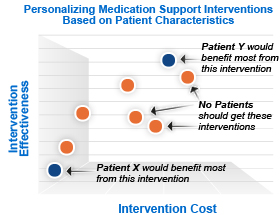
Those of you that have heard me speak know that I look at this topic of predicting adherence both from an area of fascination along with the eye of a skeptic.  While I love the concept of predicting someone’s adherence and therefore determining how to best support them from an intervention approach, I also believe that the general predictors are pretty straightforward:

  1. Number of medications
  2. Plan design (i.e., cost)
  3. Gender
  4. Health literacy and engagement (see PAM score research)

And, this is a hot topic (see post on FICO adherence score).  You can see my prior posts on some different studies, on the Merck Estimator, and some notes from the NEHI event on this topic.  It generated a good dialogue on Kevin MD’s blog when I talked about paying MD for adherence.

I had a chance to talk with Josh Benner the CEO of RxAnte the other day.  It sounds very interesting, and they have an impressive team assembled.  In general, they’re focused on:

  • Predictive modeling
  • Decision rules
  • Monitoring and managing claims to track adherence
  • Evaluating effectiveness of interventions
  • And creating a learning system

There are definitely some correlations to the work we do at Silverlink Communications around adherence.  We’re helping clients determine a communication strategy that might include call center agents, direct mail, automated calls, e-mail, SMS, mobile, or web solutions.  We’re looking at segmentation and prioritization.  We’re looking at past behavior and messaging.  The goal is how to best spend resources to drive health outcomes from primary adherence to sustaining adherence.  This is a challenge, and we all need to build upon the work that each other is doing to improve in this area.  We have a huge problem globally with adherence.

Walgreens Interview As Follow-up To Their White Paper

As anyone who follows the pharmacy industry knows (and now millions of consumers), Walgreens and Express Scripts have had an ongoing contract dispute since mid-2011.  Most of us expected this to get resolved by the end of the year to minimize patient disruption, but it didn’t.

With that in mind, Walgreens has published several white papers to help articulate the results of their employer survey data and to help plans quantify the value of keeping Walgreens in the network.  As this is a fascinating case study that will someday make a great Harvard case study, I reached out to Walgreens to get their thoughts on a few points.

Thanks to their PR team, I was able to get responses from Michael Polzin, their VP of Corporate Communications, to my questions.

Consumers are always resistant to change.  After the initial disruption and assuming you eventually reach terms with Express Scripts, how will you get your consumers to return to Walgreens’ pharmacy?  Is the retail pharmacy experience able to be significantly differentiated?  How are you doing this today?

As we’ve previously stated, we are now moving on without being part of the Express Scripts network. While we are open to any fair and competitive offer from them, we also are fine with continuing to operate our business without Express Scripts.

We intend to retain patients affected by this situation over time by reaching out on both a consumer level and a business-to-business level. To date, more than 120 health plans, employers and other Express Scripts clients have informed us that they have either changed pharmacy benefit managers (PBMs) or taken steps consistent with their contracts to maintain access to Walgreens pharmacies in 2012.  That represents 10 million of the 88 million Express Scripts prescriptions we filled last year. We’re also in active negotiations with many health plans and employers to provide access to Walgreens in their networks as soon as their contracts allow. In addition to those 10 million prescriptions already retained, we also expect to retain many Medicare Part D patients who previously were in an Express Scripts-managed Part D plan and moved to a different plan during last fall’s open enrollment period. We will get more detail on those numbers when CMS announces the results of the open enrollment period later this month.

On the consumer level, they are very receptive to looking at options to continue using Walgreens pharmacies whenever possible. They want to retain their choice of pharmacy and are exercising that ability as best they can. For example, we’ve had great response this month with our Prescription Savings Club (PSC) promotion. The PSC offers savings on more than 8,000 brand name and all generic medications. During the month of January, you can get an annual membership in this program for just $5 ($10 for a family).  We have seen more than 250,000 patients sign up for the club just since Jan. 1, and we continue to have record sign-up days. The interest we’ve seen in the club has been extraordinary.

As for differentiating the retail pharmacy experience, that is exactly what we are doing through our new Well Experience store format, which has piloted so far in about 20 Chicago area stores and the entire Indianapolis market. The pharmacy, health and wellness area of these stores are truly a game changer. The pharmacist is more accessible by bringing them out from behind the pharmacy counter to a desk in front of the pharmacy. As a result, patient interactions are higher than our pharmacists have ever experienced. The format also allows for tighter integration between our Take Care Clinic nurse practitioners and pharmacists to create a real community health corner.

We’ve had many CEOs of major health plans and large employers tour these Well Experience stores, and their No. 1 comment is, “This is exactly what we need. How fast can you make this happen?”

The white papers are good summaries for the consultants. How are you taking your message to other constituents – consumers, MDs, Wall Street?

Our best ambassadors to consumers are our pharmacy staffs. They are the ones with the trusted relationship with our customers and are able to have individual, face-to-face conversations with them. They’ve done a tremendous job educating our patients, and that’s why we’re seeing so much interest in the PSC and have patients finding other ways to continue using Walgreens, such as using their spouse’s coverage, if available.

The same is true with physicians. Our pharmacy staff work with them every day and help them find the best options for their patients including generic alternatives that can be very competitive through the PSC card with a 90-day supply compared with the patient’s program under Express Scripts.

As for Wall Street, we’ve been quite active speaking at analyst conferences, addressing the issue on our earnings conference calls and at our recent annual shareholders meeting. The analysts also have found our white papers and other SEC filings to be helpful in understanding the situation.

Ultimately, payers/employers care about cost.  If a PBM creates savings for them thru a limited network, can you summarize what they lose by not including Walgreens and how that transfers to hard dollar savings?  Are Walgreens consumers more engaged with their health?  Are they more satisfied with their healthcare?

Our research demonstrates the importance of Walgreens presence in a payers’ network in addition to the cost factor. A Walgreens proprietary survey conducted in December of 823 executives and managers who are key decision makers for pharmacy benefit decisions or provide input found that 82 percent of employers said that they would not exclude Walgreens for less than 5 percent savings on their total pharmacy spend. Sixty percent of employers would not exclude Walgreens for less than 10 percent savings, and 21 percent would not exclude Walgreens from their network regardless of the amount of savings. These findings on employer attitudes are consistent with recent research published by several leading equity research analysts. Clearly, employers value having Walgreens as a pharmacy option for their employees, but Express Scripts wants to take that choice away.

Now, add to that the small variation in costs among pharmacies. We believe that the vast majority of pharmacies, including Walgreens, receive reimbursements per prescription that fall within a narrow band, typically within less than 5 percent of one another. Therefore, excluding any pharmacy with our 20 percent market share from a 5 percent pricing band can only result in savings on the order of 1 percent or less. And that doesn’t take into consideration the additional savings Walgreens can provide through our leading generic dispensing rate or the 7 percent savings that payers can see by adding a 90-day refill option at our retail pharmacies.

It’s also important to point out that during negotiations, Walgreens offered to hold rates for a new contract flat and did not seek an increase in rates. The response from Express Scripts was to insist on being able to unilaterally define contract terms, such as what does and does not constitute a brand and generic drug. Express Scripts also proposed to slash Walgreens reimbursement rates to levels below the industry average cost to provide each prescription.

Walgreens is focused on helping payers with their total health care spend, not just the 10-12 percent of their health care costs that are spent on prescription drugs. While a patient with asthma can lower drug spend by not getting refills on their medication, the resulting emergency room visit that could result will be much more expensive overall for the payer. So we are focused on expanding the pharmacist’s role among health care providers to lower overall medical costs rather than focusing on drug spend alone.

Adherence is a big issue these days especially in Medicare where it is one of the key Star measures for PDP. One of the key value points in the paper is about adherence. How has Walgreens improved patient adherence and are you collaborating with payers to do this?

Walgreens pharmacies provide many medication adherence services, counseling and other assistance that lowers medical costs by improving outcomes. These include monthly adherence calls to inform patients about critical upcoming blood tests that are required to continue therapy; next-day home delivery for medications; assistance programs to help patients minimize risk resulting from economic circumstances that may negatively impact therapy compliance; and alerts for missed doses, at-risk patient behavior or serious adverse side effects that are communicated to a prescribing physician. We also offer 90-day supplies of medication, further promoting adherence. Walgreens pharmacists have consistently demonstrated increased adherence to chronic medicines for high-risk conditions for the populations that we serve. For example, for patients in one study who filled their statin and thyroid medications at community pharmacies and who consulted with a pharmacist, a significant improvement in first refill rates resulted (from 55.7 percent to 70.4 percent) after the adherence program was implemented.

While CVS has opted to own a PBM, Walgreens has sold their PBM.  Has this experience with Express Scripts changed the way you interact and contract with PBMs?  Do you think this will have broader implications on the industry?

I think it has helped us tremendously in terms of building closer relationships with other PBMs and payers. We’re moving forward with partners such as Catalyst Rx, Prime Therapeutics and SXC Health Solutions, and health plans such as Coventry and Humana. All of us see this as an opportunity to create a differentiated offering during the upcoming selling season.

Have any PBMs stepped up to work more strategically with you to create a differentiated offering to take advantage of this disruption during the 2012 selling season?

See answer above.

What’s next?  As Walgreens looks to the future and focuses on creating new value, how are you embracing key changes in the industry around health reform and technology innovation?

See question 1 and our development of the Well Experience store and pharmacy format.

Speaking at the upcoming PCMA Event

I just got added to the agenda for the February PCMA event so look me up if you’ll be there.  I’ve spoken on the topic of copay cards a few times for AIS in the past.  Since then, there have been a few significant events:

  • The Pfizer Lipitor strategy and push around a copay card.
  • The PCMA study on the impact of copay cards.
  • CVS Caremark’s changes to their formulary of which some were attributed to the existence of copay cards.

As always, I welcome comments, articles, suggestions, or data to support this discussion.  It is certainly one where there is limited data or facts.  Thanks.

“Twight” (Twitter Fight) Between $ESRX and $WAG

This is either a massive validation of the perceived value of Twitter or a crazy distraction, but either way, it’s interesting to those of us who study the industry and/or study marketing and communications. 

As part of the ongoing dispute between Walgreens and Express Scripts, Twitter has become one of the latest tools.  (see June post and September post)  In an effort to sway public opinion and thereby pressure Express Scripts and its clients, Walgreens turned to bloggers and Twitter to push their messaging…but these were in some case paid comments which was surprising.  They already have strong messaging in their IChooseWalgreens website and whitepapers on the Value of Walgreens.  I also thought they were demonstrating some success in converting people to their discount program which was part of their overall growth strategy shared at their shareholders meeting

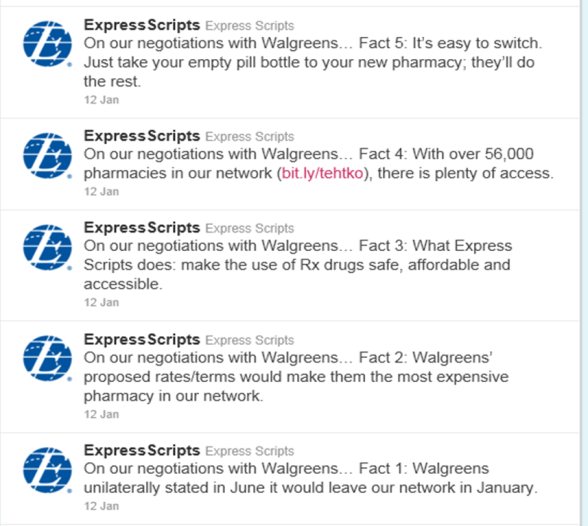
After Walgreens (with almost 84,000 followers) created a promoted hashtag of #ILoveWalgreens, Express Scripts (with 1,645 followers) countered back with several Tweets about the dispute (see below).  I guess the question is whether with millions affected and decisions made by the businesses and not consumers…does this forum matter?  But, journalists and analysts follow them so it’s important to keep the messaging up.  (Other articles on this are here, here, and here.)

Conveniently, I found this infographic on how Twitter is changing healthcare.  At the same time, this is an interesting fight because it’s a blend of B2C and B2B crossing paths.  More to come since I’m sure this fight is long from over.

Only 2 of the top 25 “Companies for Leaders” from Healthcare

I don’t know about you but given the focus on healthcare and the percentage of our GDP that it consumes I had hoped this would be higher. 

According to Fortune’s rankings (published 11/21/11), the top 5 companies were:

  1. IBM
  2. General Mills
  3. P&G
  4. Colgate-Palmolive
  5. McDonald’s

Eli Lilly was ranked 12th, and UnitedHealth Group was ranked 20th.

Mouthguards For Non-Contact Sports

I wore a mouthguard when I played lacrosse, but I’m not sure I could see myself putting in a mouthguard for running or playing tennis or golf.  Under Armour is pushing a series of mouthguards for any sport now (see brochure).  But, from a purely academic perspective, it’s interesting.

The material says that:

  • It improves airflow.
  • It reduces stress.
  • It improves strength.
  • It reduces lactic build-up.
  • It improves response time.
  • It reduces cortisol production.

It just makes me think that you’ll create this casual athlete with:

  • A mouthguard.
  • Nose strips to improve breathing.
  • Dark compression socks pulled up to the knee (perhaps with no bottom to allow for barefoot running).
  • Compression arm sleeves.
  • Heart rate monitor with GPS.
  • Googles to protect the eyes.
  • Magnetic band for strength and balance.

You get my point.  All of these things offer either some type of protection and some improvement in results, but it can go too far (IMHO).  Although on the flipside, the competitor inside me is anxious to try them out.

Presenting at PBMI in February

I am excited about the opportunity to present at PBMI in February.  I hope many of you will be there.  If you want to meet up, send me a quick note at gvanantwerp at mac dot com.  Thanks.

Here’s the description of my presentation:

The PBM industry continues to consolidate through mergers and acquisitions.  At the same time, new PBMs and niche PBMs continue to grow.  While the majority of the green space is gone, there is increasing focus on the individual market through exchanges and the Managed Medicaid market.  But, this maturing of the market has forced PBMs to look at more organic growth opportunities also.  How do you retain business?  How do you innovate?  How can you increase profitability per member?  With a few large market dynamics playing out in 2012, we’ll begin to look at what the future might hold and what we can learn from the past.  It is an interesting time for all PBMs, pharmacies, and manufacturers as they embrace the role of pharmacy in improving overall health outcomes.   

Interview with Per Lofberg (CVS Caremark) on the Future of the PBM

After sharing my forecasts about the PBM industry for 2012, I reached out to several people to get their perspective. One person for which I have a lot of respect is Per Lofberg. Per’s now the President of CVS Caremark’s PBM and has an impressive background at companies like Medco, BCG, and Generation Health. Everyone who’s ever worked for him has nothing but great things to say.

Given the change we all expect to see in the industry, I was glad that Per agreed to participate. Here are his answers to some of my questions:

1. 2012 is shaping up to be an exciting year in the PBM industry. Do you think this will finally be the year that limited retail networks take off?

Payers are always looking for new savings opportunities, and limited retail networks provide another avenue to increase savings without compromising access or quality. I have always believed it is quite possible to service large nationwide customers with retail networks that are smaller than the large 60,000 plus networks that are so common today. The current debate in the marketplace will only draw further attention to the topic of limited retail networks, which may result in more PBM clients, including clients who have not previously considered a limited network, engaging in a dialogue about this approach. As a result, I believe that during the 2013 selling season, benefit consultants will be quite focused during the RFP process on understanding the types of savings payers can realize with smaller networks. PBMs like CVS Caremark will need to be able to address this topic clearly with our clients and prospects so they can accurately weigh the benefits and impact of narrowing their network and consider how best to manage the natural disruption factor that will occur.

2. As the generic wave passes in the next few years, how do you expect PBMs to differentiate themselves going forward?

We can’t discount the importance of taking advantage of the large number of blockbuster drugs that will be going generic in the next few years. Being able to deliver strategies designed to drive generic utilization and work with clients to ensure that they appropriately move members to safe and cost-effective generic alternatives should become a best practice standard across the industry. Increasing GDRs will no longer be differentiators, but rather will be expected by clients as a basic PBM offering. As a result, during the generic tidal wave, PBMs need to sit tight, refine their standard formularies and perfect the implementation of programs that drive generic utilization.

As PBMs continue to drive GDR, those that are also successful at offering clinical solutions that support adherence, effectively manage the growing costs related to specialty pharmacy and helping clients manage the intersection of pharmacy and medical benefits to reduce waste and improve health are the ones that will stand out from the competition. Now and in the future, a best in class PBM is one that can accomplish all the basics that used to define differentiation (e.g., GDR, MDR) effortlessly, while bringing value to their clients through an integrated approach to managing the patient’s pharmacy care across the entire spectrum of care. The hallmark of a best in class PBM will be one that effectively addresses access, quality and cost for their clients.

Another consideration for PBMs will be around stricter formulary management strategies to counter increasing, and increasingly frequent, price hikes by pharmaceutical manufacturers. Brand manufacturers are using two basic strategies to protect their market share and we are seeing increased activity as generics erode the profitability of drug blockbusters. Unfortunately, these strategies – brand co-pay coupons and high and frequent price increases — ultimately raise costs and undermine the cost-controls used by employers and health plans to effectively manage their pharmacy spend. To help our clients manage pharmacy costs in this environment, PBMs will need to construct clinically appropriate formularies that provide our clients with options to manage sky-rocketing drug costs without compromising access or outcomes. CVS Caremark is combating price increases by pharmaceutical manufacturers by tightening what is offered on our recommended prescription formulary. As you know formularies are the list of approved drugs that an insurer or employer makes available to beneficiaries and, up until now, the formularies have been quite broad, including most FDA approved drugs, so that doctors and their patients have choice. However, physicians and pharmacists have long recognized that many drugs within a therapeutic class are essentially equivalent, and a “narrow” formulary can be comprehensive while also providing for substantial cost savings.

3. The role of the pharmacist continues to evolve with vaccines and their involvement in more patient management. Given your unique set of assets within the industry, how do you see CVS Caremark leveraging your POS resources to strengthen your focus on clinical outcomes and partner with clients?

As a pharmacy innovation company, we will continue to further develop our unique clinical offerings that leverage the pharmacist interaction and intervention in order to improve the health of our PBM members and drive costs savings for our clients. Our flagship products, Maintenance Choice and Pharmacy Advisor, developed to build on the member’s relationship with their pharmacist, are gaining increasing traction in the marketplace. These programs leverage the clinical expertise and insights of our PBM business along with the broad reach and face-to-face engagement in our retail business to deliver innovative solutions that are unmatched in the marketplace today.

Moving forward we will continue to build on this model by finding ways to further expand member access to these programs. For example, in 2012 we are expanding on our successful Pharmacy Advisor program, originally launched to increase adherence and close gaps in care for diabetes patients, to encompass patients with chronic cardiovascular conditions who are at risk of becoming non-adherent. We are also enhancing Maintenance Choice to make our integrated capability more broadly available to the CVS Caremark book of business and easier for members to use. In addition to enhancing our existing programs we are also continuing to innovate as a PBM by piloting new programs, including one we are piloting in 2012 that leverages pharmacist counseling to better coordinate drug treatment for patients recently discharged from hospitals in order to reduce rehospitalization rates and finding ways to fully integrate our Specialty Pharmacy business so clients and members get the full benefit of the entire CVS Caremark enterprise—PBM, CVS/pharmacy and MinuteClinic.

4. Medicare has pushed quality to the forefront with some of the new Star ratings. Additionally, some PBMs are looking at outcomes-based contracting with pharma. How do you see the marketplace engaging and leveraging pay-for-performance structures within the PBM industry?

Pay-for-performance based on outcomes is an extension of the guarantees that most PBMs negotiate with their clients today. These guarantees are in place to specify a level of service that clients should expect from their PBM with regards to such activities as response time on calls to the customer care center and performance for measurements such as a minimum GDR or MDR to be achieved within a specified time period. Adding in a level of clinical accountability is in line with how the PBM industry is evolving from one focused on channel/access and pure pharmacy cost savings through generics to one that encompasses health outcomes, adherence and the resulting overall health care cost savings associated with these measures. As PBMs get even better at implementing clinical programs and managing adherence across the spectrum of care, I would anticipate we will see more requests by our clients for contracts that either reward or penalize PBMs for their performance in these areas.

5. There is lots of talk about the value of carve-in versus carve-out pharmacy and the integration of medical, pharmacy, and ultimately lab data to provide improved management and identification of at-risk patients. Given your relationship with Aetna and ActiveHealth, how do you see CVS Caremark leveraging these assets even when they work in a carve-out relationship to help clients?

In our current partnerships with health plan clients, our main objective is to find ways to smoothly integrate our pharmacy management activities with the health plan’s focus on solid medical management. This integrated approach—one that balances traditional utilization management with programs to improve adherence, close gaps in care, improve outcomes and reduce negative health events – can deliver better results than a carve-out model that simply focuses on minimizing pharmacy spend. As I mentioned earlier when talking about how PBMs will differentiate their offerings in the future, a best in class PBM delivers on more than increasing GDR or moving members to mail order, it is about managing the whole patient and delivering results that address access, quality and cost. Being able to integrate a full view of the patient and their health works because it makes pharmacy care an integral component of overall health management for the member


[Thank you for reading. If you enjoy reading these posts, I would encourage you to sign up for e-mails from the blog every time new content is added. It’s a convenient way to have the content delivered to your inbox for you to read and share. You can sign up in the right hand column of this site.]

Will Patient Reported Data Augment Claims Based Models?

On the one hand, it seems fairly obvious that patient reported data (use of OTCs, exercise, food intake) is important in understanding their healthcare.  On the other hand, the historical bias has been to use historical claims to predict future costs.  At a minimum, I think that studies around tools like PAM (Patient Activation Measure) have shown that patient reported information is important in understanding their literacy and attitudes on healthcare.  This data is critical in designing effective healthcare engagement programs.  [One of the reasons that Silverlink has stressed our focus on using data for segmentation and personalization for years.] 

That’s why I found one of the latest studies by Kaiser to be really important.  They used both claims data and patient reported data to evaluate inpatient admission rates and costs.  And, as explained below, this data increased the predictive power of their model. 

The research determined that self-reported information about being in poorer health was a key determinant in predicting higher inpatient admissions and for being in the top tier for costs. Higher admission rates and costs were associated with patients who self-reported:

  • Lower score for general self-rated health
  • Yes to “do you need help with one or more activities of daily living?”
  • Yes to “do you have a bothersome health condition?”

The addition of this self-reported information to a claims history model explained an additional 2.8 percent of variance in admissions and 4 percent in cost.

Should You Be An “Imovator”?

Innovation has been a hot buzz word for the past few years.  The question is always whether to be on the bleeding edge (i.e., an innovator) or a fast follower.  I like the word “imovator” from a July 10th, 2010 Time article on the two business books – Different versus Copycats. 

Many people will tell you that we’ve tried that before or list all the reasons why something won’t work.  It’s never easy to be innovative.  At the same time, you don’t want to be innovative without a purpose.  There has to be a business value to justify the time and investment. 

One easy way to do this is to monitor your competition and simply make what they do better and less expensive.  This fast follower strategy has worked for many people.  They let the competition come up with an idea than execute on it better without having all the upfront investment. 

One of the examples in the article was Walmart.  Sam Walton didn’t invent the discount store, but he certainly figured out how to do it better and scale it.  So, as you think about 2012, what are your strategies for innovation and imovation? 

I personally find focusing on the whitespace between different products to create opportunities.  Look at how consumers use your products.  Look at the choices in the market.  There are often niches which can be grown to create opportunities.  The key is identifying those and creating something that is sustainable in terms of differentiation.