Archive | Consumerism RSS feed for this section

Does Brand Matter?

As anyone who works in or with marketing or sales would tell you…Of course, brand is very important.

So, that makes this study from Gorman Group on Medicare very surprising.

“Seniors with the highest [Medicare Advantage plan] satisfaction levels don’t even know what health plan they’re in.”
Jeff Fox, president of Gorman Health Group, LLC, discussing his firm’s research that indicates brand is less important than it was several years ago.

istock_decision-cube.jpgIf you’re interested in some good discussion on the topic of marketing, I would encourage you to look at Foghound. I had a chance to work with Lois Kelly from there years ago and was impressed. I think you will find their articles and frameworks very helpful.

The Next Health 2.0 Conference

If you’re interested, the next Health 2.0 conference agenda has been released.  It looks like it will be even more interesting than the first conference.  From the agenda, you will see that Matthew and Indu have organized a good mix of large healthcare companies (McKesson, Kaiser, Regence) with new and rapidly growing healthcare companies (BeWell Mobile, Silverlink, ReliefInsite, Xoova) and one of my favorite companies IDEO.

If you work in healthcare, you should think about attending.  If you’re a patient, you will find some of the ideas and the new companies interesting.

The $1,400 Physical

If you’ve never heard of it, concierge medicine is an interesting extreme of consumerism.  I met a physician in St. Louis about 7 years ago who had such a model.  He didn’t take insurance.  Each patient had their own voicemail box for exchanging messages with the physician.  Everyone paid him an annual fee for unlimited access.  Most of his revenue was for a private company’s executive team and their families.  He spent lots of time with the patients, focused on preventative care, and kept trying to find ways to keep them healthy.

Newsweek had an article about this in their 11/26/07 publication called “The Blue Chip Checkup“.  It talks about the Concierge Medicine clinic in LA where you can go get a $1,400 Vehicle Loans physical just like the President gets.  It is so comprehensive that it even includes a skin consultation.  Apparently, over the past year, they have had 600 people come in to get this physical.

I know lots of people are pretty skeptical about this.  I am not sure I have an opinion yet.  It’s interesting.  Obviously, you don’t want to create unneeded costs and certainly we don’t want to make care a luxury good.  But, having people take responsibility for their health and wanting to learn as much as possible about how to manage their care seems like a positive.

Ideally, there should be lots that we can learn about patient-MD interactions, value of testing, preventative care, and what would happen in an ideal setting where insurance and money was not an issue.

Pharmacy Satisfaction: Communication is Key

It’s always great when you find research that clearly reinforces one of the things you always talk about – communications. At PharmacySatisfaction.com which is a website sponsored by WilsonRx and Boehringer Ingelheim, it lists the 10 steps to customer satisfaction for a pharmacy. A few key items that I think are relevant to a lot of what I talk about and do with customers in pharmacy and healthcare in general:

  1. Know your customer (database marketing / management)
  2. Speak up (you’re the expert…help them)
  3. Educate the customer (reach out to them proactively and help them with information)
  4. People skills (understand that different people respond to different messages, mediums, voices, times of day, etc)
  5. Address compliance (refill reminders)

It also made me think about two topics which I think are relevant to communications success – Linguistics and Nuerosciences. As you might expect, there are lots of blogs on both. Here is a list of blogs and some definitions:

Linguistics is the study of the nature, structure, and variation of language, including phonetics, phonology, morphology, syntax, semantics, sociolinguistics, and pragmatics (per The American Heritage Dictionary of the English Language).


Neuroscience is a branch (as neurophysiology) of the life sciences that deals with the anatomy, physiology, biochemistry, or molecular biology of nerves and nervous tissue and especially their relation to behavior and learning (per Merriam-Webster’s Medical Dictionary).

Enhanced Communications Have An Impact

On January 4th, Express Scripts put out a press release about consumers using a home delivery pharmacy being more likely to choose lower-cost therapies. It is an interesting study as published in the December 2007 issue of the Annals of Pharmacotherapy. I had the fun job of designing the program as one of my projects before I left Express Scripts. I will never forget my boss coming to me and asking me to think about how we could drive market share movement of several large drugs if we took them off formulary (i.e., Lipitor). He handed me a white paper written the year before on what to do. Since he was new, I didn’t give him too much grief since I was the author of the white paper from the year earlier about what we should have been doing for the past 12-months to prepare for this.

Anyways, I pulled a lot of input and created a great single-frame image which showed the major constituents and the tools/tactics we would use to drive market share both pre-formulary change and post-formulary change. I went back to my day job, but the image became the roadmap for a multi-modal communications strategy. As was my intention (since I was responsible for mail order), it looks like it worked both to move share and to show how mail could be better than retail.

Here are a few of the highlights from the press release:

  • Express Scripts evaluated consumer behavior after they made a change to the formulary positioning of cholesterol lowering drugs to prepare for Zocor going generic in mid-2006.
  • They looked at more than 200,000 retail and mail patients.
  • All patients got a formulary notification letter informing them of their therapeutic options, materials for their physician, a website for more information, and toll-free number to call. [2 years earlier I had created the business case for mass mailings of formulary notification letters.]
  • The IVR refill line included messaging about switching to a formulary agent, and we placed automated outbound calls to mail order patients [using Silverlink Communications].
  • Patients that were interested were queued up for a change at mail after 1/1/06 (so as not to lose rebates for our clients in 2005).
  • Obviously, other plan factors (i.e., copay differentials, step therapy) impacted choice. [I.e., if I only have to pay $5 more per month for a drug that I am used to, I probably won’t switch]
  • The results were great. 52% of the mail order patients and 33% of the retail patients chose to switch therapies.
  • Some of the retail patients were part of a rapid response program in which they received a letter telling them about their options in the therapy class right after they received their first fill of the non-formulary drug in the new year. [another program which I developed and launched for step therapy] Receiving this letter increased their likelihood of switching by 28%. [BTW – we tested this with letters vs. automated calls from Silverlink back in 2005 and the results were very similar.]

“Creating a dialogue with consumers is a crucial factor in successfully changing behavior and delivering value at the consumer level,” explains Emily Cox, Ph.D., senior director of research at Express Scripts. “Home delivery consumers received additional information and were more likely to seek further assistance through the Web and by calling Express Scripts. Enhanced communication clearly has an impact. The effectiveness of the rapid response program for retail consumers also supports the value of enhanced communications.”

As I have mentioned before on the blog, this was a great program. It proved that PBMs can influence market share. I was more than a little disappointed to see that after we moved all these patients to Zocor to take advantage of the generic then company than moves Lipitor back on formulary only to have to ask the patients to switch drugs again. [Fortunately, I was not there for these discussions.]

Did You Know Factoids

I found this great list of factoids or Did You Know statements at PharmacySatisfaction.com. Here were some of my favorites or more interesting ones.

  • The biggest reason for not taking all medications as directed was simply, “I forgot.”
  • The number one concern across all pharmacy users is that their prescriptions are filled accurately.
  • The most useful feature those Web sites offer to them, the survey found, is the ability to order refills online.
  • Nearly three in 10 order their refills online.
  • Customers average three visits each month to their pharmacy.
  • Only about 1-in-5 pharmacy customers, overall, say that they use a loyalty card that provides points, discounts or other savings.
  • While the majority of loyalty card users are satisfied with the expected cost savings by using their card and with the ease of enrolling and understanding the benefits of their card, fewer than 1-in-4 card users are highly satisfied.
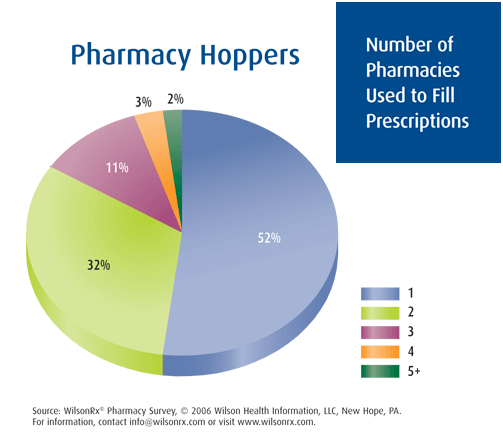
  • The drug store industry remains largely up for grabs, with nearly half of pharmacy customers saying they use more than one pharmacy to fill prescriptions.
  • Pharmacy use varies considerably by population. Chain pharmacies are most commonly used among residents of areas with more than 100,000 people. Independent pharmacies are most commonly used among rural respondents (areas with less than 100,000 people). Use of independent and mass merchant pharmacies decreases as population increases. Chain, food store, mail/online, and clinic pharmacy use tend to increase with population.
  • However, as pharmacy customers age, they are much less likely to use chains and considerably more likely to use mail/online and clinic pharmacies.
  • Seven-out-of-ten pharmacy customers indicate that they “definitely would” or “probably would” use their local pharmacy if they could receive the same amount of medication at the same price as their mail-order pharmacy.
  • The heaviest users of prescriptions are survey respondents in their 60s, averaging 5.4 new scripts and 29.2 refills per year.
  • How long patients have to wait for their scripts to be filled is a key component of customer satisfaction.
  • The average survey respondent is spending a considerable sum each month on drugs at their pharmacy—$82 on average (versus $57 a month on food and groceries at their pharmacy).
  • An average of 85.9% of computer owners/users use the computer to improve their health by looking for information about diseases.
  • Much has been written about the value of closer pharmacist-patient relationships, but Americans seem to feel far more connected to their physicians, dentists and nurses than to their pharmacists. That’s clearly not all pharmacy’s fault; the same survey respondents agreed that they were usually given the opportunity to speak with their pharmacist when filling their last prescription. What’s more, pharmacists ranked a close second to doctors as sources of information about medications.
  • Walgreens’ “Dial-a-Pharmacist” initiative, launched in February 2006, allows non-English speaking patients to connect with pharmacists speaking 14 different languages.
  • Independent pharmacy customers have the most trust in pharmacists, while mail/online customers have the least. Compared to last year, customers of all types of pharmacies place more trust in their pharmacist as a source of information.
  • More than one-third of pharmacy customers failed to fill all their prescriptions last year, and only 35 percent of all respondents said they were fully compliant on the medications they did take. Nevertheless, refill reminders from the pharmacy remain relatively rare, most patients profess.
  • In general, older patients tend to be more compliant than their younger counterparts.

I mentioned poly-pharmacy a few days ago, but here is some data about how many pharmacies patients use.

Loyalty…Retention

I had a good lunch meeting today discussing loyalty in healthcare.  The loyalty expert asked me what I meant when I use the word “loyalty”.  Good question.  I immediately jumped to points programs which is what I usually think about when I say loyalty.  He asked about points versus information versus experience.  I usually think of those as some of the key components of retention.  Retention to me is a lifecycle program that address the patient experience from getting them to select you, welcoming them to the program, educating them, and exiting them at the right time.  It involves information, tools, incentives and rewards, and has to be relevant to them.

Healthcare is unique in that you can’t simply incent on volume.  I don’t want you to get an prescription if an OTC will work.  I don’t want to you to go the physician unnecessarily.  I want to incent you to do the right thing – go to your physician versus the ER; exercise; get appropriate tests done; participate in disease management programs; or use a generic drug.  Some of these are easy to capture, but some of them become self-reported data which is hard to automate and collect.

So, we talked about the different constituents and what they might do:

  • Providers (MDs, clinics, hospitals): pretty difficult to see the right model here…obviously they want your business if/when your sick so a share of wallet concept could work, but there isn’t a clear alignment of incentives without a pay-for-performance (P4P) or capitated relationship.
  • Pharmacies or Durable Medical Equipment (DME) Providers: this is the easiest model to understand, but you still have to make sure you don’t incent inappropriate behavior
  • Managed Care or Other Insurers: this is where the biggest opportunity exists, but the question is how to you get companies to invest in rewarding preventative actions rather than running the odds of having a major cost factor for the patient prior to the patient churning (i.e., going to another payor)
  • Disease Mgmt Companies: this is a clear model since they are being paid to manage a disease and lower the costs.  offering incentives or rewards that make a patient compliant (i.e., loyal) or drive behavior to a care plan would be in their interest.
  • Pharmacy Benefit Managers (PBMs): there is something here especially around mail order pharmacy, but I think the big opportunity here is reward for behaviors such as using self-service (web, IVR) or choosing the lowest cost option – OTC, generic, mail order, etc.
  • Pharmaceutical Manufacturers:  here there is clear alignment.  We used to do programs such as the 5-7-9 card which was for some drug (that I can’t remember).  The patient got the 5th, 7th, and 9th fill free if they stayed compliant and enrolled in the program.

In researching this, I found this good loyalty presentation by Carlson Marketing.  With healthcare being so behind other industries and struggling to figure this model out, the only place we are going to find a lot of research and information is going to be in other industries.

Healthcare Gift Cards, Memberships, and Futures

Gift cards have become the popular holiday gift.  [Here is the money I was going to spend on you but since I don’t know exactly what you want, please go spend it on yourself.]  As copayments go up and consumers own more of their healthcare spending, I wonder how long it will be before we get healthcare gift cards.  Or maybe discount clubs that you join and get preferred pricing (i.e., Sam’s Club).  Or maybe big ticket items could be like stocks where you can hedge your bets.  Gift cards are definitely a reasonable probability.  The others may be too far fetched.

  • A $50 gift card good at your local pharmacy.
  • A gift card good for 2 visits to the clinic.
  • A $100 gift card good for one visit to the ER.
  • A annual “membership” good for up to 5 preventative visits at any physician or hospital within a certain network.
  • An option to buy “futures”…purchase a transplant which costs $100,000 for $30,000 today based on your current health.

Forrester on PHRs

In mid-November, Forrester put out a report titled “PHRs: From Evolution to Revolution” by Liz Boehm, their healthcare lead. It’s not my lead area so I didn’t spend the money to buy the report, but here is the executive summary.

Health plans, driven by employer demand and expectations of improved member satisfaction and reduced medical costs, are investing in payer-based personal health records. But consumers have not raced to adopt them. Health plan customer experience professionals are on the hook to not only drive adoption but also engineer low-cost, interactive health support programs that will help members make better choices and save costs. To maximize their chance of success, health plan customer experience professionals need to focus on four critical areas: data management, behavior change, interface best practices, and patient and provider recruitment. This focus will help drive near-term success and position plans to weather the coming changes in the personal health record (PHR) market.

What I found interesting was the list of companies that they interviewed (and who they didn’t talk to).

Book by Kaiser CEO

George Halvorson, the Chairman and CEO of Kaiser Foundation Health Plan and Kaiser Foundation Hospitals, has just published a book called “Health Care Reform Now! A Prescription for Change”. A news clipping service I have sent me a summary from Business Insurance. It is published by John Wiley & Sons and is $27.95. It sounds quite interesting. Here are a few things which the article highlighted.

He says that the US does not have a health care system in place but has a “plethora of uncoordinated, unlinked, economically segregated, operationally limited microsystems…a nonsystem of care.”

He talks about the concentration of spending (based on Kaiser Permanente data):

  • 1% of the US population uses more than 35% of health care dollars
  • 5% uses 60%
  • 10% spends 70%

He talks about the fact that five chronic diseases are responsible for upwards of 70% of the health care costs in the US:

  • Asthma
  • Diabetes
  • Congestive heart failure
  • Coronary artery disease
  • Depression

He talks about the problems that arise when there is no communication between health care silos of care which leads to drug interactions and costly hospitalizations.

I haven’t read it yet, but the article says that he offers solutions for each problem and talks in a conversational and occasionally funny way. He proposes using insurance records to create a type of Electronic Medical Record rather than waiting for the long-term solution of integrated systems. He also proposes using computerized medical records to track quality issues.

Patient Comments About PBM Reimbursement

I understand the logic if I am the pharmacies of reaching out to the patients to motivate them and use that to compel the legislators to act but doesn’t it seem strange to have an end customer comment about the supply chain relationship of two entities. What am I talking about?

The Coalition for Community Pharmacy Action which is made up of the National Community Pharmacists Association (NCPA) and the National Association of Chain Drug Stores (NACDS) conducted a survey of 1,000 pharmacy patients about the slow reimbursement of Medicare Part D drugs by the PBMs and upcoming cuts in Medicaid reimbursement. Not that I don’t think it’s an issue, but I find it hard to believe consumers knew about the issue and weren’t “coached” into answers based simply on the way the questions were asked. Regardless, the results were:

  • 83% said that it was unfair that “PBMs and prescription drug plans keep money as long as possible, allowing them to earn interest on it, while pharmacies must continue to provide their services and prescription drugs upfront to patient even though they haven’t been paid.” [Do you think the average patient would say that if you simply asked them what they thought about reimbursement policies for pharmacies?]

The survey is obviously to drive support for two bills – H.R.1474, the Fair and Speedy Treatment of Medicare Prescription Drug Act of 2007, and S.1954, the Pharmacy Access Improvement Act (PhAIM) of 2007 which require complete and accurate Part D claims submitted electronically be paid within 14 days by electronic funds transfer, and paper claims within 30 days.

  • 78% thought it was unfair that “under the new rule, pharmacies that participate in the Medicaid program would have to sell generic drugs at a loss.” [I believe it’s possible, but I would like to see the math here. Is it net of their costs? Are their costs direct labor or is it a volume issue?]

“We have reached critical mass in our efforts to rectify the debilitating consequences of the Medicare Part D and Medicaid reimbursement systems,” said Bruce Roberts, RPh, NCPA executive vice president and CEO. “The sentiments expressed by community pharmacies, members of Congress, and organizations such as NCPA and the National Rural Health Association are well known. The missing voice has been the patients who are adversely affected by the consequence of community pharmacies being squeezed to the breaking point. Now we have a comprehensive scientific survey indicating patients find the reimbursement policies objectionable and are supportive of the pending legislative solutions that should spur action in the halls of Congress.”

I am a big believer in the independent pharmacy. They have and continue to play a vital role in many communities and serving patients in a very hands-on way. As the market has changed, it has been difficult. Seniors, who I believe are disproportionately represented at the independent pharmacies, were cash paying customers for a long time. Medicare Part D changed that and took away a great source of cash flow and margin.

A Few Other Facts From CSC’s Survey

While I was flipping through CSC’s 2004 Customer Intelligence Diagnostic Survey, I found a few other interesting facts:

  • Only 20.7% of the 58 Fortune 1000 companies have a 360 degree view of the customer (i.e., consolidated data across the enterprise)
  • Only 41% of them had used external data to augment their internal customer data
  • Only 10% of the companies had a high degree of confidence that their customer data was clean, accurate, and timely
  • 20% of the companies never capture responses to marketing campaigns for evaluation and another 40% only collect the data occasionally
  • Only 25% were capturing and using customer preferences
  • Only 28% were using an external source (e.g., National Change of Address) to update and verify addresses
  • 62% of them were segmenting customers based on demographic or behavioral criteria
  • 59% of them segment customers based on preferences and needs
  • Almost 80% believe they are missing revenue opportunities due to poor data quality or lack of integrated information
  • Only 22% make customer insights readily available to all their personnel in sales, marketing, and service
  • Only 19% have business rules and triggers to launch targets treatments across customer touch points

There were no healthcare companies included in the survey, but I am sure they would have lagged even more.  Now, some of this has likely changed over the past few years, but there is a lot to be done to address the opportunities.

Proactively Addressing Customer “Defection”

Where your customer (or patient) has the ability to defect (i.e., chose another health plan, go to another PCP or hospital, chose another drug or pharmacy), what are you doing to predict this and act in advance.  As the old saying goes, it is cheaper to keep a customer than to attract a new one.

In wondering what other industries do, I was a little discouraged to find the following in CSC’s 2004 Customer Intelligence Diagnostic Survey:

“half of the respondent firms never, or almost never, perform defection analysis to identify customers who are on the verge of defection.  Nevertheless, over half of the respondents claim that they have developed targeted programs to prevent defection.”

Even companies that ask about your experience or satisfaction often don’t act on it.  For example, I have stayed at the Detroit Ritz several times for personal travel.  Each time, check-in has been bad.  Every time I check out, they ask how my experience was.  I say it was okay.  They say great and move on.  [Which shouldn’t be acceptable at a place like the Ritz that prides themselves on customer service.]  Never have they asked me for feedback.  So, instead, I complain to the national office and get a gift certificate which costs them money…simply for not acting on my lack of satisfaction.

In healthcare, it may be a little harder to predict, but not filling a maintenance drug or not scheduling a follow-up appointment are definitely bad signs.  A quick follow-up survey to any experience will tell you a lot.   And, as I think I have mentioned before, for healthy people that never experience their healthplan, it makes a lot of sense to reach out to them prior to open enrollment when all they will see is another rate hike.

A few recent entries on other blogs

It is always important to see what others are writing about on their blogs. There are now almost 700 healthcare blogs tracked by eDrugSearch. (Just 6 months ago, I think it was only 400.) Here are a few recent posts worth reading.

The main value of transparency is not necessarily to enable easier consumer choice or to give a hospital a competitive edge. It is to provide creative tension within hospitals so that they hold themselves accountable. This accountability is what will drive doctors, nurses, and administrators to seek constant improvements in the quality and safety of patient care. So, even if we can’t compare hospital to hospital on several types of surgical procedures, we can still commend hospitals that publish their results as a sign that they are serious about self-improvement.

    • On DiabetesMine, there is a great summary of all the things that have happened around this disease in 2007.
    • It’s not healthcare specific, but Seth Godin’s entries are always interesting.  Read this one about what you did in the past and grabbing opportunity.  It should help you set a positive outlook for 2008.
    • A new blog that I recently started following is called Enterprise Decision Management.  Here is one entry on Business Intelligence 2.0.  He has lots of great entries that I will elaborate on later.  This approach is core to creating an intelligent healthcare communications strategy.
    • The Hospital Impact blog has a nice entry on 2007: A Year in Review.
    • On the Health Business Blog, David talks about “shopdropping” which is a retail activity where people leave things at stores (i.e., reverse shoplifting).  Interesting.
    • John quotes a study on the eHealth blog that says that 39% of physicians are e-mailing patients.  I find that amazing.  I have never heard of a physician doing this.
    • On Hospital Marketing, there is an entry on Hospitals in Facebook which makes the point about healthcare being behind and not thinking creatively about how to use new media.  I would like to see some discussion there on the topic, but there hasn’t been any yet.

    Just a few other blogs to check out.

      Setting Healthcare Goals

      I have always been a big believer in using New Years as an excuse to think about my goals – what did I accomplish last year, what do I hope to accomplish in 2008, and what are my 5 and 10-year goals. With the exception of a few years, I have done this for most of the past decade. It is a an interesting tale of how my priorities have evolved from very career oriented in the early years after business school to much more balanced now. My goals will now typically include a few career objectives, some family objectives, a financial planning objective, and a few personal objectives (e.g., run a 1:40 half-marathon).

      When I got ready to write this entry, I decided to try and find a story / study that I had heard referenced numerous times about an ivy league class where they tracked the success of people that wrote down their goals versus those that didn’t. Unfortunately, all I found was that it was a myth. I still believe it is a helpful process, and I think telling some of them to others so that they encourage you is also important.

      A good term to use in setting goals (work or personal) is S.M.A.R.T. which stands for Specific, Measurable, Attainable, Realistic, and Timely. Just Google “SMART goals” and you will find numerous links. It is often a good idea to have a specific objective or event and/or to reward yourself. (e.g., I want to lower my BMI by X points prior to my annual visit to the doctor and will upgrade the cabin on my next cruise if I achieve this.) And, don’t forget to set a baseline metric for where you are today so you know how much you have improved.

      So what goals should you have a health consumer…here are a few ideas:

      • Know your metrics (BMI, HDL/LDL)
      • Understand your family history and probability of diseases
      • Lose weight or improve your physical fitness
      • Take any preventative measures needed based on age or gender or other attributes
      • Take advantage of any wellness programs offered (wellness goal article)
      • Learn about the food you take into my body
      • Eliminate any unhealthy activities (e.g., smoking)

      And, what goals would we want our healthcare companies to have for the new year:

      • Understand me as an individual and how I want to be communicated with
      • Improve your customer service so it is proactive and I only have to tell you once who I am
      • Make your communications understandable to me not only to a medical professional
      • Help me manage my data
      • Give me tools to make decisions don’t just shift risk and responsibility to me
      • Help me with prevention and wellness and other long-term activities

      With that in mind, it should be interesting to see if Revolution Health gets some traction with their new offering – Resolutions 2.0. From what I have read and seen, it looks like they have created an online tool for setting and tracking goals and combined that with two things – social interaction to build encouragement and expert insight to provide hints and advice. It will be interesting to see the adoption and use. It would be great if they could track it versus a control group to see the improvement in achievement of goals.

      “The beginning of a new year always brings with it a fresh start and the best of intentions to change one’s life for the better,” said Steve Case, chairman and CEO of Revolution Health. “We all make New Year’s resolutions but going it alone can often make those good intentions a grind. By adding the power of friend-to-friend support along with expert information, RevolutionHealth.com is offering a simple, fun and free way for people to achieve goals they never have before.”

      The expert “groups” they have created include the following which although broader in scope than I expected seem to have something for all of us:

      1. Improve My Relationship/Marriage
      2. Keep My Family Active
      3. Take Charge of Your Life
      4. Become A Complaint Free Person
      5. Eat Right and Stay Slim
      6. Walk More to Lose Weight
      7. Sleep At Least 7 Hours A Night
      8. Have a Smoke Free Day
      9. Lose Up to 20 lbs By Spring
      10. De-stress

      Passing on the costs of unhealthy behavior

      I mentioned it in a blog post a few days ago, but apparently, companies can now screen employees for something like smoking if they have a published policy.  [I don’t know all the details.]

      The Cleveland Clinic won’t hire anyone who smokes anymore and Scott’s gives you six months to quit smoking or you get fired.  (Based on the fact that it costs about $3,400 more per year to employ someone who smokes.)

      I asked a friend of mine at a large insurer this week who verified that they are getting lots of requests from employers around smoking.  Most companies are trying to figure out whether they discourage smoking or simply pass on the costs to the smoker.  This begs the obvious carrot or stick discussion in terms of motivation.

      It made me wonder what would be next.  Obesity would seem like the condition that companies would want to address since it is tied to so many diseases and drives so much cost.  Maybe a BMI sliding scale for healthcare costs.  Of course, you would need to have some type of test to exclude people who were genetically pre-disposed or medically not able to control their weight. 

      Whatever approach was taken, there is a lot to driving positive behavior.  A blog entry on Consumer Focused Care does a great job of talking about this.  He talks about how a group of maids became healthier simply by being told that their work (e.g., scrubbing floors) was equal to the recommended daily exercise.  There is a power in being positive and helping people realize what they can do to make a difference. 

      If Trust is Important…What Do I Do With This?

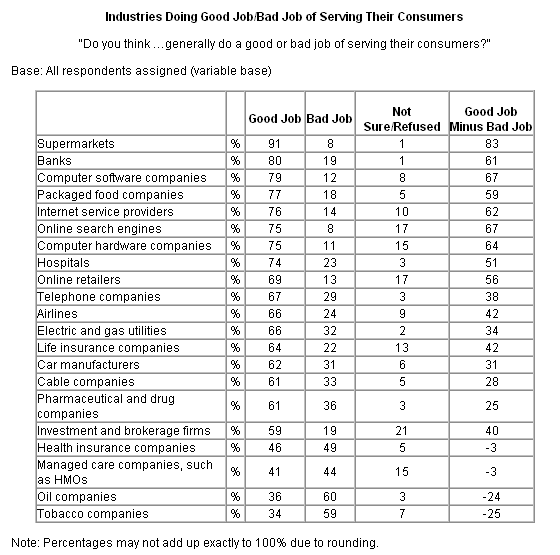
      I don’t think anyone would argue that trust is one of the most important components of corporate branding especially if you are communicating with consumers.  How do you compel them to act (even if its in their self-interest) if they don’t trust you?

      That being said, what does it tell us that the healthcare industry ranks so low in the annual Harris Interactive survey which asks “Do you think <industry> generally do a good or bad job of serving their customers?”  Hospitals do okay with 74% of those surveyed saying yes.  Even drug companies rank okay at 61%.  [Cable is also at 61% and the phone company at 67%.]  Health insurance comes in at 46% with managed care at 41%.  The only lower companies are oil and tobacco companies.  We have to figure out how to fix this if we are going to successfully drive wellness and change healthcare in this country.

      harris-industry-survey.png

      Forrester on Individual Health Market

      It is a few months old, but Forrester put out a report called “The $115 Billion Individual Health Insurance Opportunity” back in October of this year that is packed with facts and a few interesting concepts. The key point is that established companies need to maintain success in the B2B world that we live in today while aggressively migrating processes, collateral, skills, and products to work in the B2C market.

      I was definitely surprised by their statistic that 9% of today’s market is made up of individuals purchasing their own insurance and that 20% of the population is either in a high deductible or CDHC plan. Their data also says that 31% of the uninsured are actively investigating insurance. Obviously, this means a lot of people looking for health information and taking more responsibility for their care.

      They offer 3 recommendations:

      1. Get ahead of the legislative curve. I would agree. Companies should be out testing models right now with the early adopters. [One of my favorite quotes from one of the founders of IDEO goes something like ‘fail early to succeed sooner’.]
      2. Develop and launch innovative plan designs. They talk about Prudential’s “pay-as-you-go” model in Europe and American Community Mutual Insurance in Michigan that has a buy-up plan that you can buy after you get sick. WOW!! I am not sure how you underwrite this, but it sounds very interesting.
      3. Invest in low cost distribution channels. They talk about Tonik which I mentioned before and the building of online presence. They also talk about outsourcing.

      One of the big things that this will all require is some rebuilding of infrastructure to support different sales processes, personalization, claims set-up, and customer support. Companies should also be looking at data and how they can better use and mine data to learn and improve.

      Is Healthcare Missing a Generational Opportunity?

      I think a lot about some of the new marketing tactics being used by consumer product companies – sponsorship (e.g., McDonalds Holiday Lights at the Beach Presented by Verizon Wireless), advertisements or product placement in video games, corporate tattoos, YouTube videos, MySpace personas, and Second Life avatars. Logically, who cares about most of these for healthcare. The primary users of healthcare are the senior population…and they aren’t being influenced by these channels. The corporate buyers are the HR or benefit professionals…many of whom have professional consultants (e.g., Hewitt, Mercer). Branding is often an afterthought within healthcare.  [Can you image a company working with the reality show Survivor to make sure that one of their competitions earned the winner a personal healthcare coach sponsored by Cigna (for example) for a year?]

      BUT, we all know that health insurance (or any insurance) company is not typically viewed as a trusted entity looking out for your best interest. (As one of my old bosses used to say…how many times are you going out to dinner with your health care broker each year?) I guess my point is why are some of the key players thinking out 20 years and trying to figure out how to influence the younger generation and show healthcare as an entity that works to make their life better (e.g., have a video game where buying health insurance makes your character recover faster from injuries).

      For example, I believe most people have a great impression of architects as humane people based on The Brady Bunch’s depiction of the father figure who was an architect. The lead character in Spike Lee‘s movie, Jungle Fever, was an architect. Have you ever seen a movie where the lead character was the VP of claims at a managed care company or the CEO of a PBM? There needs to be someone out there thinking big picture and looking at what it will take over time to change the perception of healthcare because perception is ultimately reality so we have to address both. Fix the problem and get people to believe that we fixed the problem.

      Medco on CDHC – Support Programs Are Important

      In Managed Healthcare Executive (12/1/07), there is a CDHC (Consumer Driven Healthcare) article by Medco which I found very interesting.

      • A survey by the Employee Benefit Research Institute found that 70% of those in consumer driven healthcare plans consider costs when deciding to see a doctor or fill a prescription (versus 40% in a comprehensive plan). [This seems like the premise of consumer driven healthcare…you will be more careful with the costs of healthcare when they come out of your pocket.]
      • The study also found that people were twice as likely (35% vs. 17%) to avoid, skip, or delay healthcare services. [I’m feeling better so I don’t need to finish taking that prescription or no reason to go for my screening until my cash flow is better…here is the problem.]
      • The problem is compounded as an employer. Not only can your costs go up but you could lose productivity of an employee.
      • The author talks about a 2005 Medco study which showed the medication adherence is associated with significant medical savings (e.g., $1 spent on Rxs for diabetes leads to $7 in medical savings)
      • The article says that the average number of Rxs per household was just more than 21 in 2003. [I have never seen it presented this way. I always use the number of 13.1 Rxs PMPY which is from 2005.]
      • The article talks about RationalMed which is Medco’s patient safety system that looks at integrated data (pharmacy, medical, lab, and patient self-reported). [I think that this type of data integration is critical to healthcare. The challenge is integration of the data and taking action on it. I would also like to know the predictive value of the system compared to other tools such as ActiveHealth.]
      • It points to some data on generic drugs that is great and which was new to me.

      “Generic drugs not only cost substantially less, but they also promote drug compliance. A recent study in The Archives of Internal Medicine found that patients who took a generic drug had close to a 13% increase in drug therapy adherence, compared with patients who took brand name third-tier drugs covered by their plan.”

      • The author goes on to talk about the need to provide patients with information and use tools to drive change. Here were a couple of the points being made:
        • People who used Savings Advisor (an online tool that compares costs) were 60% more likely to switch to a generic.
        • ¾ of people who discussed generics with their MD or pharmacist got a suggestion to use a generic. [I would like to see it for the percentage of people for which a generic was clinically appropriate. Was this 100% of the opportunities or 75% of the opportunities as implied?]
        • Direct mail about generics increased generic conversion by 22% at a savings of $88 per switch per year. [This seems low.]

      CDHC will only be successful when companies have figured out how to empower patients with information rather than simply shifting the burden of financial management to them.

      Bat Phones, Blue Phones, and On-Star

      I was listening to a GM commercial for their OnStar service earlier today, and it made me wonder.  If GM can design a service, staff a call center, and make money in the highly competitive car market, why can’t healthcare?

      Conceptually, it seems like such a great service.  No interactive voice response (IVR)…you actually get to a live agent right away.  You press a button and you are connected…no remembering numbers or having to find the right time to call.  They help you with any issue…rather than route you to some other person for follow-up.

      bat-phone.jpgMany of you will remember the “Bat Phone” from Batman where (if memory serves me) the Commissioner could pick up the phone and be instantly connected with Batman to ask for his help.  We tried a few programs to get at this at Express Scripts.  We worked with BCBS of Massachusetts to pilot the “Blue Phone” which was placed at certain high volume pharmacies and allowed patients to pick up the phone and talk directly to an agent that could address questions about their claim (i.e., why has my copay changed?  why isn’t this drug covered?  the claim got rejected, why?).

      “Customers seem to be willing to use the Blue Phone more each day,” said Jon Hersey, pharmacist at Stop & Shop. “The response from BCBSMA is routinely quick and customers don’t spend a lot of time waiting on the phone. This saves time for us and keeps the customers happy, because we can spend more time filling prescriptions and less time answering questions.”

      The other thing we tried was setting up a tiered customer service model where high utilizers of prescriptions were given a direct dial that took them directly to a group of skilled agents.  Patients loved both the Blue Phone and the tier service model.  The challenge of course is staffing appropriately and managing costs.  BUT, if companies were more proactive in call obviation, they could employ solutions like this.  If companies mined their data to identify when patients would call and reached out to them before they called to address their questions, then inbound call volume would drop dramatically and would be more the exception than the rule.

      Missouri Healthcare Discussion

      Last month, there was an article in the St. Louis Business Journal where several industry leaders commented on the future of healthcare for Missourians.  I thought several of the comments were universally relevant.

      The participants were:

      Facts / Comments from the article:

      • If you are living under 300% of the FPL (federal poverty level) and don’t have insurance, you are twice as likely to be admitted to the hospital for an avoidable condition
      • Government is the biggest payor – 10M lives covered as an employer, 40M Medicare lives, 51M Medicaid lives, and 47M uninsured.

      “The tragedy in St. Louis right now is that within the city and parts of the county, we still have third world outcomes.”  [Ron Levy]

      •  70-80% of everything the doctor says isn’t understood by the patient
      • Dr. Lipstein mentioned a few of the BJC websites for the public – helpforyourhealth.org and myhealthfolders.com.  I scanned the helpforyourhealth site which has some nice features like a ask the pharmacist button where the Q&A is posted for everyone to see.  On the other hand, the myhealthfolders appears to be their own PHR but mostly self-reported information.
      • Dr. Lipstein also talks about the fact that they have evidence that investing in health literacy and promotion, screenings for blood sugar, cholesterol, blood pressure, and BMI, and getting people into programs to manage diseases or risks can lower the costs of healthcare.
      • Dr. Lipstein also says that the Cleveland Clinic won’t hire anyone who smokes anymore and Scott’s gives you six months to quit smoking or you get fired.  (Based on the fact that it costs about $3,400 more per year to employ someone who smokes.)
      • They talk a little about the Danish model of healthcare where primary care physicians are actually paid more than specialists.
      • Dr. Peck talks about the fact that 75% of healthcare costs are from people with chronic disease and many of those could be identified early through risk factors.
      • Ron Levy talks about how 1/3 of the Medicare costs are spent in the last 3-6 months of life.

      It was a good piece.  Healthcare as always is complicated with lots of factors.  The only way to fix things is to understand the correlations, isolate a few factors, and improve them.  I think a lot of solutions get discounted because their is always some reason why they can fail.

      My big takeaway from the discussion was prevention.  We need more education, more screenings, and more wellness activities.  The question is aligning incentives at the patient and payor level to invest in these.

      Wellpoint Investor Presentation

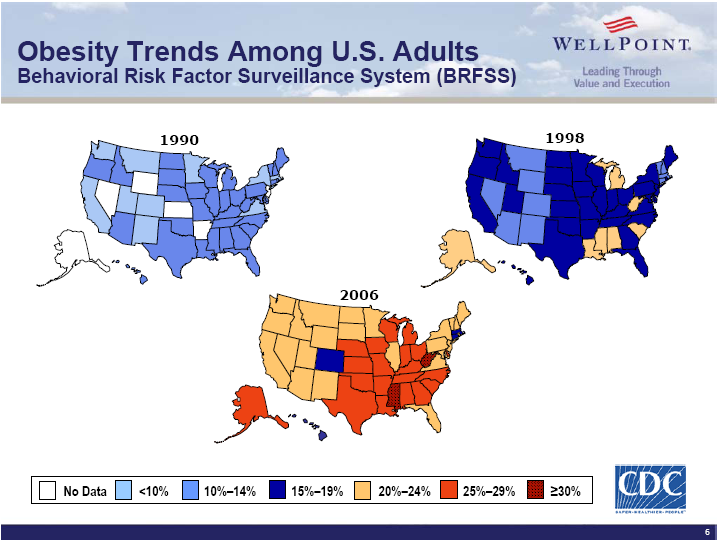
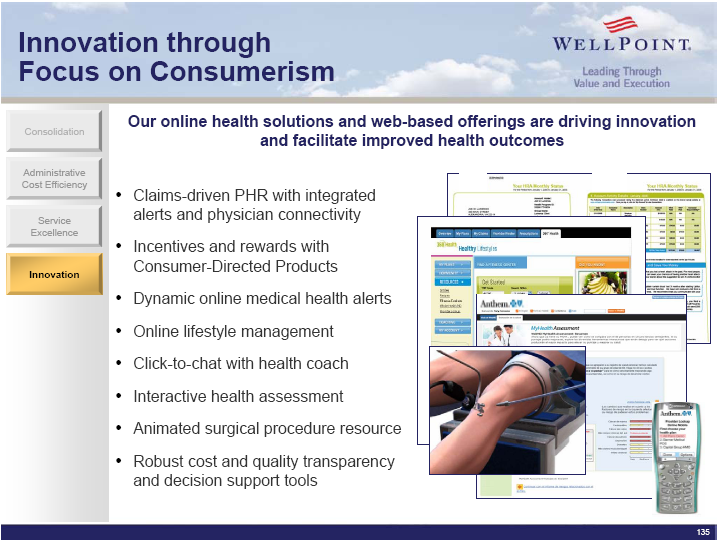
      I was looking at a Wellpoint investor presentation and picked a few slides to pull out. It is definitely an interesting read to see all the things they are doing and how they approach the market. The first one talks about the prevalence of chronic diseases. The second about the obesity trend, and the third about some of their activities around consumerism.

      wellpoint-chronic-disease.pngwellpoint-obesity.pngwellpoint-consumerism.png

      IBM HC 2015 – Win-Win or Lose-Lose

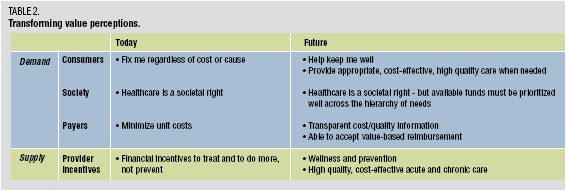
      I skimmed another IBM publication today which I thought was a great piece – IBM Healthcare 2015: Win-win or lose-lose?. (A little long at ~70 pages, but good with concise charts.) It talks about what healthcare has to do to survive and create a win-win model. It looks at it from multiple perspectives – payor, provider, consumer, and supplier. They also do a good job of describing several unique models around the world and talking about several trends here in the US.

      Here are a few quotes, facts, and charts from the publication which should tempt you to go read it…(note: I am not going to show all their sources, but you can get them from their publication.)

      “The United States spends 22 percent more than second-ranked Luxembourg, 49 percent more than third-ranked Switzerland on healthcare per capita, and 2.4 times the average of the other OECD countries. Yet, the World Health Organization ranks it 37th in overall health system performance.

      In Ontario, Canada’s most populous province, healthcare will account for 50 percent of governmental spending by 2011, two-thirds by 2017, and 100 percent by 2026.

      In China, 39 percent of the rural population and 36 percent of urban population cannot afford professional medical treatment despite the success of the country’s economic and social reforms over the past 25 years.

      Approximately 80 percent of coronary heart disease, up to 90 percent of type 2 diabetes, and more than half of cancers could be prevented through lifestyle changes, such as proper diet and exercise.

      Preventable medical errors kill the equivalent of more than a jumbo jet full of people every day in the US and about 25 people per day in Australia.”

      Table on IBM’s recommendations by stakeholder for what has to happen to transform to a value-based healthcare system (win-win).
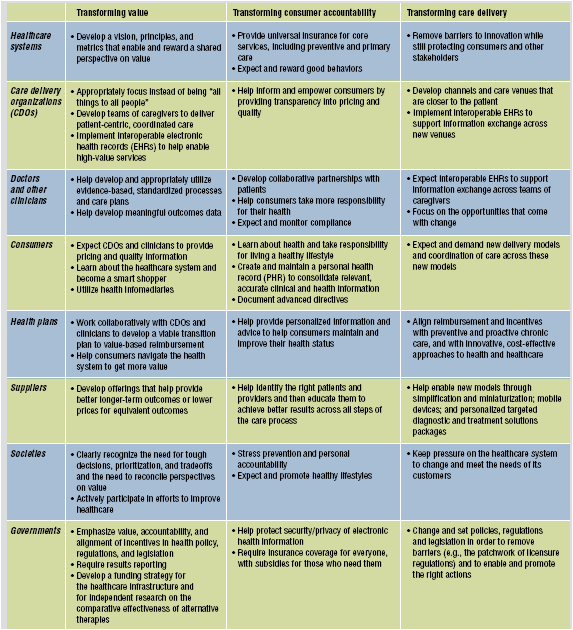
      ibm-table-1-on-change.png

      IBM chart pointing out the obesity issue’s growth
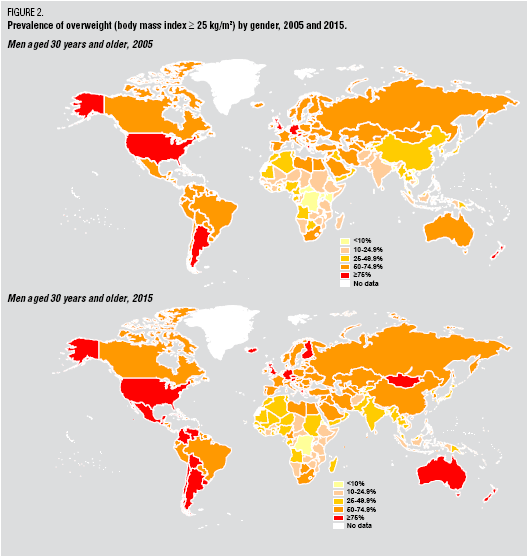
      ibm-on-obesity-trend.png

      They talk a lot about the current system’s focus on episodic care while the problem is chronic disease.
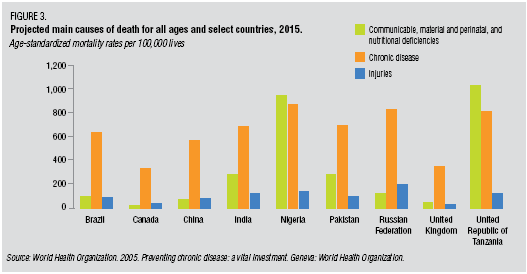
      ibm-3-chronic-disease.png

      You will see lots of the buzzwords we hear today (transparency, empowerment, consumerism, infomediary, value-based) throughout the article, but they are delivered with facts and anecdotes to support their perspective.

      ibm-4-transforming-health.png

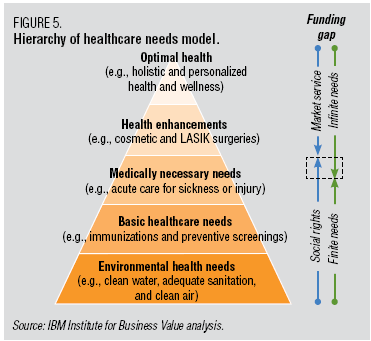
      I could go on, but I will leave it with a nice adaptation of Maslow’s Hierarchy of Needs which they present around healthcare.

      ibm-healthcare-hierarchy-of-needs.png

      You will find information in here around telemedicine, retail medicine, health tourism, and they tee up some of the hard discussions about when is it too much. How much should we spend (individually or as a society)? What expectations should we have? A lot of it requires a different mindset for all the constituents. This would be a good read for the presidential candidates.

      Medco Medicare Plan Options 2008

      This came out a few months ago, but I am digging out while stuck in Philadelphia waiting for my 11pm flight which is delayed until 1am which means I should get to my hotel in Hartford almost 24 hours after I woke up this morning on the west coast.

      On October 1st, Medco unveiled their new plan which has three different options for seniors for Medicare Part D:

      • Access plan – a $0 deductible plan with copays for chronic medications available for as little as $2 for a 30-day supply (when purchasing a 90-day supply of a generic medication via mail), and generics coverage in the coverage gap;
      • Choice plan – which features a $0 deductible, $2 for a 30-day supply (when purchasing a 90-day supply of a generic medication via mail), and access to more than 3,400 prescription drugs;
      • Value plan – a low premium plan with access to thousands of medications including generic, brand name and specialty drugs.

      “We’ve asked seniors what they want from a drug plan and they responded with value, choice and access – so that is what we’re committed to providing.” David B. Snow Jr., Medco chairman and CEO

      Medco also talks up their Therapeutic Resource Centers as a feature of the offering. These are pharmacies that are focused on one disease state such as diabetes, cancer, cardiovascular disease, and pulmonary conditions. The pharmacists receive special training in the chronic conditions and can help patients to really understand their disease and prescription options. They also offer Medicare Advisors which was a new offering that I hadn’t heard of. I am not sure if this is their MTM (medication therapy management) solution or another group, but the 24×7 access for consultation seems like a nice feature.

      They do talk about one thing which I have been surprised not to hear more people talk about which is alerts to members when they approach the gap in coverage (aka the donut hole) where the seniors have to pay for the full costs of their medications. I am still waiting to see someone come up with a plan to minimize this cost (e.g., manufacturer’s covering the cost for the patient as long as they have been loyal to their brand drug prior to hitting the donut hole). More information about Medco’s plans is available at www.medcomedicare.com.

      Consumerism Impact on Productivity

      Several years ago, I read an article in CFO magazine that talked about the drag on employee productivity that healthcare consumerism could have. I saw a factoid the other day that said that fantasy football could cost US organizations as much as $4,675,000,000 this season now that there are 13.6M fantasy footballers that devotes something like 2 hours per day to their teams. Now, of course 40% say that fantasy sports creates camaraderie, but I think there are cheaper options.

      So, I am surprised that I haven’t seen more about what happens to consumers and workplace productivity as patient own more responsibility. If I have to research quality and price and make more decisions, I am likely to use more time to do this which will drag over into my work time directly or indirectly. I would love to find a study of this if anyone has seen it.

      Incentives in Healthcare

      Will incentives be a focus in healthcare? Certainly in lots of other industries, they are a minimum requirement to play at the table – hotels, airlines, banking, consumer products, and casinos. Consumers expect them in many cases. One of the big challenges that any presidential candidate hoping to change healthcare will have to solve is alignment of incentives.

      There is lots of data out there validating this as a focus. In The Road Ahead: Emerging Trends in 2007
      by Hewitt Associates, they say that 48% of employers offer or plan to offer incentives to employees who participate in wellness or health related initiatives. Health plans have started to tier payments based on patient activities around wellness. Companies are paying patients to take HRAs (Health Risk Assessments) and results have shown that the more they pay the better the participation in taking HRAs.

      Wellpoint offers employers credits to offset deductibles when members engage in certain activities. Highmark has an outcomes program where members get points for taking classes and participating in other programs. And, IBM offers employees as much as $300 a year for exercising regularly and logging into the companies preventative-care website.

      On the other hand, companies like Target have used gift cards as an incentive to get patients to fill their prescriptions at the Target pharmacy for several years. Many companies have used copay waivers or $0 copay programs to encourage patients to try generic drugs. Earlier this year, Democrats in MN recommended giving publicly insured patients $20 gift cards for following their physician’s orders.

      Several traditional companies that have worked in other industries are focusing on healthcare. IncentOne is the one that appears to be the market leader with Hallmark Insights and Maritz quickly ramping up.

      So, when could you use an incentive:

      • If you’re an MCO, you could use incentives for:
        • Health Risk Assessments
        • Disease Management Program Engagement
        • Health Education Class Enrollment
        • Brand to Generic Programs
        • HEDIS Reminders
        • Multi-step Milestone-Oriented Wellness Programs (many employer-group driven)
        • Member Portal Registration or Utilization
        • Personal Health Record Registration
        • Product Design Surveys
        • Satisfaction Surveys
        • Refer a Friend Programs
      • And, if you’re a PBM, you could use incentives for:
        • Retail to Mail (or Specialty)
        • Retail to Retail (Limited Retail Network)
        • Brand to Generic
        • Brand to Preferred Brand
        • Rx to OTC
        • Dose Consolidation Programs
        • Pill Splitting
        • Cross Sell opportunities with supplies companies—transportation services, DME, etc
        • Refer a Friend

      Cariten Article on Silverlink

      There was a nice article in today’s Knoxville News Sentinel about a program that one of our clients did. The client is Cariten Healthcare, the insurance arm of Covenant Health. They used Silverlink to get a flu shot reminder out to their patients. The article includes several comments from Linda Lyle, VP of Operations.

      “The words may be recorded, but real thought went into the message.”

      “An effective way to get the message out in a timely manner.”

      She points out that it would have taken their live agents 100 days to get out the message which Silverlink did in six days. (contacting 44,000 people)

      The article also talks about the tweaking that they went through in trying to find the right voice. They are now using automated calls to seniors for other purposes (e.g., reminders for mammograms, cholesterol screenings and colonoscopies; brief information about diabetes and osteoporosis; a customer-satisfaction survey; and reminding patients with dual coverage to let them know).

      “There’s not currently a way to track how many members follow the messages’ advice, but numbers from another national company indicate Cariten is having a 73 percent “reach rate” among seniors, compared to a national average reach rate of around 40 percent.”

      Would You Pay for Disease Management?

      After landing (I often blog on the plane), I posted the last post about the Medicare pilot.  When I looked at my iGoogle page that tracks many of the blogs I watch, I saw a new posting on the WorldHealthCareBlog about Disease Management.  It is a good discussion on the value (if any) and talks about the different types of value (i.e., absenteeism versus lowering medical spend).

      With such ambiguity, I think I would think differently.  If you had $X to spend per year and you were responsible for your total healthcare spend, would you (a consumer) spend money on DM?  At least intuitively, I would…assuming I had a chronic disease which was high cost and complicated.  Having someone push me information, coach me on how to get better and/or manage the disease, helping me find resources, navigating my benefits, etc., seems like something of value.

      Obviously, there are lots of challenges here, and I think the current models often use too high cost of channels and don’t leverage technology.  At the same time, patients don’t have the same incentives today so they don’t necessarily always do what’s best for them.  (Think of all the people that still smoke given all the research that shows how bad it is for you.)

      Do Seniors Use Automated Calls?

      Without hesitation, that is the number one question I get from people in healthcare. Since seniors make up ~45% of the spend in healthcare, it would be difficult to promote a solution that didn’t work for that portion of the population. We have had some great success with the calls we have done around Medicare Part D and can provide a detailed set of data offline if you’re interested.

      Here are a few of the key observations:

      • If you use the Medicare Part D experience, you can see from the data that the CMS website was very busy during the week and much less so on the weekends. [Implying that the target population doesn’t use the Internet at home or had their caregivers or some public access facility helping them.]
      • If you compare the 800# for Medicare Part D to the website volume, it is 4-5x as high. [Implying seniors use the phone primarily.]
      • Comparing authentication by age for a refill program and a COB (coordination of benefits) program, the senior population (>64) responded best.
        • Authentication means people that received an automated phone call and confirmed that they were the intended recipient (“are you bill jones?”).
      • Once seniors started receiving the calls, they continued to be receptive over time to additional calls.
      • The likelihood of saying “repeat” during a call rose very slowly from 60 to 90 years of age.
        • On an automated call, the patient has the opportunity to say “repeat” to hear the prior message again.
      • We followed up on one call program and surveyed 70,000 seniors…95% said the messages were easy to understand and 91% said the calls were quick and helpful.
      • Seniors answer calls all day, but more at night. [Gives you a good option for smoothing inbound call volume or transfers from outbound call programs.]