Archive | Healthcare RSS feed for this section

Interview With BodyMedia CEO at mHealth Summit #mhs12

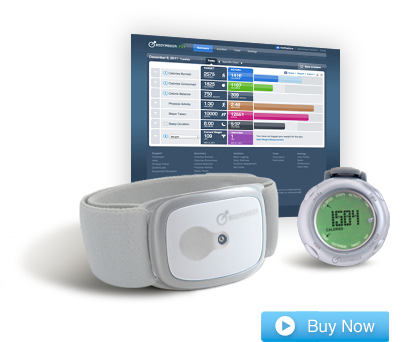
BodyMedia 1

Last week at the mHealth Summit in DC, I had a chance to sit down and visit with Christine Robins who is the CEO of BodyMedia. (see bio below)  One of the most exciting things (mentioned at the end) is their new disposable solution coming out.

Christine Robins is currently the Chief Executive Officer of BodyMedia, Inc., a pioneering market leader in wearable body monitors. BodyMedia’s devices are unparalleled in the marketplace, and equip professionals and consumers with rich information to manage a range of health conditions impacted by lifestyle choices.

Prior to joining BodyMedia, Christine was the CEO of Philips Oral Healthcare where she led the global Sonicare® brand to significant sales and share growth. Christine also has extensive experience in a wide range of marketing and finance capacities gained during her 17 years at S.C. Johnson, where she ran notable brands such as Raid® insecticides, Glade® air fresheners, and Aveeno® skin care. With this background rooted in global multi-national companies and an entrepreneurial zeal essential to lead a high technology upstart, Chris is passionate about developing turnaround strategies, building teams, and driving innovation.

A noted speaker, Christine has delivered presentations at universities such as Harvard, Stanford and Duke, as well as keynotes at industry shows such as the Consumer Electronics Show, Health 2.0 and CTIA. She holds a degree in Marketing and Finance from the University of Wisconsin-Madison and an MBA from Marquette University.

If you’re not familiar with BodyMedia, it’s definitely a company to know from a Quantified Self perspective. They have been around since 1999 providing solutions and have 150 global studies about the effectiveness of their devices in weight loss (see one chart below). The devices that they use continue to get smaller and smaller with time and are registered with the FDA as Class II medical devices.

clinical charts_2012_updated

Their devices track 5,000 data points per minute using 4 different sensors. Here are a few screen shots from the mobile apps that they have.

bodymedia iOS 3

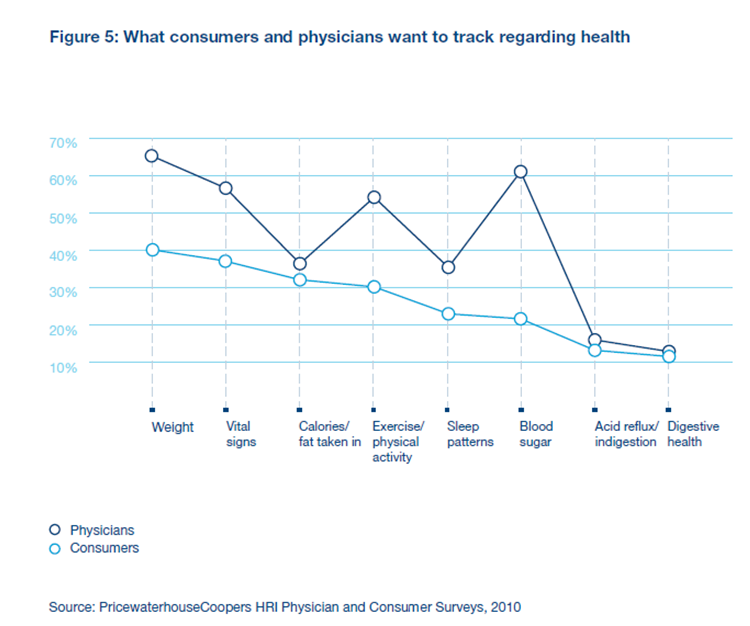
And, as you can see, they map well to the chart below which shows what data consumers and physicians want to track with weight, calories, physical activity, and sleep patterns.
Quantified Self 2

For food tracking, they work with MyFitnessPal which provides them with data on products you eat. I think a good example can be seen in this screen shot from the Android app.
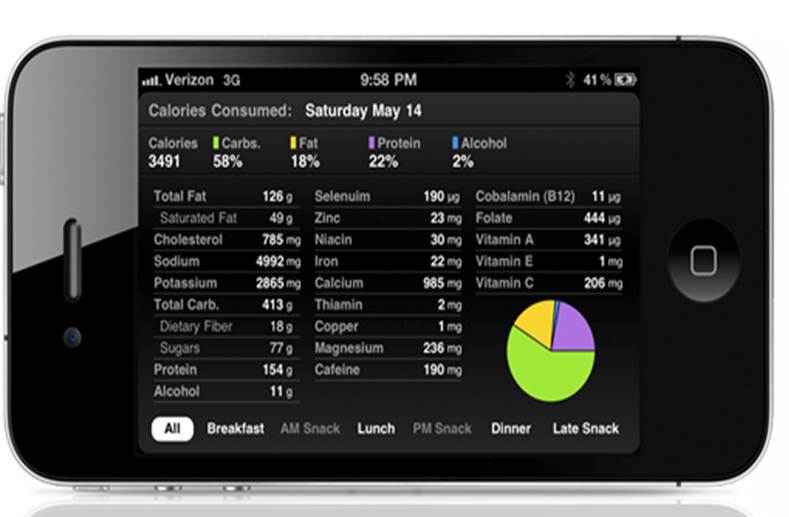
bodymedia 4

But, honestly, a lot of what I was really intrigued by was a new offering they’re rolling out called the “PATCH” which will be a 7-day, disposable body monitoring system that does everything the full blown system does. I don’t know the price point yet, but this is really exciting as a way to pull new people into the market and to use as a strategy for setting a baseline with a patient to understand their data. It could then lead to recommendations around disease management.

Another thing that Christine talked about was they’re approach to partnering with places like the Biggest Loser and other to allow for a customized content approach to your messaging from the system. She also showed me how the device will project where you will end up at the end of the day based on your past history.

They also have a module for a coach or weight loss professional to help manage and view data across all the people they’re working with.

(And, I just grabbed this image from their website since it points out the 3 key things to weight loss.)

iBlueButton Interview At The mHealth Summit #mhs12

I had a chance to sit down and do several interviews at the mHealth Summit earlier this week in DC. I’m slow to get my interviews posted, but they were all very interesting.

One of the best was with Dr. Bettina Experton (see bio below) of Humetrix. I will admit that reading about iBlueButton doesn’t do it justice. I was confused as to what they were trying to do and why it won an award. And, while explanatory after the fact, I found the graphic below intimidating as a consumer before talking with her.

[For those of you that don’t know what BlueButton is, you should go research it here.]

Dr. Experton explained to me how broad the BlueButton initiative now is. I only knew that CMS was using it, but apparently, there are now 200 plans also using it including Aetna, United Healthcare, and Humana. What Humetrix focused on for this offering was the mobile empowerment of BlueButton allowing the patient to have control of their information in the iOS platform (i.e., your Apple products – iPhone, iPad). They provide a tool for downloading and encrypting the data – prescription, medical claims, lab, and procedures.

iBlueButton

Of course, if you’ve ever seen what this data looks like in the raw form, this wouldn’t seem very helpful. Most of us wouldn’t know what to do with this. But, as Dr. Experton showed me, they’ve rendered the data in a great GUI (graphic user interface) that really brings it to life in a readable and understandable format. For example, they translate the NDC code (used for prescriptions) into the drug name with the chemical name and the dosage. The GUI is very iPod like in terms of simplicity and ease of use.

iBlueButton 2

The iBlueButton app even will pull in patient self-reported data from a PHR (personal health record) and show it in a different color and different section so the provider can understand the sources. Of course, this was another point of confusion for me before we talked which was how would a physician get this and what would they do with it. She showed me a demonstration of the patient opting to share their data and records with the provider in real-time. Of course, this assumes the provider’s office and/or the physician is actually using a device in the presence of the patient, but we know that is changing quickly these days. (See article on survey about MD use of iPad / iPhone.) So, with their tool, I can now store and share my data. The challenge still is integrating this data into the physician’s EMR (electronic medical record), but the iBlueButton app on the provider’s device can do this. It can also print it for those physicians who still want to see the printout in their paper file.

Another thing that you see in the second set of screen shots above is that you can start to report on whether you’re using the prescriptions still that it shows you on. Assuming patients engage, this would be a great tool for medication reconciliation and adherence discussions.

I’m not the Meaningful Use expert, but Dr. Experton pointed out to me that all of this is important since meaningful use requires viewing, downloading, and transmitting capabilities. They provide all of these.

I definitely plan to download iBlueButton and my data, and I hope to use this as a tool to reinforce why any claims provider should be offering you BlueButton access to your data. This is definitely a company to watch.

Bettina Experton, M.D., M.P.H.
President & CEO

Dr. Experton is the founder, President and CEO of Humetrix which she has led over the last 15 years on the HIT innovation path starting with the development of health risk appraisals, chronic care management software, and since the early 2000s with the development of novel mobile device-based solutions which have been deployed worldwide. A physician with over 20 years of healthcare informatics experience, Dr. Experton is the author of multiple information technology patents. At Humetrix, Dr. Experton also conducted groundbreaking health services research on the frail elderly which led to major federal legislation in the area of Medicare and managed care, and has been a national healthcare policy advisor in the US, China, and France. As a healthcare IT advisor to the French Ministry of Health, she made important contributions to the design of the newly launched French government sponsored single web-based individual health record with smart card access made available to French citizens and their physicians. Dr. Experton is an Adjunct Professor of Medicine at the University of California at San Diego, School of Medicine and a permanent member of the Faculty of the School of Medicine in Paris, after graduating Summa Cum Laude where she completed her training in Internal Medicine. In California, Dr. Experton received a Master’s degree in Public Health with a major in epidemiology from Loma Linda University School of Public Health, completed a Pediatrics internship at University of California Davis Medical Center and a Public Health residency with the State of California Department of Health Services.

What I Learned Day One at the mHealth Summit #mhs12

I only had time to attend one day of the mHealth Summit in DC. Overall, it seemed like a well attended event with a good vendor area.

But, what I saw left me with concerns about the maturity of the space.

1. Every vendor has their own portal. There was no idea of convergence or sensitivity to the care manager or provider or patient having to access multiple sites to collect data. Of course, there were a few exceptions.

2. There’s still some heavy lifting for the consumer, but it’s getting better. For example, one food application lets you scan in your food but that calorie counter isn’t integrated into any activity monitor. Another application was trying to monitor social activity for part of their depression algorithm but they weren’t leveraging the data sitting on the phone itself – numbers of calls, movement, etc.

3. There are some really creative solutions being tried but the scale of the studies is small. I was excited to see what was being done with obesity, but the case studies were less than 150 participants.

4. There are a lot of non-healthcare people jumping in which is great from an innovation perspective, but healthcare is tricky and making sure to apply consumer literacy filters to the clinical guidance you get is important. For example, I asked one vendor why he had several chronic diseases covered but ignored high cholesterol. He pointed out that he had a heart disease component, but IMHO I don’t know many people with high cholesterol that would self select into heart disease.

On the other hand, there were some really positive things.

1. The user interface on a lot of these is very elegant.

2. The devices are getting smaller and smaller with a few disposables on the way.

3. The data captured and reporting is really interesting and insightful although I’m not sure how it will all be used by patients, physicians, or companies.

4. Technology is much more scalable than people centric strategies which is critical in the US and globally.

5. Several companies really get it and are focused on device neutral approaches for capturing and disseminating data.

Overall, it reminded me of some of my concerns about the Health 2.0 movement a few years ago in terms of business models and distribution models. But, keep the innovation coming. It’s fascinating and thought provoking. But, there will definitely be a shakeout in the years to come.

My Top 11 Healthcare Predictions For 2013

It’s always fun to predict what will happen in the next year. No one is ever right, but you can hope to be directionally correct. With that in mind, here’s a few of my thoughts for what will happen in 2013…

  1. Reform (PPACA aka ObamaCare) will happen. While the Republicans will fight it, with Obama’s re-election and the Supreme Court decision. Reform will continue to happen. The states will mess up the Exchanges which will create many issues, but private exchanges will come to the “rescue”.
  2. Big Data” will be a focus at every healthcare company. What data to store? How to mine the data? What data to integrate? How to bring in unstructured data such as physician’s notes? What to do with consumer reported and consumer tracked data from all the different devices?
  3. Physicians will emerge back in the power seat. With Accountable Care Organizations and Patient Centered Medical Homes, consumers are finally becoming more aware of all the shortcomings in our sick care system. They trust their physicians although somewhat blindly given ongoing challenges with evidence-based care and quality which are often the result of our Fee For Service system (too little time) combined with an abundance of new research happening concurrently.
  4. mHealth will be the buzz word and exciting space as entrepreneurs from outside healthcare and people with personal healthcare experiences will attempt to capitalize on the technology gap and chaos within the health system. This will create lots of innovation, but adoption will lag as consumers struggle with 15,000+ apps and the sickest patients (often older patients) are the slowest to adopt.
  5. Device proliferation will go hand in hand with mHealth and with the Quantified Self movement. This will create general health devices, fitness devices, diabetes solutions, hypertension solutions, and many other devices for wellness and home monitoring for elderly patients. Like mHealth, this will foster lots of innovation but be overwhelming for consumers and lead to opportunities for device agnostic solutions for capturing data and integrating that data for payors and providers to use.
  6. The focus on incentives will shift in two ways. Technology vendors will begin to look more and more at the gamification of healthcare and how to use gaming theory and technology to drive initial and sustained engagement. At the same time, the recent ruling will allow employers to shift from rewards to “penalties” in the form of premium differentials where patients who don’t do certain things such as take biometric screenings or engage with a case manager will pay more. In 2014 and 2015, this shift will be from penalties with activity to penalties tied to outcomes.
  7. Consumer based testing will drive greater regulation. With the focus on home based testing (e.g., HIV or High Cholesterol) and the increased interest in genetic testing especially when tied to a medication, the FDA and other government agencies will have to address this market with new regulations to close gaps such as life insurance companies being able to force disclosure of genetic testing in order to get coverage (even though the testing isn’t necessarily deterministic).
  8. Clinics will prepare for 2014. With the increase number of consumers being covered in 2014, there will be an access challenge for patients to see a provider. This will drive buildout and utilization of health clinics such as TakeCare or MinuteClinic. Clinics will have to look at how to adapt their workflow to create a patient relationship which will create potential integration points with TeleHealth and bring back up the issue of whether they should or could replace the traditional Primary Care Provider (PCP) relationship or not.
  9. Telemedicine will hit a tipping point and begin to Cross the Chasm. They now have better technology and adoption within major employers. This will start to create more and more business cases and social awareness of the solution. With utilization, we will see great adoption and the increasing use of smart phones for healthcare will drive telemedicine into an accelerated growth stage.
  10. Transparency solutions will continue to be a hot area with CastLight and Change Healthcare leading the way. Their independence and consumer engagement approaches based on critical moments (i.e., pointing out how to save money on Rxs just before a refill) and using multiple channels will show high ROI which will also increase broader healthcare awareness making them part of the population health solution.
  11. Generics will no longer be a talked about issue. With generic fill rates running so high across different groups and being front page news, PBMs, pharmacies, and pharma will truly begin to move forward to embrace the specialty market with a clear vengeance (at least in the US).

There are still a few longer term trends that I’m watching, but I don’t think that 2013 is the primary year for them.

  1. The evolving role of pharmacists within the Medical Home and with vaccines.
  2. A significant shift from mail order to 90-day at retail fulfilled by massive central fill facilities.
  3. Pharma co-opetition where they begin to collaborate at the disease state level realizing the a rising tide is good for all boats.
  4. Integration of data from all types of solutions and actions into workflow triggers that automatically create new events within the care management infrastructure using Service Oriented Architecture and Business Process Management.

The Architecture Of The Hospital – It’s Therapeutic

If you read my interview with Michael Graves, it might have started your mind thinking about any of your visits to the hospital and all the problems you encounter. While many architects I’ve known have focused on the healthcare business over the years, I think it’s interesting to see the discussions of this topic move into more mainstream literature.

I was reading Fast Company’s article called Spaces That Heal which talks about redesigning hospitals (and it’s not their first article on this topic). It had several interesting points:

  • Future rooms may all be private. (Thank goodness! And, studies show that you get more infections in rooms with other people.)
  • These future rooms may move from being high tech clinically to being high tech for the consumer – moving shades, controlling the temperature, interactive walls for TV and Internet.
  • While a lot of research to support this has been out there for years, it’s finally been the CMS shift in focus to patient satisfaction (i.e., experience) which is making this happen.
  • Colors, shapes, art, and layout can all contribute not only to the experience but actually to health outcomes and recovery.

The article talks about HOK (where I did an architecture internship) and their project with the University Medical Center of Princeton to create a new patient room layout.

A related article goes on to provide more on the research on this topic…

Although architecture and design substantially contribute to patient and staff safety, efficiency, reduced infections, reduced patient falls, and improve patient and staff interactions, it has been found that music, aroma, and access to nature can alleviate stress for patients, families, and staff. Hospitals are increasingly providing access to green spaces or gardens, which have been proven to reduce stress (reducing blood pressure) and improve patient satisfaction for patients, families, and staff. Even viewing nature and trees has been shown to reduce hospital length of stay and result in fewer medications for patients.

FitBit One Goes To The Gym – Last Challenge

I’ve shared a few tests with you about my FitBit One which included comparisons against my Garmin and versus a pedometer. Today, I got to take it to the gym with me and tested it for distance and calorie count relative to several pieces of equipment from LifeFitness – treadmill, stationary bike, and elliptical. For the treadmill, I also looked it two ways: (1) running at an 8 minute mile pace and (2) walking at a 15 minute mile pace at a 15% slope.

As you can see before, the FitBit was much better aligned on distance with the treadmill, but it was not as aligned on calorie count. I’m have no hypothesis here. I will say that I was surprised that the uphill walking didn’t somehow register as steps. I say that because I went on an outside run the other day up and down hills, and the FitBit did a great job of tracking my uphill runs and translating that into floors climbed.

As a side note, I think this does a nice job (if you believe the equipment calorie count) on showing how a slow walk up a steep slope can burn lots of calories compared to a fast run.

Stay Moving Avoid Sitting Disease

A clinician was talking to me he other day about “sitting disease“. They said that our increasingly sedentary lifestyles are causing all kinds of problems – not least of them being obesity.

With that in mind, I thought I’d share this article and Infographic…

Office workers can exercise at their desk to get into better shape

Stuck working in an office with no time to hit the gym on a regular basis? There are ways to burn off a few calories during office hours, says Selen Razon, a physical education professor at Ball State.

“Studies have shown that long periods of inactivity — including sitting at your desk — increase the risk of cardiovascular disease and cancer,” she says. “I suggest that people do a few simple exercises to get their bodies moving and then stretching and toning at your desk. Moving a little goes a long way.”

Razon suggests:
• Start exercising before arriving at your desk by first parking your car as far away from the building as possible and then walking.
• Take the stairs whenever possible.
• Do exercises at your desk, including flexing arms, legs and abs on 30-second intervals.
• Get rid of a chair and sit on a medicine/fitness ball while working. Sitting on a ball will tone and strengthen your abs.
• Stand up and/or take short walks every 20 minutes at desk. Studies show even simple frequent standing breaks significantly decrease your chances of getting diabetes.
• Exchange the typical desk for one that allows you to stand, which burns more calories.
• Bring gadgets to the office. Hand grippers and stretch cords are relatively cheap and can provide great outlets for keeping active while you look at your screen.

FitBit vs Garmin – Test #2

As I mentioned, I got my new FitBit One the other day. I’ve been experimenting with it each day. Yesterday, I showed how it performed versus a pedometer. Today, I focused on how it performed versus my Garmin Forerunner watch that I use to track my distance and speed when running outside. While the data relative to the pedometer was pretty similar, there was a 15-16% discrepancy between the FitBit and my Garmin.

According to the Garmin, the FitBit was underestimating my distance traveled. To validate the distance, I also used www.walkjogrun.net to calculate the distance (which they estimated to be 0.82 miles).

At the same time, I also wanted to see if there was a difference between just having it sitting in the bottom of my pocket versus putting it on my belt loop. Location didn’t seem to matter.


(Note: This chart shows distance in miles.)

FitBit vs. Pedometer – Test One

I’ve been enjoying the FitBit One for a few days now.  I decided there were a few tests that I’d like to do.  The first one was to compare it to the step count from a pedometer that I’ve had. 

It hasn’t been a highly active day (as I’ve been working from my home office), but there doesn’t seem to be much of a difference. 

Kroger Expansion – Digital, Physical, Strategic, and Specialty Pharma … Oh My!

Since one of my first jobs was at Kroger, I’ve always been intrigued to see what happens with them. (I can even still go back almost 30 years later and still have some of the General Managers at my old store come out and remember me.) So, I was initially intrigued a few weeks ago when the story came out in Drug Store News about their expansion plans.

“Over the course of a day-long investor conference Tuesday, Kroger outlined its future growth strategy. Across its physical store base, Kroger plans to enter one or two as-yet-to-be-named new markets along with boosting presence in existing markets. But Kroger also has significant designs on the multichannel consumer, and outlined for analysts the grocer’s plan to grow its marketshare across the digital landscape as well.”

Kroger has several interesting assets to leverage:

Now, with today’s announcement, they’ve made a jump into the Specialty Pharmacy Space with their acquisition of Axium. It begs the question of what they want to be – a grocer with a pharmacy, a pharmacy with groceries, a health destination, or something new.

Looking at some JD Powers data from 2010, they are positioned in the middle of the pack from a pharmacy satisfaction perspective.

On the other hand, if I look at their positioning from Bruce Tempkin’s analysis, they score well.

I have to believe there’s some great opportunity here. I’m a big believer that the retail assets create large opportunities for them to play in the broader healthcare market.

  • They have broad hours (in some cases 24/7).
  • They are natural destinations for people.
  • They can host clinics.
  • They already have pharmacies.
  • They have food which is a critical part of addressing obesity and for certain conditions like hypertension and diabetes.
  • They have patient specific data around things like home monitoring tests, food products, OTCs, and other products.
  • They are generally located in easy access locations.
  • They have good brand equity.

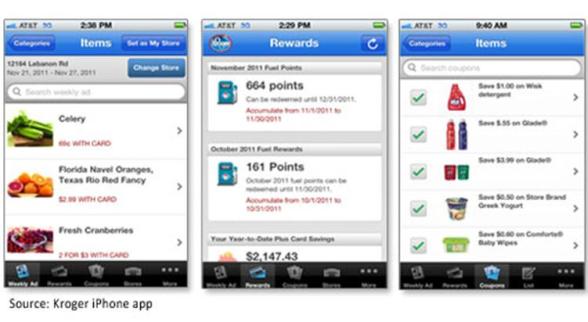
For example, just look at this press release from Target from a few years ago. This is a broad vision (that I’ve never heard or seen in the market). On the flipside, we know that CVS, Walgreens, and WalMart are spending considerable efforts trying to really “own” this space with their teams. We also know that specialty pharmacy (and even pharma in general) is trying to see how it gets out of its box and become broader players in the health continuum looking beyond just drugs to actual outcomes. (This is why healthcare is so exciting right now!)

My Fitbit One Has Arrived – Challengers?

I’m a big believer in the idea of connected devices – Quantified Self movement.  While I’d love to track my data via manual input, that comes and goes.  So, over the summer, I began thinking about a device to use.  There are lots of them out there, but I’lll admit that it was hard to determine which one would be best (see one review):

For me, I decided there were several criteria:

  1. Able to track multiple activities – walking, running, biking, and steps.  (in terms of calories and raw numbers)
  2. Easy mobile and web interfaces with wireless integration.  (Mac and PC)
  3. APIs for connecting into other applications.
  4. Battery life.

I didn’t spend much time looking at the communities associated with each and how they work to motivate you to exercise.  I do think that’s important.

I also like the Striiv game idea where you earn points based on your activities (badges) to unlock more things in a virtual world.  For gamers and others, this plays into the “gamification” trends.


Did I pick right?  We’ll know soon, and I’ll give you an update.  But, I certainly welcome challengers.  (If you want me to try your device and compare it, let me know.)

1/3rd Of Diabetes Develop Chronic Kidney Disease #WorldDiabetesDay

With 347M diabetics worldwide and another 79M in the US alone with pre-diabetes, we hear a lot about this condition, and its cost impact. But, I’m always surprised that there’s not more focus on the fact that 1/3rd of diabetics will develop Chronic Kidney Disease (CKD). CKD is a progressive condition for most patients where they eventually end up on dialysis which is very expensive and has a significant impact on patient’s quality of life.

So what can diabetics do to avoid developing CKD:

  • Control your blood sugar level
  • Keep blood pressure under control
  • Check your blood pressure as often as your doctor recommends
  • Ask your doctor to test you for kidney disease at least once each year
  • Take medicines to help control your blood glucose, cholesterol, and blood pressure if your doctor orders them for you
  • Follow your diet for diabetes
  • Get regular exercise
  • Avoid alcohol
  • Do not smoke
  • See your doctor as often as you are told

Is War A Good Framework For Addressing Cancer?

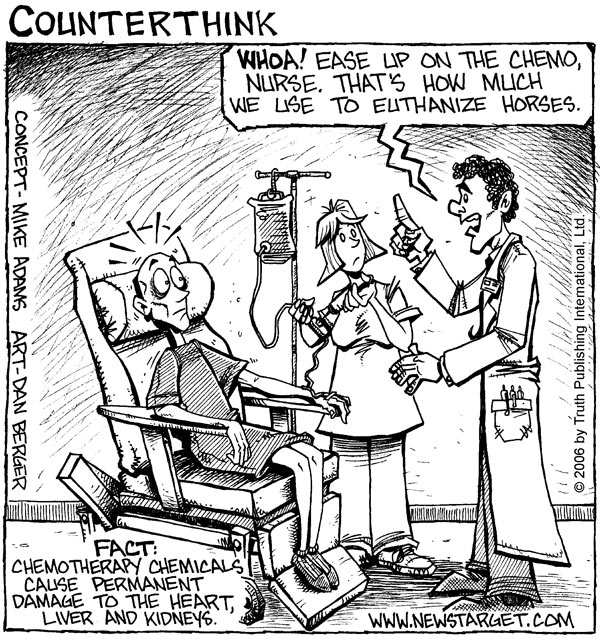
A physician asked me this a few months ago, and I thought it was a great point.  We were discussing the fact that there are often times when we (the medical institution) may try too hard to “cure cancer” (see some of the points in my post about palliative care).  When it’s viewed as a war that has to be won, it may be that too much effort is spent to beat cancer into remission rather than thinking about the patient’s experience.  (see cartoon from naturalnews.com below)

A friend game me this example…While his brother’s cancer was in remission, the toll of the chemo and the other treatments was so much that he was never able to work again.  The patient would have preferred to be able to work a few more years and die of cancer, but that discussion never happened. 

In general, I believe most physicians would consider this a failure.  They’re taught to “beat” the disease not to back off and let the disease “win”.  But, I often hear about the “war on cancer“. 

Even after 40 years, we still have a large amount of annual deaths from cancer. 

Infographic: Obesity

Unfortunately, I don’t think a lot of this will surprise many of you, but it’s scary to think about the impact of obesity across different industries.  For some of them this is big business.  And, while I don’t think employers have fully realized how to focus on this from a “wellness” or “disease management” perspective, I think that will change. 

What Is My Maximum Heart Rate?

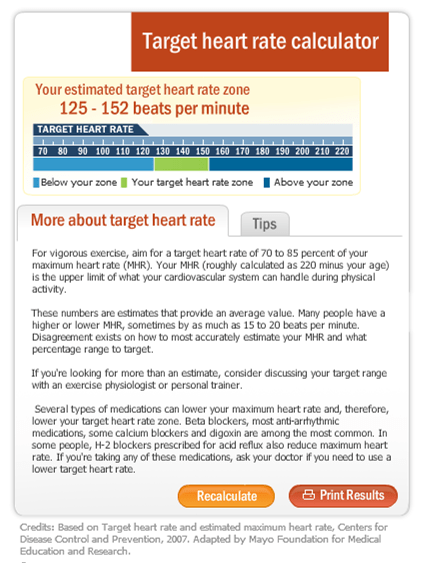
If you’re like me, you get on the treadmill or other exercise equipment at the gym and see it talk about exercising at X% of your maximum heart rate. Or, you get a heart rate reading on the device and wonder what it means.

It appears that the simple answer is to take 220 minus your age. For example, if you’re 30, then your maximum heart rate would be 90.

Now, when I plugged my age into a Mayo Clinic site, it shows me all the caveats about this answer.

Is Your Specialty Pharmacy A Dispenser, An Advocate, Or An Innovator?

Specialty drugs are expected to represent 40% of total Rx spend by 2020 so guess what…they’re the focus. Generic Rxs represent 80% of the oral drugs dispensed today and are low cost. PBMs, pharmacies, and payors are and should be focusing on specialty drugs.

Of course, this is driving a shift towards price compression and medical management types of functions like PA, UM, ST, case management, and even disease management.

So…what should your specialty pharmacy be focused on?

  1. Integrating medical and pharmacy benefits and data (a lot easier said than done as many have tried and failed).
  2. Using technology to engage physicians including social media, iPad apps, and EMRs.
  3. Providing a holistic solution that enables patients to self-manage, understand their disease, and improve their adherence to minimize waste and improve outcomes.
  4. Work with providers to be part of the broader care team and subsequently the shift to P4P (pay-for-performance) from FFS (fee for service).

I think this is going to require a tighter coupling of population health companies with specialty pharmacies and potentially better leveraging pharma manufacturers as partners versus suppliers.

This is not just a cost challenge…this is about outcomes. I usually think of it in terms of “The Triple Aim” which is about cost, quality, and experience.

If you look at your specialty pharmacy partner, I think you could put them in 3 buckets:

  • Dispenser – Focused on operational metrics (TAT, ASA) and lowest cost dispensing.
  • Advocate – Focused on “hub” type services that address basic patient needs (mostly patient out-of-pocket costs) and look at pharmacy focused case management.
  • Innovator – Focused on using technology and data (medical, pharmacy, lab) to create differentiated outcomes through patient engagement, participating in the care team, and personalizing medicine.

9 Lessons From BlueZones

I got to see Dan Buettner, author of BlueZones, present a few times and love some of the insights from his research. The other day, there was a list of these nine lessons in USA Today:

  1. Move naturally
  2. Know your purpose
  3. Kick back
  4. Eat less
  5. Eat less meat
  6. Drink in moderation
  7. Have faith
  8. Power of love
  9. Stay social

It’s worth digging into his research if you’re looking at how to live longer.

Articles That Caught My Attention – mobile, mHealth, vaccines, gaming, social media

I’m getting a little backed up in terms of articles and ideas that caught my eye so I’m going to share a few of them here.

Using Gilligan To Drive Colonoscopies

While I do applaud the creative concept here, I wasn’t overly impressed with the creative itself.  At the end of the day, the question for me is results.  Did it pay for itself?  Did it get more people to get colonoscopies (in the target audience) than otherwise would have?  I’m unsure of that.

Here’s what I did find in a HealthLeaders article…At the end of the day, I’d want to compare that to a program we did at my last company for UHG in this area.

The campaign also netted 44 colonoscopy appointments. Of those 44 appointments, 13 were current Good Samaritan patients and 31 were new to the hospital. Forty-three of the 44 scheduled an appointment through the call center and one booked online. Of those who called, 27 cited the radio spot as how they found out about the service. More than half of the patients were in the target group of 50–59 year olds, with 24 female and 20 male.

Healthcare In 2020 – Best Book I’ve Read In A Long Time

Healthcare in 2020 by Steve Jacob is a great book. Lots of facts. Lots of relevant information. A quick read. Well referenced. If I could, I would send this to every client I’ve ever worked with to help them understand why changing healthcare is so important.

I’m going to share a handful of things from the book here. Even if I could provide you with a detailed summary, I wouldn’t. You need to read this book.

  • Estimated MD shortage by 2020 is >90,000 and nurse shortage is 600,000-1M.
  • A great quote from two bioethicists (Daniel Callahan and Sherwin Nuland):
    • The medical system’s “main achievements today consist of devising ways to marginally extend the lives of the very sick … for a relatively short period of time – at considerable expense and often causing serious suffering to (the patient)”.
  • Of the 30-year increase in US average life expectancy in the last century, only 5 years can be credited to advances in medical care. The rest is from public health measures.
  • The number of people 65+ will double to 1.3B globally by 2040 and the elderly will outnumber children <5 for the first time.
  • The percentage of people who work out 12 times a month dropped from 53% in 1988 to 43% (in 2009).
  • Doctors advise only about 1/3rd of their obese patients to lose weight.
  • The most frequently reported “moderate activities” by US adults are food and drink preparation and lawn and garden care. [Not particularly high on the calorie burning schedule.]
  • Nearly 3 out of 4 cancer deaths are attributable to smoking.
  • In a 2009 report, about 75% of adults 17-24 were ineligible for the military because they had:
    • Failed to graduate high school
    • Were physically unfit or
    • Had a criminal record
  • 1 of 3 homes in US metro areas have at least one problem that can harm health:
    • Water leaks
    • Peeling paint
    • Rodent infestations
  • Cancer screenings find lots of pseudo-disease – i.e., abnormalities that meet the criteria of being cancerous but will never grow to become harmful.
  • Surveys show a lack of participation in programs:
    • ½ hadn’t been screened for colon cancer.
    • Only 7% used nurse help lines
    • <5% of people eligible used smoking cessation or weight management programs
    • 3 of 4 people didn’t get a flu shot
  • Use of decision aids has reduced rates of major elective surgery by ¼ without affecting patient outcomes or satisfaction.
  • A physician would need to practice 18 hours a day to provide all the recommended preventative and chronic disease controls to their patients.
  • A 2005 study found that nonclinical staff does the most effective job of managing patients with diabetes.
  • Per the IOM 2005 report, 30-40% of healthcare spending represented “overuse, underuse, misuse, duplication, system failures, unnecessary repetition, poor communication, and inefficiency.”
  • The FBI estimates that 3-10% of healthcare spending is lost to fraud.
  • In a research study, parents with sick children saying they had Medicaid or CHIP coverage where turned down 2/3rds of times and had to wait 22 days longer for an appointment than those with private insurance.
  • About 40 US surgeries a week are performed on the wrong person or wrong body part.
  • 1/3rd of families lost most or all of their savings because of a terminal illness.

Some scary data points. This book was a great reinforcement of some of the projects I’ve been involved with trying to accomplish the Triple Aim – Quality, Cost, Experience.

10 Healthcare Trends To Monitor in 2013

I came across the chart below and thought I would post it with my perspective on trends for next year.

  1. “Accountable Care” in the form of CMS ACOs or Patient Centered Medical Homes will continue to expand.  I predict some companies will begin to provide the infrastructure such that providers don’t have to come up with the $2-4M in capital needed.
  2. Integrated “Big Data” looking at pharmacy, medical, lab, AND patient reported data AND physician EMR data will be the rage to mine and use in predictive models. 
  3. Consumer engagement around health will continue to be a huge focus.
  4. Obesity will continue to be an issue that people struggle with and employers begin to focus more actively on managing.
  5. mHealth in the form of mobile apps, connected devices, telemedicine, and remote monitoring will begin to move from the innovators to be a more standard component of the solutions with ROIs being more standard.
  6. The core components of health reform will remain (regardless of who wins) and the shift of people from underinsured and uninsured into the insured pool will finally be the tipping point for provider access and push growth in the clinics and telemedicine (video and phone) world. 
  7. Transparency will become something that consultants begin to mandate and try to get into contracts around pricing, claims auditing, and other services across the entire healthcare spectrum.
  8. Hospitals will continue to buy physicians and look at how they can play a more dominant regional role especially outside of the urban areas. 
  9. Consolidation will continue across all areas – providers, payers, pharmacy, pharma, technology.
  10. Investment in healthcare will continue to outpace other industries. 

Wired Health Survey

The same Wired article had some highlights from their Wired Health Survey. Here’s a few data points that caught my attention:

  1. How many caffeinated drinks do you consume a day?
    1. 0 = 16%
    2. 1-2 = 56%
    3. 3-4 = 22%
    4. 5-6 = 4%
    5. 6+ = 2%
  2. Most popular exercise types:
    1. Walking 62%
    2. Weight training 42%
    3. Running 37%
    4. Cycling 34%
    5. Yoga 21%
    6. Swimming 18%
  3. 73% of respondents take a supplement.
  4. On average, how many hours of sleep do you get each night?
    1. 3-4 = 2%
    2. 5-6 = 39%
    3. 7-8 = 55%
    4. 9-10 = 4%
  5. 78% of respondents say that tracking their personal health metrics has helped them reach their goals. (Quantified Self) Here’s what they track:
    1. Height or weight = 64%
    2. Fitness or activity level = 46%
    3. Blood pressure = 39%
    4. Cholesterol = 33%
    5. Heart rate = 28%
    6. Vision or hearing = 26%
    7. Sleep habits = 26%

The Wired Guide To Health

I was reading Wired Magazine (Oct 2012) last night, and I came across this article “Living By Numbers: The Wired Guide To Health”. It gives “18 data-driven ways to be happier, healthier, and even a little smarter.” In my words, it’s a nice cheat sheet of some basic things we should all know (and many of which I’ve blogged about over the years).

  1. Conserve your willpower: it runs out.
  2. Shorten your workouts. (high intensity interval training)
  3. Make a sport-specific playlist. Music is the ultimate motivator. Choose your workout tunes carefully.
  4. Learn to read a scientific report.
    1. Causation versus correlation
    2. True size of the effect
    3. Statistical power
    4. Conflicts of interest
  5. Don’t ignore data.
  6. Check your genome.
  7. Sleep or else.
  8. Know whether to caffeinate or nap.
  9. Be a discerning pill popper.
  10. Eat this meal. Load your plate for maximum nutrition not maximum taste. L
  11. Beware of food trends.
  12. Do the right things at the right time. (circadian rhythms affects sports)
  13. Heighten your senses with a call of duty. (gaming can make you quicker and more focused)
  14. Get to know your poop bugs.
  15. Dial in your happiness.
  16. Avoid unnecessary procedures.
  17. Get a standing desk.
  18. Learn to live longer. (Blue Zones)

Are You Part Of The Quantified Self “Movement”?

I’m not sure whether to call it a movement or a trend or some other term, but I think it’s very interesting.  This idea of capturing and tracking data manually and through devices fits very well with the idea of “Know Your Numbers” in healthcare.

Here’s the descriptionof Quantified Self from Wikipedia:

The Quantified Self is a movement to incorporate technology into data acquisition on aspects of a person’s daily life in terms of inputs (e.g. food consumed, quality of surrounding air), states (e.g. mood, arousal, blood oxygen levels), and performance (mental and physical).

The movement was started by Wired Magazine editors Gary Wolf and Kevin Kelly in 2007as “a collaboration of users and tool makers who share[d] an interest in self knowledge through self-tracking”. In 2010, Wolf spoke about the movement at TED, and in May 2011 the first international conference was held in Mountain View, California.

Quantified Self is also known as self-tracking, body data and life-hacking. It is described in articles such as this one in the Economist and this in Forbes.

With an increasing amount of devices on the market that can be integrated (e.g, FitBit), we will see a huge rise in remote patient monitoring where the patient takes a greater role in this effort.  Even know you are seeing more efforts to integrate devices into the “smart home” with a focus on older patients, but I think this smart home concept will continue to grow. 

This Slideshare presentation is a nice summary…


Stand Up To Cancer At World Series

If you were like me, you were surprised and impressed to see all the Stand Up To Cancer signs at last night’s World Series game in San Francisco. It was impressive, but it made me wonder who this company was. Here’s some text from one of their press releases.

Stand Up To Cancer (SU2C) — a program of the Entertainment Industry Foundation (EIF), a 501(c)3 charitable organization — raises funds to hasten the pace of groundbreaking translational research that can get new therapies to patients quickly and save lives. In the fall of 2007, a group of women whose lives have all been affected by cancer in profound ways began working together to marshal the resources of the media and entertainment industries in the fight against this disease.

SU2C’s “Dream Team” approach to funding translational cancer research enables scientists from different disciplines at research centers across the country and internationally to collaborate on projects geared toward getting new, less toxic treatments to patients as quickly as possible. Monies also support innovative cancer research projects that are often deemed “too risky” by conventional funding sources. Sixty-five institutions are currently involved. As SU2C’s scientific collaborator, the American Association for Cancer Research, led by a prestigious SU2C Scientific Advisory Committee, provides scientific oversight, expert review of the research projects and grants administration.

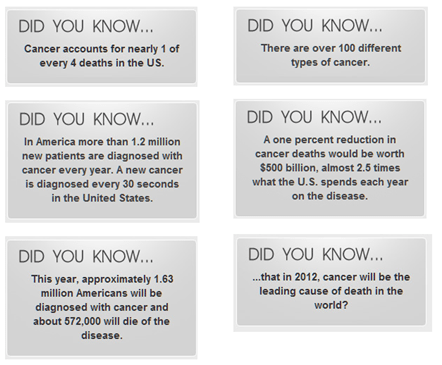
I also grabbed a screenshot of some of the factoids from their website:

Less Than 20% Trust A Pharmacist To Help Them Make Healthcare Decisions – Surprising?

Whenever you go to the pharmacy, they always ask you if you have questions and make you sign off that you were offered counseling.  It begs the question of whether anyone actually does.  I just got this survey data e-mailed to me, and I wanted to share it since it was surprising to me and from RxAlly

I also found it surprising that people don’t think their pharmacist can help them make healthcare decisions.  This is certainly relevant in the Medicare world where AARP and others have partnered with pharmacists traditionally.  Additionally, I think it limits some of the longer term opportunities for pharmacy, pharmacists, and PBMs.  I’ve always thought that given their frequency of patient intervention that there would be lots of opportunities to leverage the pharmacist at the POS to close care gaps and be very engaged in the overall care and driving health outcomes. 

Only 15 percent of U.S. adults have ever discussed a medication maintenance regimen with a pharmacist and only 49 percent have discussed any new medication with a pharmacist. Less than 20 percent (18%) of U.S. adults trust a pharmacist most to help guide and inform healthcare decisions for themselves and their families. A majority of people trust their doctor most (72%), followed by friends and family (36%), spouses or significant others (36%) and the internet (22%).

Source: RxAlly
http://rxally.com/rxally-news.html

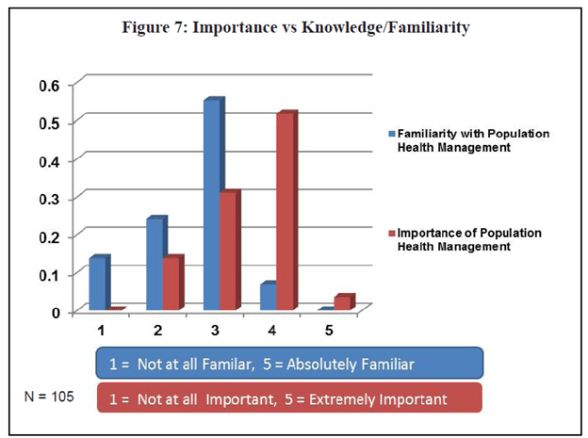
Familiarity vs Importance Provider Gap Around Population Health Management

The ideas around Population Health are certainly critical both to us as a country to eliminate the waste in our healthcare system, but they are also foundational in a move from a fee-for-service (FFS) environment to an outcomes-based payment model. Interesting, if you look at a study that was just released, it continues to show a disconnect within the provider community. (Study is Population Health Management In Physician Practice: A Call To Action.)

I believe some of this stems from the costs associated with the build out, integration, and use of these technologies in today’s environment. But, I think some of this stems from a broken connection between national policy, localized implementation, and payer coordination around key healthcare issues such as obesity.

The following paragraph from the same document is also very telling.

“With 72% of respondents reporting that they had either already adopted or were in the process of adoption a patient-centered model of care, it was interesting that only 19% of practices self-reported as Patient-Centered Medical Home (PCMH) and only 10% as an Accountable Care Organization (ACO). Considering the critical role that population health management will play in both types of practice models, the data suggest that while they are undertaking population health management initiatives, many practices may not yet be at a level of transformation to warrant presenting as PCMH or ACO at this point in time. Also interesting is that of the 11 practices that did self-report as ACO, only 5 of the 11 also reported as PCMH – showing again perhaps another disconnect or struggle with implementation and understanding. PCMH, after all, has been described as “foundational” to Accountable Care Organizations.”

A lot of this change won’t be done by physicians, but it was promising to hear in the same report that:

  • 96% of large provider practices employed Nurse Practitioners;
  • 70% employed Physician Assistants; and
  • 91% employed Care Coordinators.

So, how are those resources being used today? And, how do these resources get integrated into an overall care strategy for the patient? Are notes shared with external care managers? How do we find the right point person? How does an external payer team for MM coordinator with the local resources for something like discharge planning?