
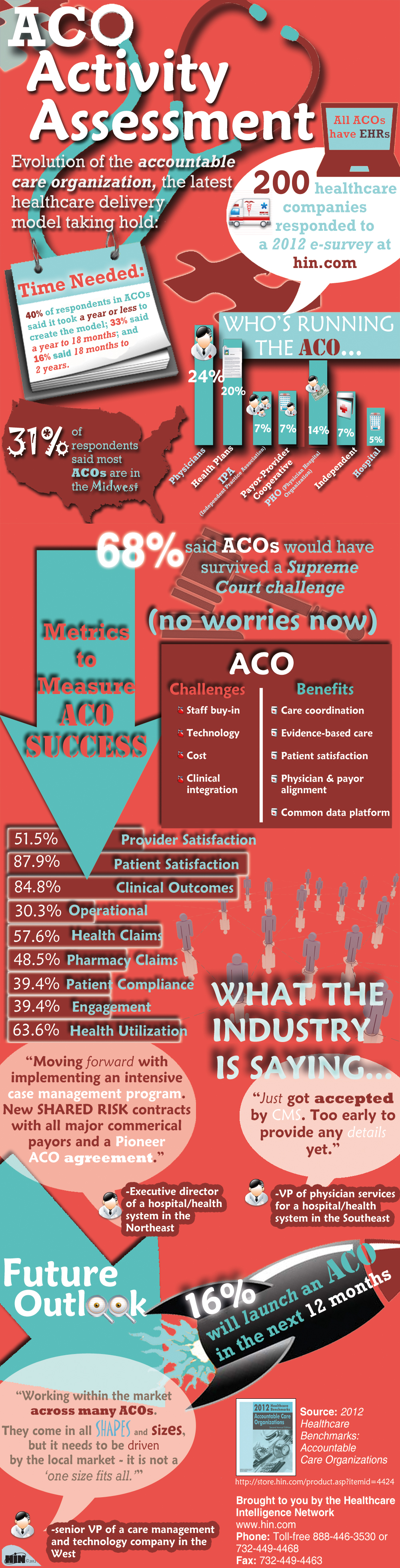
Here’s an infographic from some data on Accountable Care Organizations (ACOs) from Health Intelligence Network.
 August 23, 2012
  0 Comments
Here’s an infographic from some data on Accountable Care Organizations (ACOs) from Health Intelligence Network.
August 23, 2012 0 Comments
I was just skimming the Digital Dimension of Healthcare whitepaper which has as one of its authors – George Halvorson from Kaiser. There’s not a lot of new information in here if you’re well read on the space, but I like their framing of a fourth space for health delivery along with their two dimension matrix of opportunities.
The other piece that I’ll pull out here is the Six Principles that they identify:


August 22, 2012 1 Comment
An article in MobiHealthNews caught my attention this morning when it talked about 2 payers agreeing to pay $100 a month for Welldoc’s diabetes application. This is fascinating to me since (a) I’m always interested in how people price and value services and (b) I’d love to bundle something like this into our diabetes offering.

This of course begs the key question which is what is the value of the application. We’re all familiar with the fact that diabetes drives significant costs within our healthcare system. Here’s a quick summary from the ADA.
The national cost of diabetes in the U.S. in 2007 exceeds $174 billion. This estimate includes $116 billion in excess medical expenditures attributed to diabetes, as well as $58 billion in reduced national productivity. People with diagnosed diabetes, on average, have medical expenditures that are approximately 2.3 times higher than the expenditures would be in the absence of diabetes. Approximately $1 in $10 health care dollars is attributed to diabetes. Indirect costs include increased factors such as absenteeism, reduced productivity, and lost productive capacity due to early mortality.
Of course, diabetics also spend a lot of money on out-of-pocket costs themselves. $6,000 from one study mentioned here.
But, I think the key question here is what assumptions make this a good investment. Let’s me walk through my thought process.
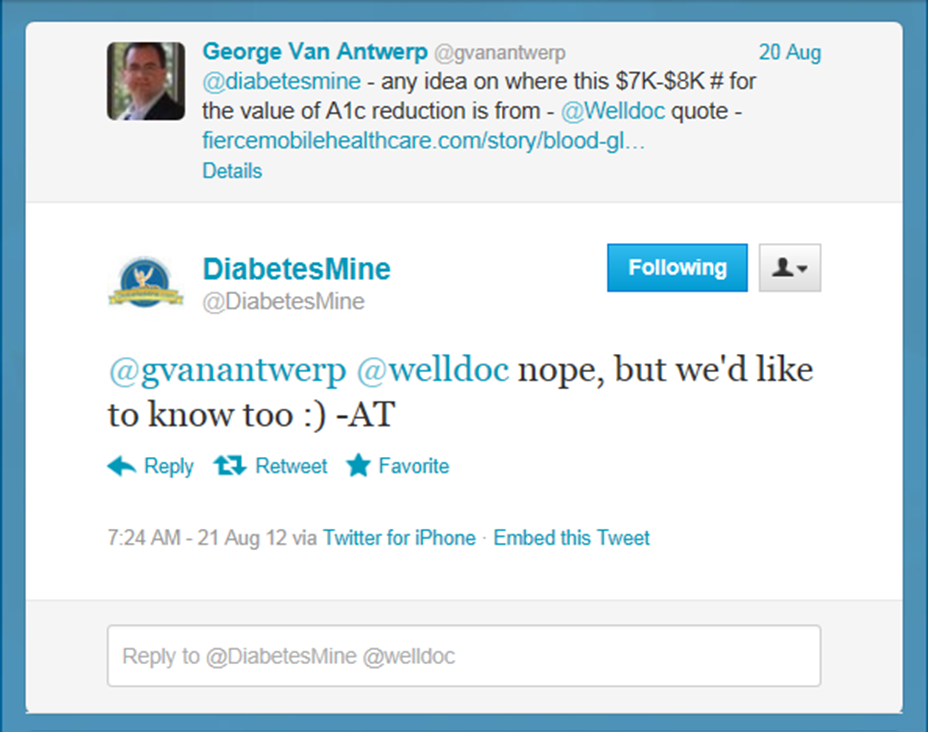
As you can see from this tweet, I was looking for this study yesterday and mentioned DiabetesMine to see if Amy might know, but she didn’t.
So, my conclusion is that this is worth it if:
I hope to figure this out since this was the first FDA approved device and looks very promising.
August 21, 2012 1 Comment
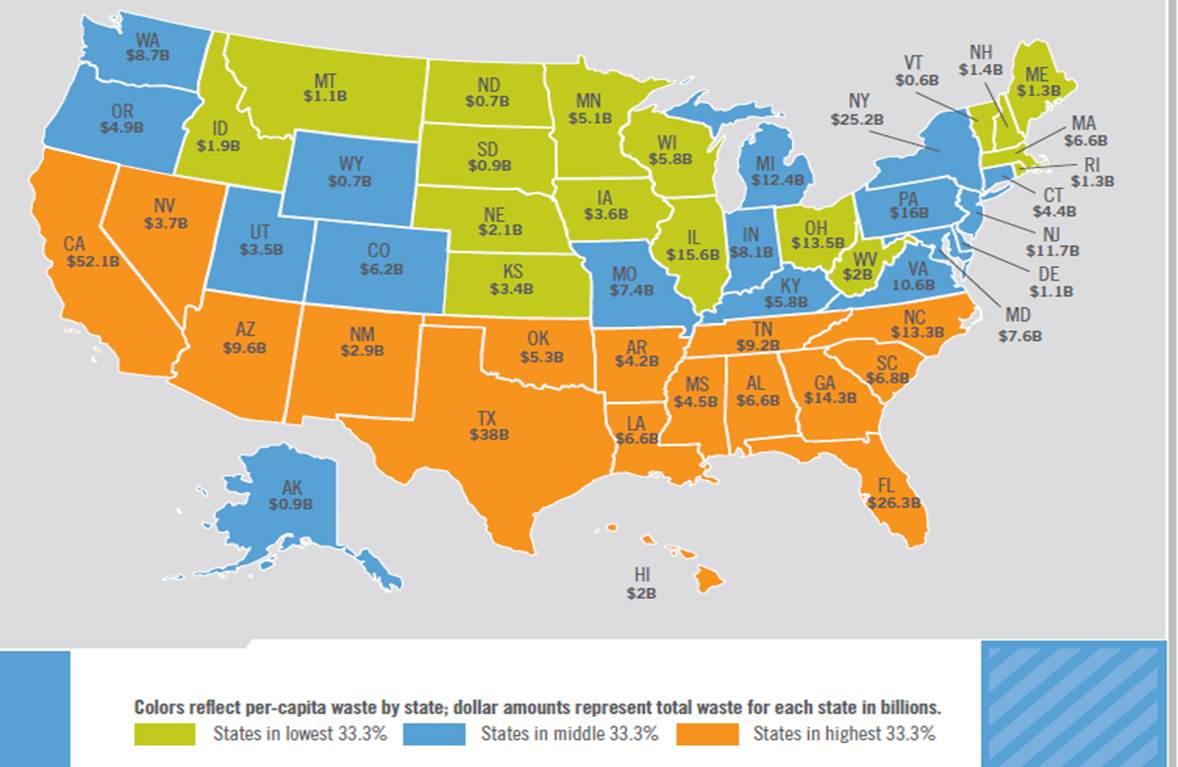
This is an interesting map from Every Child By Two which is a pro-immunization advocacy group. And, per the article in USA Today, this discussion around vaccines is heating up with kids coming back to school and the biggest epidemic of whooping cough in 50 years.

I’ll also pull up this video that I posted last year which I thought to be a fun presentation of this topic.
August 20, 2012 0 Comments
I always find lists interesting. The Inc 500 gives you a view into some of the quicker growing companies althougth there certainly is a mathematical bias towards having a small base to grow off. But, it can help you see some trends and areas of market activity. Here’s this year’s list from the September 2012 edition of Inc Magazine.
August 15, 2012 0 Comments
This is one of those debated topics that is hard to quantify, but I don’t think anyone doubts that it happens. The question is to what extent. But I think this infographic gives some data and points out some of the risks associated with this behavior.

From: OnlineDegrees.org
August 15, 2012 0 Comments
In the September 2012 Fast Company magazine, there was an illustration of 36 Rules of Social Media. Let me pull out a few that caught my attention:
But, I think the one that summarizes it the best is – If you’re bored by social media, it’s because you’re trying to get more value than you create.
August 15, 2012 0 Comments
I’m sticking with my theme this week of sharing presentations. Here’s one from Pew on the Rise of the e-Patient.
August 14, 2012 0 Comments
Have you looked at RockHealth at all. They are a seed money accelerator for digital health startups.
I found a few of the their decks in Slideshare which I thought I would share. They make some great slides.
August 13, 2012 0 Comments
I thought I would share this presentation I found.
August 12, 2012 2 Comments
I found this list of data visualization winners and grabbed two to share here. Although I like their first place winner on cancer, I found it to hard to read on the site. These use bigger fonts and images with less detail which I personally think is important.


August 10, 2012 1 Comment
I was at my physician’s office yesterday and noticed this great poster on the wall from the Renal Physicians Association (RPA). I reached out to them and got a PDF of the poster – RPA Toolkit Action Poster FINAL. (Note: It’s meant to be a poster on the wall not a graphic in a blog post so it’s here for you to go look at, but it’s not easy to read and digest here. Use the link to get to the PDF.)
The key points are that it shows you stages of CKD based on GFR along with the action you should take. It also highlights the risk factors for CKD and the possible complications.
August 9, 2012 1 Comment
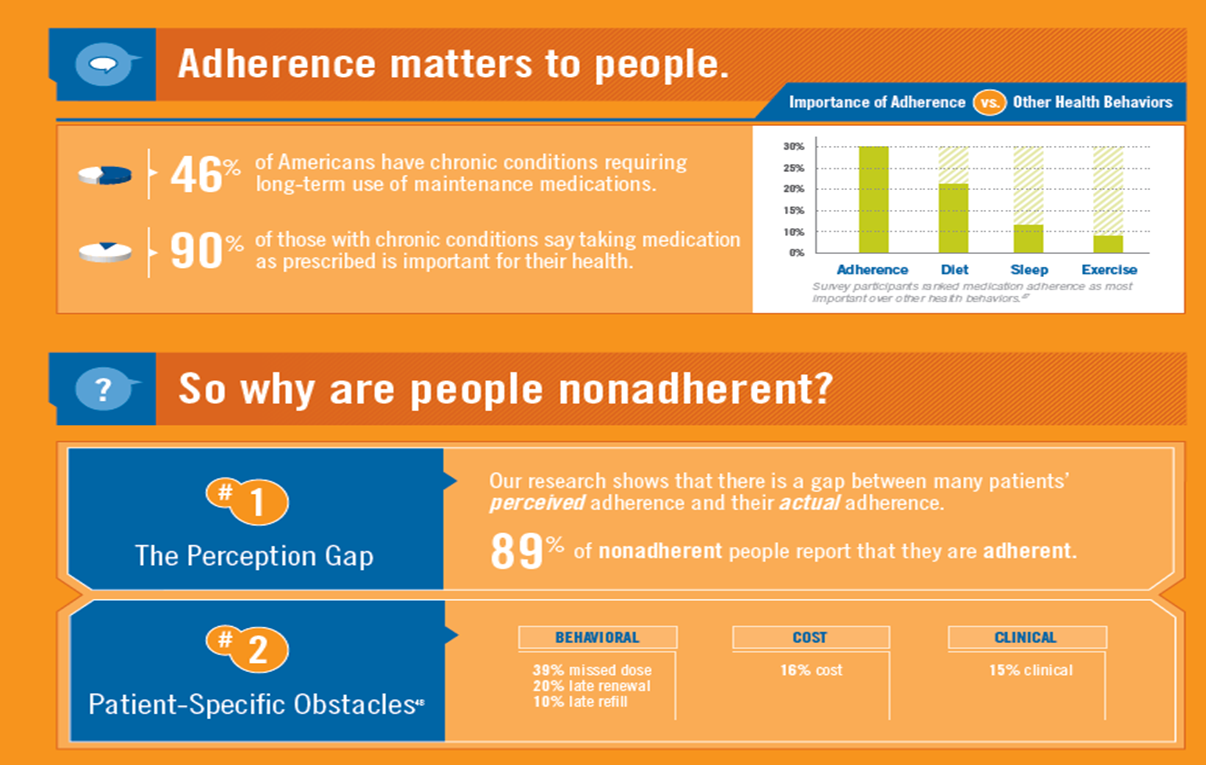
So much for self-reported data. In the recent Drug Trend Report by Express Scripts, they mention a study they did looking at patient self-reported adherence and comparing it to actual adherence. (I can’t believe no one had done this before.) 89% of the consumers incorrectly reported that they were taking the medication as prescribed. For years, I’ve used two separate studies to point out that this gap had to exist, but it was not done on the same population.
This is critical to any care manager or anyone else talking to the patient. If you trust their perspective on adherence, you’re likely overestimating it. In some cases, this might not be materials, but some of the gaps are significant. Therefore, integrating pharmacy data to get to a true MPR (medication possession ratio) or PDC (percentage of days covered).
August 9, 2012 0 Comments
Someone posted a link to this in LinkedIn. For those of you in the pharmacy world, pharmacists, PBMs, and even medical professionals that work with them, this seems very relevant. We all know the value that pharmacists bring to the over all care team. With that in mind, I signed the petition and thought I would share it here.
(BTW – I’ll admit that I thought the Medicare legislation did recognize pharmacists.)
**************************
Recognize pharmacists as health care providers!!!
Greetings,
I just signed the following petition addressed to: Congress.
—————-
Recognize pharmacists as health care providers!!!
Despite overwhelming evidence of the positive impact pharmacists can have on patient health, pharmacists are not recognized as healthcare providers under the Social Security Act and, therefore, cannot be paid by Medicare for therapy management and patient consultation services. The Social Security Act does recognize other healthcare professionals such as dieticians, nurse practitioners, physician assistants, nurse midwives, and clinical social workers.
By changing the compensation structure allowed under Medicare, we can ensure that patients have access to the medication expertise of pharmacists. Studies have shown that when a pharmacist is directly involved in patient care, patients have fewer adverse drug reactions, experience improved outcomes, and healthcare costs are reduced.
The perils of adverse effects from taking multiple medications affect all age groups. According to a recent survey, just over half of all Americans take at least 2 medications each day and nearly one-third take 4 or more medications each day. For the Medicare population, medication use is even higher — nearly half of Americans aged 65 and older take at least 4 medications each day.
This is a critical safety issue!!
—————-
Sincerely,
George Van Antwerp
August 9, 2012 0 Comments
The FDA recently approved the Proteus system for creating digital medicines. What does this mean? It means that in the future the pill you swallow could have a digital tracker that confirms that you really did take your medication.
This is a fascinating development especially as adherence continues to be a focus in quality metrics. And, with the recent study by CVS Caremark, you now have two critical reasons that adherence should be a part of any health intervention program:
1. Adherence is proven in several conditions to directly lower overall medical costs; and
2. Adherence is shown to improve absenteeism.
BUT, does that justify a device in your pills. Not alone, but if you look at the recent Express Scripts’ study (that was unfortunately buried in their drug trend report), you’ll see that there’s a material gap between how adherent patients think they are and their real adherence. That might justify a device.
The big questions will be:
This story (and others like it) will continue to come out. It’s an interesting one.
August 2, 2012 0 Comments
Another interesting discussion at this Oncology event was about physician reimbursement for drugs. In Oncology, one historical source of revenue (~50%) for physicians has been the medications they dispense and administer in their offices. And, depending on who you believe, this has some degree of influence on what drugs they dispense.
The problem that was discussed is that today’s reimbursement model is ASP (Average Selling Price) plus 6% mark-up. This assumes that everyone buys at some price near that average which by definition means that not everyone does. One of the presenters suggested that physicians lose money on about 20-25% of the drugs they dispense and that it would need to be ASP + 12% for them to be positive on every drug. (I don’t know the math here and am simply sharing the dialogue as I found it very intriguing.)
The examples that they kept talking about in several presentations were that for a generic drug that costs $40 then their margin is theoretically $2.40 (6%) versus for a brand drug that’s $4,000 where their margin is $240 (or 6%). The suggestion was that if generics were reimbursed at 200-400% of ASP then it would take this economic factor out of the oncologists influence (when conscious or subconscious).
It’s an interesting debate. (Here’s some comments from another conference on this topic.)
On the flipside, some of this may go away with oral oncolytics being more common in the future (and therefore being more likely to be controlled by the PBM) although companies will look to enable in-office dispensing of these drugs also to help the physician from losing this income.
The other strategy being pushed has been called “brown bagging” where the patient is directed to obtain their medications from a specific specialty pharmacy and then bring those to the oncology practice for them to use. This eliminates the “buy-and-bill” approach but is not something that the physicians like (from what I know).
At the end of the day, I don’t really care. I think there are several key principles that if met would make me neutral to any solution:
August 2, 2012 0 Comments
I was at an Oncology meeting earlier today, and there was a brief discussion about pharmaceutical costs which is certainly one factor in overall healthcare costs. (See article on the 11 most expensive drugs ranging from $200-$410K / year) Ultimately, this always brings you back (at some point) to the topic of Quality Adjusted Life Year (QALY) or (a new term to me) “futile care” meaning care done essentially with a very low probability of working.
Of course, like the lottery, we all like to believe that we’ll be the 1% for which this effort pays off. (see Prospect Theory or a broader article on use of incentives in healthcare). This can often be a very cost effective way to get people excited. This is especially true for poorer people who spend as much as 3% of their income on lotteries which have a very low return.
But, the question at the center of this is what you would pay for a week of life?
And, would that answer change based on timing? I believe so. If asked today, when you were healthy, would you agree to spend $50,000 to gain one week of life? Perhaps not. When you’re on your death bed and realize that you still want to see a few more people, your answer may change. And, your family’s answer might change. If you had to make that decision for your parent, it might be tough to make at the hospital, but if you sat down with them when they were healthy and asked them whether they would like you to spend your kid’s college savings account on gaining them a week of life, the answer might change.
But, what about when the money’s not yours. We all know the infamous diner’s dilemna where we’re likely to spend more money when your splitting the bill with everyone. When you’re covered by insurance or by the government, it’s not always your money being spent. So, what if it was positioned differently? If you knew that spending $50,000 for that one week of life meant that there wouldn’t be money to fund a shelter for 3-months that provided 20 homeless families with a place to sleep. Would that change your answer?
It’s a tough question. No one like to put a financial value on life. I don’t have an easy answer other than having the discussions earlier with the patient and framing them the right way.
Never mind the question about quality of life…Would you rather die in 2 days at home or would you rather live 8 days in the hospital where your throwing up all the time?
I don’t know the economic tradeoff of these treatments or drugs so this isn’t specific to any scenario, but is a situation which come up and everyone runs away from. I understand why.
August 1, 2012 0 Comments
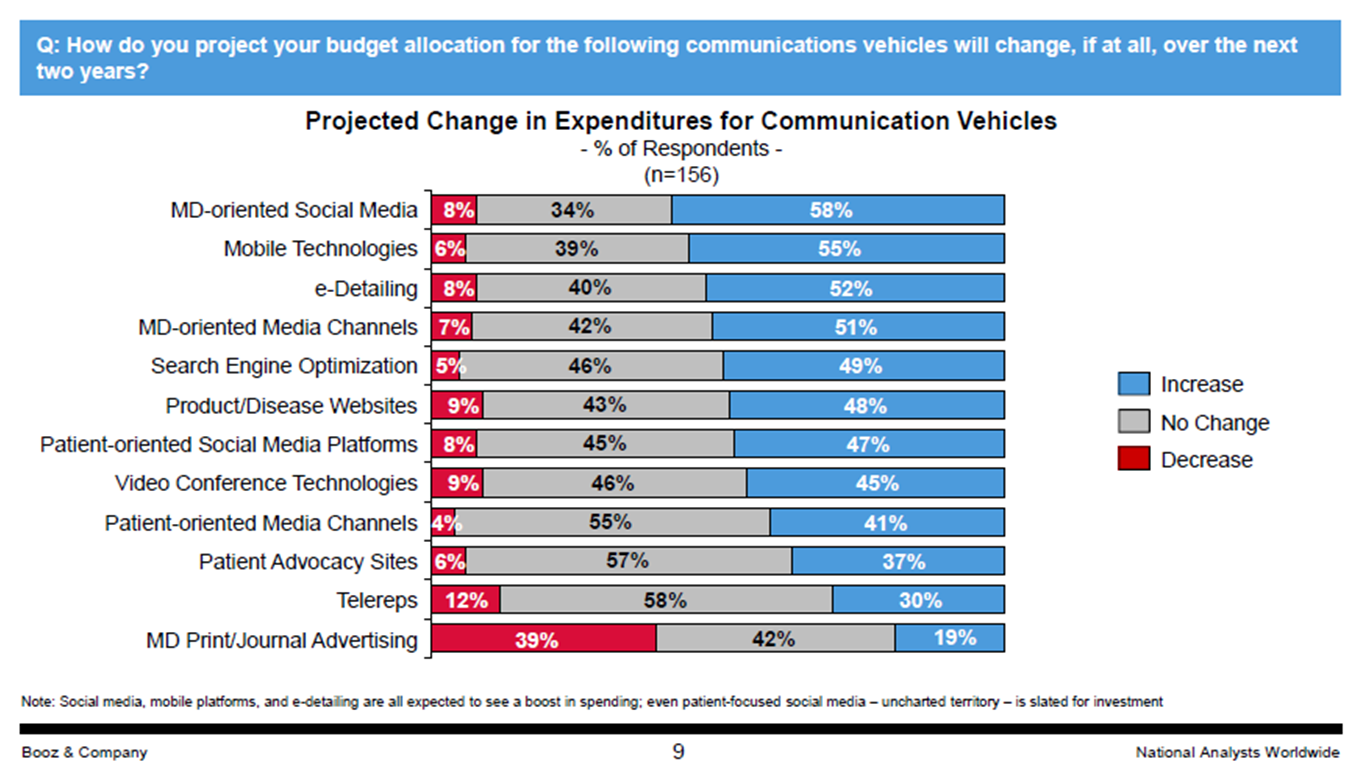
Pharmaceutical manufacturers are dealing with massive shifts in their industry – less blockbuster drugs, more generics, emergence of different global markets, a greater payor emphasis on outcomes and adherence, less interaction with sales reps, more use of biologics, and the emerging biosimilar opportunity.
All of that is causing a massive shift in where they invest. In some cases, you’re seeing manufacturers invest in devices (e.g., Sanofi diabetes device) or into education and content at a disease (not drug) level or even in mHealth (e.g., Boehringer and Healthrageous).
With that in mind, I found this Booz & Company survey interesting in highlighting how their shift in spending is changing.
August 1, 2012 0 Comments
It’s been a few years now since my last marathon. There’s just not enough time to put in the right training these days. That being said, I’m finally getting back into running after taking some time off. With that in mind, I thought this infographic was good. It also reminded me to go back to my older post about running basics.

Compiled By: InsuranceQuotes.org
July 27, 2012 2 Comments
I’ve talked about the “Information Therapy” concept before. I suspect as physicians take a greater role in outcomes, and with the emergence of ACOs and PCMHs, they will increasingly play a greater role in providing information and applications suggestions to patients.
I was at the mHealth conference in Boston today, and I mentioned the opportunity for nurses to do this as part of disease management and case management. As soon as I talked about that, I got taken over to the CEO of Happtique who happens to be working on a solution for this from a health application perspective.
In my mind as a patient, I’d like to know:
I haven’t ready their draft certification process (open for public comment), but here’s the link to it.
Here’s their boilerplate…
Happtique is a mobile health application store and app management solution that helps healthcare providers, physicians, and patients easily integrate mHealth into treatment. It offers medical enterprises—like hospitals, continuing care facilities, and physician practices—the ability to create individually branded, secure, multi-platform application stores for staff and patient use.
July 25, 2012 0 Comments
One of the more interesting discussions out there about ACOs is that around carving out specific conditions. While the general ACO concept is built around the idea of a Medical Home where the PCP is your “guide” (not gatekeeper) and helps you to make decisions, complex patients with certain chronic conditions may be better served to have a specialist managing and coordinating their overall care.
While DaVita with their push for Kidney specific ACOs built around their focus on dialysis has been one key player here, BCBS of FL has actually come out with what they referred to as an Oncology ACO. What CMS will do here is still TBD, but the idea of taking some of these high-cost and complex conditions and putting them into a fixed fee or bundled payment structure tied to outcomes sounds right.
I personally could even see more drug companies and medical device companies playing in this area since they could directly control certain costs and often have incredible amounts of research in certain conditions.
[To see more about our physician directed Accountable Care Solutions at inVentiv Medical Management, click here. Or contact me if you’re interested in how we’re applying these to support ACO and “ACO-like” organizations in their efforts to engage consumers and drive health outcomes.]
July 25, 2012 0 Comments
Healthcare is very good at creating TLAs (Three Letter Acroynms). The Accountable Care Organization (ACO) and the adjacent models are no different.
You have:
These are of course governed by:
And, they were significantly impacted by the SCOTUS (Supreme Court of the United States) decision regarding PPACA (Patient Protection and Affordability Care Act).
But, at the end of the day, the goal here is the same. We need a solution that addresses:
We all know that the healthcare system is not sustainable without change. What will happen to health reform with the election is still TBD, but at the end of the day, change is needed. PPACA might not be perfect, but it was better than a lot of options (IMHO). As I said before, I would focus on phased change:
July 24, 2012 0 Comments
While my other post talked about the IT priorities of the ACO, I believe that a large part of the ACO (Accountable Care Organization) effort driven by CMS is about creating a provider-centric approach to care management. While medicine certainly began as a provider to patient relationship, that has changed over the years to a managed care driven relationship. This peaked years ago with the HMO backlash that led to the revised system that most of us have grown accustomed to operating within.
Then, with the discussions around exchanges, Medicare, and the individual market, we’ve seen a shift to a more patient-centric approach to healthcare focused on the patient experience and understanding their behavior. Is anyone necessarily wrong – no. But, there needs to be a balance. I personally think that the ACO approach is trying to build some of that with a Kaiser type of framework. Physicians would be at the heart of the solution with technology, process, and financial support from managed care companies and medical management companies. And, they would have to partner with the patient to really affect behavior and ultimately health outcomes.
Will it work? Who knows. There have been a lot of smart people who have spent a lot of time and energy trying to figure out health outcomes and cost with limited effect in any scalable way.
There have been a few initial articles about ACO success:
There have also been a few people talking about ACO 3.0 and the future of how ACOs will evolve from what we know today.
Of course, most of this is focused on the CMS ACO model while others are using the “ACO” moniker as a framework for pay-for-performance (P4P) within the physician world.
[To see more about our physician directed Accountable Care Solutions at inVentiv Medical Management, click here. Or contact me if you’re interested in how we’re applying these to support ACO and “ACO-like” organizations in their efforts to engage consumers and drive health outcomes.]
July 24, 2012 0 Comments
Right now, it’s a little bit of the Wild West in terms of building Accountable Care Solutions (ACS’s)…which is not necessarily bad.
You have physicians building ACOs. You have hospitals building ACOs. You have managed care companies buying physician groups to have ACOs. You have managed care companies providing technology to providers to have ACOs. You have consultants helping design ACOs. You have technology companies building components of ACOs. Eventually, my prediction is that you’ll end up with some type of franchise model on ACOs that providers can leverage. Perhaps it’ll be like the Medicine Shoppe model for pharmacies.
But, as I read through all the literature and try to have opinions on this space, there are a few core things I keep coming back to:
While traditional providers have been focused on actual diagnosis and care, they haven’t focused on most of this. This is a fundamentally different business (at least at the individual physician level). Even the one that most naturally fits with the practice of medicine – Evidence Based Medicine – is a challenge given the pace of change and information. Plenty of studies have documented this challenge.
So, while everyone is now using this term that our team started using last year, the reality is that ACS’s are complex solutions that take a holistic view of the patient and their care and manage using EBM with an integrated solution that blends technology and face-to-face care with a focus on specific health outcomes.
To borrow from Ernst & Young, here’s a framework they propose on their website about Accountable Care:

[To see more about our physician directed Accountable Care Solutions at inVentiv Medical Management, click here. Or contact me if you’re interested in how we’re applying these to support ACO and “ACO-like” organizations in their efforts to engage consumers and drive health outcomes.]
July 23, 2012 0 Comments
The Advisory Board out of Washington DC has jumped headfirst into the pool around ACOs. They have some great information on their website and like any other consultants, provide some great frameworks to leverage.
One that I found helpful lays out the 5 critical IT components for developing an ACO (see image below):
I think this is a good starting point for understanding what technology you need to provide an ACO (and theoretically make money doing it).

[To see more about our physician directed Accountable Care Solutions at inVentiv Medical Management, click here. Or contact me if you’re interested in how we’re applying these to support ACO and “ACO-like” organizations in their efforts to engage consumers and drive health outcomes.]
July 23, 2012 0 Comments
Here’s my paraphrased summary from the HHS (Health and Human Services) website about ACOs and the CMS site…
[To see more about our physician directed Accountable Care Solutions at inVentiv Medical Management, click here. Or contact me if you’re interested in how we’re applying these to support ACO and “ACO-like” organizations in their efforts to engage consumers and drive health outcomes.]
July 19, 2012 0 Comments
Wow! Finally!
Those are my immediate reactions. I just saw the news that Walgreens and Express Scripts have reached a new pharmacy deal effective 9/1/12. I’m sure there are lots of consumers that will be happy about that and a few competitive PBMs that will be disappointed.
A few things that this makes me think about:
The biggest battle now will be around customer retention and winback. Can Walgreens get their old Express Scripts patients to come back? Can CVS and others hold on to the patients? This will really test the theory about customer loyalty in the pharmacy space.
The other interesting thing here is that this pushed Walgreens to really re-evaluate their strategy and market positioning. Will they emerge as as stronger and different company because of this 9 month period. I would think so, but that is still TBD.
July 12, 2012 0 Comments
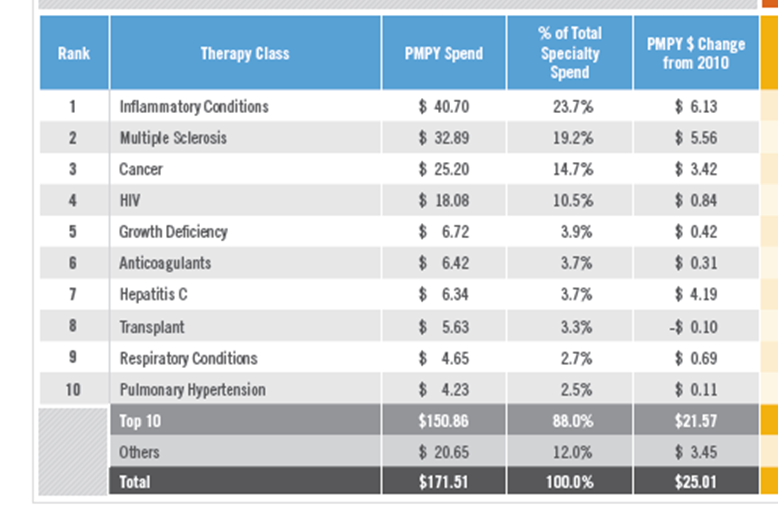
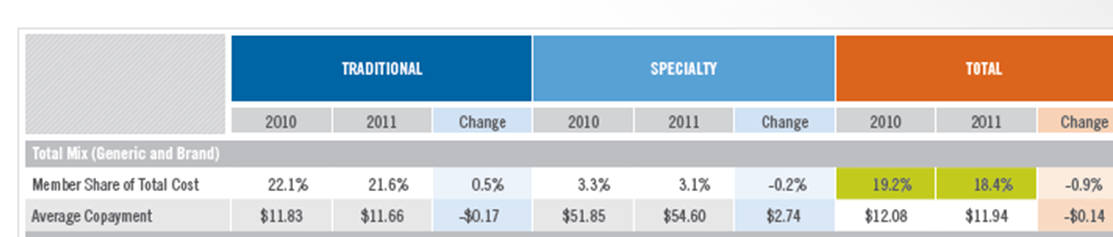
Those of you that have been readers for a few years know that I love to read and summarize these reports. They provide a huge set of aggregated data and summarized information that is useful in creating business cases and identifying trends.
This year is no different although the graphics within the Express Scripts Drug Trend Report continue to get better … ala infographics (as they even posted one recently on their blog).
So, what caught my eye this year…

Our 2011 retail-network negotiations marked another milestone in our heritage of independence from pharmacies and alignment with our plan sponsors. One retail pharmacy chain, Walgreens, was unwilling to offer rates and terms consistent with those of the market, and instead opted to leave our pharmacy network at the beginning of 2012. Although we remain open to Walgreens being part of our pharmacy network in the future, the positive reaction we received from plan sponsors and members during the process of transitioning patients to other pharmacies confirmed what our prior analyses had shown: the vast majority of the U.S. has an oversupply of pharmacies, suggesting that networks can be tightened significantly while maintaining sufficient patient access.
For example, patients in the least-adherent group in the survey of Express Scripts members had an average actual MPR of 24.3%. The average perceived MPR reported by patients in this group, however, was 90.6%. We therefore found a staggering 66% gap between perceived MPR and actual MPR.

I’d also point you to Adam Fein’s breakdown of this report (in a more timely manner).
July 11, 2012 0 Comments
I’m excited about a new relationship at work with Vital Decisions. Some of you have heard me talk about Palliative Care before. The whole area of working with patients that have an advanced illness is a hot discussion topic especially within the CMS community (see yesterday’s WSJ). But, while many consumers focus and worry about the idea of cost containment at this emotional time, Vital Decisions does a great job of using their behavioral counselors to work with patients to help them articulate their desires to their family and their physicians. They’re not counseling them on medical decisions or trying to limit care. They are simply trying to help patients to find a way to talk about this topic with their caregivers.
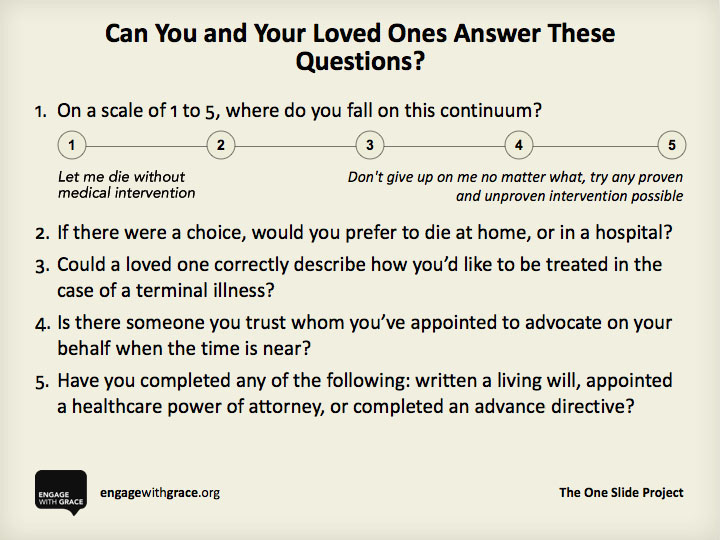
In some ways, it reminds me of the Engage With Grace movement to try to get families to talk about this with each other. In this case, the conversation is coordinated with our care manager and part of an overall patient-centric approach to care.
Here’s some of the press release:
inVentiv Medical Management (iMM), an inVentiv Health company and provider of best-in-class medical management services to the healthcare industry, today announced that it has formed a partnership with Vital Decisions to better serve the needs of payers, providers, and seriously ill patients nationwide. The joint offering will support patients by empowering them to be more proactive decision makers when it comes to their health, and, thereby, reduce the use of costly care that is medically inappropriate or unwanted by individuals with advanced illnesses.
Together, iMM and Vital Decisions – an Edison, New Jersey-based company that provides patient-centered behavioral counseling programs for those with advanced illnesses – will offer a unique care management and counseling program to individuals battling metastatic cancer, end-stage heart or lung disease, and progressive neurologic conditions, such as Alzheimer’s or Lou Gehrig’s disease (Amyotrophic Lateral Sclerosis-ALS). The program is designed to encourage patients to work with their physicians and family members to make well-informed care decisions as their illnesses progress. inVentiv Medical Management case managers will provide patients with clinical advice, while Vital Decisions specialists will offer counseling support using the company’s proprietary “Living Well” program, which helps individuals with advanced illnesses communicate their quality-of-life preferences to those involved in their care.
July 10, 2012 0 Comments
It’s organ donation week in the UK…so in the spirit, here’s one of their infographics on the topic.

Join the NHS Organ Donation Register


 WSJ Health Blog Drug Channels KevinMD Blog Health Populi e-Patients
 Contact me at gvanantwerp @ mac.com.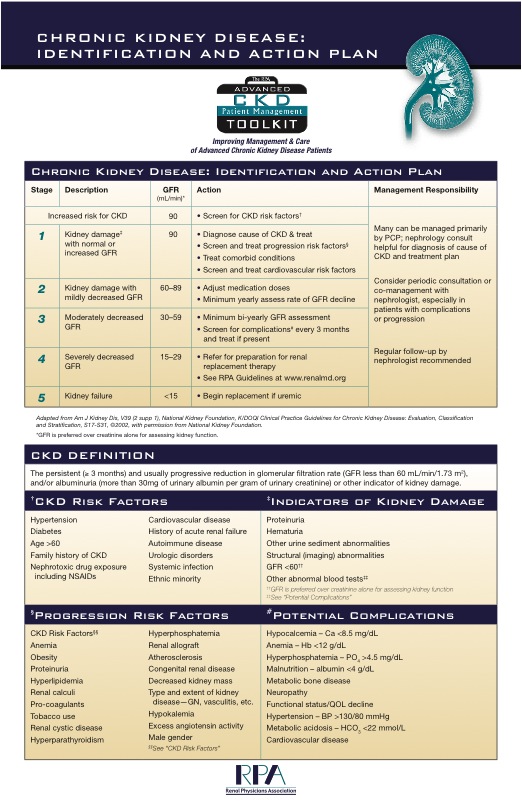
 Enabling Healthy Decisions
