Archive by Author

How Do The Big PBMs Grow?

By now, the idea of a PBM and who they are is much more of a household item than it was a decade ago.  We’ve seen massive consolidation in the industry.  We’ve seen PBMs grow in the specialty PBM space.  The question I often ponder is what’s next.  Here’s some of my thoughts.

  1. Do Nothing.  Obviously, there’s a lot to be said for ongoing momentum.  The PBMs have shown growth for many years.  While the generic opportunity and the mail opportunity has slowed down, there are still opportunities in the specialty space.  
  2. Distribution. This seems like an obvious possibility.  Why not buy Cardinal, AmerisourceBergen, or someone else?  Procurement and distribution are core competencies so I think this makes some sense.  But, will that create issues in the current client list and retail pharmacies and PBMs haven’t always had the best relationships.  (E.g., Express Scripts GPO with Kroger)
  3. Pharma.  This has been debated by a few PBMs, but getting into the R&D space is risky and doesn’t build on their core competencies.  What could be more interesting would be them getting into the services space by acquiring a company like IMS or Quintiles.  
  4. International.  Several PBMs have tried this model.  In general, it hasn’t gone anywhere.  I think the international collaboration of Walgreens and Boots is really interesting and other retailers have gone international.  I don’t see this happening anytime soon with any material impact.  
  5. Physician.  Having a greater impact in the prescribing process could make a lot of sense.  I could see some interesting targets in terms of Allscripts, Cerner, or athenahealth.  This has been a challenge for years with a few ventures into the space.  (e.g., CVS Caremark and iScribe)
  6. Technology.  At the end of the day, the PBMs are large technology companies.  Could they see their way into the mHealth space?  This space is growing like crazy, and you’re seeing established players get into the remote patient monitoring space (e.g., AT&T and Qualcomm).  I could see an acquisition in this area of a telehealth company (e.g., Teladoc) or a device company (e.g., Welldoc).  Or, they could build something more organically.  On the flipside, they could look at technology platforms to open doors to care management or ACOs (e.g., Lumeris).  Alternative, I could see SoloHealth as a really interesting asset.    
  7. Retail.  With a few exceptions, I think this strategy is off the table.  I’ve loved the CVS Caremark integration for years, and I think it’s showing dividends.  Rite-Aid is probably the only big acquisition target out there.  In this space, you probably have to look at it the other way.  Would any retailers (e.g., Walmart, Walgreens, Target) buy a PBM?  Walgreens got rid of their PBM, and Walmart has said they don’t want to be in that market so I’m not sure that would go anywhere.  
  8. Insurer.  I think this one has some interesting opportunities from a Medicare perspective and from a commercial perspective.  Could PBMs create an underwritten product and take on risk?  I think yes, BUT I think that could impact their need for reserves and the way the market sees them.  That makes me think this is less likely, but possible.  
  9. Device Benefit Management.  I think several ex-PBM executives have gone out to try to build the “benefit management” concept into the healthcare marketplace in other areas (e.g., IPG).  Could an existing PBM do it and cross-sell into their base?  Perhaps.  But, a stretch.  They’re getting big so they want to buy meaningful revenue, create synergies, and then grow it.  
  10. Navigation.  The most used benefit is pharmacy.  Today, consumers touch the healthcare system most frequently through retail and their daily prescriptions.  With the ongoing complication of the health benefits, there is a huge need for navigators (and not just in the healthcare.gov use of the term).  Think about companies like Health Advocate or Accolade.
  11. Data.  With the RxAnte acquisition, it has to make you wonder about PBMs and their data assets.  How can they use them differently?  Can they create apps?  Can they create algorithms to license?  What would this look like?  What about companies like Proteus?  Perhaps, a PBM could consolidate several unique assets along the device, smart bottle, data path.
  12. Condition specific.  I could see some PBMs going deep on particular areas like oncology to really build out an oncology practice that did everything from second opinions to case management to end-of-life counseling.  Those could all wrap around the drugs.  Or, imagine them going into the chronic kidney care space by acquiring a company like DaVita.  
  13. Providers.  While there could be some interesting synergies here with a large hospital group (e.g., HCA) or some ACO/PCMH players, I see that more of a managed care play for rolling up companies.  The ROIC (Return on Invested Capital) is too different in these physical operations that I see that being a struggle.  And, I think there’s lots of concerns about the hospital needs over time.  

Which path plays out…I don’t know, but I think it’s getting close to time that you’ll see another shift in the market as they try to secure their next 10 years of growth by expanding into something that builds on their core competencies.  

I think the other question would be if they focus on differentiation by really showing material differences in outcomes and engagement rates and look at how they show an overall health ROI not just Rx specific.  That would be where I would place my bets and look at which of these options support that.  Maybe we’ll see a PBM X (like Google X) doing some strategic long-term deals to change the overall healthcare roadmap.  
Conscious Home Mash-Up – More Likely Post Google – Nest?

In case you didn’t see it, Google acquired Nest the other day.  There’s lots of interesting articles out there about how this will fit in.

It was fascinating timing as I had just written about why Google should be in this space on Saturday.  

It got me thinking about other mash-ups to get into this space.

What about Pulte Homes working with BCBS of MI, the UAW, Ford, and the Henry Ford Health System to create a long-term retirement community built around an ACO with Medicare included?  This could be a great offset for the UAW and Ford to their healthcare liabilities.  It could create new provider models for Henry Ford.  It would create new building opportunities for Pulte, and it would provide new underwriting opportunities for BCBS.  

The other question that this brings up is who else will they acquire…or will others in this space get acquired by Cisco or AT&T or others that want to create this.  

I’ve reached out to the Nest founder and some people at Google and Google X.  (I don’t know any of them.)  This seems really exciting and similar to some of my thoughts.  I’d love to learn more.  

And, perhaps with the news that some of the Google X people met with the FDA, maybe Google is figuring out a way to get back into healthcare.  Hopefully, they don’t overlook the opportunity for patient remote monitoring in the smart home.  

Why Google Should Build The Next Seaside

In 1998, I wrote my first business plan which was about technology and architecture.  At the time, I had graduated from Architecture school and was working with Sprint on a data warehousing implementation.  It got me thinking about how to create a series of connected devices and link them to an enterprise system to manage that data for a smart home.  At the time, I think people thought I was crazy.

Jump forward 15 years and it all seems to make more sense.  For example:

Now, this type of connectivity is called the Internet of Things (#IoT) which based on Wikipedia is:

“The Internet of Things (or IoT for short) refers to uniquely identifiable objects and their virtual representations in an Internet-like structure. The term Internet of Things was proposed by Kevin Ashton in 2009.[1] The concept of the Internet of Things first became popular through the Auto-ID Center at MIT and related market analysis publications.[2] Radio-frequency identification (RFID) was seen as a prerequisite for the Internet of Things in the early days. If all objects and people in daily life were equipped with identifiers, they could be managed and inventoried by computers.[3][4] Besides using RFID, the tagging of things may be achieved through such technologies as near field communication, barcodes, QR codes and digital watermarking.[5][6]


Equipping all objects in the world with minuscule identifying devices or machine-readable identifiers could transform daily life.[7][8] For instance, business may no longer run out of stock or generate waste products, as involved parties would know which products are required and consumed.[8] A person’s ability to interact with objects could be altered remotely based on immediate or present needs, in accordance with existing end-user agreements.[3]

According to Gartner there will be nearly 26 billion devices on the Internet of Things by 2020.[9] According to ABI Research more than 30 billion devices will be wirelessly connected to the Internet of Things (Internet of Everything) by 2020.[10] Cisco created a dynamic “connections counter” to track the estimated number of connected things from July 2013 until July 2020 (methodology included).[11] This concept, where devices connect to the internet/web via low power radio is the most active research area in IoT.”

Or, if you prefer McKinsey to Wikipedia, here’s their article about the Internet of Things:

“More objects are becoming embedded with sensors and gaining the ability to communicate. The resulting information networks promise to create new business models, improve business processes, and reduce costs and risks.”

With all the buzz about Google’s buses and catamaran’s to ship their workers to the GooglePlex, it got me thinking about them creating a smart city.  They could have their smart cars running around.  They could even create a scalable version of smart roads that re-charge the electric cars eliminating the need for charging stations.  Or maybe, this would be something for Elan Musk who has his HyperLoop vision and Tesla Motors.  This could even play into the Green (or Sustainable) Architecture effort.  I could one day imagine a home recycling station that turned your used plastic into materials that could be used in your 3D printers. 

Of course, the key is a core infrastructure that manages all of this data and starts to create algorithms for how to use it.  Image being able to log in and get information about your house, your kids, your community, and your health.  Some things are already out there and being developed.

  • Mother is a technology that summarizes all of this data and pulls it together for people to use and monitor. 
  • Twine monitors your home and provides you with information such as your garage door is left open. 
  • Ninja Sphere is another solution for controlling your home devices.
  • Thing Worx is another solution focused on this connected house.
  • Cisco has a section dedicated to the Internet of Things.
  • Qualcomm and Verizon and others are getting into the health space, and you have companies like ADT or Time Warner that are already in the home and could expand into the health space. 

The other thing that all this data drives is the need for insights.  It’s no good to have data without the ability to turn it into knowledge.  This is again something that Google knows a lot about.  Imagine having a connected team of physicians that monitor your health based on your sleep patterns, your adherence, your exercise, and other key metrics such as blood pressure.  Imagine a dietician that monitored your food and gave you ideas about how to eat better.  There are lots of ways for the data to be used in an obviously Big Brother way, but if that could be turned on and off, then we could gain the insights without having to give up all our privacy. 

But, in general, many people are willing to trade privacy for insights.  That’s what we do every day. 

This idea of the Smart Home or Connected Home or Intelligent Home got me thinking over the holidays.  I even emailed Pulte Homes and Lennar Homes to see if they were doing anything in this space.  (They didn’t respond.)  I did stumble upon Home For Life Solutions which seems to be thinking about some of this and was talking about this back in 2009 in an article about Smart Homes and Aging in Place.    I was talking to a friend on Friday, and he shared with me some very cool things that The Villages in Florida is doing to incorporate health into their community. 

I can see so many opportunities here especially around the concept of Aging in Place.  Imagine all the Baby Boomers getting older and wanting to stay in their homes.  I’m not sure what Calico is going to do, but this could be an opportunity for them.

In a recent issue of TIME, Page discussed how Calico will treat aging and related diseases. He didn’t reveal much about the methodology, but stressed that Calico’s team will “shoot for the things that are really, really important.” The goal for Calico’s research according to Page, is to help prevent many diseases and have a greater impact on public health than drugs that target individual diseases. (from MedCity News)

Of course, this is why the concept of Seaside came to me.  A small, planned community where you live, work, and play.  There is also research by the CDC on healthy sustainable communities.  And, of course, there’s the efforts to create Blue Zones as communities

Imagine if this community existed.  You would be able to create your own insurance company.  You could offer discounts.  You could do the same with life insurance.  It could be like the Snapshot from Progressive

And, there is so much more opportunity:

  • When you drive into your driveway, why can’t your garage door recognize you.  Why do you have to press a button to open the garage?
  • Why can’t my purchases at the store be tracked online so I always know what I have and what I need?
  • Why can’t a smart cookbook recommend a recipe for tonight based on what food is at home, what food’s about to expire, and what I ate for lunch to create a balanced menu and caloric mix?
  • Why can’t my devices order my prescriptions for me when I’m low?
  • Why can’t my calendar automatically reschedule my doctor’s appointment when something else comes up?
  • Why can’t my running shoes automatically order a new pair of shoes when the cushioning gets low due to too many miles? 

One day, this will all happen where our house will be smart.  It will understand what I like in terms of lighting, shows, and music.  It will tap into my devices.  And, I’ll be able to get monitored and insights that improve my life.  And, best of all, this will be done in a sustainable way that improves the environment and our quality of life. 

So…maybe I can get Google or someone else excited about this idea!  It will take someone with a big vision to change the world, but I think it’s a huge opportunity!

Design Thinking Is Critical For The Healthcare User Experience (UX)

I was watching this video of Tim Brown (CEO of IDEO) earlier this morning, and it immediately clicked with me.  The idea of design thinking is very similar to the architecture training that I had.  Perhaps that is why I’m so fascinated by the opportunity to use technology and data driven insights to improve the consumer experience in healthcare.  

I like this definition of design thinking from an HBR article on it.

“it is a discipline that uses the designer’s sensibility and methods to match people’s needs with what is technologically feasible and what a viable business strategy can convert into customer value and market opportunity.”

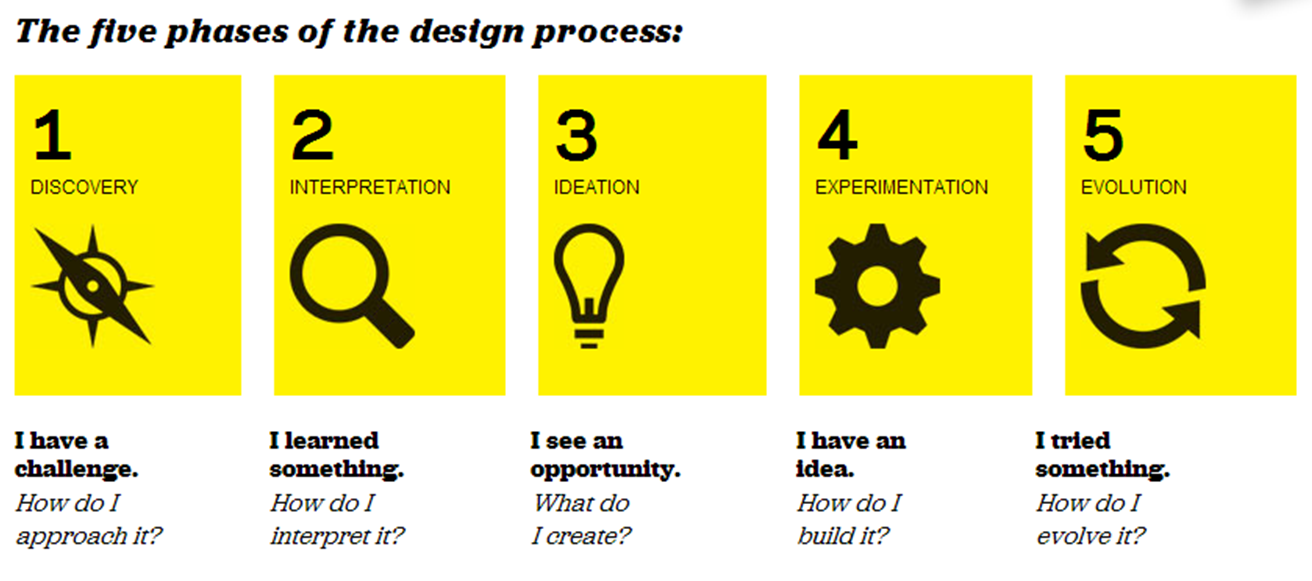
This graphic from the Design Thinking for Educators site (from IDEO) is another good summary.

Image

But, one of the key reasons that I want to talk about this is IDEO’s frameworks are critical for healthcare.  If you look at David Kelley from IDEO, one of his key points is that “empathy” is essential to design.  That is so true in healthcare.  It reminds me of my interview with Michael Graves on this topic.  (BTW – IDEO is the group that worked with Walgreens on their new store design.)

In general, the user experience in healthcare is horrible.  People don’t understand the system.  They don’t understand their benefits.  Data is only now beginning to be transparent (but it’s still confusing).  People can’t read and understand the information.  Their providers don’t speak in plain language.  

It’s frustrating because all of us know this is a problem, but it’s so massive to change.  I always use the Triple Aim framework to make the point that the consumer experience is critical.  Think about evaluating prescription drugs or chemotherapy.  Quality of life is really important but often overlooked.  This leads to patients getting too much care as physicians try to cure them only to perhaps make their life miserable in their last few weeks of life.  

I’m going to have to continue to learn more about design thinking and reflect on how to use it more systemically in my approach to problem solving.  


Interview With David Tripi – Janssen Healthcare Innovation

A few weeks ago, as a follow-up to my discussion with Aetna about CarePass, I had a chance to talk with David Tripi from Janssen Healthcare Innovation about their new solution.

David is a founding partner at Janssen Healthcare Innovation where he is part of a multi-disciplinary group working toward the goal of propelling the company to become the leader in the healthcare solution business. Prior to the launch of the JHI team, David was with Johnson & Johnson for over 15 years.

“Janssen Healthcare Innovation (JHI), an entrepreneurial group within Janssen Research & Development, LLC, develops cutting-edge health solutions designed to modernize healthcare delivery, improve patient outcomes, and create a healthier world.”  This is a 3-year old effort by Johnson & Johnson focused on integrated care businesses and enabling technologies.  To support those, medication adherence and mobile are key areas.

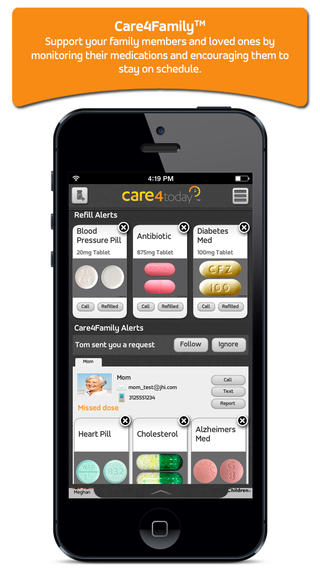
One thing that David stressed is that they are platform agnostic and that their Care4Today Mobile Health Manager works as both an app and via SMS.  Therefore, the 50% of the US that doesn’t have a smartphone can still use it.  Additionally, it’s not a product or drug specific solution.  You can use this even if you don’t use a J&J product.

Care4Today Care4Family

Adherence is a huge challenge that everyone is aligned around, and everyone is trying to find solutions – plan design, incentives, apps, consumer engagement, framing, behavioral economics, and smart pill bottles (to name a few).  So, what’s part of the Care4Today solution?

  • It has reminders for Rx and OTC products.
  • It has a refill reminder process which they hope to automate in the future.
  • It has a two way secure messaging platform.
  • It has images of over 20,000 pills.
  • And, they also included a caregiver strategy and an incentive option.

The idea of social health is important.  We’ve talked about this for weight loss and smoking.  But, with the expanded role of caregivers, can they play a key role in improving adherence?  For example, if you respond that you didn’t take your pill and the response goes to your caregiver, will they call you?  Will that follow-up motivate you?  (Care4Family)  Some prior research says yes.

A broader question might be about how to pick a caregiver or how to define it.  Should it just be your family?  Should it include your physician?  What if you don’t have a support system?  Could the healthcare companies or advocacy companies give you a “professional caregiver”?  What about an avatar as a caregiver?

I asked about the incentive program that they included (Care4Charity).  David pointed out that using apps isn’t fun (at least for most people) so they wanted to give a slight motivation.  I questioned him on why $0.05 (which is the daily donation if you check in and take your meds).  They did lots of research which showed that the amount didn’t really matter.  So, this is an experiment to see if this extra feature of the program will nudge people to be more adherent.  Or ultimately, it would be great to segment the population to understand who it was motivating for and for whom it didn’t matter.

One of the things I wondered about was how they were going to promote the app.  Obviously, relationships with companies like Aetna and their CarePass program are one way, but with the tens of thousands of apps out there, how will people find it?  David told me that they were going to initially focus on social media – Facebook, Twitter, and mommy blogs – to drive awareness.  Next, they’re going to use pharma reps to discuss the app with physicians and pilot this strategy in HIV.

At the time, they’d had over 55,000 consumer downloads, and they’ve already gotten some initial feedback from physicians that like the fact that they’re offering solutions that aren’t branded to a specific pharmaceutical product.  Some of those physicians are already offering it to patients.  They expect this will be a big driver.  They are now starting to talk with retail pharmacies about how to encourage consumer use.  While my initial reaction was that this would be “competitive” with the Walgreens and CVS Caremark mobile solutions, they see collaboration opportunities especially with Walgreens and their open API.

Of course, I wondered about how the app was being used, but they don’t collect PII (personally identifiable information).  In the future, they plan to offer an option for patients to opt-in to share information and create a clinic dashboard for physicians to see which patients are using it and providing them with data.  And, with a new collaboration with HealthNet, consumers will be logging into the app with their HealthNet ID which will allow them to link up PII and PHI (protected health information).

So, what’s next…

  • They’ve launched in the US and France.  They’re expanding into the UK and other countries next.
  • They’re adding Spanish in Q1-2014.
  • They’ve just completed some human factor testing which will drive some UI and UX changes.
  • They’re going to do some testing and look at results with whatever data is available.
  • They’re going to try to partner with as many people as possible.

Will it move the needle around adherence?  It’s still too early to tell.  But, it’s great to see pharma testing new strategies and working in new ways with payers to try to address this challenge.

CarePass Updates – Medication Adherence and Stress

A few weeks ago, I had a chance to follow-up with Martha Wofford, the VP of CarePass about their latest press release.  This was a quick follow-up interview to our original discussion.  As a reminder, CarePass is Aetna’s consumer facing solution (not just for individuals who they insure) which integrates mHealth tools and data to help consumers improve their engagement and ultimately health outcomes.

“Many Americans have a lower quality of life and experience preventable health issues, adding billions of dollars to the health care system, because people do not take their prescribed medications. There are a myriad of reasons why medication adherence is low and we believe removing barriers and making it easier for consumers to take their medications is important,” said Martha L. Wofford, vice president and head of CarePass from Aetna. “As we continue to add new areas to CarePass around medication adherence and stress, we seek to provide people tools to manage their whole health and hopefully help people shift from thinking about health care to taking care of their health.”   (from press release)

As part of this update, we talked about one of my favorite topics – medication adherence.  Obviously, this is a global problem with lots of people trying to move the needle.  In this case, they’ve included the Care4Today app from Janssen.  This tool does include some functionality for the caregiver which is important.  It also links in charitable contributions as a form of motivation.  We talked about the reality that adherence is really complex, and people are different.  This may work for some, but adherence can vary by individual, by condition, and by medication.  But, they hope that this is a tool that may work to nudge some people.

I was also glad to see them taking on the issue of stress by adding the meQ app.  This is a key struggle, and Martha pointed out to me that 1/4 of adults are either stressed or highly stressed.

“When people are under chronic stress, they tend to smoke, drink, use drugs and overeat to help cope.  These behaviors trigger a biological cascade that helps prevent depression, but they also contribute to a host of physical problems that eventually contribute to early death…” – Rick Nauert, PhD for National Institute of Mental Health, 5/2010

She mentioned that they’ve gotten a great reception to this program, but they have a lot more to learn.  They’re still in the early period of getting insights and interconnecting all of their efforts.  We also talked about some of the upcoming opportunities with the caregivers (or the sandwhich generation).  I personally think the opportunity to improve aging in place through a smart home strategy with remote monitoring is going to be huge of the next 10 years.

I did interview the Janssen people as a follow-up which I’ll post separately, but I also thought I’d include this video interview of Martha that I found.

Should Photos Replace Texting For Healthcare

I’ll admit that several people have asked me about this over the years.  If a picture is really worth a thousand words, would it be better to send someone a picture than a text message.  Perhaps a picture of me in my skinny jeans if I’m trying to lose weight.  Perhaps a picture of my grandkid if I’m trying to get healthy to run around the yard with them.  Perhaps a picture of my favorite vacation location to motivate me to stick with a health goal.  It’s an interesting question.

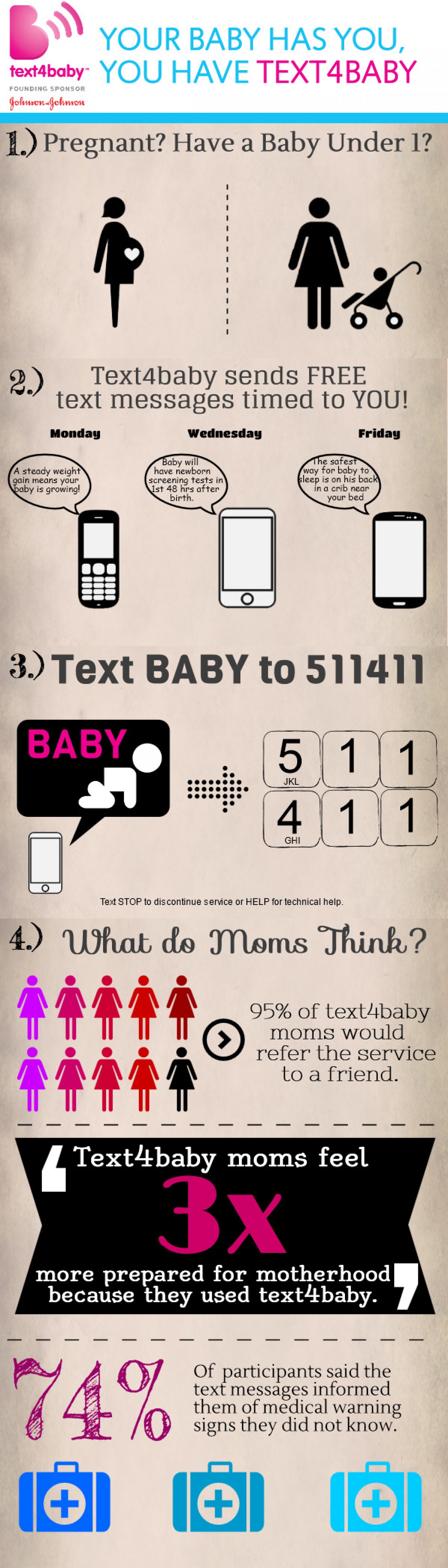
So, let’s start with tex messaging in healthcare.  When I think of using SMS (or texting) in healthcare, my first example is always Text4Baby which was a unique coalition of companies that worked with Voxiva to get this launched.

Text4baby_522f5f55154ee_w1500

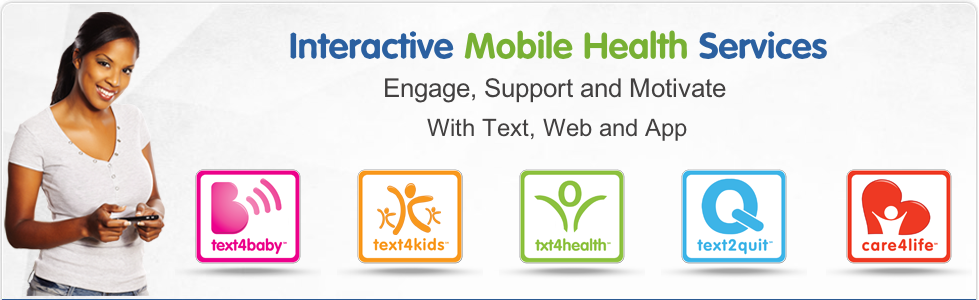
Of course, Voxiva has since expanded to offer other programs:

Voxiva

And, I think there are some business cases out there around using SMS to interact and change behavior in healthcare.  The Center For Connected Health in Boston with Dr. Joseph Kvedar has been studying this in several settings.  Here’s one poster from them on a pilot.  Here’s a good summary of what had happened as of 2012 from MobiHealth News.

Here’s a few other studies:

I could go on, but I think you get the point.  Lots of people have tried using text messaging as a low-cost but potentially effective way to get messages to consumers about a specific health behavior.  Especially in other countries, this can be the preferred method.

But, we always talk about the fact that people remember pictures better than words.  And, culturally, we’ve become a society that takes pictures of everything.  We share those pictures on Facebook and Pinterest and Twitter and other social media tools.  And, in many cases, we’re obsessed with infographics as a means of delivering information.  So, why not use them more in healthcare communications?

There is some research out there to support this topic:

I was thinking about my interview with Aetna about CarePass and what CarePass was doing, and it seemed to create a good example.  Would I rather a text that reminded me about my goal or the picture on the right?

whats your healthy ad2

Additionally, I know in discussions with Vic Strecher, co-founder of HealthMedia, that we’re talked about the value of customizing imagery on letters to personalize and engage consumers.  I just can’t find anything published by them right now to show that they studied that.

So, as we think about motivating people and sending them reminders, I think it would be really interesting to see the results of a picture driven process versus a written communication.  Is it the same effect?  Does it vary?  By age, gender, type of action?  Of course, the one thing I would recommend is letting the consumer upload and pick their picture not picking from some general list of canned photos.

2014 Healthcare Predictions and Trends

Happy New Year!  2013 has been an interesting year in healthcare with 2014 promising many more exciting developments.  A few of the biggest stories from 2013 include:

  • Healthcare.gov – the politics, the drama, and the missteps
  • Healthcare transparency and costs – new companies, new revelations, and an entire Time magazine focused on it
  • Healthcare engagement – ongoing focus on how to get consumers to engage
  • mHealth and QuantifiedSelf – apps and devices proliferate
  • Investment – a huge jump in VC and angel funding for healthcare
  • ACOs – do they work or not
  • Big Data – so much data…so many opportunities

Here’s my predictions for 2014:

  1. Transparency – The race to bring cost data to the forefront of the consumer mindset will move from a radical concept to an expectation.  With increased out-of-pocket costs and HDHPs, consumers will expect access and information to cost data.  They will look for systems that can predict what they need and push data to them in a timely fashion using location based services and predictive algorithms. 
  2. Exchanges – With big companies trying the private exchanges and moving their employees to the federal exchange, we’ll see the market holding its breadth to see what happens.  If this drives success on both sides of the equation – employers and payers, you can expect a large jump in this direction later in the year.   
  3. Mobile – The traditional member website will continue to die a slow death without mobile optimization in place.  More and more consumers will access the healthcare system through a smart phone or device like an iPad.  This will drive healthcare companies to figure out how to embrace user design and member experience in new ways as they strive to provide the sustainable app that consumers use more than a few times. 
  4. Providers – Providers will continue to cautiously embrace pay-for-performance, value-based healthcare, and models like ACOs and PCMHs.  They will want them to work, but they will continue to look for the Tipping Point in which their overall panel is part of these programs.  Providers will also begin to modify their workflows using technology based on Meaningful Use and the ubiquity of technology. 
  5. Engagement – Consumer engagement in healthcare will continue to be the elusive Holy Grail.  Companies will try behavioral economics, incentives, and mass personalization to try and get consumers to understand healthcare and take actions to improve their health.  There will be more shifting to include caregivers and embrace social media (e.g., Facebook) and peer-to-peer networks.  We will start to see documented case studies and results in terms of improved outcomes. 
  6. Devices – While 2013 was the year of device proliferation, we will see the number of people (early adopters and QuantifiedSelf groupies) maxing out.  I expect some further consolidation and a dip in adoption rate as we move into the period of disillusionment.  Devices will be less about a standalone solution and look at how they integrate with the smart phone and existing systems (at work and home).  Like smart pills and smart clothes, this will lead to increased data and integration into daily life.  This will require collaboration with providers and employers to figure out how to come through this period.
  7. Value-based – CMS will continue to be a big driver in pushing new payment models around healthcare as they struggle to figure out how to slow the tidal wave of costs coming in Medicare and Medicaid.  This will meet up with some of the progress in the commercial space with ACO and PCMH models leading to an evolving path in terms of how drive value.  This won’t be the breakthrough year, but we’ll see meaningful progress. 
  8. Investments – I don’t see any slowdown in healthcare investments.  Our health issues aren’t going away in the US or abroad.  China is just emerging with a long list of health issues and technology is creating new solutions in 3rd World countries. 
  9. Pills Plus – With pharma struggling with how to reinvent itself, they are going to look at new solutions like Merck is doing with Vree Health.  This will cause them to look at many of these trends and how they wrap services, technology, and incentives around their medications.  
  10. Specialty Care – Specialty pharmacy will continue to be a big growth driver with novel innovations coming down the pipe.  But, these pharmacies will realize that they can’t work in a vacuum.  They have to do a better job at integrating care management into their services and partnering with Case Management companies to holistically treat the patient. 
  11. Metabolic Syndrome – The overall global issues of obesity and diabetes will become a huge weight around the shoulders of the healthcare system.  While the focus will continue to be on the complex cases requiring massive dollars, the majority of people will be struggling with a chronic disease.  Metabolic Syndrome will become a big focus for payers, employers, and health services companies as they try to find ways to prevent further complications. 
  12. Prevention – While I don’t expect a huge shift here, I think we’ll start to hear more voices on the perimeter yelling about why we only spend 5% of our dollars on prevention.  They’ll point out other models outside the US spending more with better outcomes.  Health Reform will begin to enable some change here, but it will be slow. 
  13. Community Based Care – With more people coming back into the healthcare system with Health Reform, there will be a greater need for location based access to healthcare.  This will involve clinics but will be much broader.  Companies will need to look at how they embrace community resources like churches to engage the disengaged and poor who don’t trust the system and have limited access to the traditional channels.  

Dung Beetles, Telomerase, Meditation, and Health

In Vic Strecher’s new book – On Purpose, he takes us through a journey inspired by the death of his 19-year old daughter.  This journey looks at a variety of research presented in a creative way, a graphic novel.  At the end of the story, I left with several interesting observations.  (For more on the book and the app he developed, go to www.dungbeetle.org.)

  1. Having meaning in your life can impact your health.  (see research and more research)
  2. Meditation can help limit stress (which impacts our health) and impact telomerase growth.  (see research)
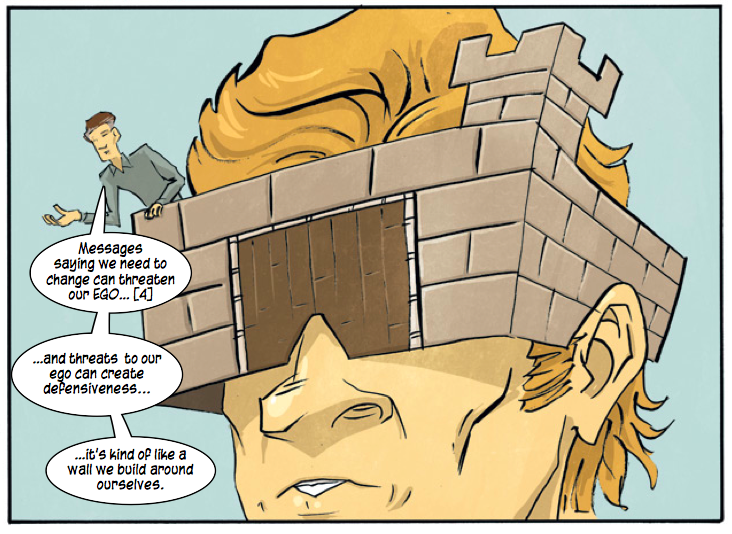
  3. Using “fear arousal” to drive behavior change only works if people have “self-efficacy” which is really important to the carrot versus stick discussion.

 Image

The book also reinforced several things:

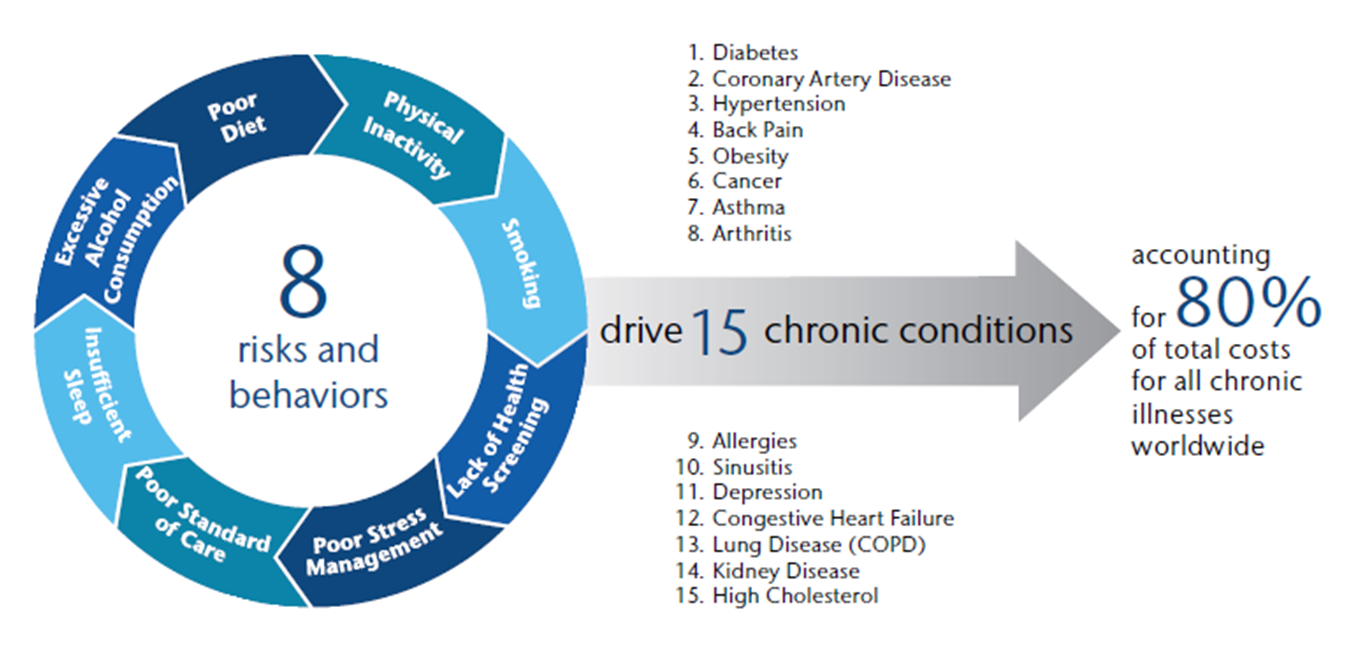
  1. Our decisions and behaviors influence our health.  (80% of health care costs are driven by 8 factors)
  2. Our decisions and behaviors are influenced by where we live.  (your zip code influences your health)
  3. Motivational interviewing is key to health care engagement. 

So, as you look at your New Year’s Resolutions and your priorities for 2014, it might be worth looking at On Purpose and understanding why the Dung Beetle was chosen to symbolize focus in the book.  

Why Healthcare Needs A New “Pope”

I was reading the Time magazine article about Pope Francis who is their Person of the Year.  In reading it, I was struck by the parallels with healthcare.

  • The church is a huge institution that is hard to change…like the healthcare system.
  • There is a need for transparency…like healthcare.
  • There is a need to address the needs of the poor…just like healthcare.
  • There is a need for new changes to embrace technology and cultural change…like healthcare.

I also looked at a few of the quotes in the magazine, and they could easily be relevant for healthcare also with a subtle change in words.

“It is necessary to broaden the opportunities for a stronger presence of [consumers] in the [healthcare system]”

“Who am I to judge”  His approach to dealing with [patients] is first about compassion not condemnation.

“How can it be that it is not a news item when an elderly homeless person dies of exposure, but it is news when the stock market loses two points.”

These parallels were reinforced this morning when I read an article about Amanda Levitt and obesity in USA Today.  We’re all familiar with the obesity bias that exists, and I certainly think obesity is an issue which we have to tackle.  That being said, we’re not going to address it by attacking overweight people and shaming them into behavior change.  If obesity is going to be a disease that gets treated, then we need to have patients and providers able to talk openly about it.

The article about Amanda and her efforts at http://www.fatbodypolitics.com also got me thinking about the link between purpose in life and health.  It’s certainly not just about a number like BMI.  If I go to http://www.dungbeetle.org (which is a new product from Vic Strecher), I pulled this quote:

Let’s begin by defining what we mean by purpose. A simple definition might be: the focused, active, values-driven pursuit of an identified and attainable goal within a given time frame. In our view, that time frame could last a day or a lifetime. In other words, your purpose is likely to change over the course of your life. Your purpose may also have different dimensions, including your family, your work, your community, and your own personal growth.

We all intuitively grasp, based on our own experiences, that we’re happiest when we have a strong purpose and the vitality to pursue this purpose. Recent groundbreaking science also tells us that a strong sense of purpose is associated with increased willpower, physical and mental resilience, and a revitalized sense of happiness and well-being.

The EveryMove 100 Ranks Health Insurance Companies…On Engagement and Empowerment

Engagement is such an essential part of healthcare.  I’ve talked about that many times and feel very passionate about how important engagement is to changing behavior and empowering consumers.  
 
I hadn’t had time to look at it when it first came out, but I finally got a chance to click on the press release from EveryMove which is a Sandbox and Blues sponsored company focused on health rewards and incentives.  
 
They put out the list of the top 100 health insurance companies in the US based on how well they engage and empower consumers – EveryMove 100 Health Insurance Index™ (https://everymove.org/everymove-100). In theory, if you could buy from any plan in any state in the exchange, this would be really helpful in selecting a plan.  Of course, as a researcher, I’d love to see some of the core data from a similar group of consumers to show how their engagement varied as they moved from one plan to another.  
 
They look at over 50 data points including:
  • mobile-friendly websites
  • mobile apps and app store rankings
  • self-service tools
  • incentive program offerings
  • community involvement
  • commitment to social engagement
  • consumer satisfaction
 The Top 10 include:
1.     Cigna 
2.     Kaiser Permanente of California 
3.     Premera Blue Cross 
4.     Humana 
5.     Anthem Blue Cross Blue Shield 
6.     Independence Blue Cross 
7.     Blue Cross and Blue Shield of North Carolina 
8.     Blue Cross and Blue Shield of Illinois 
9.     CareFirst 
10.   BlueCross BlueShield of Tennessee
 
The bottom 10 (of the top 100) include:
90. Fidelis Care
91. Highmark BCBS
92. BCBS of VT
93. BCBS of ND
94. Rocky Mountain Health Plans
95. Concordia Plan Services
96. Molina Healthcare
97. PacificSource Health Plans
98. AvMed Health Plans
99. Vantage Health Plan
100. Lovelace Health Plan
 
Since Cigna was the first company in the payer space (that I know of) to have a Chief Experience Officer, perhaps this shouldn’t be a big surprise that they rank so highly here.  

Top Health Issues From PWC

A few weeks ago, PWC’s Health Research Institute (HRI) published their list of 10 biggest issues for 2014.  Before I publish mine, I thought I’d share theirs.  I put my comments on each in [brackets].

1.  Picking up the pace of price transparency [this is an easy and obvious one…lots of energy here.]

Purchasers are demanding more information about the prices that providers charge and the government is giving it to them. Earlier this year, CMS released a trove of hospital pricing data for the first time showing significant variability in cost. Cost-conscious employers are making transparency a top factor in negotiations with health plans and providers. As more pricing information becomes public, how will consumers, employers, and insurers put the data to use and what does it mean for providers?

2.  Employers explore new options with private exchanges [an interesting and surprising effect of Obamacare…I don’t think most people predicted this would happen quickly]

More large employers are using private exchanges as a way to provide healthcare benefits to their workers. This trend will likely grow in 2014 as employers continue to explore strategies for holding down costs, shedding the administrative burden of providing coverage, and expanding plan choice for employees. 

3.  Pharmaceutical supply chain security: Combating counterfeit drugs [a long time issue…not sure if 2014 will be the year for this]

A new federal law – the Drug Quality and Security Act – is aimed at eliminating counterfeit medications in the drug supply chain. The law imposes a tight timetable on implementing the first step toward a nationwide “track and trace” system to document the journey of prescribed medications from manufacturer to patient. Drug makers will be required to begin tracking prescribed drugs in large bundles or “lots” starting in 2015. And in 2017, the industry must begin assigning serial numbers to individual “saleable units” of every prescribed product sold in the U.S. PwC estimates that the program will cost drugmakers $10 million to $50 million per manufacturer.

4.  Medicaid’s march toward managed long-term care  [agree…Obamacare will drive more people here making this critical to long-term budget management]

States are struggling to contain rising Medicaid costs in the face of an aging baby boom population that has not saved enough for health costs in retirement. Demographic and economic trends point toward many years of rising long-term care costs. States are looking to a familiar tool – managed care – to help hold the line on long-term care spending. Ten years ago, only eight states had a Medicaid managed long-term care program; in 2014, that number is expected to climb to 26.

5.  Companies rethink their roles in the new health economy  [new models will become the norm as people stop focusing on ROI and focus on how to improve overall wellness with shift to prevention]

In the new health economy, money will move differently as consumers exercise greater control over spending and more companies compete for a piece of the healthcare dollar. Competition from new entrants, incentives to take on more risk, pressures to reduce costs, and the growing influence of consumers are all forcing healthcare organizations to rethink who they are and what they offer. Many are striking new alliances, marrying their own healthcare experience with the likes of big box retailers, technology companies, and wellness companies to diversify their brands and gain an edge over their competitors. Others are forging ahead on their own by expanding beyond their core competencies. 

6.  A new mantra for healthcare innovation: fail fast, frequently, and frugally  [not sure this is new…been the mantra for years but now more mainstream]

Converging forces in 2014, including reduced government funding, will necessitate a new and leaner innovation model. Instead of fearing failure, organizations must embrace it. A discovery process focused on failing fast and frequently can help arrive at solutions in less time and with less cost. By fostering an innovative culture that brings more rigor to the process and views failure as a means to an end, companies can achieve high-impact innovations in less time and at lower cost.

7.  Social, mobile, analytics, and cloud technologies prime health industry for new business models  [new models yes…business models and ways of making revenue – TBD]

A single ecosystem of mobile sensors, devices and apps are enabling us to track everything from steps we walk to the calories we consume. Although separately these tools are not new, they are now being used to improve the practice of medicine and coordination of care. Instead of prescribing drugs, providers are prescribing exercise regimens and using data to keep patients on track to meet health goals. In 2014, the trend has the potential to fundamentally alter how health organizations interact with patients and one another to deliver care and manage health while keeping costs down.

8.  Corporate venture capital picks up the slack  [will continue with some big fails…more likely go to fund managers like the health plans have done]

As traditional venture firms pull away from funding life sciences start-ups, corporate capital will pick up the slack in 2014. With many corporations cash rich – but R&D poor – new venture funds may be a solution for stagnating innovation. New and unusual marriages are occurring between corporate cash and traditional venture capital, injecting not only money, but fresh innovative thinking and industry insights. Start-ups can benefit from a steady stream of funding that can last throughout the development phase and draw upon corporate expertise to help commercialize products.

9.  Technology is redefining the healthcare job market  [this will continue…not sure any net new changes here]

With millions of new customers, the rise of quality-based payments, and more discerning consumers, healthcare organizations require new workforce capabilities that stretch beyond traditional clinical roles into more convenient, consumer-focused technologies.  Healthcare organizations need to use technology to extend care and build a workforce that is skilled at engaging digitally with patients.

10.  A new lens on clinical trials  [big changes coming for pharma over the next few years]

In 2014, as the pharmaceutical industry comes under increasing pressure to replenish its product pipeline faster and with fewer dollars, drugmakers must re-think their research methods. Precision medicine and the continued focus on specialty products are giving rise to new clinical trial designs, such as non-randomized studies. These changes will present new challenges for drugmakers as they work to ensure the integrity of their data, recruit appropriate patients, and determine product pricing. New technologies, such as virtual clinical trials, may offer a solution. According to HRI, nearly 70 percent of consumers surveyed agree that biomedical research is an important economic growth engine, but they are unsure of their role.


The list is informed by HRI research and the input of PwC’s Health Industries professionals who work with hospitals, physician groups, pharmaceutical and medical device companies and employers. In the fall of 2013 HRI also conducted a poll of 1,000 U.S. consumers on a range of healthcare topics covered in the report. The report provides further analysis of the top issues for 2014 and outlines implications for key stakeholders. For the full report, videos with industry experts and graphics illustrating each issue, visit: www.pwc.com/us/tophealthissues.

Interesting Articles, Companies, and Links From 2013 – Part I

One of the big challenges with healthcare is an explosion of new drugs, new technology, new business models, and information.  As I begin to plan for 2014, I’m trying to clean up my e-mails.  There are so many interesting articles that I never made it to this year. 

Here’s some quick summaries direct from the stories, e-mails, or newsletters that I saved, but I’ve never had time to share with you.  Enjoy!

TracFone Wireless and Voxiva, Inc. are creating a better way for Amerigroup to reach and engage millions of members and improve their health.  SafeLink Health Solutions, a service of TracFone Wireless, was created to assist partners such as Amerigroup to stay connected with their Medicaid population. Customers receive a phone, unlimited text messages, 250 minutes each month and calls to Amerigroup’s member services all at no cost.

Juniper Research’s latest report on the mHealth market forecasts cumulative cost savings from remote patient monitoring of up to 36 billion USD globally over the next five years – under Juniper’s most optimistic forecast scenario.

Sleep infographic from the NIH – http://www.nhlbi.nih.gov/news/spotlight/fact-sheet/sleep-disorders-insufficient-sleep-improving-health-through-research.html

“Designing an Effective Behavior Change Platform” unveils the findings of a comprehensive research effort into how mobile is currently used to influence behavior, and identifies best practices within a new Mobiquity framework that furthers the goal of using mobile to achieve beneficial behavior change.

Three types of managerial activities can make a capability dynamic: sensing (which means identifying and assessing opportunities outside your company), seizing (mobilizing your resources to capture value from those opportunities), and transforming (continuous renewal). This framework, which I described in my paper “Explicating Dynamic Capabilities” [Strategic Management Journal, Dec. 2007] explains how to get the future right: how to position today’s resources properly for tomorrow.  (David Teece)

Great TED-Ed video “How to sequence the human genome”. http://lnkd.in/brdYsJf 


Turn our genes on and off like dip switches? A great and far-reaching conversation between Richard Dawkins & Neil deGrasse Tyson (1hr 17mins) http://lnkd.in/b2vKf_U

“The approach of the medical establishment to health care is to cure disease, and yet the potential exists, given the appropriate focus and funding, to eliminate most diseases.” http://lnkd.in/baM5gb6

Gluten and carbohydrates may be at the root of Alzheimer’s disease, anxiety, depression, and ADHD. Dr. David Perlmutter is author of “Grain Brain: The surprising truth about wheat, carbs, and sugar; your brain’s silent killers” http://lnkd.in/buBmYmi

Top 10 Genetics Stories of 2013. http://lnkd.in/bXQKtzp

These last 5 are from Paul Sonnier’s newletter.  You can see an infographic on digital health by him here – http://storyofdigitalhealth.com/info graphic

Up is turning data into infographics if you haven’t seen any of them – http://jawbone.tumblr.com/post/69082031058/bookworms-bikers-or-bi-coastal-jet-laggers-the

One thing I think many healthcare companies miss is the customer experience perspective.  You should look at Bruce’s top 20 posts from 2013 on this topic – http://experiencematters.wordpress.com/2013/12/26/20-most-popular-cx-matters-posts-in-2013/

Keas (www.keas.com), the market leader in employee health and engagement programs, today announced the results of its 2014 Health Trends Survey. Employees have health at top of mind for 2014, with 82 percent resolving to lose weight, exercise more, or reduce stress in the New Year — and they are looking to their employers to create company cultures of health to help them make these resolutions stick. Employees report that key motivators would be cash and prize rewards for participating in corporate health programs (55 percent) and access to health programs and on-site gyms and fitness classes (38 percent).

THE NEW YORK TIMES: As Hospital Prices Soar, a Single Stitch Tops $500 Hospital pricing is often convoluted, and hospital charges represent about a third of the total United States health care bill. In the latest installment of her health series, Paying Till It Hurts, Elizabeth Rosenthal focuses on the high price of getting stitches in an emergency room, one of the simplest procedures imaginable.  http://www.nytimes.com/2013/12/03/health/as-hospital-costs-soar-single-stitch-tops-500.html

Story about HHS and copay cards – http://aishealth.com/archive/ndbn112213-01?utm_source=Real%20Magnet&utm_medium=Email&utm_campaign=28181988

An infographic comparing US healthcare to the world based on WHO data – http://publichealthonline.gwu.edu/us-health-care-vs-the-world/

Holidays increase stress for everyone, especially caregivers. A new APA study found that more than 6 out of 10 Americans report significantly more stress during the holidays, and most of these are women. (Here’s the link.

The five semi-finalists in the Merck I Heritage Provider Network Innovation Challenge, a crowdsourcing competition that offers a total prize purse of $240,000 for breakthroughs in diabetes and heart disease research.

·         Fit4D (@Fit4D): Fit4D has developed a scalable and personalized program using an optimized mix of its Pathways technology platform and expert clinical service providers. The platform synthesizes workflow, data capture, device integration, and reporting– enabling personalized service delivery via coaches within Fit4D’s national network of nurses, dietitians, exercise physiologists, social workers & pharmacists. (http://fit4d.com )


·         Frame Health: Frame Health leverages the world’s largest personality characteristic database to produce comprehensive patient adherence profiles for the first time. In a 6 minute session, the platform determines the psychological triggers that will be most effective to use to attain medical adherence with each patient. (http://www.framehealth.com )


·         Sense Health (@SenseHealth): Sense Health crafts interactive conversations so providers can better support patients in between appointments. The Sense Health concept helps providers both create care plans and monitor care plans (and thus patient progress), while delivering SMS support to patients. (http://www.sensehealth.com )


·         Vital Score (@VitalScore): Vital Score is a new vital sign for the primary care visit, modeled on the APGAR score and checklist — simple interventions that radically improve care. Now, for the first time, the behavioral referral — whether for smoking cessation, medication adherence or care management — is as easy as writing a prescription. (http://vitalscorehealth.com )


·         Well Frame (@WellFrame): Wellframe reinvents the care plan using mobile devices, artificial intelligence, and human-centered process redesign. Wellframe has developed a clinically proven proprietary method of delivering care plans to patients as dynamically generated personalized multimedia daily to-do lists on mobile devices. (http://www.wellfra.me)

An article and interview with the author of The Lean Startup – http://www.strategy-business.com/article/00224?gko=82198&cid=TL20131121&utm_campaign=TL20131121

Healthcare Shifts from à la Carte to Prix Fixe article – http://www.strategy-business.com/article/00220?gko=4b689&cid=20131119enews&utm_campaign=20131119enews

Aetna (NYSE: ΑET) and Consultants in Medical Oncology and Hematology, PC (CMOH) have launched a first-of-its-kind patient-centered medical home model for oncology. Combining the proven results of evidence-based decision support in cancer care, enhanced personalized services, and realigned payment structure, Aetna and CMOH are collaborating to help increase treatment coordination, improve quality outcomes and reduce costs.

More to come as I catch up…

Verizon As A Healthcare Company? – Converged Health Management

You know that something has become mainstream when the large Fortune 500 companies (not already in healthcare) begin to jump into the space.  So while some people in healthcare are still trying to figure out what to do about remote monitoring, Verizon has jumped into the pool with their Converged Health Management solution. 

Now, don’t forget, people have been forecasting huge growth in this space while at the same time some of the start-ups in this space haven’t taken off as fast as expected.

I was hoping to talk with Verizon about this new effort, but they declined.  Since I had already prepared to interview them, I’m sharing my thoughts here.

What is Verizon doing in healthcare?

Verizon appears to be doing several things in healthcare.  While a lot of it is critical but less exciting back-office technology, they are starting to move into more of a consumer strategy (I think).

  • Networking
  • Cloud connectivity
  • Mobile
  • Security

What is Converged Health Management?

Converged Health Management is a “remote patient-monitoring medical platform designed to help clinicians and patients manage patients’ health in between doctor visits.”  This sounds really intriguing.  I was hoping to find out more about the device, the apps, the data, the platform, and how this is being integrated into the provider workflow.  But, for now, I’ll have to live with this video.

http://www.youtube.com/watch?v=i_dySd2Fsjo

Why is this important?

This is important because about 50% of consumers have a chronic disease, and there’s no cost effective way to manage and monitor these consumers without using technology.  Remote monitoring of patients to provide a “bridge” between physician visits and nurse consultations is critical.  But, there are several key issues to be addressed:

  • How does the device get “prescribed” to the patient?
  • How does the patient learn to use the device?
  • How easy is it to set up the device?
  • What is the cost of the device?
  • What data is captured by the device?
  • How is this data transmitted and to whom?
  • How is the data used by the patient?
  • How is the data used by the clinician?
  • How does the solution change patient behavior?
  • What rules are written to monitor the data to create escalations to the physician, their care manager, or their caregivers?
  • How are outcomes demonstrated?
  • What is the ROI?

What I learned from the Press Release…And More Questions

I was able to learn some things from the latest press release on this solution, but it also drove lots of questions:

  • “The Converged Health Management solution enables patients to use biometric devices to take health information such as blood pressure, oxygen saturation levels, glucose levels and weight from home or on the go.” [Who provides the devices?  Are these additional costs?  How are they coordinated?]
  • “Patient data is then automatically transmitted through a wireless connection to a secure server that resides in Verizon’s HIPAA-ready cloud for analysis and intervention by the patient’s clinician, including a reward system that incents patients to make healthier lifestyle choices.” [Does the MD have to log-in to a portal?  Can the data be pushed to their EMR?  What is the reward system?  Who’s running that?  Are the rewards financial?]
  • “Patients can access this information and find personalized health-enhancing suggestions via the Converged Health Management smartphone app or Web portal.  [Is this free?  Can I use it or does my plan / employer have to sign up for it?  Who provides technology and member support for this?  How many people are using it?  What’s their response been?]
  • “As part of their health program, patients can take advantage of related health information, including videos and webinars.”  [Who provides the health information?  Is it URAC or NCQA accredited?  How does this integrate with the information from their health plan?  Does the nurse and physician have access to see the same information?  Can they see what information the consumer has accessed?]
  • “In addition, patients can connect anonymously with other patients in a secure “social networking” environment, where they can ask questions, and share ideas and experiences.”  [Is this like PatientsLikeMe?  Is the data sold to pharma?  Is the environment monitored?  Does Verizon provide experts to share opinions here?]

New Harris Interactive Data Supports Focus On Hospitals And Retailers

As I’ve discussed before, trust is critical in engaging consumers.  The question always is “Who does the consumer trust in healthcare?”  We certainly know that individuals like physicians, nurses, and pharmacists are trusted, but they often aren’t the ones doing the big campaigns to engage consumers.  It’s the pharma manufacturers, the hospitals, the PBMs, the payers, the retail pharmacies, and other entities.  In my presentation at the CBI conference, I hypothesized that this is why retail pharmacy should (could) take a bigger role in the future.

The new survey from Harris Interactive reinforces that.  Of course, 42% of people don’t believe any companies, but with some healthcare companies being barely trusted more than tobacco companies, consumer engagement isn’t easy.

Harris Interactive - Trusted Industries 2013

The additional bad news from the survey is that people think more regulation is necessary in healthcare.

Harris Interactive - Regulated Industries 2013


Interview With IMS Health About AppScript – #mHealth13

“Today, there is growing recognition of mobile health’s potential to transform healthcare – to advance doctor/patient engagement and empower consumers to better monitor and manage their own health,” said Stefan Linn, senior vice president, Strategy & Global Pharma Solutions, IMS Health. “That potential can only be realized through a systematic evaluation of the clinical benefits of healthcare apps, clear professional guidelines around their use, and effective integration of apps with other aspects of patient care. With these game-changing solutions, IMS Health is establishing an intelligent, secure infrastructure for mobile health, backed by our market-leading real-world evidence capabilities and the most advanced technology platform in healthcare.”

Most of you that read the blog on a regular basis know that I was really intrigued by the idea of “prescribing information and technology” early on.  With 90,000 different health related applications, the question is which ones should you use and how should you find out about them.  Happtique started to get into this space earlier in the year, and I spoke with them at length about integrating this into a care management platform.

I was really surprised to learn that IMS Health which I think of as a healthcare data company was jumping into this space.

IMS Health is the world’s leading information, services and technology company dedicated to making healthcare perform better.

By applying cutting-edge analytics and proprietary application suites hosted on the IMS One intelligent cloud, the company connects more than 10 petabytes of complex healthcare data on diseases, treatments, costs and outcomes to enable our clients to run their operations more efficiently.

Drawing on information from 100,000 suppliers, and on insights from more than 40 billion healthcare transactions processed annually, IMS Health’s 9,000+ expert resources drive results for over 5,000 healthcare clients globally.

Customers include pharmaceutical, medical device and consumer health manufacturers and distributors, providers, payers, government agencies, policymakers, researchers and the financial community.

I talked with Matt Tindall who’s their Director of Consumer Solutions about this a few days ago (but was waiting for their press release to be out and their presentation at the mHealth Summit – which I am very disappointed to be missing for the second year in a row.)

I also read their press release about their new solutions.

IMS Health today announced the immediate availability of AppScriptTM, an mHealth app prescribing solution designed to help healthcare providers and health plans create proprietary formularies based on an objective assessment of healthcare app functionality and value. The company also announced the launch of AppNucleusTM, its customizable, cloud-based hosting platform that will enable developers to build secure, industry-compliant healthcare apps at very low cost. Both new products will leverage IMS Health’s comprehensive data on diseases, treatments, costs and outcomes.

The AppScript Software-as-a-Service solution classifies and evaluates more than 40,000 mobile healthcare apps currently available for download on iOS and Android platforms, categorized by stage of the patient journey. Each app is assessed using the company’s proprietary IMS Health AppScore, which ranks apps based on functionality, peer and patient reviews, certifications, and their potential to improve outcomes and lower the cost of care. As part of wellness, prevention and treatment regimens, physicians can organize these apps into formularies based on their specific patient population and practice preferences. In addition, AppScript enables them to securely prescribe, reconcile and track app use by patients from any mobile interface.

AppNucleus is the company’s innovative healthcare app development and hosting platform that makes it easier for app developers to offer HIPAA- and HITECH-compliant solutions. The platform, compatible with all mobile operating systems, uniquely integrates IMS Health information and analytics at every stage of app development to support design and performance evaluation decisions. AppNucleus features a suite of plug-and-play solutions, enabling patients and physicians to exchange health information on mobile devices via a secure, encrypted channel to protect patient information. It also offers app developers a highly economical way to build security into their apps and protect patient information.

Here’s my notes and key observations:

First off, I quickly learned that I missed a very interesting report that they put out in October.  This report titled “Patient Apps for Improved Healthcare: From Novelty to Mainstream” has lots of great information which I share below.  It also is essentially the business case for these new solutions.

In talking with Matt, he shared with me how IMS Health, a 60 year old company, is using their consumer solutions group to transform how people learn and manage their health.  He talked about how they want to make mobile safer, more effective, and easier.

I really wanted to understand how they determined where to look given all the apps out there.  A lot of it is in the report, but he shared how they looked at 40,000 apps and used over 25 different criteria (such as type of information, functionality, communication process used) and peer reviews to determine a shorter list to focus on.

We discussion how the short-term success of mobile is engagement, but the long-term success will have to be tied to clinical outcomes.

He walked me through the process for getting the app prescribed:

  • The physician would be using a white labeled platform (provided by their health plan, provider group, others).
  • They would select an app based on a curated formulary.
  • The patient would get a secure e-mail or a text message with a link to the app.
  • The patient would follow the link and enter a proprietary passcode.
  • This would take them into the app store.
  • They can then download the app.

This process will allow them to track “intent to download” and then whether they did download.  The key next step will be partnering with the apps and getting the patient consent to pull data back to know not only if it was downloaded but whether it was used and how often.  And, ultimately, this will have to be integrated with the provider platform.

We talked a little bit about why IMS and he talked about their knowledge of the prescriber and ability to recommend apps for their formulary based on their patterns of prescribing.

Ultimately, I think they may be in a good position to succeed here.  I think there are several key questions:

  • How are the apps evaluated?  Do clinicians evaluate the clinical algorithms?
  • How do you determine the financial viability of the apps?  Are they one-hit wonders or shiny objects or will they be around for years.
  • How do you modify the “formulary” based on user and prescriber feedback?
  • How do you integrate the tools into the physician’s workflow?
  • How comfortable will the physicians have to be with each app?  (Won’t the users have questions for them and will that be a barrier?)

From their report on healthcare apps:

  • Only about ½ of the 40,000 apps they looked at justified a deeper dive.

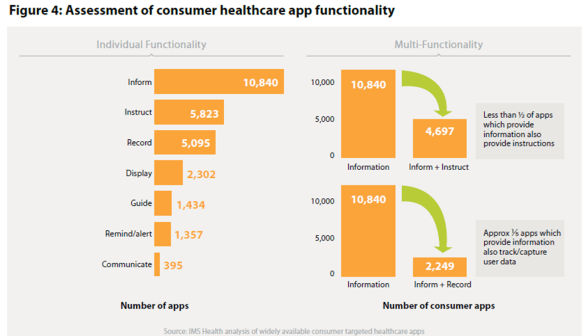
IMS Consumer App Functionality

  • They categorized the apps by:
    • Inform: Provide information in a variety of formats (text, photo, video)
    • Instruct: Provide instructions to the user
    • Record: Capture user entered data
    • Display: Graphically display user entered data/output user entered data
    • Guide: Provide guidance based on user entered information, and may further offer a diagnosis, or recommend a consultation with a physician/a course of treatment
    • Remind/Alert: Provide reminders to the user
    • Communicate: Provide communication with HCP/patients and/or provide links to social networks

They also looked at apps by therapy area and by which part of the patient journey they focus on.

IMS Apps By Patient Journey

“There’s a group [of patients] who each have several medical problems and often they have several specialists, all making recommendations. It’s often overwhelming for the patient and for the caregiver. They get overwhelmed by the number of pills and the number of recommendations that they have been given, so I feel that if everybody starts prescribing apps it could quickly lead to app overload”

Leslie Kernisan – Geriatrician and caregiver educator

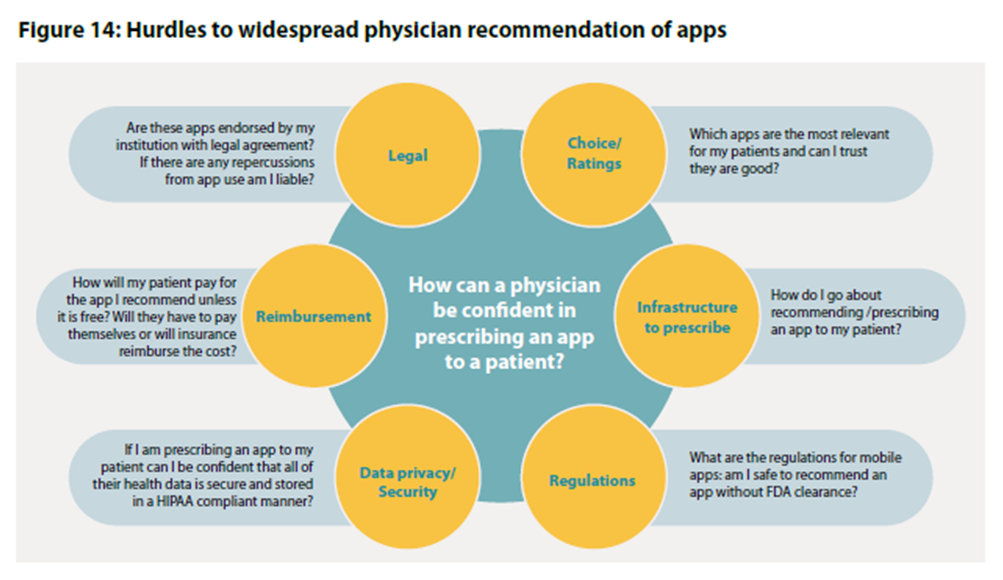
IMS MD Hurdles To Apps IMS App Maturity Model


Interview With Kent Dicks From Alere Connect – #mHealth13

While I couldn’t make it to DC for the mHealth Summit to take advantage of my press pass.  I did get the chance to set up interviews with some of the presenters. 

This morning, I met with Kent Dicks who’s the CEO of Alere Connect

From the Alere website:

Alere™ Connect develops remote health monitoring devices that deliver streamlined, cost-effective connectivity and automated transmission of secure health information across patient home, care provider, and electronic medical records. Our goal is to drive down healthcare costs by improving workflow efficiencies, patient compliance and care delivery.

Our devices provide a gateway to the Alere CloudCare™ platform, a comprehensive health information platform and suite of cloud-based tools that enables healthcare practitioners to extend their services to a broader patient population, and experience the proactive, cost-avoidance benefits and efficiencies associated with remote health monitoring. 

Kent Dicks’ bio from the Alere website:

Kent Dicks has over 25 years of successful entrepreneurial experience providing dynamic and strategic leadership in the demanding environments of Information Technology, Engineering and Aerospace/Defense. As a results-oriented leader and entrepreneur, with a strong performance record, Mr. Dicks brings his expertise in identifying niches within specific markets and his aptitude for innovation, to the field of Telehealth, specifically remote patient monitoring.

 In 2006, Mr. Dicks formed MedApps, Inc., taking his unique vision and business model for a wireless health monitoring system from concept to market innovator, at the forefront of mHealth (mobile health) today. Under Mr. Dicks’ leadership, Alere™ Connect (formerly MedApps) has developed a comprehensive remote patient monitoring system that incorporates wireless, M2M and cloud computing technologies to bring user-friendly hardware, with robust software and applications, to deliver a pioneering healthcare solution to market.

Mr. Dicks’ innovative work in this field has been acknowledged by industry and government organizations alike. As Founder and CEO of Alere™ Connect (formerly MedApps,) Mr. Dicks actively speaks on industry and government panels, discussing wireless technology’s growing role in healthcare.

As I told his PR people, I was really interesting in learning about how Alere is integrating mobile and remote monitoring into their care solutions. 

Here were my key takeaways:

  • MedApps is one of 90 companies that Alere has acquired over the years.  These include companies for Health Information Exchanges (HIEs), analytics, and informatics on top of the more traditional care management services. 
  • Kent has been working in this area for the past 6 years trying to establish the marketplace.  He pointed out some of the challenges of disparate systems and viewpoints with no common platform.  There is a definite need for some consolidation. 
  • He said that they are focused on building “the Onion” where clients can pick and choose what they want in terms of services and technology.  (i.e., a one-stop shop for customers)
  • We talked a lot about mobile and smartphones.  I’ve talked to a lot of people over the years, but he’s one of the first that wasn’t overly enamored with the promise of the ubiquitous smartphone.  He’s trying to solve the problem of mobile engagement for the 15% of people driving healthcare costs and acknowledges that they may be elderly and indigent.  If they have cell phones, they might be pre-paid ones.  They may not have WiFi at home. 
  • He talked about their efforts to develop an end-to-end solution that integrates with the cloud sending small packets of data.  We also talked a little about how Partners is giving this to people who are less technology savvy based on their initial experiences.
  • He also mentioned CardioCom and Ideal Life as two companies with similar focus on this 15% of patients and using technology to address their needs.
  • He said that Alere is already one of the largest users of remote monitoring and will deploying the solutions to tens of thousands of patients this next year. 
  • We talked about simplicity and having the user do nothing but press a button where updates can be pushed to them and their devices through the hub.  I think this is critical.  We also talked about my experiences with a hypertension remote monitoring program and the challenge of educating the consumer.  It’s one thing to make the device simple to use.  You still have to get the patient to use the device on a regular basis and use it properly.  We both agree that this is still a huge barrier. 
  • Another challenge we talked about is creating too much data.  As we put devices in the home, we have to have ways to assimilate the data in an organized manner and then run algorithms on the data to put it into context based on age, weight, gender, disease, and other factors.  Then, that has to be linked into an automated workflow to trigger a communication, a message on the device, or a call from a nurse. 
  • We talked more about clinicians and devices.  He had a good point about “making clinicians be clinicians not technicians”.  I think that gets lost sometime. 
  • He also pointed out that one of the big value propositions is that a real-time monitoring solution helps the nurses to focus on the right population that’s not being compliant.  That’s a win for both the consumer and the nurse. 
  • He said they have 40,000 people on remote monitoring today and are finding it extremely cost effective.  They’re not using it with every patient, but with the sickest of the sick.  As they’ve dropped cost, this allows them to keep the devices with patients longer as they’ve seen others only use them for 90-120 days. 
  • He talked about using the technology to reduce 30-day re-admission rates. 
  • My last topic of discussion was how to use this to help the provider (think ACO or PCMH).  He talked about the fact that providers want integrated data in one place with key information.  They’ve developed a portal for providers and are working with Virtua to integrate it into their EMR. 

It was a great discussion.  He seems to have some great experience in the space blended with a practical approach to what needs to get done and how to get it done.  There are a lot of shiny objects in this space.  Kent seems to have a good long-term approach as to how to make this into an integrated strategy that could ultimately move the needle for Alere.  

Could The Blues Build Their Own Optum?

I’ve suggested this to a few people in the Blues community, but the recent projections from United Health Group about the growth in their Optum business unit compared to the rest of their business got me thinking about it again.  

Image

If you think about Optum, they were basically composed of Ingenix (data and consulting), Prescription Solutions (PBM), and Optum which included utilization management, disease management, wellness, case management and many other services.  

So, if we look at the Blues today, they have several investments that could be used to create an Optum competitor.

If you pulled some of the services back out of the Blues that they’ve insourced over the past few years from companies like Healthways, they would have all the technology and services that Optum has.  They would need a few Centers of Excellence models which I don’t know that they have, but if this is the growth engine for the healthcare industry, there seems to be some great opportunities here.  

Are Sports Good For Kids?

This was an interesting question that I was thinking about this morning.

I could take this several directions:

  • I could look at the benefits of exercise from sports (assuming the kids actually got enough exercise in practice – see older blog post).
  • I could look at the benefits of working in a team which I see from team sports.
  • I could look at the recovery benefits of losing and coming back which is very important in business and life. (how do you handle adversity)
  • I could look at the dangers of sports.
  • I could look at concussions in football and the discussion of helmets for soccer.
  • I could look at the negative impacts of parents on their kids relative to sports.
    • Fighting at sport events.
    • Pushing their kids too far.  (below are some things I’ve heard and seen)
      • Just keep running even if you throw up.  You’ll be fine.
      • If you have to pee, just pee in your swim suit.  You can’t be distracted during the meet.
      • If you do that again, we’re going to get up at 5 in the morning and go to the gym and practice it 100x before school.
      • You need to work harder so you can be in the Olympics at 16.
      • This is our college plan.  They have to be the best at this sport.
      • I pulled them out of school so they could practice more.  (The kid was 7.)

But, I saw an article about the time that kids start school, and it got me thinking about sleep and sports and the impact on kids.

Let’s start with some established facts:

sleep guidelines

Now, let’s assume most grade schools start around 8:00.  (My kid’s school starts at 7:30.)  That means that they likely have to get up by 7:00 at the latest.  So, they should be in bed by 9:00 PM on average probably earlier for most kids and families where people are catching the bus or driving to school.

If their sports are starting practice or games after 6:00 PM, how likely is it that they’re home, calmed down, with their homework finished, and in bed by 9:00 PM?  Even if they are, how many parents are getting their kids to bed by 9:00?

“Sleep may be the most important, though overlooked, contributor to your children’s development and health. The reality is that children can survive without exercise and on little food (though I don’t recommend either), but all children need sleep. It’s often unnoticed because you don’t usually see your children sleeping and its benefits are not readily apparent (though its costs usually are).

The influence of sleep on children is profound. Quality sleep has been found to be associated with improved attention, reduced stress, greater emotional control, better mood, improved memory, greater ability to learn and return information, better grades, improved mental health, lower risk of obesity and other health problems, and longer life.” (From a good article on kid’s sleep in the Huffington Post)

So, just to be clear…I think kids should be in sports.  I just think we (as parents) need to be more concerned about making sure we don’t sacrifice our kid’s sleep on a regular basis for them to play sports and lead them into health issues and school issues.  The tradeoff isn’t worth it.  (IMHO)

Pharmacy Satisfaction – Retail Beats Mail

With the new JD Powers survey, the gap between retail pharmacy satisfaction and mail order has widened. The average mail order satisfaction score was 797 for mail versus 837 (out of 1,000) for retail.

I think one key comment from Scott Hawkins, director of the healthcare practice at JD powers was:

“One of the key things we’ve seen in the data is that if someone is feels compelled to use a mail-order [pharmacy] their satisfaction score is going to be lower than someone who chooses to use it on their own.” (From Nov 2013 Employee Benefits News article by Andrea Davis)

If I was still at a PBM, I’d push to see the results broken out both ways so I could compare apples to apples the then say the drag was from clients choosing mandatory mail.

The rankings for mail order were:

Kaiser – 868
Humana – 845
Walgreens Mail – 812
OptumRx – 798
Prime Therapeutics – 794
Express Scripts – 783
Aetna – 778
Cigna – 771
Caremark – 760

The two I find the most interesting are Prime Therapeutics and OptumRx as both of them have moved their mail order services in house in the past few years and seem to be doing well with it. Aetna has outsourced their solution to Caremark and Cigna just recently outsourced their mail order to Catamaran which wasn’t on the list (but may be in the survey).

If E-Prescribing Doesn’t Have All The Data…Is It Helpful?

This is an interesting dilemma.  At this point, I think everyone is pro e-prescribing even if it’s simply for the benefit of reducing errors.  But, I think the original intent of the solutions were to do a lot more than reduce errors.

The hope was to improve adherence (which I think may have been too lofty).  The idea was that e-prescribing would reduce the abandonment rate at the pharmacy.  I’m not sure picking up a prescription is the same as taking a prescription.  And, taking a prescription once isn’t the same as staying adherent over time.

Another hope was that the use of e-prescribing would drive formulary compliance and increase generic utilization.  The idea was that putting this information in the hands of the prescriber would allow them to make more real-time decisions that were aligned with the consumer’s interests (i.e., lower out-of-pocket spend).  The latest report doesn’t seem to support this at all.  It also echos my prior posts about whether e-prescribing was aligned with pharma at all.

Fewer than half (47.5%) of the 200 PCPs polled said they have access to formulary information when e-prescribing, and fewer than a third said they have access to prior authorization (31.0%) or co-pay (29.5%) information. Among physicians with formulary information access, that information was available 61.1% of the time and was said to be accurate 68.6% of the time.

Physicians with an EMR (54.1%) were more likely to have access to formulary information than physicians without an EMR (29.6%). And differences were seen depending on the EHR vendor: Allscripts physicians (32.2%) were less likely to have access to this information than “All Other” software suppliers (60.5%), Epic physicians (62.5%) and eClinicalWorks (68.8%). 

Another big effort that e-prescribing and integration with EMR was going to have was to push utilization management (UM) to the POP (point of prescribing) rather than having the pharmacy and the PBM dealing with it.  I never really thought this would work.  If the information isn’t there or they don’t trust the information, the prescriber isn’t going to want to deal with this.  It’s already work that they let their staff handle and isn’t something they want to deal with during the patient encounter.

While e-prescribing is definitely here to stay and becoming the norm, the question is whether it’s creating simply a typed “clean” Rx to transmit electronically or whether it’s actually an intelligent process which will enable better care.

Given multiple studies and surveys recently about transparency in healthcare billing and the general push with Health Reform to drive to outcomes, I’m not sure the “dumb” system process can be a sustainable value proposition.

Three Recent Specialty Pharmacy Reports

Last week, I noticed three recent reports that have come out about specialty pharmacy.  I haven’t had a chance to really dig in to them , but I thought I’d pull out a few of the PR highlights and share the report links here.

The first report is from the Center for Healthcare Supply Chain Research and Health Strategies Group — “Specialty Pharmacy: Implications of Alternative Distribution Models” — which looks at how providers are using buy-and-bill and white bagging.

Karen J. Ribler, Executive Vice President and COO of the Center, notes, “Distributing specialty pharmaceuticals is complex; curbing costs is just one of the many facets of providing patient-centered healthcare. Site-of-care and day-of administration dosage requirements revealed themselves as determining factors for supporting the use of one method over another. A critical look at unintended consequences leads to our conclusion that Buy and Bill is, for the time being, the preferred model for practitioners of medium to large oncology clinics, but that could change as specialty treatments evolve.”

CVS Caremark just released their report Specialty Trend Management – Where To Go Next.  In there, they say:

Infusions are increasingly being done in a hospital setting where the costs for both the drug and its administration can be the highest of all potential sites of care.  For example, costs for a standard dose of a drug for rheumatoid arthritis can vary from $3,259 for the drug and $148 for administration when infused at the patient’s home to $5,393 for the drug and $425 for the administration when infused as an outpatient procedure at a hospital. In fact, the hospital setting is typically the least cost-effective site of care for infusions. (source)

As I’ve been doing lots of work lately in identifying and segmenting the population for Population Health Management, I found this chart interesting:

Image

http://lab.express-scripts.com/prescription-drug-trends/specialty-drug-spending-to-jump-67-by-2015/

And, last month, Prime Therapeutics released a report on Specialty Pharmacy which I blogged about.

Obamacare Will Be A Great Case Study

When I think back to business school, I can only imagine in a few years that Obamacare will be a great case study for business school students to use.  It begs lots of questions that really test someone’s decision making ability.

  1. You know healthcare is a huge issue for the country.  How do you respond?
  2. You create a law that divides the country.  How do you get people to focus on the benefits of the law?
  3. You create a law that no one understands and has to go to the Supreme Court.  How do you defend it?
  4. You have to negotiate with lots of powerful groups to get everyone on board.  How do you manage that?
  5. You decide to go with a web based strategy for sales and distribution.  How do you develop and test that?
  6. You find out early that your web portal has functionality and security risks.  What do you do about it?
  7. You have a failed launch and need to fix it.  How do you do that?
  8. You made a promise to people about keeping their healthcare which everyone in the industry knew wasn’t true.  What do you do now?
  9. You make changes on the fly that affect your partners and will affect other long-term components of the plan.  Do you sacrifice for the long-term for short-term political gain?
  10. You have a chance to admit the complexities of the healthcare system and move forward.  Do you take it or stick to your guns?

I could go on, but it is fascinating.  I think these last few weeks of decisions have been crazy.  I hope there’s some group of healthcare people that really understand the current US system advising him, but it doesn’t seem like it.  Or, the administration is deliberately making choices to shift blame.

Allowing health insurers to extend individual plans that they’ve already cancelled is crazy.  It’s driving mass confusion with consumers.  It’s lighting up the call centers.  And, ultimately, if those healthy consumers go back to the plans, the underwriting for the exchanges will be garbage meaning that they health insurers will lose their shirts.  This will then mean that they underwrite with even higher prices for 2015 which will create a vicious cycle.

Like I’ve said before, this started with good intentions, but it has been a series of bad decisions.  Some things had to happen.  Nothing happens without some failures, but at some point, we need better decisions to be made.

Express Scripts Excludes 48 Drugs On 2014 Formulary

Is anyone really surprised here?  We saw CVS Caremark make some changes a few years ago that caught everyone’s attention.  (You can see a good list of 2013 and 2014 removals and options here for CVS Caremark.)  This year, it’s Express Scripts (ESRX) who’s caught the attention of the press.

Why do this?  I think Dr. Steve Miller did a great job of explaining it in a recent interview.  The most interesting thing to come out of this was the possible link to copay cards.

Pharmalot: Where to from here?

Miller: We obviously have a long-term strategy. This has sent a loud message to the marketplace that we have got to preserve the benefit for patients and plan sponsors and do things to rein in costs. As there are more products in the marketplace that are interchangeable, we’ll do more to seek the best value for our members. This is just the beginning of a multi-step process over the next several years.

Will there be more to come?  Of course.  The PBMs have to make a significant show of lowering the number of formulary drugs especially in the oral solid (traditional Rx) space to make the point to the pharmaceutical manufacturers that they control market access.  This is critical for them to create more opportunities in the specialty Rx space around rebates.  (Here’s the 2014 Express Scripts exclusion list)

Additionally, this is a low risk strategy for several reasons:

  • The disruption is minimal.  While 780,000 people sounds like a lot, it’s still just 2.6% of the population covered by these formularies.  The savings the employer will generate per disrupted member will pay for the extra customer service needed.  (Harsh reality to some people…I know)
  • As I’ve discussed before, the margins are in specialty pharmacy and mail order generics not in branded drugs which represent less than 20% of all drugs.  Therefore, this is a good place to make a stand.
    • From an old JP Morgan analysis from 2011, Lisa Gill estimated the PBM profits to be (all in 30-day equivalents):
      • $1.69 retail brand drug
      • $2.03 mail brand drug
      • $3.00 retail generic drug
      • $13.00 mail generic drug
  • This is based on a clinical review by an independent P&T committee.  Therefore, this is aligned with the health reform focus on outcomes and value.

New/Old Accusations About PBMs And Their Margins

PBMs (or Pharmacy Benefit Managers) are big business.  Just look at a few of the names and their place on the Fortune 500 list:

Not surprisingly, none of those are non-profits.  There is real money being made here.  It’s all part of the mark-up game in healthcare.  The question of course is does the money being made justify the profits.  For example, I’m happy to pay my banker lots of money as long as he’s earning me more than he’s making (and significantly more).

This is a complicated question.  (see past posts on What’s Next, Why People Don’t Save With Mail, and Growing Mail Order)  I’ve also presented on this topic several times in the past pointing out that the model needs to change, and re-iterating the fact that PBMs made a mistake by putting all their profits in the generic space.  I’ve always said that disintermediation would happen by focusing on generics at mail which is where all the money was at Express Script (8 years ago).  [People remind me that some of this has changed and is different across PBMs.]

The new Fortune article by Katherine Eban called “Painful Prescription” certains shows a dark story.  It focuses exactly on one of these scenarios which is the gap between acquisition cost and client cost.  The article talks about paying $26.91 for a drug but selling it to the client at $92.53.  I’m always reminded of the fact that at one time we used to buy fluoxetine (generic Prozac) for about $0.015 per pill.  On the flipside, we had brand drugs that we bought for more than we got reimbursed and lost money.  It was strange model.

So, here’s my questions:

  1. Do you want transparency?  If so, there are lots of “transparent PBMs” and many larger PBMs will do transparent deals.  You can also follow the Caterpillar model.  (Don’t forget that pharmacy represents less than 20% of your total healthcare spend so you can find yourself down the rabbit hole here trying to shave 2% of spend on 20% or 0.4% of your costs with a lot of effort.)
  2. Are you focused on anamolies like this one or average profits per Rx?
  3. Do you have the right plan design in place?
  4. Do you have a MAC (maximum allowable cost) list both at retail and mail order for generics?
  5. Are you getting the rebates and any admin fees from pharma for your claims passed through to you at the PBM?
  6. If you pay the PBM on a per Rx basis (i.e., no spread allowed), what are they doing to keep your drug costs down year over year (i.e., they have no more incentive to push down on suppliers)?
  7. Are you benchmarking your pricing?  Look at reports from places like PBMI.  For many smaller clients, I often wonder if the savings they find you is worth the costs.

I’m sure there’s more since I’ve been out of the industry for a few years, but while I don’t intend to be the defender of the industry, I do like to bring some balance to the conversation.

Can You Keep Your Prior Health Insurance – No

“That means that no matter how we reform health care, we will keep this promise to the American people: If you like your doctor, you will be able to keep your doctor, period. If you like your health plan, you’ll be able to keep your health plan, period. No one will take it away, no matter what.” President Obama, June 15, 2009, from a speech to the AMA

You know what…that was a great campaign soundbite. It might have even been what he wanted. But, it’s not reality. They made a mistake. Move on. Everyone in healthcare knows the industry needs reform. I think the administration would be better off to admit they were wrong and focus on the benefits of reform and stop trying to defend what they’ve said.

Instead, they continue to try to justify this statement – see whitehouse blog. Stop kidding yourself or get out of the ivory tower. It’s like trying to build a website without any experience. It makes no sense.

As I said the other day, just like healthcare.gov isn’t the same as Health Reform (PPACA).  The same goes for this statement.  Healthcare needs to change.  There are some good things here, but healthcare is complicated and the administration made some mistakes.

At the end of the day, I think we have all been surprised at the rate of change especially for big companies:

People are jumping on this opportunity to drop coverage and shift coverage to the exchanges. Someone should have been able to model out all these scenarios years ago. What if this drives lots of companies to lower hours so that people don’t get coverage and they don’t get penalized. That would be a disaster. We don’t want a society where everyone’s balancing 2-3 jobs just to get to full-time hours. (Of course, some people do it just to pay the bills.)

On the flipside, the idea of creating better healthcare coverage for individuals was a good one, but I’m not sure why anyone thought this would be price neutral. In establishing a baseline offering which everyone has to have (e.g., maternity benefits), this is going to drive up costs. By requiring pricing for 2015 before anyone has experience with 2014 is just going to require companies to underwrite a lot of risk and drive premiums up.

As a good summary read of issues, read 31 Things We Learned in HealthCare.gov’s First 31 Days.

Should Physicians Be Taught To Stop Trying?

With several recent articles about $100,000 plus cancer drugs, I was reminded of a conversation I’ve had with several oncologists. We were discussing how to use advanced illness counseling from companies like Vital Decisions to help people and their families manage through a terminal diagnosis.

On the one hand, that seems like a conversation that a physician could / should have, but I’ve highlighted some research on this before. On the other hand, in a FFS (fee for service) world, there is an incentive to keep doing everything possible regardless of costs and how long it extends life. Will this change in a value based payment model? I’d like to believe it will. There is so much money spent on care in the last few months of life with limited extension of life and questionable impact on quality of life that this may become more relevant.

But, what struck me in my discussions is that the oncologists said that no one ever taught them how to “give up” on the patient. They see success in curing the patient or getting the cancer in remission. Is that success? Is it giving up to stop pumping them full of drugs with minimal value? Is there a rationale price for each day of extended life?

We typical think of healthcare as an endless bowl of funds, but what if it was limited? What if we couldn’t just keep printing money and raising the debt ceiling? Should that $200,000 be spent to get two weeks of life for a 90-year old patient in pain or should it go to feed a family and provide them with medical care for several years?

I’m not sure who wants to make those decisions but I think there will be a day when we need to think differently about some of the healthcare choices we make.

Trajectory Modeling On Adherence By CVS

No one who works with consumers or who studies adherence should too surprised that people are different in how they fill their medications. I think companies are finally getting a better handle on longitudinal member records and ways of studying those patterns to determine how and when to intervene.

Our past behavior is always a great place to learn from about our future behavior but at the same time, people view different drugs and conditions differently. For example, I might be very likely to take my pain medication everyday since it’s a symptomatic condition versus my cholesterol medication since it’s an asymptotic condition. I also may take a different approach yo medications that have significant side effects.

At the same time, these data is well known so the quest for the “best” segmentation approach and behavior change model continues.

With that in mind, I finally got a chance to look at some research from September that researchers at CVS Caremark and Brigham and Women’s Hospital published in the journal Medical Care. They used trajectory modeling to follow statin users for 15 months and came up with six groups:

  • Brief gap in medication use or filled irregularly during the first nine months, but improved during the last six months (11.4 percent)
  • Slowly declining adherence throughout the 15 month period (11.3 percent)
  • Used statins only occasionally across the 15 month study period (15 percent)
  • Rapid decline in statin use after initiation (19.3 percent)
  • Virtually no fills after their initial fill (23.4 percent

They also identified some characteristics associated with adherence:

  • Higher adherence was seen with patients who were older, had higher incomes and held a high school diploma.
  • The highest adherence rates were associated with Medicare Part D clients and people who live in New England.
  • Those with the lowest adherence rates tended to be generally younger, male and less likely to have an initial prescription that provided them with more than a 30-day supply of medication.

Troyen A. Brennan, MD, MPH, Executive Vice President and Chief Medical Officer of CVS Caremark:


“The use of trajectory models could help us more accurately identify patients at risk for medication nonadherence so we can develop and implement targeted interventions to help them stay on their medications for chronic health conditions.”