Archive | Innovation RSS feed for this section

Viral Marketing in Health: Humana Steps Up

I talked about Humana‘s innovation group a few days ago. They have done it again with two new games. One is on HumanaGames.com and the other is a Facebook application.

The Freewheelin Cycle Challenge is an online bicycle-racing videogame that matches you and a quirky virtual opponent. To make it to the finish line first, players energize their bicyclist and pick up speed by capturing nutritious snacks, such as nuts and oranges. They lose energy, however, by rolling over holiday junk food, including candy canes, cookies and other sugary snacks.

“The Battle of the Bulge” is an application that will be available at Facebook.com beginning Dec. 24. To participate, users go to “The Battle of the Bulge” Facebook page and answer a few questions about their lifestyle, including exercise and eating habits. Based on the responses, users are assigned a virtual waistline, affectionately called a “bellytar.” The goal of the game is to maintain an ideal weight.

But it won’t be easy. Other “friends of flab” can “fling fat” your way, making your bellytar’s pants literally bulge at the seams. In a worst-case scenario, you could be headed toward an online heart attack. To shape up, simply answer questions about exercise correctly and watch your bellytar shrink before your very eyes. Then answer questions about nutrition correctly to fling some fat of your own.

I find these to both be great examples of viral marketing which Seth Godin does a good job of explaining on his blog. Obviously, there is a long-term objective here which is driving healthy behaviors and positioning Humana as a leading edge company. They also hope to learn about human behavior and understand how tools like these can affect healthcare.

A Few Examples Of Technology Going Mainstream

Two things caught my attention this week on how technology (especially social networking) is making its way into the mainstream.

In today’s USA Today, they compare this year’s Heisman winner (Sam Bradford) with last year’s winner (Tim Tebow).  As it runs through their statistics – age, year, records, first place votes, one jumped out at me – Facebook friends.  They actually compared how many friends the two quarterbacks had in Facebook.  Really…how does that matter?

A few days ago, Michigan’s GOP Chairman Saul Anuzis announced his interest in leading the Republican Party via Twitter.  Who was subscribed to his Twitter feed would be my question?

“It would be suicide for the Republican Party and conservatives to not aggressively embrace technology,” said Matt Lewis, a writer for the conservative Web site Townhall.com. “The world is dramatically changing in the way people get their information and the way they communicate — the party needs to change with it.”

Both examples make the point that these technologies are here to stay and are revoluntionizing the way we think about communications, marketing, personal branding, etc.  Where is healthcare?  When is the last time you saw the CEO of a major insurance plan providing his Twitter feed to the members?  In most cases, you can’t even find contact information for a lot of companies anymore.

Humana is “Crumpling It Up”

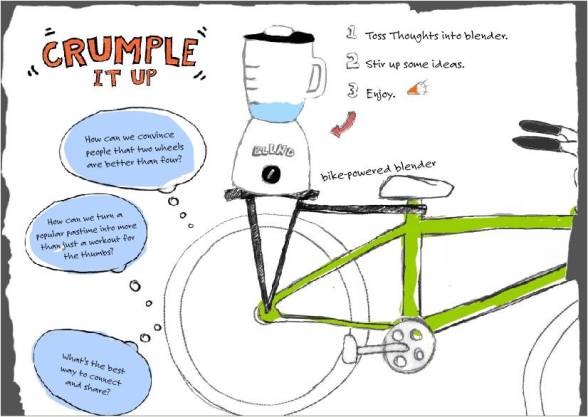
I have given it away in the title, but would you have looked at the webpage below and imagined this was from Humana.

crumpleitupYou can go to their website CrumpleItUp to learn a little more about what they are doing with bikes called freewheelin and what they are doing around games and health.

They have a fascinating group there in Louisville that works on innovative ideas.  A lot of them don’t drive the core business of health insurance but they are related to improving the health of the general public or looking at interesting ways to use technology.

They have recently added a blog about this that you can see here.  Additionally, I had a chance to meet with Grant Harrison from this group at the WHCC and also hear him speak as part of a panel on innovation.  I was very impressed with him and a few of the other people in the group.

As John talked about over at Chilmark Research, it is refreshing to see someone focusing on this type of innovation.  When I talked about innovation with a reporter recently, I suggested that Humana would be one of the first groups that they should interview.

Want Senator Daschle To Come To Your HC Party

Obama’s team is leveraging the power of the people to solicit input.  You can go to their site www.change.gov to provide input. 

He is specifically asking for groups to meet on healthcare and document their thoughts.  Senator Daschle will attend at least one of these events personally.

It worked to get him elected so it will be interesting to see what they get and how they leverage this.

Genetic Art

I was reading about this company DNA 11 the other day, and I found it a pretty cool concept. They take your DNA and make it into art focusing on the 1% that is unique. According to the article in American Way magazine, prices ranged from $390 to $1,200 with 25 color options or the ability to request a custom color (to match your sofa perhaps).

They can do pets, fingerprints, and lip prints.

Wisdom Of The Crowd – Socializing Wellness

You probably caught the articles last year about how obesity seemed to spread throughout social networks. Now, in an article in the Washington Post (5/27/08), they talk about another example of research showing that smoking is similarly affected by social networks. Theoretically, this research could have significant implications for using social media (i.e., Facebook, MySpace, SecondLife). I can easily imagine blogs out there following people’s efforts to lose weight or quit smoking. I can see a Facebook “badge” or “sticker” congratulating someone for not smoking.

In a study published last week in the New England Journal of Medicine, the team [Nicholas A. Christakis, a medical sociologist at the Harvard Medical School, and James H. Fowler, a political scientist at the University of California at San Diego] found that a person’s decision to kick the habit is strongly affected by whether other people in their social network quit — even people they do not know. And, surprisingly, entire networks of smokers appear to quit virtually simultaneously.

Some of the observations that they found which seem interesting included the way non-smoking spread throughout a interrelated but not always directly related group. I don’t find that too surprising. If everyone quits and it is no longer “cool” or accepted you are marginalized and likely to feel pressure to quit. This was a concern that they noted which might lead to other negative health outcomes for the group that doesn’t change.

In a small group of my friends, I have seen one person’s efforts to lose weight (which included drinking less) impact the broader group. Others lost weight. Less beer is consumed when we get together. And, there is more discussion about the gym and running and other activities. For those who aren’t interested in those topics, they miss out on part of that dynamic.

  • A person whose spouse quit was 67 percent more likely to kick the habit.
  • If a friend gave it up, a person was 36 percent more likely to do so.
  • If a sibling quit, the chances increased by 25 percent.
  • A co-worker had an influence — 34 percent — only if the smoker worked at a small firm.

“It could be your co-worker’s spouse’s friend or your brother’s spouse’s co-worker or a friend of a friend of a friend. The point is, your behavior depends on people you don’t even know,” Christakis said. “Your actions are partially affected by the actions of people who are beyond your social horizon” — but in the broader network.

“People quit in droves — whole groups of people quit together at roughly the same time,” Christakis said. “You can see it ripple through a network. It’s sort of like an ant colony or a flock of birds. A single bird doesn’t decide to turn to the right or the left; the whole flock has mind of its own.”

From a employer, health plan, or even individual perspective, the question is how do we capitalize on this? How can we create wellness programs that leverage this “viral marketing” approach to drive behavior across the “colony or flock” to quickly and efficiently drive change. Certainly, this is where I see an opportunity for some of the Health 2.0 type of companies to play a role in creating communities and enhancing dialogues on key topics to enable this process faster and make the reach broader.

Guest Post: Health Researchers Obtain Grants for Video Game Study

12 US research groups were awarded grants this week in order to conduct studies on how interactive video games affect players’ health. There has been a lot of press lately for Nintendo Wii and its many health benefits. It seems that the Wii isn’t the only gaming system to influence a person’s lifestyle choices where health is concerned. Of course, not all games are having a positive influence.

Grants totaling up to $200,000 were given to each research team, all of which are connected with a major US university. The generous donations come from Robert Wood Johnson Foundation (RWJF), a private foundation that is dedicated to improving the health of all Americans.

In regards to the grants, RWJF program officer Chinwe Onyekere stated:

We have been actively working in this area since 2004. Over this time, we have heard repeatedly that there is a need for stronger evidence that games can improve health and healthcare and support the growing realization that games can make a real difference in public healthcare in the United States.

Our vision is that in the coming years we will have a thriving marketplace of well designed, compelling interactive games that draw on this evidence base to become highly engaging and effective tools for improving the health and healthcare of Americans.

The 12 teams are currently working on projects that focus on different age groups and behaviors. Maine Medical Center, for example, was awarded a grant for its study, “Family-Based Exergaming with Dance Dance Revolution (DDR)”. The aforementioned game, DDR, is extremely popular with children and young adults. It involves moving on a small, portable dance floor while a video with instructions plays on the screen.

Research grants were dispersed by RWJF in order to study things like “the potential of physical activity video games to serve as innovative, cost-effective ways to help people recover motor skills after experiencing a stroke” or “health impacts of online mobile mini-games for people with type 2 diabetes.” Another group of 12 research grants will be awarded next year.

By-line: Heather Johnson is a regular commentator on the subject of CNA Classes Online. She welcomes your feedback and potential job inquiries at heatherjohnson2323 at gmail dot com.

Wii Fit: Using Technology To Teach Wellness

I talked about the Wii a few months ago when we first got one. At the time, I didn’t know that Wii Fit was coming.

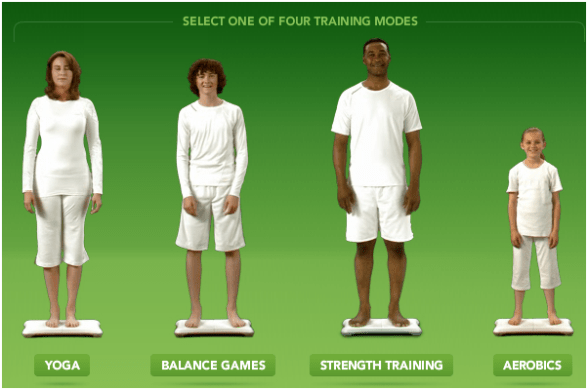
This past weekend we happily bought it, and I enjoyed it. It tells you your BMI. You can do yoga. You can do aerobic exercise (running, hula hoop, step aerobics). You can do agility exercises (downhill skiing, tight rope walking). I was a little skeptical, but I have been fascinated by the Wii so far.

And, I loved the fact that my 6 year old could get into it. She loved that once you put in your height, and it calculates your weight that it changes your Mii (avatar) to reflect your likely dimensions. She spent lots of time on the yoga moves that I probably never could have gotten her to do in a traditional forum.

This creative use of technology gives me a lot of hope for how we can teach our youth, drive rehab programs, and impact people.

Now what I am looking for is when will we see a competition to lose the most weight only using the Wii for training.

Book Review: Health Care Reform Now!

Health Care Reform Now! A Prescription For Change is the latest book by George Halvorson (CEO of Kaiser Permanente). I have been talking about it and using quotes from it for a few months. I finished the book a few weeks ago and figured that I better carve out the time to capture my thoughts now.

First, if you are looking for a great book on why healthcare is a big issue in this election, you don’t have to look any further. As someone running one of the biggest healthcare entities in the US, George clearly knows what he is talking about and speaks from a position of authority. I know that he has talked with all of the candidates about their policies.

If you are in healthcare and trying to be a catalyst for change, you have to read the book. It is pointed, opinionated, and supported with lots of facts and examples. If it doesn’t make you want to change what we have, I would be shocked. Some of the examples of mis-alignment are scary.

Some of the facts he shares:

  • Family health insurance rates in CA already exceed the per capita income of 147 countries.
  • General Motors now spends more money on healthcare then on steel.
  • Nearly 50% of the time, patients in the US are receiving less than adequate, inconsistent, and too often, unsafe care.
  • Healthcare costs are unevenly distributed in America.
    • 1% of the population uses 35% of the healthcare dollars
    • 5% uses 60%
  • Care linkage deficiencies abound – and can impair or cripple care delivery.
  • Economic incentives significantly influence healthcare.
  • Systems thinking isn’t usually on the healthcare radar screen.
  • Most of our costs are for chronic diseases – primarily diabetes, congestive heart failure, coronary artery disease, asthma, and depression.
  • Prevention is a lot less expensive than addressing these chronic diseases at their late stages.
  • The US ranks 35th in the world in infant mortality.
  • We could cut the complications of diabetes by 90% with best care and involved patients.
    • We could cut second heart attacks by 40%.
    • We could cut school and work days lost because of asthma by 90%.
  • Incentives work…yet while we have 9,000 billing codes for procedures and services not one of them is for curing someone or improving someone’s health.
  • There is up to a 60% difference in the 5-year mortality rate for breast cancer patients, depending on which hospital’s surgery team did the surgery.
  • 1 in 10 doctors use electronic medical records (EMR) and only 5% of hospitals use computerized physician order entry (CPOE). This means our history exists mostly in paper files with no standards.
  • Almost 50 developing nations have higher immunization rates for preventable childhood diseases than the US.
  • The Institute of Medicine showed that it takes “seventeen years before a proven new technique becomes the standard of care in a given medical specialty.”
  • There were 2,000 published clinical trials in 1985 and 30,000 published in 2005. (Can your provider really keep up without an electronic system?)
  • Diabetes is the number one cause of new blindness (90% preventable) and foot and leg amputations (85% preventable). It is the number one co-morbidity associated with death from heart failure.
  • Asthma causes – 2M emergency room visits, 500,000 hospital stays, 5,000 deaths, and 14M lost school and work days per year.
  • The vast majority of asthma attacks can be prevented.
  • If Americans were 5-10% thinner and walked just 30 minutes per day, the incidence of Type 2 diabetes could be cut by more than half. (Culture and incentives matter)
  • We spend $250,000 every minute on heart disease.
  • More than 15M Americans have depression…and on average, people with depression have 3 other chronic diseases.
  • A 10% reduction in spending for the top 0.5% of patients would create enough savings to fund universal coverage for the uninsured.
  • The most expensive acute conditions are cancer, maternity, and trauma care. (Acute conditions account for 30% of the health care spend.)
  • The median life expectancy across the 117 cystic fibrosis centers is 33, but it is 47 at the highest performing center. (This seems embarrassing that there could be such a difference here.)
  • US employers pay an average of $6,600 Per Employee Per Year compared to $600 in Canada.
  • 4% of people believe they have insurance…but they don’t. (Who are these people?)
  • Government pays 44% of the healthcare bill today; employers 26%; and individuals 30%.

Key Point – I think everyone wishes that we could address the uninsured and underinsured issue here in the US. It is ridiculous. But, I think most people feel it would further complicate the economy and be a downward drag. George presents a good case that today’s model simply cost shifts so that we are paying for care but paying at the high cost of emergency care not preventative care for those people. In the book, they say that this cost represents $922 per employee today in what is paid. Someone has to pay the providers for these real costs that they incur and can’t recoup. We could cover the costs of the uninsured without any real increases in costs.

Some of my favorite quotes:

  • “We don’t really have a health care delivery system in this country. We have an expensive plethora of uncoordinated, unlinked, economically segregated, operationally limited Microsystems, each performing in ways that too often create suboptimal performance both for the overall health care infrastructure and for individual patients.” (introduction)
  • “Performance reporting that actually exists about either processes or outcomes is almost always regarded in the current culture of American health care as an onerous, externally imposed burden, extraneous and irrelevant to the actual business and profession of care delivery.” (pg. 23)
  • “I do not want ‘rules-based’ medicine. I do want accountable care.” (pg. 29)
  • “Process reengineering will not happen on any scale in health care until there is a financial reward for doing just that.” (pg. 33)
  • From the book Escape Fire: Designs for the Future of Health Care by Don Berwick – “A patient with anything but the simplest needs is traversing a very complicated system across many handoffs and locations and players. And as the machine gets more complicated, there are more ways it can break.” (pg 86)
  • “We need highly credible doctors, nurses, and health educators talking to patients in targeted and effective ways to help people make the lifestyle changes necessary to avoid diabetes.” (pg 117)
  • “Health care can be improved. The challenge is to do it consistently and systematically, not incidentally and haphazardly.” (pg 122)
  • “Improving care by 50 percent for diabetics is wonderful, but not as wonderful as reducing the number of diabetics by 50 percent by preventing the disease.” (pg 206)

Comments:

  • He talks about studying the international models and that none of them are the same. They have all been individually developed to fit the culture and needs of the country.
  • He talks about creating a “patient-centered American health care marketplace”.
  • He is careful about not just pushing the Kaiser model of vertical integration. He focuses on virtual integration which is more achievable.
  • More care is not better care.
  • He gives several examples of how following best practices for evidence based medicine improved outcomes but reduced revenues for the providers which is a hard model to sell.
  • He compares HEDIS scores (which measure how often health plans offer care that complies with best practices) with Six Sigma:
    • Average performance for screening for colorectal cancer is 49% (or 1.5 sigma).
    • Recommended treatment of acute depression is 61.6% (average) and 70.8% (90th percentile) which are 1.8 and 2.1 sigma performance.
    • Note: 2-sigma performance means 308,000 cases of non-compliance per million patients…6-sigma means only 3.4 cases per million.
  • He talks about the fact that 5% of patients experience an adverse drug event. I think the PBM industry has consolidated a lot of data to minimize this, but I am surprised more people don’t talk about samples here. Although they are supposed to track samples, I bet most physicians don’t record them in the chart and they certainly aren’t electronically managed to look for potential drug-drug interactions. (In my opinion, there is still opportunity for improvement, but it is at the pharmacy level not the provider level.)
  • He proactively addresses one major excuse about controlling patient behavior. Yes…we can’t control the patients, but we can make sure that the right events happen to align them for success.
  • I like his suggestion that a personal health record could be a more logical first-step than a full blown EMR solution due to costs and ability to execute.
    • “That personal health record data set for each patient should show all care received by that patient, all prescriptions paid for, all tests given, all diagnosis made, and all providers who delivered care to each person as a patient. The information should be in an easy-to-use format and available to each patient on demand, either electronically or on paper.”
  • He provides a good, quick comparison of PHR and EMR:
    • EMR has the exact Rx dosage and level. PHR may just have the name of the drug.
    • EMR will have the x-rays and scans. PHR will just say the date the test was done.
    • EMR will have notes from physician visit. PHR will just know the patient visited.
  • Preventing a CHF (congestive heart failure) crisis might only generate $200 in billable revenue while treating a crisis creates $10,000 – $20,000 in revenue. (And, we really wonder why people aren’t acting preventatively.)
  • Preventative care makes me think of two examples:
    • People have to want to be healthy and manage their risk. I know numerous people who are told to be on bed rest when they’re pregnant that don’t listen to their physicians.
    • People have to know there is not a risk of discrimination. I know a friend with MS who didn’t go see a doctor for several years until she had found a job with good health insurance.
  • He talks a little about it, but I think the issue of helping patients evaluate trade-offs is a big one. Enabling them with information is important, but how do we help them compare two treatments based on both outcomes and the experience (i.e., pain, functionality). Is it always better to simply live longer even if you have limited functionality and are always in pain?
  • He talks about plan design with some very good insight:
    • Deductibles only work if the unit of care being purchased is less than the deductible.
    • Deductibles tend to discourage chronic patients from getting preventative and maintenance care.
    • Percentage copays only work on big dollar differences. Otherwise, paying 10% more of a drug or office visit that costs $20 more is only $2.
  • In talking about plan design, he talks about something that in pharmacy is referred to as Therapeutic MAC. (MAC = maximum allowable cost) This allows patients access to any drug, but the plan only pays for the lowest cost drug which produces equal outcomes. Therefore, a patient might get the first $70 of any office visit covered, and they pay the difference. Then they care about where and when they go to the doctor.
  • For all the talk about price transparency and driving decisions, he makes a great point that this is thrown out the window at times. For example, when you are having a heart attack, you don’t have time to research your options and make tradeoffs.
  • Kaiser saw first-hand what happens after seniors pass a cap on prescription coverage (pg 137):
    • 18% started skipping doses of medication
    • 9% increase in ER visits
    • 13% increase in hospital admissions
    • 22% increase in mortality
  • He talks about 8 developments that have made health care reform possible:
    • Common provider number
    • Computerized databases
    • Electronic claims data portability
    • Government transparency about payment data
    • Universal awareness of the quality issues
    • Buyers are ready for change
    • Internet functionality used for care
    • Lawmakers are ready for reform
  • He talks about blending virtual care and live care with a technology infrastructure which I think makes a lot of sense. I wonder how we change physicians to be more comfortable with the “DIY” (Do It Yourself) patient that comes in with lots of information and suggestions from other caregivers or even getting “second-guessed” by the rules engine of the EMR.
  • He talks about health care needing a Target, Best Buy, or Wal-mart to manages the buy and sell side of health care.
  • (I am going to massively over-simplify this) He talks a lot about having the buyers issue an RFP requiring certain things and creating a new type of entity – the Infrastructure Vendor (IV). “The IV should facilitate and operate electronic connectivity support tools for the patients and caregivers and should demonstrate their effectiveness to the buyers.”
    • He doesn’t see the government playing this role which limits who could do this nationwide.
    • Conceptually, I agree that a technology backbone that connects everyone would be key.
    • It sounds a little too build it, and they will come to me. This is a radically and risky change that would need everyone on board.
    • Some mandated change at a government level has to be required.
    • Could you do this at a state level first?? For example, I know a coalition that got all the employers to agree to a RFP and moved all their business to Humana for one area after they won the RFP.
  • At many points in the book, I kept thinking about the need for SLAs (service level agreements) on outcomes. (I haven’t studied the capitation modes tried in the US years ago, but there seems to be something there about paying a provider a fixed amount per year. Their job is then to act preventatively.)
  • I am a fan of using incentives and penalties in the system with one caveat. I think you need to tie this to genomics. So, someone who has high cholesterol based on their family history and tries to treat it shouldn’t be treated the same way as someone who eats junk food all the time with no family history.
  • I think making people buy-up to different providers or drugs works great for events that can be planned, but not for emergency. It would be possible to tell which one was which with a fully integrated system. Of course, you have to manage people not gaming the system, but that is where there should be incentives for being preventative. Trading off metrics in your design to balance behavior will be key.
  • Another sad fact that he relays toward the end of the book is some of the data pointing to the racial and ethnic disparities in coverage and care in the US.
    • The death rate from asthma for African American children is 4x the death rate for white children.
    • Minority Americans make up ~ 1/3rd of our population but over ½ of the uninsured.
  • One thing I didn’t see or get was whether any of the international models that he studied had a focus on outcomes.
    • I thought one interesting point he made that in a government system where votes are at stake there is a strong focus on primary care which is used by the masses (i.e., more votes) versus specialists which are used by the minority of patients. Another example of how incentives skew solution design.
  • I am always shocked when I see the Federal Poverty Guidelines. How does someone survive on $9,800 or $20,000 for a family of 4? If you ever wonder how all the tasks get done around you and still feel like addressing the uninsured and underinsured is an issue, you should try to live on that income.

My summary after reading the book was:

  • Wow! We have a lot of work to do.
  • We can make a difference pretty easily.
  • There are three things that matter – infrastructure, incentives, and culture.
  • Employers have to be willing to push incentives or penalties to their employees. The strategy of lowering costs without “disrupting” people doesn’t work.

Go read the book. Help make a change.

Medco’s Trend Report

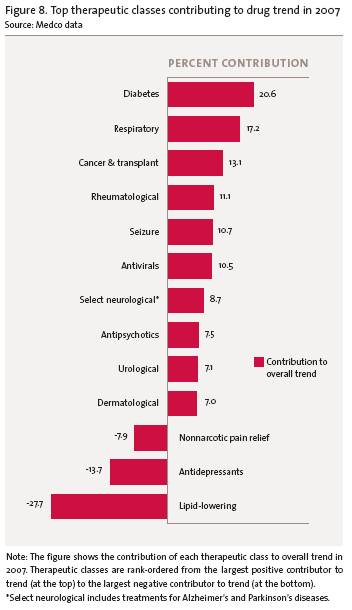
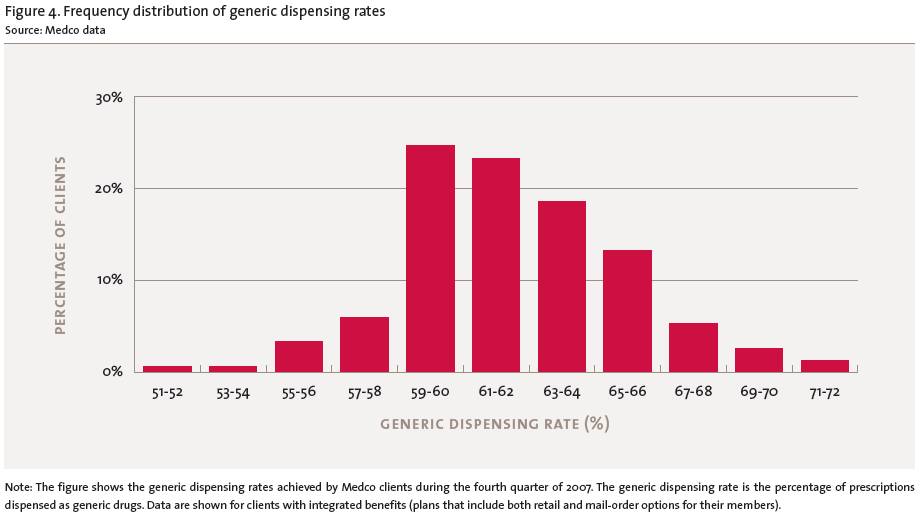
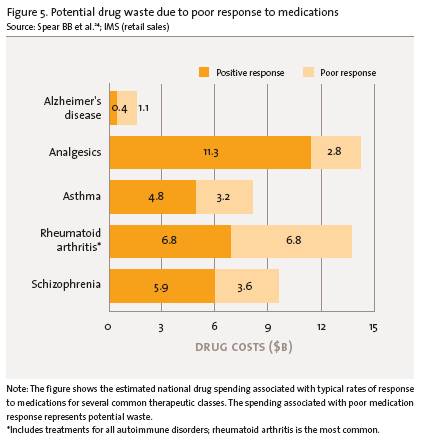
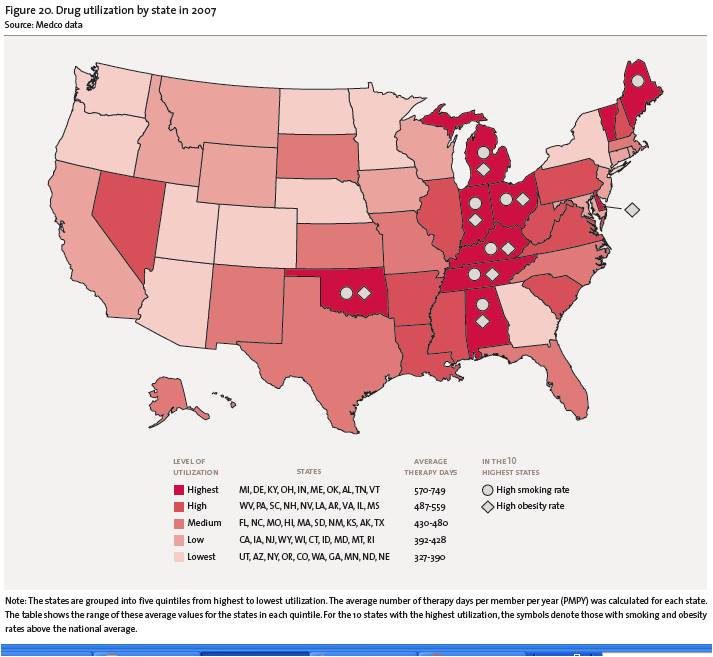
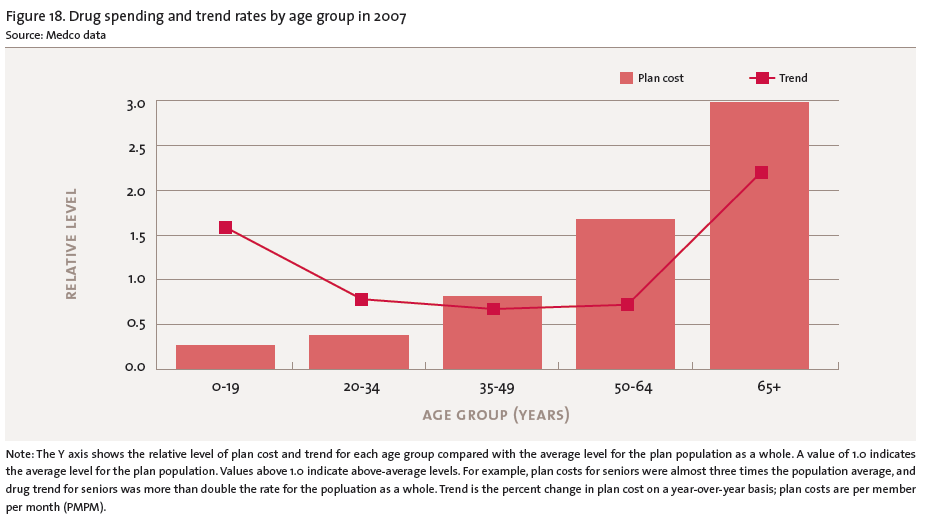
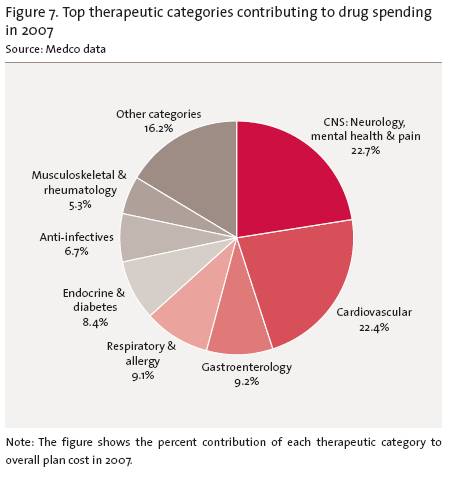
Medco‘s Trend Report recently came out for 2008 (which looks back at 2007). Here are some of the graphs and information from it.

“Generic drugs have been a tremendous asset in controlling runaway health care costs,” Medco Chairman and CEO David B. Snow Jr. said. “Generic cholesterol medications have helped contain our drug trend to a new all-time low of 2.0 percent. Patients and our clients are reaping the benefits of generics as we enable them to hold down costs and make prescription drugs one of the few areas where spending trails overall health care inflation.” (Source)

  • Drug trend was 2.0%.
  • They talk a lot about what drives trend by class.
  • It shares a lot of tables and charts. (I pulled out those below that most interested me.)
  • They talk about legislative and technology issues / opportunities such as e-prescribing.
  • They talk about consumer driven health plans (CDH):
    • Lot of plans offering them; low adoption (2.6M members)
    • Mail order use is only 1.2% higher and generic use is only 1.0% higher (so much for easy ways of saving money)
  • They talk about the rapid growth of people using social networking tools to learn about diseases and medications.
    • Which presents risks and opportunities

  • They introduce a new metric…the Generic Opportunity Score.
  • They introduce a new topic to me which is “adjunct therapies”. The key to this topic here is whether plans should consider coverage of over-the-counter (OTC) drugs that are prescribed for use with prescriptions to treat a condition.
  • They talk about Medicare driving a focus on quality.
  • They talk about coverage for the uninsured.
  • They talk about biosimilar drugs (aka – biogenerics).
  • The talk about genomics (i.e., personalized medicine).
  • They talk about BTC (behind-the-counter) and OTC (over-the-counter) trends.
  • They talk about nanotechnology.

I didn’t read it word for word, but it seems to cover the landscape well and give good easy to read metrics with lots of charts.

Silverlink Coming To A City Near You

I am really excited about a new initiative at work.  We have pulled together a great set of speakers and are doing a road show around the country.

The speakers include:

The topic of the event is Healthcare Communications: Think Differently and is about how to engage the new healthcare consumer and drive behaviors in scale.  Very much like what a lot of the talks were about at the World Healthcare Congress.  It’s not simply getting data and information, but it is about making that information actionable.  That is exactly what this 1/2 day session will be about.

The meetings will be in Boston, NY, Hartford, Minneapolis, Oakland, and Westlake (CA).  Click here to find out more information and to get registered.  We hope to see you there.

Medco on Future of Pharmacy

Medco has introduced a new publication called Perspectives. The one I just read was by Dr. Robert Epstein who is their Chief Medical Officer and is about how pharmacy will become personalized, specialized, and consumer driven. It is a well written piece with some good and interesting facts. Here are a facts and takeaways:

  • “Over the past five years we’ve seen a 60 percent increase in adult ailments diagnosed in children and treated with adult medicines.”
  • “The use of proton pump inhibitors (PPIs), drugs for heartburn and acid-reflux disease, increased by 60 percent in children between the ages of 1 and 4. This is despite studies revealing that as many as 95 percent of young children who present with symptoms of reflux self-correct for the condition in 12 to 16 months. Furthermore, some recent research suggests the long-term use of these products – particularly in the early years of life – can lead to infections, pneumonia or gastroenteritis.”
  • “Blockbuster medicines in three new major therapeutic categories – Fosamax® for osteoporosis, Risperdal®, an antipsychotic, and Imitrex® for migraines – soon lose patent protection.” [He then suggests that payors begin to look at strategies for driving Fosamax and Imitrex marketshare now, especially for new patients, so that when they go generic they are positioned to take advantage of the savings.]
  • He talks about the changing guidelines for hypertension, asthma, and cholesterol and points out that “It’s estimated that 25 percent of Americans have hypertension, and another 25 percent have “pre-hypertension” – which means half of the U.S. population will become candidates for treatment.”
  • He talks about nano-technology and gives the following example:

“One company, based in Houston, has taken nano-sized particles of gold, which are injected into the bloodstream and leach from the leaky blood vessels associated with rapidly growing tumors. When exposed to infrared light – these gold particles literally absorb the heat and destroy the tumor. Called AuroLaseTM Therapy, within 10 days of a single treatment this therapy caused, laboratory rats with prostate cancer to attain a 90-percent survival rate.”

  • “More than one in five people placed on Coumadin® are hospitalized by side effects, many of which could be averted by genetic tests to more accurately guide proper dosing”

Going to WHCC

I am excited that I get the opportunity to go to the World Healthcare Congress in DC later this month. This looks to be a great conference, and I am going to blog from the event. If you’re there, look me up. I will be sitting at the bloggers table at the front of the event.

Maternal-Fetal Surgery: Trade-off Examples

One of the key parts of healthcare is the need to make tradeoffs especially when it comes to treatment plans. Exercise requires a commitment and can make you sore. Some drugs have side effects that may impact other parts of the patient’s life. Surgeries carry risk.

With that in mind, I found an article in the American Way magazine interesting in its discussion of maternal-fetal surgery. This is a technique where a doctor uses a fetoscope (telescope with a small camera at the end) to go into the uterus through a tiny incision (0.15 inches wide) to stabilize life-threatening blood-supply imbalances (e.g., twin-twin transfusion syndrome) and through larger incisions to remove rapidly growing and life threatening tumor masses. As you can imagine, this is controversial. There are risks for the mother and no guarantees that it will be successful.

There were less than 1,000 surgeries between 2005 and 2006, and it sounds like it is used for extreme cases today (i.e., less than 10-20% chance of the fetus living). A clear example of why transparent information is necessary and clear communications make a difference. Patients need to understand their options, the risks, the tradeoffs, and the implications.

Cigna’s Digital Coupon

Cigna recently announced some changes to their website. The one that caught my eye was the ability for a patient to print a coupon for a reduced copayment on their first fill of a generic drug.

I think it is a great step. My hope and questions would be as follows:

  • Is it to promote therapeutic switching or simply for movement from a multi-source brand to its chemical equivalent?
  • Is the coupon for anyone who is using a generic? Or is it only for new starts on a generic? Or is it only for those switching from a higher cost brand to a generic?
  • How do you drive awareness of the coupon and adoption of the web?
  • If all they really need is a coupon code, can you send it to their phone (much more likely to have it with them at the pharmacy)? Or could you trigger a fax to the pharmacy?

Anyways, I think couponing and incentives have a role in driving behavior, and it is good to see a MCO jumping into the digital age with this.

The Patient Experience Matters

It is a topic I am just hearing about although I heard my architecture friends talk about it 15+ years ago. Forrester even has a patient experience ranking now called the Customer Experience Index. They ask consumers 3 questions:

  1. Thinking about your recent interactions with these firms, how effective were they at meeting your needs?
  2. How easy was it to work with these firms?
  3. How enjoyable were the interactions?

Perhaps not surprisingly, but certainly unfortunately, healthcare ranks at the bottom. (Note: They ranked 112 companies.)

forrester-hc-customer-experience.jpg

So, it begs the question of how many of us think about things from an experience perspective.

One of the more interesting experiments I saw in architecture school was where some students set up a display where different areas of the building had color and sound that where activated by motion. The smiles and reactions from people were interesting. But, how often are we sitting down and mapping out the process and experience of the patient from open enrollment through different scenarios?

If we are, are we looking at all their different senses? Are we thinking about how different they are and how they will react to different information, events, colors, sounds?

One interesting think that a friend of mine introduced me to last year was the concept of sonic branding (i.e., branding a sound). I immediately think of Harley Davidson, but she talks about how Ford‘s door chime is viewed by them as a unique brand sound. I would guess Pringles has a unique sound when you open the can.

But, I can’t think of any healthcare organizations with a unique sonic brand (think AOL‘s “You’ve got mail”). Another missed opportunity…perhaps?

Facebook Application To Drive Blood Donations

I must admit I am pretty conservative so it was with some reluctance that I finally joined Facebook.  After the Health 2.0 conference formed a group out there, I decided to join earlier this week.  First, my brother reached out to me.  Then, a roommate of mine from college who I hadn’t talked to in almost 20 years contacted me.

Then, I became mildly interested.  So, I spent a few hours early this morning playing around.  But, I was most interested to find a post on Vijay’s Consumer Focused Healthcare blog about a non-profit using Facebook as a way to drive blood donations.  Will it work?  I don’t know, but it is a worthy cause and an interesting use of social technology.

When a patient is in need of blood that isn’t available, it becomes a life and death situation. Historically the Red Cross will make efforts to alert the public during a shortage. But there may be a better way – leverage the social networks to get the word out. If shortages of a certain type of blood occur in a certain zip code, having a database of willing donors in that zip code to contact may be the most efficient way to solve the problem quickly.

That’s where Takes All Types (TAT), a non-profit organization, comes in. Users install their just-released Facebook application, tell it their location and blood type, and say how often they are willing to be contacted to donate blood (maximum is every 57 days). If a shortage occurs, they’ll contact you via the methods that you authorize (Facebook, email, text message, etc.)

Health Transformation 2.0: Follow-up

The other day, I provided a few comments on this book (manifesto) that I picked up, and I reached out to the author. He got back to me last night and was kind enough to provide the PDF of the publication.

In his words:

“These are simply my thoughts and thoughts inspired by a community of friends. It’s written as a kind of manifesto with the hope to inspire more good minds to tackle a very major challenge facing our society.”

I would encourage you to reach out to him if interested. (E-mail Scott Danielson – author)

Here is the book for you to view. I hope you will enjoy the hard work his community put in both in terms of content and graphic design.

Don’t forget to sign up for e-mail updates or put the blog in your reader. Thanks.

Health Transformation 2.0

I grabbed this little book off the table at Health 2.0.  I am finally getting around to flipping through it (rather than sleeping).

I can’t figure out if it’s associated with a company.  If yes, they have done a great job of disguising it.  [For what purpose, I don’t know.]  It is very well laid out with great graphics and is called:

Health Transformation 2.0
Can A Better Healthcare Operating System Make Us Healthier?

The author’s name (Scott Danielson) and e-mail are in the cover so I have shot him a note to see if I could add it here as a flash or some other visual.  Here are a few of the comments from the book:

  •  Healthcare 2.0 uses emerging technologies to transform an archaic, disease-treating system into a progressive health-enhancing one.
  • In the past 4 years, healthcare costs have doubled.  Are we twice as healthy?
  • Today, we have the ability to create a set of tools, a healthcare operating system that will help people find and manage information, research and control costs, and get and/or stay healthy.
  • Connected.  Helpful.  Secure.  Organized.  Informed.
  • Personal + Health + Power = Personalized Health Empowerment

Medication Adherence Devices

I think we all can predict that the medical device industry should explode over the next few years.  USA Today had a recent article on a “smart pillbox” which caught my eye.

According to Forrester Research, the market for home health monitoring technologies is expected to reach $5 billion by 2010 — and $34 billion by 2015.

As the article stresses, this technology will be important with over 30M Americans taking more than 3 medications per day and over 100,000 dying from adverse drug reactions.

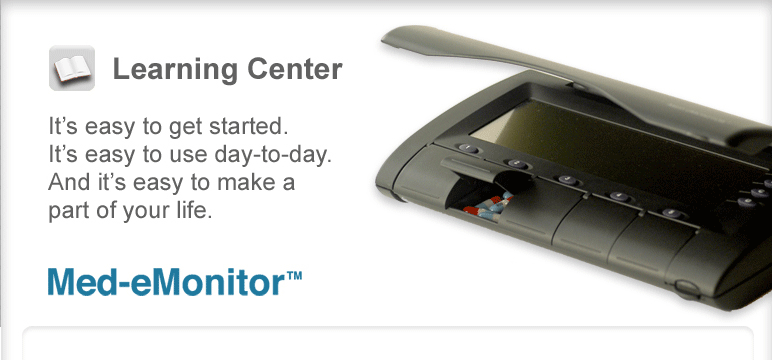
Usually, I hear about things like glowing bottle caps to remind people to take their medications.  Although the Med E-Monitor is a little bulkier, I like the fact that it does more than simply remind you.  It also looks for adverse drug events and provides information.  Ideally, one of these devices will simply generate refills through a simple click.  [I have not read the studies but they claim to have raised adherence from 35-40% to 90% which would be significant.]

med-e-monitor.gif

My big questions from looking at the website are:

  • It holds up to 5 medications.  What about those patients on 30 medications?  Can it be modularized?
  • Even if it can’t have modules, can it store the data and serve as the central reminder for medications not in there?
  • Who programs it with every medication change?  The MD.  The patient.  The company.
  • Can it generate a refill request to the pharmacy?  Can it generate a request for a renewal (i.e., a new prescription for my existing medication)?
  • Will people pay $60 a month?  Is the buyer, the children that live out of town and want their parent to be safe or the actual patient themselves?

Some of the other sites out there talking about solutions include:

Great Book – Microtrends

microtrends.jpgAt PBMI, one of the best speakers was Kinney Zalesne who with Mark Penn wrote the book Microtrends. I just finished reading the book – all 370+ pages. I found it to be one of the most engaging non-fiction books I have read in a long time…which says a lot. I have boxes and book shelves of books that I have bought, skimmed, and stopped reading. I get something out of them, but it is often not enough to continue reading the whole book.

I found Microtrends to be interesting both personally and professionally. Let me throw out a few of the things that I highlighted and noted during my reading along with some of the potential implications within healthcare.

Some of the topics they cover:

  • Love, Sex, and Relationships (Sex-Ratio Singles, Cougars, Office Romancers, Commuter Couples, Internet Marrieds)
  • Work Life (Working Retired, Extreme Commuters, Stay-at-Home Workers, Wordy Women, Ardent Amazons)
  • Race and Religion (Stained Glass Ceiling Breakers, Pro-Semites, Interracial Families, Protestant Hispanics, Moderate Muslims)
  • Health and Wellness (Sun-Haters, 30-winkers, Southpaws Unbound, DIY Doctors, Hard-of-Hearers)
  • Family Life (Old New Dads, Pet Parents, Pampering Parents, Late-Breaking Gays, Dutiful Sons)
  • Politics (Impressionable Elites, Swing Is Still King, Militant Illegals, Christian Zionists, Newly Released Ex-Cons)
  • Teens (The Mildly Disordered, Young Knitters, Black Teen Idols, High School Moguls, Aspiring Snipers)
  • Food, Drink, and Diet (Vegan Children, A Disporportionate Burden, Starving for Life, Caffeine Crazies)
  • Lifestyle (Long Attention Spanners, Neglected Dads, Native Language Speakers, Unisexuals)
  • Money and Class (Second-Home Buyers, Modern Mary Poppinses, Shy Millionaires, Burgeois and Bankrupt, Non-Profiteers)
  • Looks and Fashion (Uptown Tatooed, Snowed-Under Slobs, Surgery Lovers, Powerful Petites)
  • Technology (Social Geeks, New Luddites, Tech Fatales, Car-Buying Soccer Moms)
  • Leisure and Entertainment (Archery Moms?, XXX Men, Video Game Grown-ups, Neo-Classicals)
  • Education (Smart Child Left Behind, America’s Home Schooled, College Dropouts, Numbers Junkies)
  • International (Mini-Churched, International Home Buyers, LAT Couples, Mammonis, Eurostars, Vietnamese Entrepreneurs, French Teetotalers, Chinese Picassos, Russian Swings)

Second, the countertrends are very interesting. More caffeine and more water. Shorter attention with a rise in knitting. More technology and more people abandoning technology. Obesity and intentional starvation. More sun tan parlors and more people afraid of the sun.

“Microtrends is based on the idea that the most powerful forces in our society are the emerging, counterintuitive trends that are shaping tomorrow right before us.”

Sample facts:

  • Less than 25% of the households in the US are married-with-kids. 26% are households of one person.
  • At birth, there are 90,000 more boys born per year than girls. By age 18, it has switched to a 51% female mix. Exclude out the gay men and lesbian women, you get a straight sex ratio of 53 women to 47 men.
  • 3M American adults in a long-term relationship or married met online which is the same number that met in church.
  • There are already 5M people 65 or older in the workforce and that number is expected to grow.
    • According to an economist at the Urban Institute, “if everyone worked just one year beyond expected retirement, we’d completely offset the anticipated shortfall between benefits and taxes in the old age insurance portion of Social Security.”
  • 3% of workers work from home. The average commute is 25 minutes. 3.4M people commute at least 90 minutes each way to work.
    • Researchers at Georgia Tech found that “every thirty minutes spent driving increases your risk of becoming obese by 3 percent.”
  • In a Gallup poll in 2006, when people were asked about how they feel about religious groups, Jews rated the highest with a net positive of 54%. There are more Christian evangelicals in the US that support Israel than Jews.
  • 5.4% of marriages are interracial which led to the US Census allowing people to select multiple races in 2000.
  • There are 10M Protestant Hispanics in the US which is more than the number of Muslims or Presbyterians.
  • 81% of American Muslims support gun control (compared to barely half of Americans).
  • There are 3x as many tanning parlors in the US as Starbucks.
  • 1 in 10 children aged 12-18 uses a sunlamp and only 1 in 3 uses sunscreen. And, at least 25% of skin damage occurs before a person is 18 years old.
  • 16% of American adults sleep less than 6 hours a night. But, this causes injuries, accidents, and health problems. Lack of sleep triggers hormones that boost hunger and appetite.
    • She calculated out what I have argued for years that this creates an extra 8.2 years of life for someone who lives to 82.
  • DIY (Do-It-Yourself) Doctors is a whole new group of people that self-diagnose, self-medicate, and challenge their physicians.
  • OTC sales are now $15B per year.
  • In 1997, Americans spend more out-of-pocket on Complementary and Alternative Medicine (CAM) that on hospitalizations.
  • 3 in 5 Americans worry about medication errors at the hospital.
  • Women make healthcare decisions in over 70% of households.
  • 81% of people would like to use e-mail with their doctors but only 8% say they do today. [If they were controlled and reimbursed for this without increasing risk, I think they would welcome it.]
  • 1 in 10 Americans have some hearing loss. Nine seconds into a rock concert, you experience hearing loss. [I have been to several concerts even in the front row so that seems like a problem.]
  • 1 in 18 births were to men over 50. [Changes your underwriting profile.]
  • 63% of American households have pets. And, the top 1% of pets live better than 99% of the world’s population.
    • Studies have show health benefits of pet ownership including lowering blood pressure, reducing stress, preventing heart disease, and warding off depression.
  • Only 15% of parents would take away their kids privileges if they found out their 15 year old was using illegal drugs. [And most of us think we are strict?]
  • Only 4% of people over age 65 live in nursing homes or assisted living arrangements.
  • 40% of the people providing unpaid care for infirm adults are men. [Counter this to the assumption that women make most healthcare decisions.]
  • 650,000 ex-cons enter society every year. [Have we increased their health literacy while in prison.]
  • Childhood autism has increased 9-fold since 1992.
  • The number of kids being treated with antipsychotic drugs shot up 138% between 1997 and 2000.
  • In 2005, the main medical manual on the mental health of infants added two new subsets of depression, five new subsets of anxiety disorders and six new subsets of feeding behavior disorders.
  • There are 20M knitters in the US and more than ½ of them are under 34 with almost 6M of them being under 18.
  • In 2000, over 8% of teens were making money on the Internet.
  • There are 1.5M kids (between 8-18) that are vegetarians. 3M more who pass up meat but each chicken or fish. And, 3M more that each just chicken. 11% of girls aged 13-15 don’t eat meat.
    • Vegetarian men have been shown to have a 37% lower risk of heart disease.
    • Vegetarians of both genders are ½ as likely to develop dementia.
  • There are 9M morbidly obese people in the US (100 pounds overweight). Women are 2x as likely as men to be morbidly obese, but 1 in 6 black women are morbidly obese.
  • There is a small group of people practicing Calorie Restriction diets (1,200 – 1,800 calories).
    • Scientists have found that this lowers blood pressure, LDL, clogging of arteries, and body temperature (which may slow aging).
  • 6 of 10 Americans drink coffee every day. And, Americans drink 23 gallons of bottled water per year and 52 gallons of carbonated soft drinks.
  • The average age of caffeine overdosers was 21 in a study done around the Chicago Poison Center.
    • Caffeine causes insomnia, anxiety, headaches, stomach problems, cardiac arrhythmias, and weight gain.

“It is almost as though marketers see today’s society as an Amazon tribe, where women make all the decisions and men just go along for the ride.”

  • There are 12M “linguistically isolated” households in the US (i.e., no one speaks English well). And, in 2/3rds of these households, the head of household was born in the US. [Is multi-lingual soon to be a requirement?]
  • 1 in 3 Americans age 25-29 have a tattoo. 13% of Americans aged 18-24 have a tattoo and a body piercing.

Sample Healthcare Questions:

  1. How do we respond to the change in the family – older dates, commuter couples?
  2. With people working longer, what does this mean for health benefits? Are your needs and expectations different at age 75?
  3. When people are doing things that influence their health – sun tanning, sleeping too little, drinking too much caffeine, will companies step in and try to control this? (I know one large company in the South that has decided they won’t serve any fried food in the cafeteria.)
  4. Why don’t we do things like encourage pet adoption to help people become healthier?
  5. What are the implications of vegan children and low calorie diets and should the industry embrace, reward, or monitor them?
  6. When people don’t want to indicate a gender, will healthcare forms have to offer a “neither” category?
  7. With so many people getting tatooes, how long until that is a covered benefit or where there is a negotiated discount like the gym.
  8. There are lots of messy people. How do you communicate with them knowing they will misplace many things?
  9. For the people that have tried the Internet and chosen not to use it again, do you risk offending them with your constant push to self-serve?
  10. If America wants numbers, should we communicate more details not less?
  11. Should we be tracking lots of other factors (diet, caffeine, commute) in our Personal Health Records?

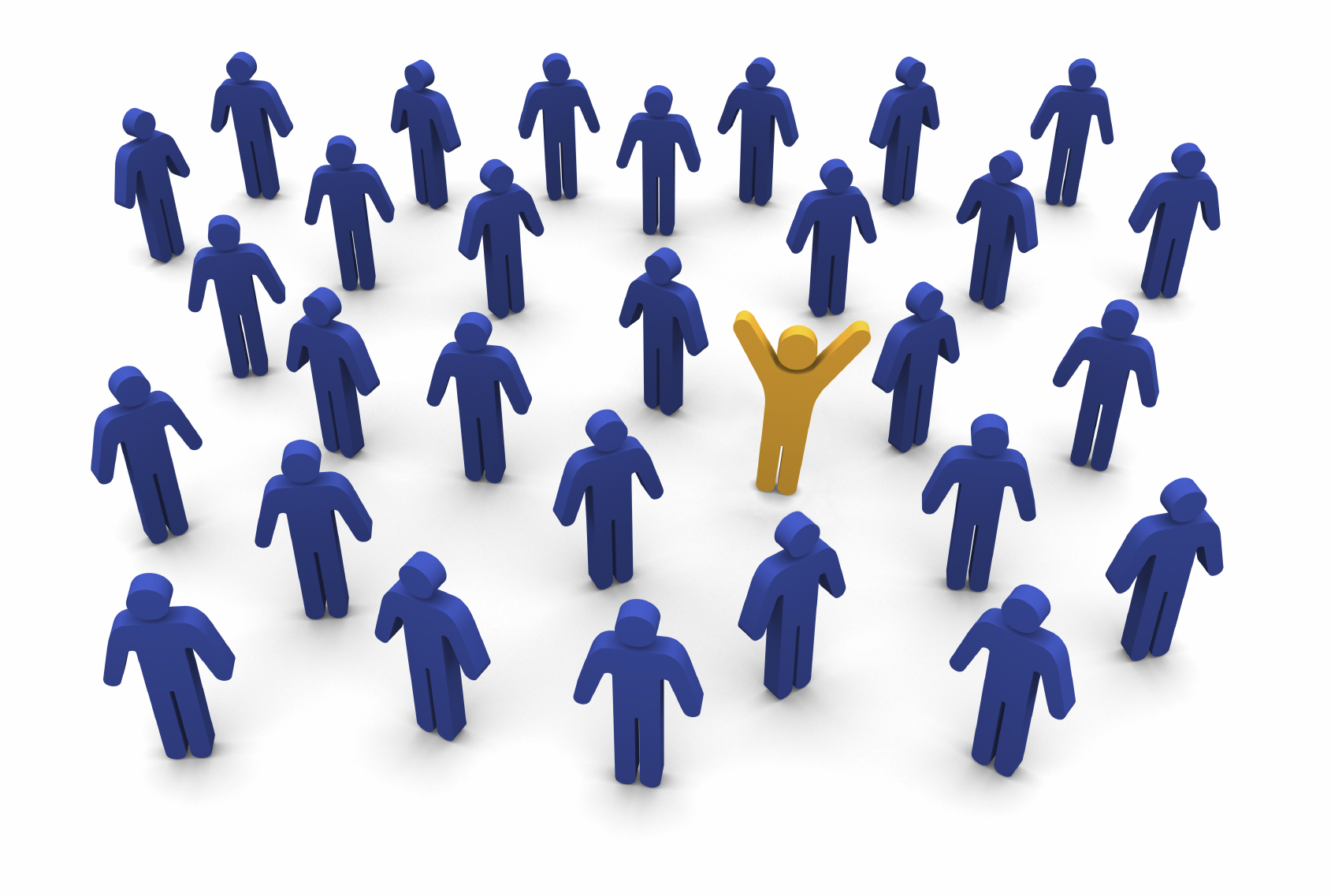
istock_000005278005medium.jpgI could go on, but I don’t want to give it all away. It is worth reading. It really makes you realize the value of targeting and personalization within a HealthComm framework.

Convergence: MiCoach

As a runner, I found this interesting new product c/o The Hospital Impact blog.  The video is pretty engaging on the MiCoach.  It blends a GPS technology with an MP3 player with a personal coach with a phone and links it to a website for tracking.  If I wasn’t a runner, I would have some skepticism, but those are all relevant things.

When I run, I have a GPS on my wrist, my iPod, and often (for long distances) a phone in my pack.  I then download my running to my PC which has some great reporting tools but limited analysis tools.  The personal coach response will vary by person as different people respond to different “encouragement”.  I may have to put this on my wish list to try out at some point.

Now, of course it requires specific shoes, which I think is an issue for runners.  I have been using the same brand of shoes for 4 years.  And, I go out of my way to get them.  There is no store in St. Louis that sells them so I have to order them every 3 months or so.

I was also somewhat confused on the website about how to get the products.  There was no buy here function (unless I missed it).

But, I think the key here is the idea of device convergence and the blending of clothes with technology.  Just one sign of the many interesting things to come.

What Does Spitzer Teach Us About Sharing Information?

While staying away from some of the issues around Spitzer, there is one that I found very interesting.  How does someone spend $4,000 (or $80,000) total without their spouse knowing?  I guess maybe when you have too much money that can happen.  I talked with 10 of my friends about it and in general they typically had shared accounts where many of them had their wife helping or managing the bills.  (My wife manages everything for us…thank goodness.)

But, it brought a question to my mind which is how much information and when do people share with their spouses about their health conditions.

  • When you’re dating, should you disclose all your medical conditions?  What about your family history?
  • When you’re diagnosed, how quickly does the average spouse disclose that information to their family?  How does this vary by disease?
  • And, what happens in the future when you can get a genomics test to tell you what diseases you are genetically prone to get?  Should you disclose that to a future spouse and at what point?

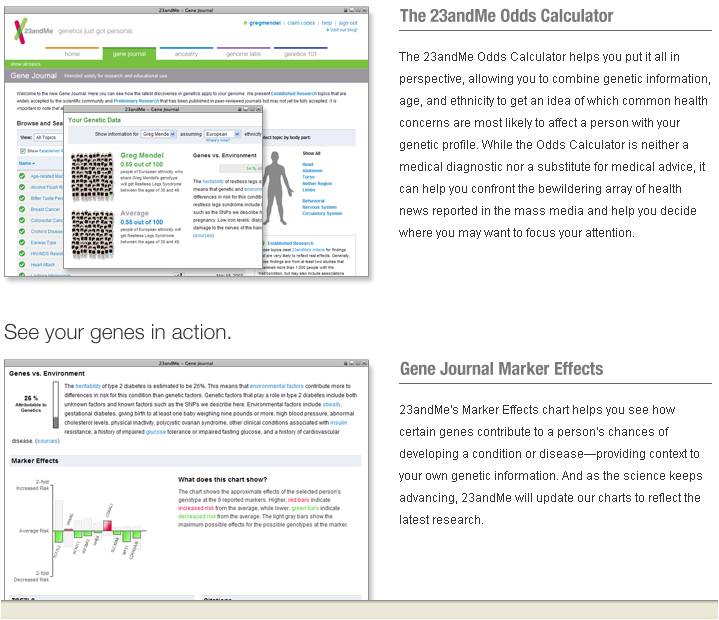
They were showing 23andMe on the Today Show a few days ago where you could pay $1,000 to get a test done that showed you your likelihood of getting certain diseases.  It also showed you interesting things like where your ancestors were from and whether you tasted bitter things or sweet things.  It is worth going to their site and looking at, but it brings lots of interesting questions to the table.  Do you get your kids tested?  Once you have the information, can you influence the future or do you take a fatalistic view of having no control?

23andme.jpg

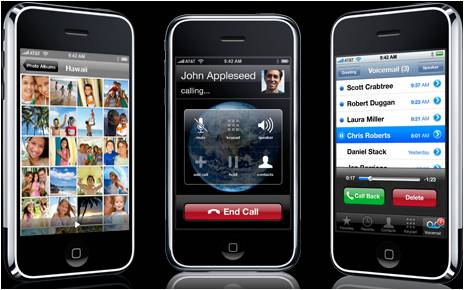
Guest: 5 Ways an iPhone Can Improve Doctor-Patient Relationships

I feel lucky to have people want to post on my blog. Susan Jacobs is a part-time teacher and regular reader. She is also a regular contributor for NOEDb, a site for learning about and selecting an online nursing degree program. Susan invites your comments and freelancing job inquiries at her email address susan.jacobs45@gmail.com .

Ever since Apple announced that third party companies are developing medical applications for the iPhone, predictions on how this will impact the medical industry have run wild. Indeed, the possibilities are endless when doctors have so much information in the palm of their hands.

  1. Easy Drug Reference – One of the biggest names in medical iPhone applications is Epocrates. This company has developed a massive, free online drug reference guide. When prescribing medication, a doctor can quickly double-check any concerns about side effects, drug interactions and more. Also, it is possible that a situation may arise where a patient doesn’t know the name of the medication they are on; only what the pill looks like. Epocrates’ drug reference has a search feature based on a medication’s appearance.
  2. Access to Health Records – More and more patients are allowing their health records to be stored online. With an iPhone, doctors can quickly access a new patient’s health records, should they not be physically available on site. This could be more than convenient; it could save lives.
  3. Quick Second Opinions – How better to serve a patient’s needs than by getting instant advice from another doctor, perhaps a specialist? For instance, a general physician could take a picture of a patient’s skin condition, email it to a dermatologist, and get a quick second opinion. That is just one of the many possibilities available with an iPhone.
  4. Clinical Decision Support – Similar to contacting another doctor, there are applications being designed that offer reliable, clinical decision support. Again, this could improve a doctor’s ability to give a patient the best care possible.
  5. Little Interference – Although physicians could have accessed online information with a personal computer before the advent of the iPhone, this would have certainly interfered with the more intimate communication between doctor and patient when someone’s face is behind a computer. Now, with the aid of a handheld device, the doctor will experience little interruption while seeing a patient.

iphone.jpg

While the iPhone depends on wireless Internet access to take advantage of online applications, this won’t be a problem for doctors in many medical facilities. Hospitals, in particular, are often wired for broadband access and this kind of support is spreading. Communication between offices is also becoming simpler, more reliable and is using less and less paper. (Many medical administrators would be happy to through their fax machine out the window, no doubt.)

The end of the month holds the iPhone Developer Summit in New York City. With more medical applications to possibly be discussed and showcased, even more possibilities will arise. With a vast database of knowledge at a doctor’s fingertips, patients should feel even more secure with the medical treatment they are receiving.

Another Good IDC Quote

We have been out talking to the analysts to get their feedback on the market and share some of our new ideas.  I mentioned a good quote a few weeks ago from IDC, but I was even more excited by their publication last week (see 1/2 way through the document).

The story is called “Communications Technologies – the Industry Step Child to the PHR?” and is by Janice Young.

“Amidst the market hoopla last week at HIMSS of Google’s formal entry into the healthcare market with the GoogleHealth PHR were other significant announcements focusing on what may are considered more mundane healthcare initiatives – consumer communication strategies. In particular, Silverlink Communications released two announcements in the past two weeks reflecting the next generation of healthplan investment in communications technologies.”

“The successes and opportunities of new communications tools from Silverlink, Varolii and others are largely unheralded, yet good cost/benefit studies exist. Health plans have found the return on investment and report that automated communications programs improve prescription drug cost management and increase COB information to health plans.”

“Targeted multi-channel communications tools can both improve healthplan costs and quality in the short term and also provide insight into consumer segmentation and behaviors that will be invaluable to managing the emerging consumer communications and information management platform, include PHR deployment and adoption”

Comparing our announcements to that of Google was impressive, and she clearly gets the power of the solution.

Health 2.0: My Notes

I am just flying back from the Health 2.0 conference out in San Diego. I feel like there is a ton of information that I want to share so kudos to Matthew and Indu for the great job. (And, if you make it to the end of this post, you must really like the topic.)

I decided the best way to do this is in three posts: (1) Notes; (2) Companies; and (3) Observations. [Some people were doing live blogging which I just couldn’t do and keep focused.]

Here are a few of the other blog postings about the event:

So, let me begin here with my notes from the conference which began Monday with some informal sessions (user driven) and a deep-dive on a new vendor American Well. [I missed this event since it was so packed that it was standing room only in the hallway, and I was 5 minutes late getting off a conference call. That being said, they were in there for 3 hours so there must be something pretty interesting.] Tuesday was pretty much packed from breakfast (7:00) until I got back from dinner (11:00).

Matthew Holt:

  • Talked about his Health 2.0 picture of search, social networks, and tools. And, at the end of the conference, he showed a preliminary sketch of the model for the fall Health 2.0 conference where each of these are blown out into smaller segments.
  • Talked about the challenge of wrapping context around transitions. [In a side conversation, I thought someone else made a great point of saying that one of the biggest challenges will be how to drive change.]
  • Talked about the four stages of Health 2.0. I was soaking it in versus scribbling notes madly so all I got were phase 1 (user-generated content) and phase 2 (users as providers). But, I believe the later phases do (or should) show these models integrating into the establishment.

Susannah Fox (Pew Internet & American Life Project):
[Who by the way was a very good speaker and refreshingly gave a 30-minute presentation w/o any slides.]

  • Talked about an early 2000/2001 quote from the AMA on not trusting the Internet and a push to the physician. [That seems to have softened a bit over the years.]
  • Said that 40% of adults in America have a high school education or less which gets right to the issue of health literacy.
  • Talked about validity of online data. Researchers want to see date and source, but patients don’t look for that.
  • Talked about an article in a cancer magazine about misinformation which said the most highly correlated factor was a discussion around alternative medicine. Those sites often had misinformation on them.
  • She set the tone for the day by using the concept of a seven word expression to summarize your talk. Her’s was “Go Online. Use Common Sense. Be Skeptical.”
  • Pointed out that only 3% of e-patients report bad outcomes based on online data. [I think this whole discussion around what patients want in terms of research versus experiential data from their peers is very interesting.]
  • Talked about the white space between a “physican is omnipotent model” (my words) versus a “patient self-diagnosis world”. That is where we have to find a solution.
    • [A person from Europe who I talked with said that not only is their model different but the fact that they hold the physician on a pedestal makes some of these things impractical there.]
  • Talked about a new term for me – “participatory medicine”.
  • Said that Pew had classified people into three groups not on the concept of do you own a mobile device (for example) but on how you use it (e.g., do you feel like the device interrupts your life when it buzzes you, do you require help in setting up your devices).
    • 1/3 of Americans are “elite tech users” who own lots of devices
  • There is still minority distrust of some of these online tools. Some of this is generational.
    • The memory of the syphilis experiment is failing.
    • There is limited discussion of faith in these discussion areas which is important.
    • The older generation typically has less technical skills.
  • Her next seven word expression was “Recruit Docs. Let E-Patients Lead. Go Mobile.”
  • She described African American and Latino users of mobile devices as leveraging it as a Swiss Army knife versus a spoon. [I hope I use it more as a spork…which I assume is evolutionary over the spoon.] They use it more than TV or computers.

Patient Videos:

  • One of the most engaging segments was a series of video clips from patients.
    • The founder of i2y.org (I’m Too Young For This) spoke about being diagnosed with cancer at an early age and how he overcame the physical challenges and has become a go to destination for people about cancer.
    • The founder of Heron Sanctuary in Second Life talked about how she has limited mobility in real-life and her ability to create a world in second life where she can help people and gave examples of how people are using this virtual reality tool.
    • A young woman with RSD talked about how she has used ReliefInsite to manage her disease and pain. She also had the same issue of being “too young” to have RSD and the challenges of finding a physician to help her and believe her.

The format for most of the day was to have 3-4 founders or executives from companies get up and talk for 4 minutes on their company. Then a panel of people would comment and questions would get asked. On the one hand, it was a compelling, fast-based approach that kept your attention. [No nodding off at this conference.] On the other hand, it was heavy on marketing and light on really drilling down on the problem. [Although I am not sure that was the purpose or even achievable without making this a multi-day conference.]

So…here were a few of my quick notes on some of the companies. I will post another one trying to look at some screen shots and other observations. If you didn’t get mentioned here, it’s likely because I was simply watching or distracted. Hopefully, I catch everyone on the Health 2.0 Company post.

  • WEGO Health – allows consumers to rank content…i.e., directed search…gave example of search for some health topic that returned 98,000 links on Google, but only 50 here…option to score after consumer uses the link
    • Seems interesting. How often is it updated? How do you build awareness? Can it be part of a broader search engine? Seems like a likely acquisition to be another option like images or desktop from a search criteria within Google.
  • HealthCentral – biggest brand you don’t know (or something to that effect)…have 40+ sites around specific disease states…6M unique visits per month…new VC money…100 “expert patients” found to create initial communities…ability to create inspirational cartoons that summarize your story…good GUI
    • I really liked some of the features they demonstrated (in 5 minutes). They talked about creating micro-communities (e.g., spouses of people with a disease).
    • The idea of “recruiting” 100 “expert patients” to build an active community was one of the best I saw.

In preparation for discussion on patient-MD solutions, someone shared that only 2-3% of MDs allow appointments to be booked online. There was discussion that patients don’t really look to the Internet to find a physician or hospital. They look at what’s in-network and they ask their friends. There was an example given for Yelp which is used to rank restaurants, but allows people to review the physician. [A comment I heard later was when will we see a site ranking the sites that rank physicians.]

  • Carol (company name) – talked about mall concept in that people shop for something like a physical or allergy test not necessarily a specific type of MD…provide cash prices and insured prices
    • Seemed interesting. I will have to think more about how I search.
  • Vitals.com – I talked about this company on the blog a few weeks ago…still like the graphics…saw a few other features that I hadn’t noticed such as customizing the search criteria and using slider bars so that you get weighted recommendations

I thought there was a good discussion on why would an MD participate in a ranking site.

  • Help them sub-specialize (i.e., I want to treat knee pain not neck pain).
  • Allow them to attract the right type of patient that matches their style and focus.
  • Ego…allowing them to manage comments.

IDEO, the famous industrial design, company facilitated a lunch workshop and talked at the conference. For simplicity, I will blend both notes here. (see old post about IDEO book)

  • Talked about user-centric design which is key. At lunch asked us to come up with a solution to address the problems of diabetes patients. Showed us four interviews with diabetics. But the stress was not on solving what we thought was their problem, but trying to actually listen to what they say and do in order to find something. Key point.
  • Talked about empathic research showing that we don’t say what we think, do what we should logically do an online car loan, or even do what we think we do.
  • Talked about a book called Thoughtless Acts.
  • Gave examples of project with Bank of America that showed how most people round up their credit card payments so they started a “Keep the Change” campaign which allowed them to attract 2M new members.
  • Walked through an example of creating the Humalog pen for Eli Lilly.
  • Talked about creating a new bike design.
  • All of them were common in the framework they use and their focus on the person/user/patient/member.
  • Lunch was an interesting workshop where you listened to the videos, identified issues, brainstormed solutions, picked a solution to “pitch”, and then shared your idea with your neighbor. At our table…
    • Saw problem largely as educational / informational
      • Don’t know what to expect
      • Don’t know where to get information
      • Don’t understand lifecycle and treatment plan options
      • Don’t know what to do with the pump
    • Talked about everything from portal to device solutions
    • Settled on an iPump concept that would blend an iPod with an insulin pump and foster a community around it to develop cases (e.g., a belt that it fit into as part of a formal dress), videos to download to it on education, connectivity to trigger auto-refills, etc.

Then we had several discussions by physicians that were blending the old model of house calls with technology. Seems very cool (for those that can afford it). Although one example was relevant, it missed the masses. One showed a trader who was too busy to leave the trading floor, but he had a sore throat so the physician came to his office, took a culture, and gave him an antibiotic.

  • One great point that they made was the benefit of seeing the patient’s environment (i.e., home) in helping them manage a disease.
  • I loved the fact that they would send me an e-mail with my notes from the visit rather than trying to scribble things down while they are talking.
    • Of course, this begs the question of literacy and teaching physicians how to communicate in simple, non-medical language.
  • Another great point was the issue of technology as a good unidirectional solution. For example, if the physician wants to know whether something works, an e-mail is very efficient if it does. Leaving a voicemail so that you play tag back and forth only to realize the patient is feeling better is a waste of time.
  • Jay Parkinson referred to himself as the “Geek Squad” for healthcare (think Best Buy computer technicians). Great analogy. He also showed this seemingly very intuitive and easy to use EMR called Myca which I believe he has built.
  • Somebody tied this back to the physician ranking discussion by asking how this new flexibility of business model would be captured and tracked on those sites (e.g., does MD respond to e-mail).
  • I can remember if I jotted this down or one of them said it but I have “More Time. Save Money. Less Costs.” I think this was in response to a question I e-mailed in about how these new models were affecting the compensation and lifestyle of the physicians.

Phreesia talked about their tablet solution (i.e., electronic clipboard) for the physician’s office. They had an interesting statistic that 49M Americans move each year so address data is constantly changing. (Not to mention plan coverage, drug use, etc.) They are getting 200-300 new MDs a month to sign-up for this.

I don’t see myself using it, but this is an interesting option. Organized Wisdom talked about their product LiveWisdom which allows users to leverage a live person (I assume MD or RPh or RN.) via chat to address questions they might otherwise contact their MD about. They pay $1.99 per minute.

  • As they admitted, they are limited in scope and often have to refer the patient to an MD. They seemed to me limiting, but creating an opportunity to partner with American Well who helps you find an MD, sees if they have time to talk, and launches an interactive video session and chat session with the MD right then for a pre-agreed upon rate.

There were two patients there that were involved in lots of feedback sessions. The first was a woman who has lost 144 pounds (w/o going on The Biggest Loser) and has become an online advocate and support mechanism for lots of people using DailyStrength. The second was Amy Tenderich who is a very active diabetic and blogs at DiabetesMine.

Amy’s story was great. Her blog is very engaging and as Matthew said it is “thought by many to be the #1 blog for patients“. I had a chance to talk with her and her husband and heard a lot about how it started and the response. It is a great story, and she is very knowledgeable and was willing to really push the patient-centric agenda at the conference.

Someone made the point about linking patient costs to compliance with their care plan which I have blogged about before. I completely agree that the patient should be rewarded for using self-service options (web vs. live agent) and for staying compliant.

ReliefInsite talked about their solution and shared that 1 in 6 Americans suffer from chronic pain. No matter what the CEO said, he couldn’t do better than the opening patient video which used their solution. (Which he said was a surprise to him.)…seemed like a good, interactive tools with nice reporting.

Emmi Solutions showed their online educational tool which had videos built in a conversational tone and used animation to help people understand procedures and their disease. Seemed great. Said that informed patients are less likely to sue.

MedEncentive is one that I will have to spend more time looking at. It plays to the incentive question and rewarding patients and MDs. They talked about a 10:1 ROI and said the medically literate patients have less hospital visits.

[Completely off topic, but from the conference, I heard someone talking about CouchSurfing which is apparently a “network” where you allow people (that you don’t know) to come sleep on your couch. I thought that died with hitchhiking in the 60s.]

A consultant from Mercer commented that some large employers with physicians on staff are more effective [at health and cost management] than small health plans. Not sure if that was a complement to employers or an insult to health plans.

BenefitFocus which automates the set-up of your benefits (imagine no more paperwork to enroll) had a great video showing the future with personal consultants (via hologram), biometric signature, and other cool things. [I have heard good things about them for years although they never returned my phone calls several years ago even with name dropping one of their biggest investors.]

Virgin Healthmiles was there and talked about their pedometer which is tracked online. They also have an employer kiosk for tracking weight and body fat. Offline, he also told me that they are rolling out connections which will be on the treadmills and other machines at participating gyms. I am a big fan of what they are doing. I believe he said they recommend 7,000 steps a day per person (and think he told me that 2500 is a mile).

Stan Nowak (my boss) presented the Silverlink story talking about using technology to engage patients, the importance of capturing data, extreme personalization, and showed recent success improving compliance by 3x by rapidly doing a series of pilots.

  • I am not sure I have figured out our seven word description but here’s a few attempts:
    • Patients Are Different. Personalization Matters. Be Proactive.
    • Preference Based Communications Engage Patients & Drive ROI.
    • Segment. Learn. Interact. Empower. Use Communications Appropriately.

iMetrikus talked about their solution which connects over 50 biometric devices today into backend healthcare systems. They charge $3 PMPM which caused me to raise an eyebrow. It is a great solution and integration is a nightmare, but that seems like a lot of money. But, I am all about ROI. If I can get better return on this than on another project and it exceeds my cost of capital, why wouldn’t I do it.

iConecto didn’t present but had a booth and introduced a section. But, I love the concept of using play (e.g., Wii) to drive health.

To be fair, I will even include my notes about Eliza Corporation (our competition). Their CEO and our CEO did a podcast with Matthew the weekend before which you can listen to here. The messaging is fairly similar (although I have a strong bias about why us). She talked about tailoring [of messaging] being the new black. She talked about using clinical and demographic data to drive programs. They are a good company, and it was well done. [I was even flattered that several of their employees said that they read my blog.] Both companies commented on how they feel old (~7 years) compared to a lot of the companies presenting here (~2 years).

  • One thing that I find strange is for two companies that pretty evenly split the healthcare marketplace for Strategic HealthComm is that we are located within 10 miles of each other near Boston.

At one point, there was a discussion around ROI especially on new technologies and how to get that first big project. One of the panelists said that a 1:1 ROI over two years would be sufficient. [Not true for any company that I have worked at or consulted to.]

The final panel discussion and closing statements had a lot of good content:

  • Discussion of the patient as a provider and what that could mean.
  • Discussion of importance of sharing information across solutions.
  • The concept of citizen (European) versus patient.
  • From the Wired magazine participant, discussion around fidelity versus flexibility:
    • Disk versus MP3
    • HDTV versus Tivo
    • Microsoft versus Google
  • Importance of moving upstream in care
    • Disease management
    • Wellness
    • Prevention
    • Diet
  • As part of upstream discussion, talked about involving the food companies and used the analogy of inviting the oil companies to a green conference. [I wondered where the MCOs were, the hospital networks, and the politicians.]
  • The author of the book “Demanding Medical Excellence” (who I believe is part of the Health 2.0 staff talked about “random acts of doctoring” and the issue of solving healthcare for the few or the masses.
  • Indu talked about building a new system versus extending and improving the existing system. [A great question]
  • I think it was Matthew that brought up the issue of designing for credibility.

Wow! If you made it through this thesis, good for you. I hope it’s helpful. It is certainly easier than me trying to find my notes two months from now or sending a bunch of e-mails to people on sections they might find interesting.

ATDM: Automated Telephone Disease Management

No. It’s not my term or even a company term. I am not sure who came up with it, but it was actually used in a published study from 2001.

“Impact of Automated Calls With Nurse Follow-Up on Diabetes Treatment Outcomes in a Department of Veterans Affairs Health Care System.”
Diabetes Care 24:202-208
2001
John D. Piette, PHD, Morris Weinberger, PHD, Frederic B. Kraemer, MD, and Stephen J. McPhee, MD
Contact John Piette (jpiette@stanford.edu) for more information (Center for Health Care Evaluation)

“Findings from multiple studies indicate that chronically ill patients will participate in ATDM and that the information they report during ATDM assessments is at least as reliable as information obtained via structured clinical interviews or medical record reviews. Indeed, some patients are more inclined to report health problems during an automated assessment than directly to a clinician.”

Obviously, given Silverlink’s historical focus, these kind of external validations are important. I cited the one on exercise from Stanford a few months ago.

Here were a few highlights from the article:

  • Obj: evaluate ATDM with telephone nurse follow-up to improve diabetes treatment and outcomes in Department of Veterans Affairs
  • Design: 272 diabetes patients using hypoglycemic medications in randomized 1-year study. Bi-weekly ATDM health assessment and self-care education calls. Nurse educator followed up based on assessment reports. Automated survey measured self-care, symptoms, and satisfaction. Outpatient service use was captured. Glycemic control was measured.
  • Results: intervention patients reported more frequent glucose self-monitoring and foot inspections. Intervention patients were more likely to be seen in specialty clinics and have had a cholesterol test. Intervention patients reported fewer symptoms of poor glycemic control and greater satisfaction with their healthcare.
  • Conclusion: intervention improved the quality of VA diabetes care.
  • Description of the intervention:
    • Structured messages using statements and queries
    • Recorded human voice
    • Outbound
    • 5-8 minute calls
    • Used touch-tone keypad to report information (now you would use speech recognition to collect the data)
    • Offered an optional health promotion message at the end of the call
    • Each week the nurse reviewed the data and followed up with patients based on established protocol
  • Intervention process:
    • Average patient received 15 ATDM calls over the 12 months
    • 50% were very satisfied (31% moderately satisfied)
    • 97% said the messages were mostly or always easy to understand
    • 76% said the calls made them feel like their MD knew how they were doing
    • 67% said the calls reminded them to engage in self-care activities
    • 79% said they would be more satisfied with their healthcare if they got such calls
    • 73% said they would personally choose to receive such calls

Obviously, if you’re very interested in the topic, you should read the article to get all the finer points.

My takeaways are that if this technology worked in 2000 then it should be even more effective now. There have been lots of improvements. Additionally, we all know the costs of diabetes (and many other diseases) and the cost of using nurses as the primary means of follow-up.

Information Latency: Why Don’t We Change?

I have had this note to self for a while so I am finally going to put a quick entry out here on the topic.

The issue is data latency or more appropriately information latency.  The data often exists right away, but the challenge is how to you get the data into a usable form, with context, and with enough data to make decisions.

In communications, this manifests itself in healthcare in two ways that immediately jump to mind:

  1. In a traditional letter program:
    • You send a letter to a patient (7-10 days from data targeting to mailbox)
    • Patient opens the letter and has to contact their physician (if they choose to do anything)
    • Patient trades messages with physician and/or has to schedule an appointment
    • Patient meets with physician who (for example) writes them a new prescription
    • Patient waits for medication to run out then refills with new drug (e.g., generic, on-formulary drug)
    • Claims get aggregated and reports run
    • Best case – 30+ days to see if program had any effect (most likely 6 months)
  2. In a traditional survey:
    • Company prints a survey and mails it to 10,000 people hoping for a 10% response rate to get a statistically valid sample size of 1,000
    • Patients fill out the survey over the next month and mail them to a data entry company
    • Data entry company manually enters them, aggregates the data, and creates a report
    • 45-60 days later the company has information from the survey

Of course, the issue with both of these is that you have lost a huge window of time especially if you need to make changes to your program or the survey tells you that you need to gather more information.

Why don’t more companies talk about on-the-fly program changes and how to use modern technology to get real-time feedback for programs where they can pause the program, make change (e.g., change the message, add a new question), and then continue the program?

Nuclear Medicine – What???

I compare what I know about nuclear medicine today to what I knew about genomics back in 1998.  [I remember my boss calling me and telling me to pull together a presentation for our team at E&Y to give to Jay Geller (CEO of Pacificare at the time) on e-business with a focus on how the Internet would effect genomics.]

Nuclear medicine is a branch of medicine and medical imaging that uses the nuclear properties of matter in diagnosis and therapy. More specifically, nuclear medicine is a part of molecular imaging because it produces images that reflect biological processes that take place at the cellular and subcellular level. Nuclear medicine procedures use pharmaceuticals that have been labeled with radionuclides (radiopharmaceuticals).  [Wikipedia definition]

I don’t know a whole lot about nuclear medicine today, but after seeing that Dom Meffe who was the CEO of Curascript, a specialty company we bought at Express Scripts, is now CEO of Triad Isotopes, it caught my eye.  He was an incredibly charismatic leader and seemed very passionate about driving patient care.

But, even reading the definitions of nuclear medicine and skimming the site, I feel like I need to go back to school.

A nuclear pharmacy is a pharmacy that compounds and distributes radiopharmaceuticals used primarily in imaging procedures for cardiac and cancer diagnosis. Cyclotrons are utilized to produce FDG (Fluorodeoxyglucose) a short-lived positron-emitting isotope suitable for PET (Positron Emission Tomography), an imaging technology that can be used to assess tissue biochemistry.  [Triad Isotopes press release]