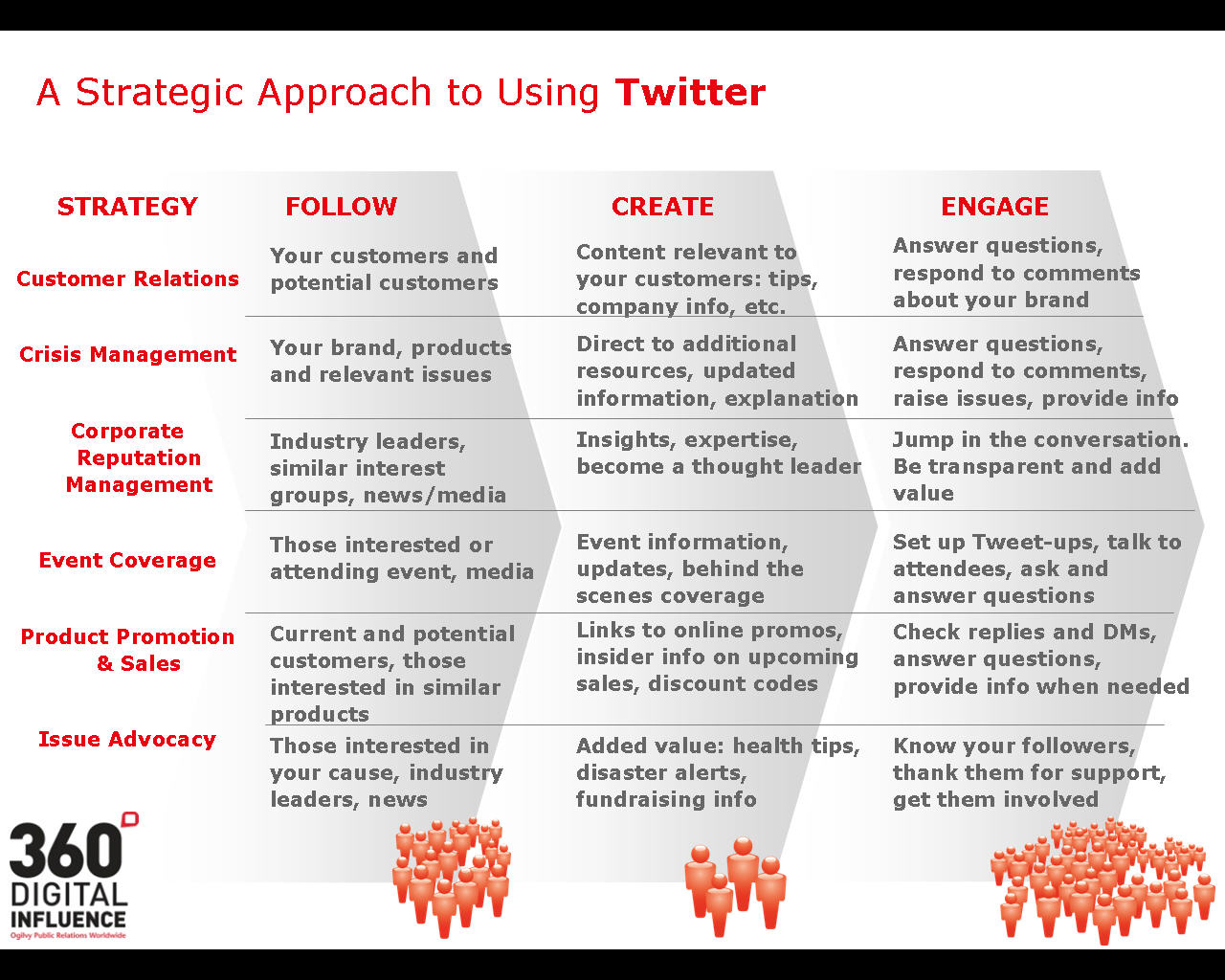
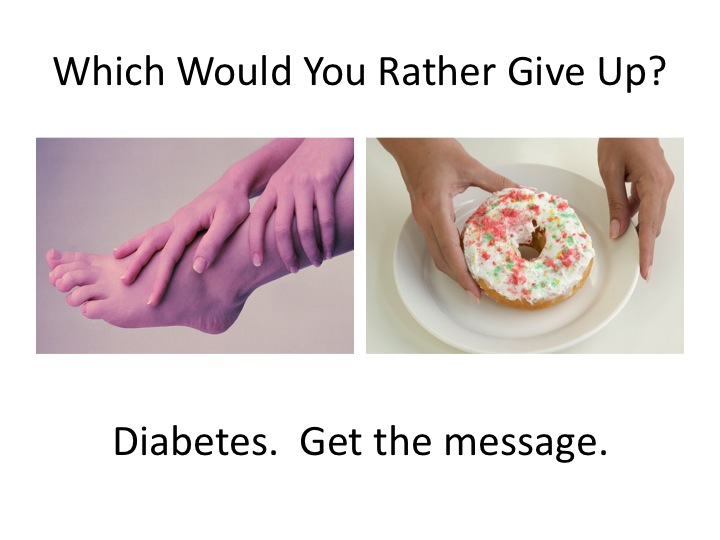
Archive | Marketing / Communications RSS feed for this section

Mobile / Social Media Stats c/o HubSpot

I’ve never met the people over at HubSpot, but I like the information that they’re making available.  (Thanks SF for the suggestion.)

Here’s a few graphics from a recent post on their blog about mobile infographics.  (BTW – I love infographics)

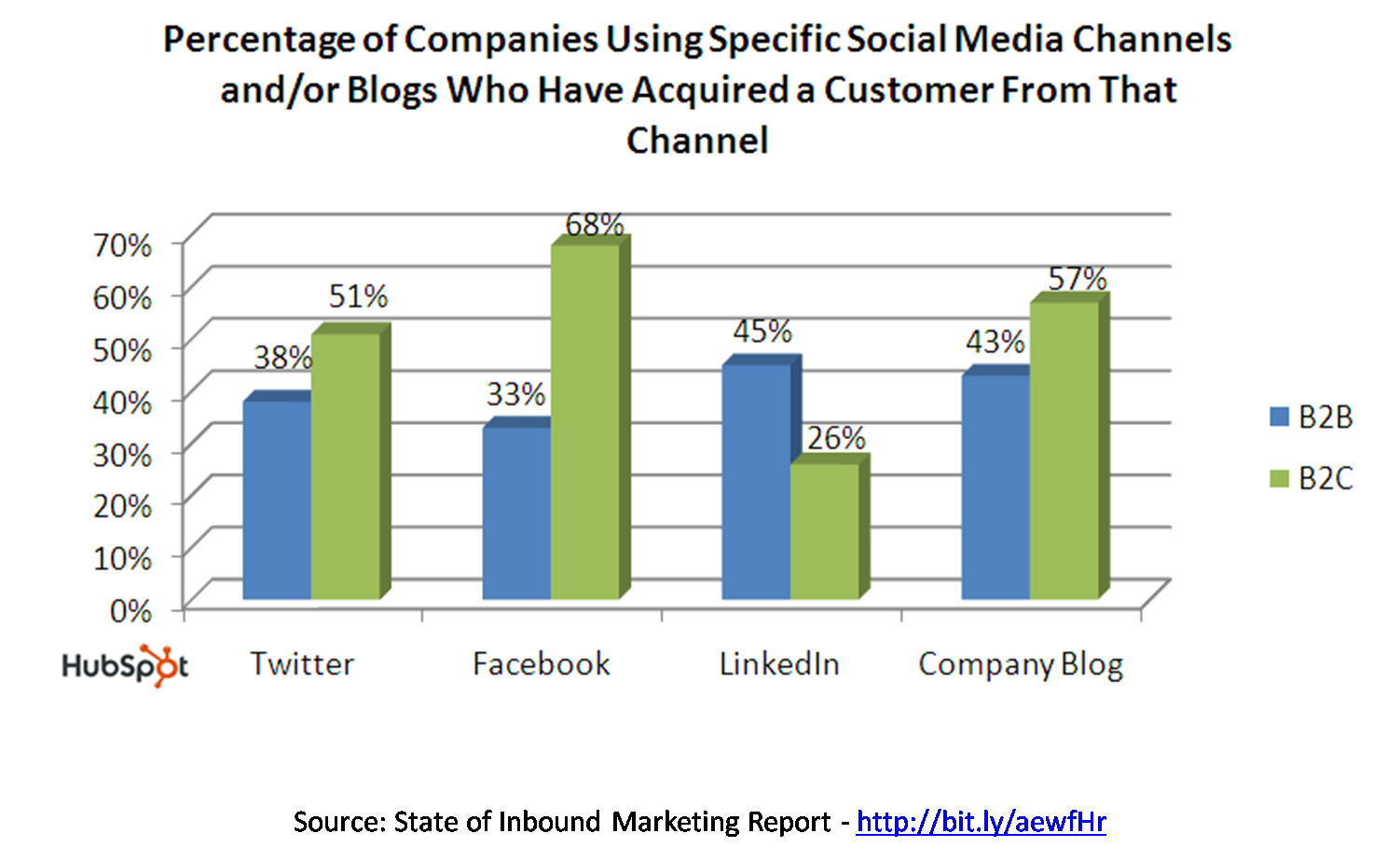
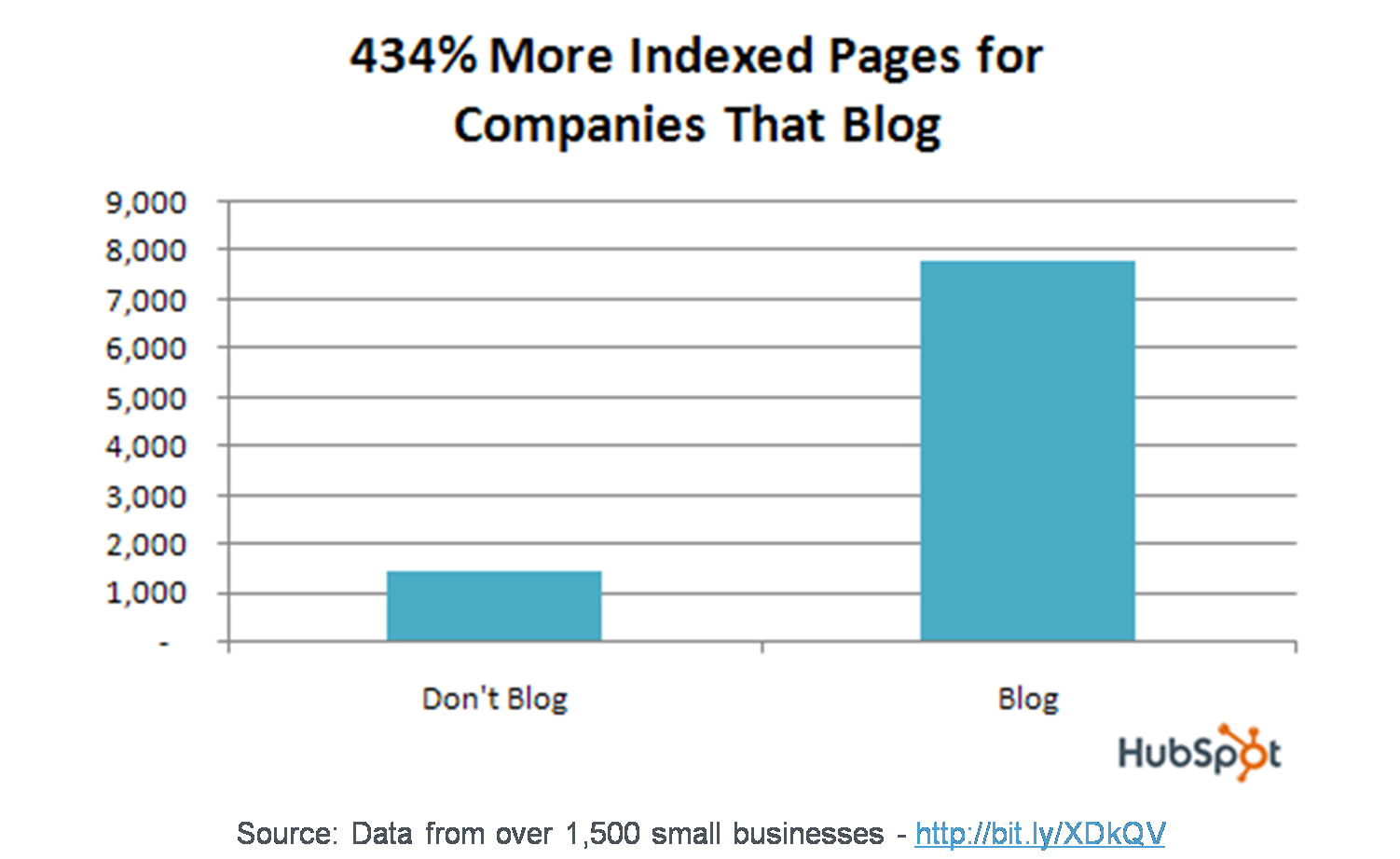
In another area of their site, they have some interesting data on how blogging and social media drives leads.  Here are three of them that I found interesting.

I’m Fat Because You’re Fat – COAK

This caught my attention (although I wish it were a PSA not an advertisement for a gym) because I think it is the right concept.

The Coalition For Angry Kids (COAK) is a website by Anytime Fitness playing upon the Childhood Obesity issue.

We heard that September is National Childhood Obesity Awareness Month, and people are saying that 1 in 3 of us are overweight or obese. Well, Mom and Dad, can you help us out here? We need more than reminders and threats. We need good examples. If you want us to play an hour a day, then come out and play with us.
 
Obama should spend money on some good PSAs (Public Service Announcements) about health.  Like the ones that have been used to address littering, smoking, wearing your seat belts, and using drugs. 

Book Review: Social Media Marketing

I just finished reading the book – Social Media Marketing: Strategies for Engaging in Facebook, Twitter, & Other Social Media by Liana “Li” Evans. It’s a good book especially for those who are new to the social media space. It’s an easy read with good examples. If you’ve been assigned the job of developing a social media strategy or are getting proposals from people in the space, you should read the book.

From her conclusion, let me pull a few things:

Important points to remember:

  • Not all companies are the same
  • You need to understand your audience
  • Cookie cutter solutions don’t exist
  • Don’t be afraid of the negative; embrace it as an opportunity
  • Measure what you’re doing

Her process is essentially:

  • Understand your market
  • Research where your audience is
  • Define your goals
  • Decide who owns what
  • Create your strategy
  • Implement and measure
  • Tweak, retweak, and stop if it’s not working

“Understanding that your audience and customers might not be where the media thinks they are (Twitter and Facebook, for example) is an important concept to grasp if you want to be successful.”

Reading her book definitely influenced my post from the other day on the 7 Myths of Social Media. Here are some other items from my review of my notes:

  • Types of social media
    • Social news sites
    • Social networking
    • Social bookmarking
    • Social sharing
    • Social events
    • Blogs
    • Microblogging
    • Wikis
    • Forums and message boards
  • Her 3rd chapter provides a good starting point of different metrics to think about.
  • She suggests several buzz-monitoring services:
  • She mentions Groundswell by Charlene Li and Josh Bernoff multiple times.
  • She gives an example about how Royal Caribbean managed an online situation.
  • If you’re giving away something, make sure it’s unique and special. Don’t just give the members of a community something they could get at any other place.
  • She talks about blogs as a “double-edged sword” where they can do whatever they want. I find it an interesting perspective since her PR company reached out to me and sent me the book to review. Did they do their background to see my prior book reviews? Did they know their pitch would appeal to me and they wouldn’t end up on the Bad Pitch Blog?

One question that I didn’t get answered was “What do you do with your content as your audience shifts from one technology to another?” I think this will be an issue as things move from (for example) MySpace to Facebook. What do you do with the old content? How do you keep things relevant without having to manage 20 different locations? (She suggests looking at Pete Cashmore’s Mashable site.)

  • She reinforces a key point several times which is that all your employees need to realize how their actions online affect the social media strategy that your company has.
  • Several times she reinforces the point that you can’t control the discussion.
  • She made an interesting observation that the Share This type applications that let you choose from multiple sharing services are actually a problem since they overwhelm people. (I guess this is like the concept of limiting choice as a way to help people decide.)

I wonder what it would be like if plans and PBMs were to share proposed plan designs with consumers via social media and engage them in dialogue. Would it change what was used?

She suggests Mike Grehan site – www.searchenginewatch.com – for information on search engines.

So, there is lots more in the book. I’d suggest you check it out.

When Should You Ask About Auto-Refill?

Auto-refill for prescriptions is all the focus lately.  Everyone from the big PBMs to the local pharmacies are encouraging this.  It helps with adherence (or at least with adherence calculations since you can’t force someone to take the pills just because they have them).  It addresses one of the common patient reported issues with adherence which was that they forgot.  They ran out of pills or didn’t know to refill the medication.  In some cases, a few days of pills may not be a big issue, but in other categories, this could be a problem. 

In general, professionals consider taking medication 80% of the time (or 80% medication possession ratio) to be adherent.

So, what is auto-refill?  You sign up to have your medication refilled when it’s time for a new bottle and then mailed to you or ready for you at your retail pharmacy. 

One question is whether this includes auto-renewal.  To most consumers, renewal means nothing, but it does in the pharmacy business.  When you get a script, it is only good for 12-months.  That could be twelve 30-day fills or four 90-day fills.  When you’re done, you need a new prescription from your physician.  That is called a “renewal”.  To most consumers, we just think of it as we ran out of refills.  So the critical question here is whether you include renewals in the auto-refill process.  I certainly advocate for yes.  If I run out of medication and expect my prescription to be refilled (because I signed up for auto-refill), I would want my pharmacy to reach out to my prescriber proactively.  Or, even if I’m just planning on refilling, I’d like my pharmacy to let me know in advance that I need a renewal or new Rx since I don’t have any refills remaining.  That can delay the process so without doing that you can create a gap in care.

That gap-in-care is one of the reasons why patients drop out of mail (which may happen to me).  In my case, I waited until I was down to 5 days supply of my medication imagining that my pharmacy would call me to remind me to refill.  They never did so I called to refill, but I was out of refills so a renewal is needed.  Getting in touch with my prescriber could take a few days so now I’m not sure what might happen.  Ideally, I would get a confirmation from them on when it’s coming, and I could go to a local pharmacy and get a 3-day “bridge supply” for a minimal fee.  We shall see.

But, what I recently found interesting (that took me down this path) was some research from CVS Caremark that was recently presented saying that

According to Keller, new research by CVS Caremark seeks to address the fact that many healthcare decisions unnecessarily are complicated by the lack of clear and plain language. In addition, choices for such programs as automatic refill of prescriptions or generic alternatives can be overlooked because those options are not readily transparent to the consumer, Keller noted.

“Through this research we are testing options presented through four different communications channels to see how consumers react to different scenarios,” Keller said. “One of our preliminary findings looking at consumers on the Web shows that if we reach out and present a decision to choose automatic refill in advance of renewing a prescription, they sign up at twice the rate of those who were passively presented an opt-in choice after receiving a prescription.”

For those of us in the communication space, this is interesting.  How you present information…when you present information…the language you use…All of these things are important as demonstrated here.

Seven Myths Of Social Media

I’m just finishing up a book on social media (book review to come shortly). As I was reading it and based on my experience, I came up with a few myths:

  1. You have to be everywhere.  It’s impossible.  There are so many sites out there.  You have to know your audience and determine where to spend your effort.  You MIGHT have to stake your claim to avoid someone else using it and provide information for consumers to reach you, but you can’t actively contribute and add value across the social media spectrum.
  2. Set it and forget it.  Social media is about dialogues and continuous information.  You can’t put up static content like a website and come back every week, month, year and update it.  The best companies respond (for example) to a Twitter comment about them in 24-hours while some never respond. 
  3. Build it and they will come.  There is a constant dialogue about whether you have to “own” the community or simply participate in it.  There is certainly reason to create content (i.e., blog posts, tweets), but you have to find a non-marketing environment to interact with your customers and influencers and understand their needs.  In many cases, that environment might already exist and you need to join it.  Additionally, you can’t simply launch something or join something without pushing out information about it.  For example, if you have a Facebook page, you need to have a link on your website, put it in your LinkedIn profile, include it in your press releases, etc.
  4. Marketing should own social media.  Traditional marketing has been about the controlled message.  Social media is about participatory messages.  There’s a big difference.  Additionally, social media can be and needs to include any employees who are actively engaged in social media.  We’ve seen numerous examples of employees who comment inappropriately only to jeopardize their job.  (I’ll agree that there are issues here to still be defined regarding privacy versus freedom of speech.)  Marketing can’t reply real-time about operational issues.  Ownership is a collective effort.
  5. You can outsource your social media.  This is a big mistake.  There are lots of consultants who will tell you what you want to hear.  They will talk about some channel or channels that work (e.g., Twitter experts, Facebook experts).  They’ll talk about search engine optimization (SEO) and what to do.  They’ll tell you that you need an iPhone app or a YouTube channel.  The reality is for your solution to be genuine and timely that it needs to be someone(s) who understands the company, feels passionate, and is empowered to do something quickly.
  6. Tell me..tell me…tell me.  This works great for presentations.  But, you’re now a part of the audience (although an informed member with an agenda).  You need to tailor your objectives to what the audience wants / needs.  In a community, they’re there for a reason.  They are discussing a topic and sharing their thoughts.  They want you to add value not sell your products or agenda.  They want to be valued.
  7. You can avoid it.  This is an obvious one.  With 500M users on Facebook and YouTube being the second most popular search engine, you have to understand how people find you on the Internet.  Google is a verb.  Current generations will grow up with theses modes, smart phones, and be uninhibited by our sense of privacy.  Technology is and will continue to be more ubiquitous.  The way people learn about companies is changing.  The way people learn about people is changing.  Relationships between people are changed based on technology.  Companies have to understand what’s being said about them and embrace it not run from it. 

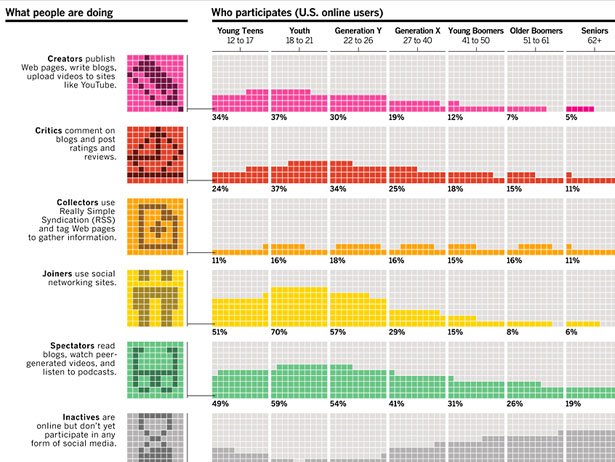
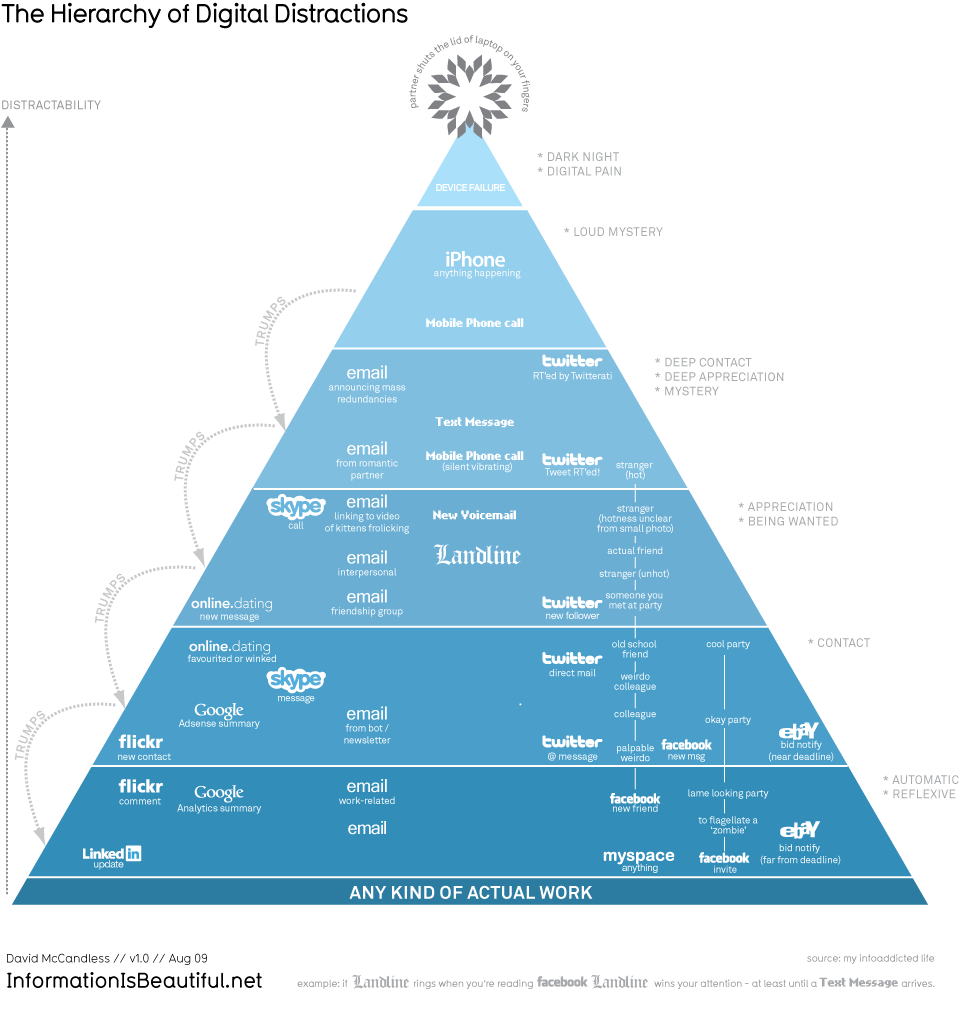
There are tons of infographics out there that symbolize some of this.  I pulled a few of my favorites together here, but you can find more.

NCPDP Nov 2010 Event: The New Economy And …

On November 2nd, NCPDP is hosting an educational event called “The New Economy and It’s Impact on Healthcare, Pharmacy, and the Patient.” Sounds pretty cool! It’s a topic we all talk about.

What does the new sense of frugality mean? What will new forms of insurance mean? How will pharmacy evolve? Will MTM work? Will MTM become a product for commercial? How is the consumer’s behavior changing relative to information and compliance?

The agenda includes yours truly along with people from:
* Kaiser
* Walgreens
* AARP
* Sanofi-Aventis
* North Carolina Association of Pharmacists
* Eaton Apothecary
* American Society of Consultant Pharmacists
* RegenceRx

Express Scripts Drug Trend Highest Among Trend Reports

I am sure there is a project at Express Scripts right now to figure out how to position this in the industry. I personally would go for claiming better adherence drives up drug trend (see prior post).

With five major drug trend reports out (Express Scripts, CVS Caremark, Medco, Walgreens, and Prime Therapeutics), there is only one more that I expect – SXC. I’m sure someone else could come into the market with a report, but it’s a lot of work.

The trend numbers so far are:

  • 3.2% for Walgreens
  • 3.4% for Prime Therapeutics and CVS Caremark
  • 3.7% for Medco
  • 6.4% for Express Scripts

Does anyone really care? Should they?

On the one hand, it’s a good marker, but the companies each have different mixes of clients (Medicare, Medicaid, Employer, Managed Care, Government). They also have different mixes of clients by geography. All of these things matter.

I would personally argue that we need a different key metric for the industry. The one challenge Express Scripts faces is that they really drove this metric for years and were able to set the standard. Now, they may be caught up in that legacy.

Some of the metrics that are used to compare PBMs:

  • Generic fill rate – this is meaningful in that traditional PBMs make more money on generics but definitely subject to client mix
  • Mail order penetration – this is meaningful in that it drives several other metrics and is where PBMs make money
  • Drug trend – this is relevant in a traditional PBM sense that lower trend is better
  • Cost share – this has held pretty flat for years while the absolute value has gone up
  • Mail order satisfaction – this is generally a measure that everyone has as high and touts
  • Client retention – it seems like everyone has high marks here while clients obviously move around
  • Mail order fill accuracy – everyone’s at 99% plus so you get to differentiate at the six sigma versus two sigma level (which in scale matters)

I personally think average client cost per claim processed is a better measure. It takes into account drug mix (brand / generic). It takes into account rebates and rebates provided to clients. It takes into account retail mix (30 / 90 day) and mail order. It takes into account plan design.

I also think creating an average MPR (medication possession ratio) would be a relevant metric that more closely mapped to health outcomes and would still be within the PBMs sphere of influence. They can drive awareness and help with adherence programs thru the consumer, the pharmacy, and the prescriber.

I’m also a big fan of key metrics like:

  • 1st call resolution
  • Average inbound calls per claim processed (mail versus retail)
  • Web utilization – # of registrants AND average visits per registered member per year

The Power Of A Name

Believe it or not…Cows with names produce 68 more gallons of milk a year (according to Newcastle University in the UK).

So what does that mean for you?  Imagine how important it is to treat your customers as people…or your employees.  Think about that personal experience when you interact with a member.  If you’re the consumer, think about how it makes you feel when you get a general message from your healthcare provider.  Isn’t it better when it’s personalized to you?

10% Discount On DMAA Registration

As a speaker at the upcoming conference, they sent me a discount code…

Register Now for The Forum 10

DMAA: The Care Continuum Alliance, the leading trade association for wellness, prevention, disease management and other services across the continuum of care for chronic conditions, invites you to its 2010 annual meeting, The Forum 10, Oct. 13-15, in Washington, D.C. Join leading health plans, wellness and care management organizations, physician groups, health IT companies, state and federal programs and other stakeholders as they discuss health care reform, share best practices and network. Keynote speakers include best-selling author and motivation and engagement expert Dan Pink; and a panel presentation by nationally recognized consultants on workplace wellness strategies. View complete programming details

Special Registration Offer: Viewers of this notice can receive 10 percent off standard Forum pricing by using discount code “FRIENDS-FORUM” during the registration process. Go to online registration

Choices: Grande Skim Mocha With Whip @ 140 Degrees

Choices.  We can all become overwhelmed with them.  As several studies have shown, more choices are not better…they paralyze us and limit our ability to make a decision. 

So what do we do with this.  Choice is a double-edged sword.  On the one hand, you want to offer choice to everyone.  On the other hand, this can make implementation very difficult. 

Like my Starbucks example.  I can customize almost everything off a pretty basic menu…even the temperature.  (BTW – they suggested using 140 degrees rather than saying kiddy temperature)  But that makes it more difficult to standardize and should increase the risk of error.  Imagine doing this efficiently and in scale.

Mass customization has been a challenge for years. 

People can have the Model T in any color – as long as it’s black.  (Henry Ford)

While technology allows this to a certain degree, it all has to be moderated.  Let’s take communications.  I could let every consumer tell me their preferences and other facts about them.

I want you to send me automated calls unless the information is clinical in which case I want a letter than I can share with my physician.  I’d like the calls made to my home number between 5-7 pm or on Saturday’s between 10-4.  I’d like you to leave a message and don’t call back unless I don’t act for seven days.  If I interact with the call, please text me the URL or phone number for follow-up.  I like to be addressed by my first name.  I’m an INTJ so please use that as for framing the message. 

You get the point.  Where do you stop?  And, do you really think that I know what’s best.  I tell almost everyone to e-mail me, but depending on when it comes in, it could be days before I respond or even read the e-mail.  That’s if it passes the spam filter. 

I’m sure if I asked 10 people whether they wanted automated calls then 7 of them would say no, BUT you know what…good calls work (voice recorded, speech recognition, personalized).  The vast majority of people interact with good, automated calls (some for 10+ minutes).  Most people think about those annoying robocalls that use TTS (text to speech) we all get around the elections.  But, good technology with a relevant message from a relevant party get people to care.  It’s all about WIIFM (what’s in it for me).   The other half of the equation is being able to coordinate the multiple modes.  (e.g., I missed you so I’m sending you a letter.  Let me text you the URL.)

So, should I let the consumer pick their preferences?  Sure for certain things.  But, what about a drug recall (for example)?  Do I have to wait a week to get a letter?   What can I personalize versus what should the company own.  I pay for them to “manage” my health.  Why don’t I let them?

There is no perfect system.  You need a series of things to be successful. 

  • A database to track consumers – demographic data, claims data, preferences, interaction history, …
  • A workflow engine with embedded business rules to manage communication programs with rules about what to do when certain situations arise
  • Reporting to track basic metrics
  • Analytics to understand and analyze programs

And, of course all this requires expertise to interpret and leverage the data for continuous improvement.

Are you doing all that?  I doubt it…but you can be.

Racing: Incentive or Extra Cost

I’ve run a handful of races over the past 7 years (marathons, 1/2 marathons, and 5Ks).  I have a lot of friends that us the race as an event to motivate them to train.  And, I agree.  It’s helpful to have a goal and be timeboxed to deliver against that goal. 

On the flipside, I always struggle with paying to run in a race with all the added headaches (parking, crowds) if I don’t see any chance to beat my PR (personal record).  I have decent PRs in my 5K (20:55) and my 1/2 marathon (1:42)…we won’t talk about my full marathons.  I’ve finished, but all around 4:30. 

Why is this relevant?  For several reasons:

  1. Incentives are important in healthcare.  Motivating people to change is critical.
  2. This is an example of how an incentive is viewed differently by different people.
  3. This is an example of how the view of an incentive (or motivating event) changes over time or based on a particular framework.

I know this is an opinion of one, but I’ve seen this numerous times.  Healthcare is different.  People are different.  People’s perceptions of their disease change over time.  People’s understanding of healthcare changes over time.  The macro economic factors change. 

You have to be aware of this as you design programs to drive health behaviors.  While you need to understand and respect the past programs, you have to be willing to try things again as the environment might have changed.  You also can’t segment people broadly or put people into one segmentation across time and across different programs (even if their demographic segmentation – income, geography – hasn’t changed).

Doctor – Patient: Relationship or Transaction…and Therefore

Don’t jump the gun too quick here. I assume most of you are going to say that there is an implicit (or explicit) relationship between the physician and the patient. They have some interest in your outcome and your care.

But, before you go there, I want to put forth a hypothesis. If this is true, is it okay for the physician to monitor your activities on your social network? (original question posted by The Side Note blog) Can they follow your tweets? Can they review your activities on Facebook or MySpace or some future site? Can they reach out to you to ask why you tell them you’re on a diet while you tweet about eating a Big Mac? Can they ask you about side effects that you’re having to a medication?

I’m positive that they don’t have the time to monitor these sites (but someone could do that for them). The question is whether it’s ethically okay for them to do that and use that information to provide you with care.

It seems like everyone else is using that information (which is public domain). Lawyers are using it. Tax collectors are using it. HR managers are using it. I would assume insurance adjusters might be using it.

Health Loyalty Lessons

Colloquy published a good article on Health Loyalty Lessons.  It pointed out 6 things that were important:

  1. Short-term incentives can mean long-term payoffs.
  2. Understand your objectives if you want to offer the right benefits.
  3. Communicate.  Communicate.  Then communicate some more.
  4. Strike a balance between hard and soft benefits.
  5. Stay relevant if you want consumers to stay motivated.
  6. Raise the bar.

These are good points (and more detail is in the article).  They’re relevant whether you’re doing a full blown loyalty or incentive program or simply focusing on the WIIFM principle (What’s In It For Me).  This is why healthcare communications is such a hot area right now. 

  • Who do I communicate with? (targeting)
  • When do I communicate with them?
  • How do I communicate with them? (letter, call, e-mail, text)
  • What message will drive them to act?
  • How do I measure success?
  • What’s worked before…for the individual or for people in the same segment as the individual (gender, age, condition, income, plan design)?

A Collection Of Misc Articles

I’m in a clean-up mode in my e-mail and blog pile. For the first time in almost two years, I’m beginning to feel caught up. I have less than 250 e-mails (combined) in both my personal and work e-mail inboxes. This is a lot since once I open an e-mail I either (a) delete it; (b) respond immediately if possible; (c) file it in a folder on that topic; or (d) leave it in my inbox for future reading (i.e., it’s too much info to digest quickly) or for future response (i.e., it requires more time than I have).

It always begs the question of how late can you respond to something. Yesterday, I stumbled upon a e-mail from someone in Europe that wanted me to add their pharmaceutical site to my blogroll. I clicked on the link, reviewed the site, and added it. It took me less than 5 minutes, but the kicker was that he e-mailed me almost a year ago.

*****

  1. A study by Timothy Monk at the University of Pittsburgh concluded that keeping children on a stable schedule of activities can make them less anxious as they grow up.
  2. People with strong social connections are 50% more likely to live longer.
  3. People who regularly logged in to a weight-management website for 2 years lost 9-pounds (3x those that didn’t log in).
  4. Can a mouthguard make you a better athlete?
  5. A study in the July Health Affairs says that patients that use e-mail with their physicians have healthier outcomes.  (Lots of challenges here, but this should be key in health reform.)
  6. Digital Darwinism…you have to develop relevance, interactivity, and accountability.
  7. MyPressurePoints.com – a survey and website focused on African-Americans with diabetes.
  8. Generic drug videos from Teva.
  9. 9 Leading Trends in Rx Plan Management by Medco.
  10. Two low-cost generics used by Kaiser to reduce heart attacks and strokes.
  11. Managing with the Brain in Mind – neuroscience.
  12. AMA and Medco study about physicians and pharmacogenomic testing

More to come…

Back To The Future: The Role Of The Pharmacist

Between the focus on differentiation and the focus on adherence, we have seen (and will continue to see) greater use of them as a strategic asset. CVS Caremark is leveraging them in their Pharmacy Advisor solution. Walgreens continues to leverage them at the POS. Medco is using them in their Therapeutic Resource Centers. And, the independent pharmacists have stressed this story for years.

In Medicare, the Medication Therapy Management (MTM) process begins to recognize the power of pharmacists and actually rewards them for their efforts. I was quoted in Drug Benefit News today about this topic. Here were a few quotes:

“The pharmacist is an under-utilized resource today,” George Van Antwerp, vice president of the Solutions Strategy Group at Silverlink Communications, tells DBN. “They go to school to work with patients and often end up simply filling bottles.”

While the benefits of pharmacist intervention are undeniable, Van Antwerp says, the challenge is finding the right balance of face-to-face interaction and automation. Issues also include getting a good return on investment for such services by condition and the fact that only an estimated 60% of the people picking up prescriptions are the patients themselves. In addition, “the staffing model right now would be stressed if pharmacists were spending significant time on cognitive services,” he maintains.


DMAA Client Presentations

We (Silverlink Communications) are very excited to see three of our clients get selected to present at DMAA this year.  That is a tribute to all their hard work, creativity, inspiration, and willingness to leverage technology to improve outcomes.

Here are the presentation summaries from online:

Reducing Blood Pressure in Seniors with Hypertension Using Personalized Communications
CONTINUUM OF CARE SERIES
Wednesday, Oct. 13, 1-2 p.m.

  • Examine how an integrated communications program that utilizes remote monitoring and interactive voice response components combine for an easily scalable, cost-effective solution to reduce hypertension.
  • Review a program where 18 percent of participants transitioned their hypertension from out-of-control to well or adequate control.
  • Identify best practices for how personalized, automated, interactive communications can be leveraged to control hypertension in a scalable manner.
  • Evaluate how high blood pressure readings alerted patients with immediate feedback and education to help them better manage hypertension.

Improving Statin Adherence through Interactive Voice Technology and Barrier-Breaking Communications
Wednesday, Oct. 13, 2:15-3:15 p.m.

  • Examine how interactive voice response (IVR) and barrier-breaking communications can measurably improve statin adherence.
  • Review key barriers to statin adherence, including several barriers that are more significant than cost.
  • Identify best practices for using IVR technology to improve statin adherence by addressing specific barriers.
  • Evaluate how continuous quality improvement processes were used to drive higher response rates to IVR prescription refill reminder calls.

Addressing Colorectal Screening Disparities in Ethnic Populations
Thursday, Oct. 14, 12:30-1:30 p.m.

  • Examine how interactive voice response (IVR) technology and personalized messaging improves the rate of colorectal cancer screening for different populations.
  • Review the impact of ethnic-specific messaging on colorectal cancer screening rates and how this differs by ethnicity.
  • Examine how engagement is influenced by the gender of the voice in communications outreach.
  • Identify how to use predictive algorithms to project race and ethnicity to support tailored communications.

Caremark iPhone App – Will Others Follow?

CVS Caremark announced today that they were releasing a Caremark iPhone application. First, I think it’s about time (for some PBM to do this). I would think the other PBMs will follow suit.

Second, I think this is a great opportunity for an expanded CVS Caremark iPhone application which expands the functionality of the app and is like Maintenance Choice in that it offers a benefit of the integrated company.

Today’s application is PBM centric and focused on ordering refills (I assume at mail only); checking prescription order history (I assume mail only); viewing prescription history; requesting a new prescription (retail-to-mail I believe); checking drug cost; and finding a nearby network pharmacy. Checking drug cost could be the coolest feature since it would give patients what they don’t have today – an ability to check the cost while they’re at the physician’s office. Finding a network pharmacy is an important tool if companies were to promote limited networks, but it’s only a nice to have if all the pharmacies are in the network.

So, of course the question that I would have is when will they add the retail components to request retail refills (at CVS stores or all locations); check status of prescriptions (e.g., prior auth required); request a renewal of an Rx; request a lower cost alternative; find a CVS with a MinuteClinic; or identify opportunities to save money (e.g., a generic alternative).

There are lots of other things to push out via the application, but I agree with the strategy of focusing on the core applications first. Caremark (or other PBMs) could push clinical suggestions; send adherence reminders; do satisfaction surveys; collect barrier data (why not adherent); and collect information (why not using generics). I also see it as a great way to push tools – e.g., 5 questions to ask your physician when you get a new Rx.

It would be interesting to see the statistics in a year – how many downloads of the app; how frequently is it used; patient satisfaction with the Caremark for those with the app (vs those without); adherence for those that use the application; what functions work best; savings versus other modes of communication; and effectiveness of their appliction versus other health applications.

How Much Do You Really Notice?

The Dateline NBC show “Did You See That” shows us just how little we see or how easily our minds are distracted. This is a real issue when we think about communicating information to patients who have hundreds of other things going on in their life.

Would you notice if the man who stopped to ask you directions on the street all of a sudden became a woman?

Would you notice a man walking thru a group of basketball players when you were focused on counting passes?

Would you notice when the talk show host’s shirt turned from blue to green?

Would you notice that the person helping you at the store was blond one minute and a brunette the next minute?

People in the videos on the show didn’t. It was amazing…scary…surprising.

It makes you think. It made me want to experience the tests. Would I notice?

Watch this video – http://www.msnbc.msn.com/id/21134540/vp/38287250#38287250.

10 Numbers You Need To Know For Mobile Health

I found this great list of statistics yesterday from RxEOB. I won’t repost them all here so you click thru to the original content, but I thought it was very helpful.

23%. Percent of American households who use only a mobile telephone, no land line. Another 15% of homes with landlines report they receive all calls to their mobile device.

32%. Percent of Americans whom have accessed the internet from their mobile phone as of 2009. (19% reported they did it “yesterday”). In total 56% of Americans have accessed the internet via some form or wireless device (e.g., phones, MP3 players, laptop, game consoles).

81%. Percent of physicians will own a smart phone by 2012. Physicians are one of the highest using Smartphone demographics overall.

5,820. The number of health apps that were available for download from the major online Smartphone app stores (as of a report published Q2 2010).

66%. Percent of Americans who are interested in receiving health related emails from their health insurance company… 52% would be open to receiving emails that provide them feedback on their health process.

How Blunt Should You Be?

I’ve talked about this before from my personal perspective so I found this article about shocking men into going to the doctors right on point. But, I think this begs a great question…

“Should you communicate differently with men and women?”

My short answer is yes. In reality, it doesn’t always make a difference, but there are lots of times when it does. I’m not sure I’m ready to bet the farm on shocking messages to men all the time, but I would love to try that. Imagine an adherence message that told them they were improving their likelihood of death by 27% by not taking their medications. Or, a message about going to get a prostate exam which pointed out how many people die per year.

Most healthcare companies keep the gloves on when delivering messages. They are trying to motivate them, but they are hesitant to be too blunt (or direct). I’m sure that generally makes sense, but sometimes you just have to catch someone’s attention to get them to act.

Telling someone they are overweight and should start to workout and diet is very different than saying they are obese and are likely to die in their 50s if they don’t change their lifestyle immediately.

Related story – Top 5 Reasons That Men Don’t Go To The Doctor

Member ID Card Application on iPhone

Priority Health (which I find to be a well run and progressive managed care plan) announced their new iPhone application.  I suspect many will follow. It’s simple today, but imagine all the information you can put there – copays, drug history, lab values.

How Do You Pull, Push, and Pay?

I was reading something on Healthwise this morning.  We recently had Don Kemper (CEO) present at our client event in May.  He was talking about “Billion Dollar Decisions: Right Tools, Right People, Right Time”.  A few key things from the overview:

  • Today’s healthcare crisis can’t be solved with out helping everyone do more for themselves.
  • People need to ask for the care they need and avoid care that’s not right.  (a huge information and health literacy challenge)
  • Every year people make 300M major healthcare decisions, 50M surgeries, 100M medical tests, and 150M+ major medication changes.
  • Patient decision aids are key – http://ipdas.ohri.ca.

The summary was that to get people to uses decision aids you have to employ pull, push, and pay strategies.

Pull: Consumers pull the decision aids from the Web.

Push: Providers and payers push contextually relevant decision aids to consumers when they need them.  (What Silverlink does!)

Pay: Providers and payers create incentives to encourage the use of decision aids. 

Gender Bias – Postpartum Depression

We all know that females are different that males in terms of healthcare.  And, regardless of the data, we all have biases in terms of what we believe.  These biases can cause issues.  (As I often say…”When you assume, you make an ass out of u and me.”)

That being said, I found the study a few months ago interesting where it said that 14% of American men develop depression either during their partner’s pregnancies or in the first year after delivery (peaking when babies are 3-6 months old). 

This is important since depression is correlated with lots of health issues and has a family impact.  The article mentions that children of depressed fathers have more emotional and behavioral problems than other kids at age 3 and more psychiatric disorders by age 7. 

An interesting note was:

“Any healthy adult who goes without good sleep for a month is liable to become depressed.”

The big takeaway from the study is that physicians (and other healthcare entities) need to treat the family around birth.  This is probably also a great opportunity for social media to support fathers as much of today’s infrastructure is set up to support the mother.

Pay For Full Service

In several industries (e.g., travel), you pay when you access a customer service representative.  That forces you to use the self-service options of the Internet and/or the automated call line.  Could this work in healthcare?

I doubt that people would be so directive as to penalize people for talking to a representative or a clinical person especially on such a sensitive and personal a topic as healthcare.

BUT, on the other hand, a disproportionate amount of calls are for mundane issues or questions would could be solved using other channels.  The fact is that these channels have to be efficient and easy to navigate (which they aren’t always today).  But, technology continues to become more ubiquitous so it’s not unreasonable to expect people to self-service more often.

One idea that I tried to sell years ago at Express Scripts was more around incentives for self-service.  Why not offer large employers a discount if their use of the call center decreased?  They have some opportunities to influence this.  They could put a link to the website on their intranet.  They could leverage their e-mail network to push out messaging.  They could encourage people to use the PBM (or health plan) website.

On thing that several CFOs told me years ago was that they would frame the problem differently for their employees.  It wasn’t  about just saving money to reduce cost, but it was about re-directing funds to cover more things.  For example, one company had to cut $10M in expenses.  They were looking at plan designs to accomplish some of that.  But, they also thought they were going to have cut on-site daycare.  We looked at one strategy that might save them $15M so they could achieve their savings and actually grow both the daycare program and their 401K matching program. 

What great positioning to the employees!  Here are two things we are going to give you…all you have to do is help us shift costs from point A to point B by taking the following actions.

New Health Insurance Ideas

Just two ideas that I was playing with for health insurance.

1. Complete transformation from group to individual

Why not change the entire market to be an individual purchase…There are obviously some reasons such as adverse selection and group buying power, but I would think those were things where the government could add value.  If individuals selected the health insurance companies and products that they liked, it would create a very different dynamic. 

You could then change the employment paradigm not to a provider of health insurance, but make it more a part of your compensation.  Company A might fund up to $5,000 per year in health insurance while Company B provides up to $7,200 for family coverage.

One of the big benefits of this (beyond making individuals into consumers with power) is that health insurance companies could start to invest in outcomes.  Today, they are hesitant to make long-term investments (i.e., if I do this for 5 years, it will reduce the cost of this individual in 20 years) because their membership turns over.  This is a real issue in my mind.

2. Free insurance for healthy people

There is obviously an issue with funding and hyperbolic discounting, but what if we simply said that people who maintain some set of health standards (BMI btwn 20-25; HDL less than 180; able to run a mile in under 8 minutes) got free health insurance.  Would that make a difference?  I think so.  Companies would be better off – less absenteeism.  The US healthcare costs would drop.

Of course, it would take it’s toll on the providers while being a boom for gyms.  But, it’s hard to find that win-win-win. 

I know there’s a big issue of funding, but I was thinking about some radical ideas of what the money being raised by Gates and Buffet could be used to do and how it could motivate people.

Pelicans, Poverty, and Healthcare

I heard a talk the other day about the importance of localization and framing things in ways that people feel they can make a difference.  This person was framing the issue of poverty in the way that people respond to issues like the oil spill in the gulf and animals.  People care about animals.  They don’t want to see them covered in oil.  They can see themselves making a difference cleaning the animals.  Therefore, they respond.

This person was framing poverty in much the same way.  Thinking about global poverty and how to help the 1.2B people who make less than $1 per day is overwhelming much less trying to address the issues of the working poor.  But, he was framing poverty in ways that we could make a difference.  For example, you could buy a goat for $90 to feed a family.  Or, you could donate $2,600 which was matched by someone and could build a house.

This got me thinking about healthcare.  Not only because of the health and wealth connection, but the challenge of addressing a massive issue.  We need to continue to break healthcare problems down to finite issues that can be addressed by people like you and me.  This is not only for our own health – e.g., drink more water, but for the health of our communities – e.g., no more soda machines in our schools.

Wal-Mart Whitepaper on Restricted Pharmacy Networks

Of all the companies that might put out a restricted network whitepaper (PBMs, retail chains, consultants), I will admit that Wal-Mart is a surprise to me. It’s not that they haven’t been trying different strategies to increase market share – $4 generics, direct-to-employer contracting, but in general, I don’t see them doing a lot of marketing or selling in this space. They participate at one industry event, but their booth is very stark compared to other pharmacies.

But, that being said, the whitepaper makes the key points that anyone would make (i.e., I agree with the framing of the opportunity) with a slight twist of focusing on member savings versus payer savings.

Some of their key points from the whitepaper are:

  • You should treat pharmacy negotiations like buying any widget. There is more supply than demand.
  • Today’s model encourages all pharmacies to offer a rate that doesn’t get them kicked out of the network.
  • Today’s model doesn’t encourage consumers to pick one pharmacy over another.
  • There’s 5x more pharmacies than McDonald’s in the US…and no one would argue that it’s difficult to get a Big Mac.
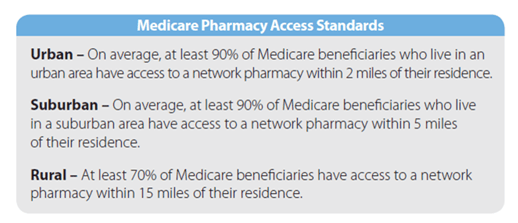
  • They quote the Medicare pharmacy access standards to make the point about what access you can survive with. They reference an Express Scripts analysis that says the Medicare access standard can be achieved with a national network of less than 20,000 retail pharmacies (compared to the 60,000 in most networks).
While limited retail networks are not a new concept, they haven’t been widely adopted historically (<10% of clients). PBMs have always offered this type of plan design to payers – “If you remove a few chains from your network, you’ll get a lower rate from the other chains in return for increased marketshare.”

With the integration of CVS Caremark and their offer of Maintenance Choice, we’ve obviously seen the focus on this increase. And, the recent public negotiations with Walgreens highlighted that this is seen as a viable model for the future.

The question now is whether this will accelerate adoption of some type of limited network. If it goes forward, there are lots of questions to answer:

  1. How small will the network be – regionally, nationally?
  2. Who do you build the network around – CVS, Walgreens?
  3. What does this mean for mail order?
  4. What rates do the retailers have to match to participate?
  5. Does it include 90-day?
  6. Does the network start to look like a formulary where you have preferred pharmacies at one copay and non-preferred at another copay or is it either in-network or out-of-network?
  7. Does this increase or decrease power for the independents that have to be in certain places?
  8. Will anyone really test the national access standards and go to a 20,000 store network?
  9. What will consumers say and do?
  10. Does this accelerate adoption of cash cards and cash business for generics?

But, again, I struggle to see Wal-Mart as the chain that you build around unless the whitepaper is a thinly veiled attempt to push the direct-to-employer model (i.e., Caterpillar) which has saved the employer lots of money, but isn’t a simple to implement program (IMHO).

Here are some marketshare numbers for Walgreens, CVS, Rite-Aid, and Wal-Mart for the top 30 MSAs. Only 9 of those markets have Wal-Mart share above 10% and none are higher than 14%. For the other three, you have markets where they have a much higher concentration around which you can build.


Someone was asking me the other day if I saw the PBMs essentially partnering up. I’m not sure I do since there are markets where you would want to build a limited network with Walgreens and markets where you would want to build a limited network with CVS. At least for now, I don’t see Medco and Express Scripts just picking one dance partner although they might just based on who’s willing to play with them.

The other thing that becomes important here (tying this back to my Silverlink work) is communications. You have to identify who will be affected in moving to a limited network. You have to communicate with those people and help get them to the preferred pharmacy. You have to help them understand why you are doing this (savings) and WIIFM (what’s in it for me).

It creates some great dialog between the head of benefits and the CFO. We can save $X…BUT we will have to ask Y% of our employees and their families. Will they care? Do they know their pharmacist (unlikely)? Will it be an issue of convenience? Will they complain (of course…change is hard)? Will they ultimately care (unlikely as most disruption becomes accepted after 3-6 months)?

Should Restaurants Use Characters To Promote Unhealthy Foods?

I find this to be an interesting debate similar to should companies be able to promote smoking.  On the one hand, kids are obviously motivated to go to a fast food restaurant to get the latest toy that comes with the kids meal.  On the other hand, they can’t do it unless their parents take them there.

Additionally, you have to think about what the consumption of these fast foods are by the general population to understand if kids are eating the food at a higher rate than their parents.  I’m not sure you could look at families versus couples because by the nature of families being busier and more scheduled they are less likely to eat prepared meals at home.

These high level issues are important because if kids are likely to eat the meals anyways than why not give them a free toy because you are essentially using marketing to get them to choose one restaurant over another based on the toy.  If it is the toy that is changing their eating habits then we have a different issue – commercials, over-scheduling, parental control, access to healthy meals and snacks, and general eating habits of the population.  I struggle with the argument that the companies themselves shouldn’t be allowed to advertise.

But, I do think there is comparative research which has been done on tobacco and alcohol advertising (i.e., the Marlboro Man).

A factoid I saw in Time this morning was that

“Celebrity sells…kids think food tastes better when a popular carton character appears on the packaging…But, the flavor boost occurs only with junk food, not healthy snacks like vegetables.”

Even with that data, 47% of the child-marketing budgets for fruits and vegetables are on licensed characters compared to 29% of the dairy budgets, 15% of the junk food budgets, and 7% of the candy and ice cream budgets.