Archive | PBM / Pharmacy RSS feed for this section

Presenting at PBMI in February

I am excited about the opportunity to present at PBMI in February.  I hope many of you will be there.  If you want to meet up, send me a quick note at gvanantwerp at mac dot com.  Thanks.

Here’s the description of my presentation:

The PBM industry continues to consolidate through mergers and acquisitions.  At the same time, new PBMs and niche PBMs continue to grow.  While the majority of the green space is gone, there is increasing focus on the individual market through exchanges and the Managed Medicaid market.  But, this maturing of the market has forced PBMs to look at more organic growth opportunities also.  How do you retain business?  How do you innovate?  How can you increase profitability per member?  With a few large market dynamics playing out in 2012, we’ll begin to look at what the future might hold and what we can learn from the past.  It is an interesting time for all PBMs, pharmacies, and manufacturers as they embrace the role of pharmacy in improving overall health outcomes.   

PBMs As A Short-Term Story…I’m Doubtful

While I certainly think the PBM market is going to evolve with increased use of generics, the Express Scripts acquisition of Medco, and the growth in specialty pharmacy, I have to disagree with Matthew Herper from Forbes and Richard Evans of Sovereign & Sector who talk about them as a short-term solution that will struggle (see point 5 in this article). 

I think Mark Merritt from PCMA did a nice job of talking about this when I interviewed him last year about how PBMs have continued to change and will continue to evolve over time.  I also think that Per Lofberg’s comments from earlier today reflect this.  There is still a lot of opportunity around specialty spend.  Certainly, the market dynamics put pressure on the traditional margin areas of generics and mail order for oral solids, but these companies are here to stay and I believe valuations will stabilize even if not at the highs of 5 years ago.  

And, while in general specialty management has been a stagnant space for innovation over the past 5 years, I expect that to change.  I think we’ll see more collaboration with manufacturers both around REMS programs and outcomes-based contracting.  I think we’ll see continued evolution in the area of genetic testing and clinical support.  I think we’ll see the traditional utilization management programs and formulary management programs show value with the growth of competitive products and bio-similars.  I also believe that understanding how to help patients manage their condition and start to take a broader role in overall condition management will and should create PBM opportunities.

Interview with Per Lofberg (CVS Caremark) on the Future of the PBM

After sharing my forecasts about the PBM industry for 2012, I reached out to several people to get their perspective. One person for which I have a lot of respect is Per Lofberg. Per’s now the President of CVS Caremark’s PBM and has an impressive background at companies like Medco, BCG, and Generation Health. Everyone who’s ever worked for him has nothing but great things to say.

Given the change we all expect to see in the industry, I was glad that Per agreed to participate. Here are his answers to some of my questions:

1. 2012 is shaping up to be an exciting year in the PBM industry. Do you think this will finally be the year that limited retail networks take off?

Payers are always looking for new savings opportunities, and limited retail networks provide another avenue to increase savings without compromising access or quality. I have always believed it is quite possible to service large nationwide customers with retail networks that are smaller than the large 60,000 plus networks that are so common today. The current debate in the marketplace will only draw further attention to the topic of limited retail networks, which may result in more PBM clients, including clients who have not previously considered a limited network, engaging in a dialogue about this approach. As a result, I believe that during the 2013 selling season, benefit consultants will be quite focused during the RFP process on understanding the types of savings payers can realize with smaller networks. PBMs like CVS Caremark will need to be able to address this topic clearly with our clients and prospects so they can accurately weigh the benefits and impact of narrowing their network and consider how best to manage the natural disruption factor that will occur.

2. As the generic wave passes in the next few years, how do you expect PBMs to differentiate themselves going forward?

We can’t discount the importance of taking advantage of the large number of blockbuster drugs that will be going generic in the next few years. Being able to deliver strategies designed to drive generic utilization and work with clients to ensure that they appropriately move members to safe and cost-effective generic alternatives should become a best practice standard across the industry. Increasing GDRs will no longer be differentiators, but rather will be expected by clients as a basic PBM offering. As a result, during the generic tidal wave, PBMs need to sit tight, refine their standard formularies and perfect the implementation of programs that drive generic utilization.

As PBMs continue to drive GDR, those that are also successful at offering clinical solutions that support adherence, effectively manage the growing costs related to specialty pharmacy and helping clients manage the intersection of pharmacy and medical benefits to reduce waste and improve health are the ones that will stand out from the competition. Now and in the future, a best in class PBM is one that can accomplish all the basics that used to define differentiation (e.g., GDR, MDR) effortlessly, while bringing value to their clients through an integrated approach to managing the patient’s pharmacy care across the entire spectrum of care. The hallmark of a best in class PBM will be one that effectively addresses access, quality and cost for their clients.

Another consideration for PBMs will be around stricter formulary management strategies to counter increasing, and increasingly frequent, price hikes by pharmaceutical manufacturers. Brand manufacturers are using two basic strategies to protect their market share and we are seeing increased activity as generics erode the profitability of drug blockbusters. Unfortunately, these strategies – brand co-pay coupons and high and frequent price increases — ultimately raise costs and undermine the cost-controls used by employers and health plans to effectively manage their pharmacy spend. To help our clients manage pharmacy costs in this environment, PBMs will need to construct clinically appropriate formularies that provide our clients with options to manage sky-rocketing drug costs without compromising access or outcomes. CVS Caremark is combating price increases by pharmaceutical manufacturers by tightening what is offered on our recommended prescription formulary. As you know formularies are the list of approved drugs that an insurer or employer makes available to beneficiaries and, up until now, the formularies have been quite broad, including most FDA approved drugs, so that doctors and their patients have choice. However, physicians and pharmacists have long recognized that many drugs within a therapeutic class are essentially equivalent, and a “narrow” formulary can be comprehensive while also providing for substantial cost savings.

3. The role of the pharmacist continues to evolve with vaccines and their involvement in more patient management. Given your unique set of assets within the industry, how do you see CVS Caremark leveraging your POS resources to strengthen your focus on clinical outcomes and partner with clients?

As a pharmacy innovation company, we will continue to further develop our unique clinical offerings that leverage the pharmacist interaction and intervention in order to improve the health of our PBM members and drive costs savings for our clients. Our flagship products, Maintenance Choice and Pharmacy Advisor, developed to build on the member’s relationship with their pharmacist, are gaining increasing traction in the marketplace. These programs leverage the clinical expertise and insights of our PBM business along with the broad reach and face-to-face engagement in our retail business to deliver innovative solutions that are unmatched in the marketplace today.

Moving forward we will continue to build on this model by finding ways to further expand member access to these programs. For example, in 2012 we are expanding on our successful Pharmacy Advisor program, originally launched to increase adherence and close gaps in care for diabetes patients, to encompass patients with chronic cardiovascular conditions who are at risk of becoming non-adherent. We are also enhancing Maintenance Choice to make our integrated capability more broadly available to the CVS Caremark book of business and easier for members to use. In addition to enhancing our existing programs we are also continuing to innovate as a PBM by piloting new programs, including one we are piloting in 2012 that leverages pharmacist counseling to better coordinate drug treatment for patients recently discharged from hospitals in order to reduce rehospitalization rates and finding ways to fully integrate our Specialty Pharmacy business so clients and members get the full benefit of the entire CVS Caremark enterprise—PBM, CVS/pharmacy and MinuteClinic.

4. Medicare has pushed quality to the forefront with some of the new Star ratings. Additionally, some PBMs are looking at outcomes-based contracting with pharma. How do you see the marketplace engaging and leveraging pay-for-performance structures within the PBM industry?

Pay-for-performance based on outcomes is an extension of the guarantees that most PBMs negotiate with their clients today. These guarantees are in place to specify a level of service that clients should expect from their PBM with regards to such activities as response time on calls to the customer care center and performance for measurements such as a minimum GDR or MDR to be achieved within a specified time period. Adding in a level of clinical accountability is in line with how the PBM industry is evolving from one focused on channel/access and pure pharmacy cost savings through generics to one that encompasses health outcomes, adherence and the resulting overall health care cost savings associated with these measures. As PBMs get even better at implementing clinical programs and managing adherence across the spectrum of care, I would anticipate we will see more requests by our clients for contracts that either reward or penalize PBMs for their performance in these areas.

5. There is lots of talk about the value of carve-in versus carve-out pharmacy and the integration of medical, pharmacy, and ultimately lab data to provide improved management and identification of at-risk patients. Given your relationship with Aetna and ActiveHealth, how do you see CVS Caremark leveraging these assets even when they work in a carve-out relationship to help clients?

In our current partnerships with health plan clients, our main objective is to find ways to smoothly integrate our pharmacy management activities with the health plan’s focus on solid medical management. This integrated approach—one that balances traditional utilization management with programs to improve adherence, close gaps in care, improve outcomes and reduce negative health events – can deliver better results than a carve-out model that simply focuses on minimizing pharmacy spend. As I mentioned earlier when talking about how PBMs will differentiate their offerings in the future, a best in class PBM delivers on more than increasing GDR or moving members to mail order, it is about managing the whole patient and delivering results that address access, quality and cost. Being able to integrate a full view of the patient and their health works because it makes pharmacy care an integral component of overall health management for the member


[Thank you for reading. If you enjoy reading these posts, I would encourage you to sign up for e-mails from the blog every time new content is added. It’s a convenient way to have the content delivered to your inbox for you to read and share. You can sign up in the right hand column of this site.]

Does Duration Of Team Matter In Business As In Sports?

One thing that I often think about is the amount of change in the teams within rapidly growing companies (e.g., many PBMs). Does this have an effect on internal knowledge, productivity, and therefore success? It’s a great question. With that in mind, I found the infographic below very interesting.

At the same time, I looked back a few years to see how much change there has been in the management teams at each of the largest PBMs (Medco, Express Scripts, and CVS Caremark).  [Honestly, it was less change than I had expected, and I didn’t look at average age since I’m not sure that’s a great proxy in business while it may be in sports.]

  • At Express Scripts, 7 of the 10 people listed on the website have been there that entire time.  Most of them in their current roles. 
  • At CVS Caremark, 6 of the 10 people listed on the website have been there that entire time althought there has been more movement across roles. 
  • At Medco, 14 of the 16 people listed on the website have been with Medco that entire time and the two others might have also but their start date wasn’t listed in their bio. 

So maybe more change is needed?  Certainly with the changes in the market dynamics, there is always a need for bringing in a fresh perspective…at the same time, the PBM industry is complex and continuity given long-term contracts is important. 


by visually via


Opportunists vs. Solidarity

With the Walgreens and Express Scripts dispute unresolved, you are certainly seeing more of an opportunistic attitude in pharmacies than one of solidarity.  Maybe this shouldn’t be a surprise, but early on, I thought that the pharmacy groups would see Walgreens as their “leader” standing up to the large PBM.  If the largest retailer can’t get negotiating leverage over the PBM, can anyone?

Now, if you go into my local grocery store (Dierbergs), you see signs about moving your prescriptions to them from Walgreens before it’s too late.  You see and hear videos playing throughout the store talking about how to move your prescriptions and how easy it is.

CVS Caremark is predicting that it could see as many as 23M prescriptions move from Walgreens to CVS stores.

I’m certainly a fan of preferred or limited networks although I’m not sure I ever imagined a scenario where one PBM would totally exclude one of the big two retailers.  I always imagined a scenario where you were playing them off each other and letting the client choose which one(s) to exclude.

You can see in the new whitepaper by Walgreens that they point out several things:

  • The savings  being offered / created is likely not enough for clients to want to exclude Walgreens and create the disruption.
  • Clients who can include Walgreens are doing so and others would like to or believe they can.
  • If Walgreens is excluded long-term, self-funded clients will be more likely to consider other PBMs.
  • Many people still think this will get resolved in 2011 or by early 2012.

This brings up two other discussion topics:

  1. Will they come back?  If the disruption happens (or has already happened), will consumers come back to Walgreens once they are back in the network?  This will be a true test of satisfaction, branding, and many other efforts.  On the flipside, the other retailers should be spending real effort welcoming and trying to retain the new consumers so they don’t boomerang back.
  2. Has the pressure shifted from Walgreens to Express Scripts?  Depending on the timing, Walgreens will have felt most of their pain by mid-January.  At that point, the pressure (IMHO) shifts to Express Scripts.  Will they want to go through their 2012 selling season without Walgreens in their network, a major acquisition in the works, and any other potential distractions?  I wouldn’t.

What If The Medco Acquisition Doesn’t Happen?

First, I believe that the deal will happen without a doubt especially with the new specialty market share numbers from Adam Fein. While I understand the concerns of the independent pharmacies, I both disagree with them, and I don’t think that the FTC is focused on business protection but is looking at consumers.

That being said, the markets are still discounting the Medco stock which means they think there is some perceived risk. With the shareholder votes at both companies tomorrow, it got me thinking about what would happen if the deal didn’t happen.

If it didn’t happen, you’d have a much smaller Medco. They’ve lost United Healthcare, FEP, CALpers, BCBSNC, and I’m sure others. I’m sure you’d also have some change in the team with people’s resumes out in a tight healthcare executive labor market. You’d have a lot of clients wondering what they would do next. I’m also not sure if David would stay and his team has been together for a while so some of them would likely follow him. At the same time, I think Express Scripts would end up in good shape. They’ve paralyzed one of their big competitors for a year while they’ve continued several projects.

Medco would have to come out swinging in my mind. They would have to look at growth through acquisition putting several companies in play. They might also look at expanding beyond just the core PBM model which I think was always David’s perspective. Perhaps disease management or ACOs or exchanges or technology or maybe try to go vertical by looking at pharma or a wholesaler. I would think companies like IMS or inVentiv would also be interesting.

I’m not sure the FTC would disrupt the acquisition, but I did wonder if someone would try to be the spoiler like Express Scripts tried with the CVS acquisition of Caremark. I’m not sure who could do that but a United Healthcare could pull it off to support their services growth strategy with Optum. Or, Walgreens could take action to counteract their dispute with Express Scripts and follow the CVS Caremark success.

Interesting times.

[Note: I do own stock in many of the companies mentioned here.]

Using the Local Pharmacist to Moderate the P2P Discussion

P2P or Peer-to-Peer healthcare is a common discussion topic these days. Patients want to go online and learn from others with their condition on sites like Inspire.com or PatientsLikeMe.com. The government has been one of the early adopters.

“The social media sites we have created show that the government can interact in a meaningful way with the public. We don’t just push information out; we strive to make the content relevant so people can act on it, share it with family or friends and ultimately change their behavior.” Amy Burnett, CDC (Tapping Into The Power By Getting Personal, Robin Robinson, PharmaVOICE, May 2011)

The question is how can traditional companies – pharmaceutical manufacturers, disease management companies, providers, managed care companies, pharmacies, and PBMs – interact in these discussions. On the one hand, they have a broad depth of experience and data to share. On the other hand, they can’t just jump in and drive their agenda. They have to add value to the conversation, demonstrate that they care, and add value.

Much like the idea that you can purchase things online and return them to the physical store, I think these virtual discussions need to eventually be tied to a physical experience for many patients. One group that I think could play significantly in this is local pharmacists. Imagine that a chain or an association created a social media team. That team could monitor and interact with patients especially in key conditions such as some of the specialty drug areas. As relevant, this could be linked back to a local store where a pharmacist could spend time consulting with the patient. I think this would be a great way to drive the retail specialty business and increase consumer brand awareness.

“The potential use of social media as a bellwether for identifying trends, informational gaps, support tools, even improved communications between providers, allied health professionals, and others could pave the way for a more collaborative approach to population mapping and patient care.” Michael Parks, Vox Media (Social Media: Paving The Way, Robin Robinson, PharmaVOICE, May 2011)

The CDC has even created a toolkit for people to use.

Barrett Toan To Speak At PBMI Spring Conference

Barrett Toan who was the motivating force behind building Express Scripts has been gone for since 2006 when he stepped down as Chairman of the board.  He is now the chairman of Sigma Aldrich here in St. Louis and active in other pursuits.  I was excited yesterday when I heard from Brenda Motheral, the Executive Director at PBMI, that Barrett had agreed to speak at their conference (register here). 

While I never got to work with Barrett as closely as I would have liked to, I was on several projects with him.  I was always amazed by both his passion for the industry and the patient along with his ability to move from both the macro-vision to digging down into the details.  It should be fascinating to hear his view on where the industry is today and all the changes that have happened.

And, that should add to the agenda they already have which includes Gilbert Welch, the author of Overdiagnosed, Kjel Johnson from Magellan, Stacy Dow from Whirlpool, and Dr. Troy Brennan from CVS Caremark

The focus of the agenda this year is on specialty which is obviously front and center for all of us.  The one concern that I have had in the past was around attendee mix.  It always seemed like the PBMs talking to each other, but Brenda told me that so far ~75% of the registrants are plan sponsors and that the actual number of plan sponsors registered already exceeds last year.  This would be a big and very positive change. 

Brenda also mentioned several other key topics – 340B, MTM, eRx, generics, consumerism, OTC, and Rx and Dx integration.  Of course, I’m sure there will be discussion from their survey which I reviewed earlier, and they will be releasing their new specialty survey at the event.  I’m planning to attend, and I hope to see you there.

Cost and Outcomes Drive Better Use of Data

Overall, I would describe healthcare companies as trying to figure out how to drive the best outcomes at the lowest cost while maintaining a positive consumer experience.  This isn’t easy.  One area of opportunity that companies increasingly look at is how to use data to become smarter. 

  • Can I build a predictive model of response curves?  Who’s likely to respond?  Who’s likely to take action?
  • Can I develop a segmentation model that works?  How will I customize my communications after the segmentation?
  • Can I rank and prioritize my outreaches?  Should I do that based on risk or based on potential value? 

Ultimately, I think this is driving companies to be a lot smarter and to look at how they use both medical and pharmacy data.  For example, I’ll point to both CVS Caremark and Prime Therapeutics in press releases from earlier this year. 

“The ActiveHealth CareEngine offers evidence-based information that can be used to improve the health care of our members and enables us to take our programs to the next level by seamlessly incorporating medical data,” stated Troyen Brennan, EVP and chief medical officer of CVS Caremark. “This agreement will enhance our existing programs to identify issues related to gaps in care, potential drug-to-drug interactions and duplicative care — information that is important to bring to the attention of the member’s physician.”  (article that this is sourced from)

Smart use of medical and pharmacy data is one of the most powerful tools we have to improve outcomes and increase value for our members and clients,” said David Lassen, PharmD, Chief Clinical Officer at Prime. “Through ongoing partnership with health plan clients, Prime is uniquely positioned to view the entire spectrum of patient care, and we can leverage that information to help manage cost and to improve outcomes. We are very excited to collaborate with Corticon on the development of this clinical platform.” (press release)

The next step will be to integrate PRO (patient reported outcomes) from sources like connected devices and PHR (personal health records) that might show blood pressure, workouts, calories, or other data points that could help companies determine when to intervene and how to add value to drive an outcome.

Additionally, another key is continued work in the outcomes-based contracting world and bonus areas such as Star Ratings where the financial value is tied in the short-term to outcomes.  This creates a burning platform for smarter use of data and use of a broader set of data to understand and impact care.

Medicare Patients Save $1.5B on Rxs!!

Now, here’s a great story.  This may be one of the best government success that I’ve heard about in what I think of as a collaboration of the government with multiple businesses.  (Although I think this is a lot more of what HHS is doing these days under Todd Park’s guidance.)

According to USA Today this morning, more than 2.65M Medicare recipients have saved an average of $569 per person this year based on addressing the donut hole with a 50% discount on the brand drugs filled during this time.  And, the average premium for 2012 is actually LOWER than the premium in 2011 (by $0.76 per month). 

The other part of the article is about the potential value of preventative care and leveraging this as part of the Medicare benefit.  The key here is engagement of the participants to help them understand and take action on their healthcare.  The power of the consumer in driving healthcare costs and outcomes is significant which is a topic that I know was discussed by several people today at the mHealth event in DC.

What’s Your Digital Strategy?

Do you have a digital strategy?  Even if you don’t call it out that way, you certainly have digital as part of your overall member and physician strategy these days. 

Hopefully, you start with a few basics like:

  • What do I want to accomplish?
  • How do I measure success?
  • Who am I targeting?
  • What does my target group do online and what tools do they use (and for what)?
  • What is my competition doing?  (and what do companies outside my vertical that I want to emulate do)

Once you know those things, you can start looking at different areas of focus.  The key ones that jump to mind for me are:

  • Search engine optimization
  • Brand monitoring (e.g., Radian6)
  • Content creation (blogging, Twitter, Facebook, Google+, LinkedIn)
  • Moderation and involvement with social networking (e.g., PatientsLikeMe, DiabetesMine)
  • Tele-monitoring / telemedicine
  • Electronic prescribing / EMR / PHR
  • Digital couponing / incentives
  • Gamification
  • Mobile applications
  • SMS
  • QR codes
  • Augmented reality

But, I’m sure there are others…suggestions on what I’m missing?

Managed Care Digest Sample Diabetes Reports

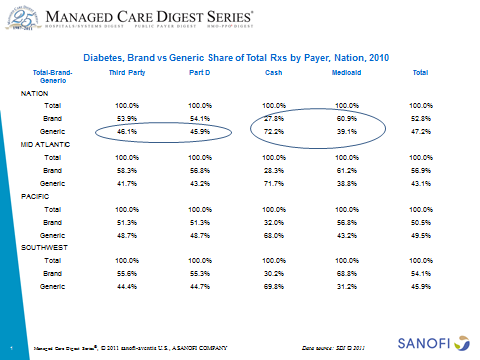
Sanofi sponsors the Managed Care Digest Series.  I was looking at some of their data last night, and I thought I’d share two sample reports looking at diabetes retail pharmacy claims.  A few things that this quick use of the tool shows you are:

Looking at the Brand and Generic mix of diabetes drugs based on payer, I notice 3 things:

  • No significant geographic variance based on looking at a few regions
  • People who pay cash are much more likely to choose generics while those with limited difference in copays (Medicaid) are more likely to choose brands
  • Not a significant difference between Medicare and Commercial

In another view of the data, I looked at the brand and generic mix by age.  Interestingly, it shows differences by geography especially in the younger ages.  It also shows a clear correlation of age and generic utilization.

Text4Baby Learnings About Flu Shots And More

Here’s a slide presentation from the Text4Baby team that they presented yesterday.  This has been one of the biggest SMS programs in the country and has gotten a lot of press.  They did a survey of people about their plans to get flu shots and also share some other data and plans.

IDC On Personalized Medicine

I was reading the IDC Health Insights newsletter this morning where they had an article by Dr. Alan S. Louie on personalized medicine.  While this was a hot topic in the PBM world 12-18 months ago, I’ve heard much less about it lately.  I thought it made sense to share one paragraph from his article here.  I hope that his predictions for delivery of this evidence-based approach to care come true and can be delivered in a cost-effective way to consumers with physician buy-in and understanding about how and when to use this information.

“I believe that the FDA is likely to be significantly marginalized as a major player in the transformation to a more personalized care scenario. While still rigorous in their role as gatekeeper to ensure that drugs are safe and effective, the ability to apply growing genomics, EMR, and CDSS data and knowledge to routine medical treatment is likely to be executed outside of FDA purview. If the FDA decides to lay down the heavy hand and demand that all testing be FDA approved, then all bets are off and medical innovation will be delayed by at least 10 years or more. With payers, clinical laboratories, and others (e.g., PBMs) all buying genomics testing capabilities, it becomes increasingly possible to deliver the latest genomics insights to the point of care and amortized over large patient populations, recognizing that what are probabilities for the individual become real outcomes for portions of patient populations. Net improvements in patient outcomes become real and avoidances of treatment with little or no likelihood of success reduce both wasted efforts and unnecessary adverse drug exposure.”

Utilizing The Same PBM For WC and Health Insurance?

While on the surface this seems like a natural opportunity for synergies, I’m not sure I really see this happening or simply wishful thinking by those in both businesses (see article about this).  Since it’s not possible to track the same consumer as they move from one group to another within a PBM for historical data (i.e., when I change employers but stay with the same PBM), I can’t imagine aligning consumer profiles across divisions like Worker’s Compensation and Health Insurance.

And, while the market may be changing, there are real differences such as:

  • Management objectives (get back to work and off the drug)
  • Plan design (no copays, different formulary)
  • Processing (different BIN at POS)
  • Eligibility (there is no “eligibility” file until an incident happens to create a claimant)

In Worker’s Compensation, you also have an adjuster to deal with who is in the middle of the process and different legal frameworks to operate.

On the flipside, I agree that applying some of the processes that have worked in the traditional PBM business to WC has value it’s going to be very different.  As the consumer, why do I want to use the generic when I don’t pay anything?  There should also be some clinical value in coordinating the data, but the question exists of whether the consumer can be viewed with the same member ID in the adjudication platforms.

What’s A PAM Score?

PAMTM is the Patient Activation Measure which was developed by Dr. Hibbard, Dr. Bill Mahoney, and colleagues. It helps you gauge how much people feel in charge of their healthcare. To find out more, you can go to InsigniaHealth’s website.

Given the focus on health engagement across the industry these days, I think this is an important tool to consider. It’s been used broadly and has been validated in a lot of published studies. The questions lead people to be assigned to one of four different activation levels.


You can collect and use the PAM score for segmentation, developing customized messaging, measuring program success, and/or identifying at risk populations.

A few other interesting points from one of their FAQ documents were:

  • Patients who are more activated are more likely to adopt positive behaviors regardless of plan design.
  • People with higher activation levels are more likely to choose consumer directed plans.
  • People with low activation often feel overwhelmed with the task of taking care of themselves.
  • You increase the level of success in by breaking down change into smaller steps where the consumer has a greater likelihood of success.

Which PBMs Have The Highest Mail Order Penetration?

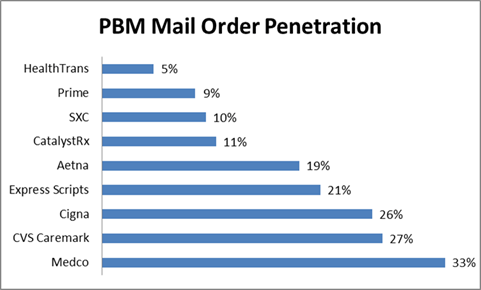
I was looking at some data from earlier this year (Q1 – 2011) from the AIS quarterly survey of PBMs. I thought this was a nice summary of mail order penetration by PBM. As you can see, it identifies some areas of opportunity:

  • Will Express Scripts’ mail penetration go up with the potential acquisition of Medco? Or, will Medco’s go down?
  • Will anyone be able to match the Medco mail penetration?
  • Will Aetna’s mail penetration go up to the CVS Caremark penetration rate?
  • How will Prime Therapeutics, SXC, and CatalystRx increase their mail penetration?

Overall, the mail penetration of the industry has dropped to 16.3% which is the lowest it’s been since 2004 when it was 12.9% (according to AIS). [Note: These are based on adjusted Rxs.]

HPV Shots Are Not Just For Girls

HPV (human Papillomavirus) infects 6M people a year.  Based on a chart from USA Today on 10/26/11, the annual cases of HPV-related cancers are:

  • 12,200 Cervical
  • 7,100 Throat / Tongue / Tonsil
  • 4,200 Anal
  • 1,500 Vulvar
  • 500 Vaginal
  • 400 Penile

About a month ago, a federal advisory panel recommended that all 11-12 year old girls AND boys should be routinely vaccinated against HPV.  This requires 3 shots which cost about $100-$130 each.

Based on data from the article, only 44% of girls have received the first shot and only 27% have received all three shots.  Only 1.5% of boys have historically been vaccinated according to the CDC.

You can find out more on the Kaiser site about HPV.  This is an educational issue, a compliance issue, and ultimately there is a need to get people who start the vaccination process to finish the process.

Will Pfizer Strategy On Lipitor Become The Norm?

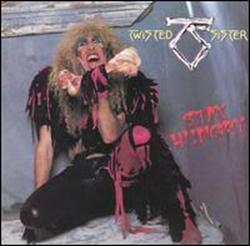
Remember Twisted Sister’s song – We’re Not Going To Take It Anymore?

That’ seems like a good summary of the Pfizer response to the typical market dynamics around patent expiration.

Here’s a summary of what they’re doing:

  1. Pfizer is striking deals with PBMs to offer them brand Lipitor at a lower cost (net of rebate) than the generic drugs which are coming to market during the exclusivity period.
  2. Pfizer is continuing to offer their $4 coupon for brand Lipitor direct-to-consumers.
  3. Pfizer is continuing to advertise Lipitor and talking about “if Lipitor has been working for you, stay with it”.
  4. Pfizer is partnering with Diplomat Pharmacy to sell Lipitor directly to the consumer through mail order.
  5. Pfizer is offering pharmacies additional services around adherence for helping keep patients on Lipitor.

Here’s some key questions on implications:

  1. If I’m the authorized generic, how do I feel? I thought I had a deal by which I was bringing a drug to market and making some money during the exclusivity period. Will this change the way that authorized generic deals get structured?
  2. If I’m the generic manufacturer that has the 180-day exclusivity, how do I feel? I’ve just lost a lot of my opportunity. Will this change the economics of generic manufacturers? I believe most of their profit is made during the exclusivity period.
  3. Will other brand manufacturers follow suit on other patent expirations?
  4. Will the PBM response to couponing intensify with their push into couponing when there is a multi-source generic available?
  5. Will this serve as a bridge until they can get OTC Lipitor approved? And, will that ever happen?
  6. How does this affect retailers who make more money on the generics and won’t see the increased rebate dollars?
  7. For PBM clients that get rebate dollars shared with them, these deals with Pfizer are probably a win (i.e., lower cost). What about those clients that don’t? How are they being made whole? What about clients of clients (i.e., employers who contract with a TPA or MCO who gets the rebates but doesn’t share them)?
  8. How hard does it become to transition patients off Lipitor when Pfizer stops offering the increased rebates or lower cost?

This could be a game changing moment in the industry. We’ve seen lots of shifts, and I would add this as a new phase in the industry.

  • 1.0 = Traditional focus on MDs and heavy use of people to detail physicians.
  • 2.0 = Shift to DTC advertising still supported with detail reps.
  • 3.0 = Increased power of PBMs and focus on rebating and formulary positioning.
  • 4.0 = Rise of generics and shift to specialty.
  • 5.0 = DTC couponing and broader disease centric strategies.
  • 6.0 = New business models??

Canadian Pharmacy Loyalty Program

Lawtons Drugs in Canada is partnering with LoyaltyOne to offer an air miles program tied to participation in an informational program on healthy behaviors.

A few of the interesting statistics:

  • 69% were interested in receiving awards for incorporating healthy advice from their pharmacists into their self-management
  • 58% were more likely to pick a pharmacy if it offered rewards
  • 36% said they would be more likely to take care of themselves if they got rewarded

The Dynamic Video Book: Aetna Example (Specialty Opportunity)


About a year ago, I picked up a “book” at an Aetna booth at a conference. I’d shown the technology to a few clients, but I’d never had a physical example. I thought I would share it here. When you open it up, it has a video embedded into the book. The video has several different options for messaging that you can view by pressing the buttons.


The cool aspect of the book is that it can be linked up to a computer so the videos can be updated over time. It’s produced by a company called Americhip who calls it “Video in Print”.

I’m sure it’s more expensive than a typical direct mail piece, but it can be used and updated over time. My thought is that this is a great tool for specialty pharmacy. These are high cost patients. Imagine a book with the following videos that came with their first script:

  1. Understanding your disease
  2. What to expect from your medicine
  3. How to access support
  4. Refilling your medication
  5. The importance of adherence

The content of these videos could change over time as their condition evolves, as they change medications, or even based on different lab values.

Sarbanes Appeals To FTC Regarding Lipitor

Yesterday, Congressman John Sarbanes (D-MD) asked the FTC to take action against Pfizer based on the deals they are signing with PBMs that will prevent consumers from accessing generic versions of the cholesterol drug Lipitor.  (see Pharmalot story on this)

“This is a sweet deal for the drug companies at the great expense of consumers, employers and taxpayers,” said Congressman Sarbanes. “At a time when we should be doing more to slow the rising costs of prescription drugs, these types of practices should be prohibited. “

Assuming that this is about savings to the consumer which I think is what the FTC is focused on, I think he missed the point of the deals.  Pfizer is rebating the drug to cost less than the generic which is then prompting PBMs (and payers) to treat brand Lipitor as a generic.  The consumer would pay their generic copay (from what I’ve seen), and they can still go get Lipitor for less then their copay by using the copay card that Pfizer offers making brand Lipitor $4 a month.

This is a brilliant deal by Pfizer to extend the life of the drug (although I’d be upset if I was the authorized generic).  The only potential people losing in this are payers who might not see the impact of the rebate dollars (e.g., carve-in employers).  Most PBMs are sharing the majority of their rebate dollars these days.  The question is how those rebate dollars flow down from there.

Reprint: Getting Aligned For Consumer Engagement

(This just appeared in the publication by Frost  & Sullivan and McKesson called “Mastering the Art and Science of Patient Adherence“.  It was written by me so I’m sharing it here also for those of you that don’t get that publication.)

According to the 15th Annual NBGH/Towers Watson Health Survey, employees’ poor health habits are the number one issue for maintaining affordable benefits. Since studies have shown that 50-to-70 percent of healthcare costs are attributed to consumer choices and adherence is one of those issues, the topic of how to engage consumers isn’t going away.

The challenge is getting the healthcare industry to use analytics and technology tools when engaging the consumer in a way that works for each individual and builds on their proven success in other industries. Healthcare has an enormous amount of consumer data ranging from demographics to claims and behavior data. Consequently, there is great opportunity to use this data to engage consumers in their health to improve clinical outcomes. While on the one hand, it’s like motivating consumers to buy a good, the reality is that healthcare is both personal and local which complicates the standard segmentation models.

This is a dynamic time where people are experimenting with different strategies for engagement. For instance, in medication adherence, people are trying everything from teaming those who have chronic conditions with community pharmacists to make sure they are taking their medications correctly to technology that monitors when the pill actually enters your body. But, there are still fundamental gaps in the process which can be addressed using interactive technology to complement the pharmacist interventions.

Consumer engagement in healthcare is increasingly moving to new channels with 59 percent of adults in the U.S. looking for health information online and 9 percent using mobile health applications according to Pew Research Center. Additionally, there is more and more participation in social media or peer-to-peer healthcare applications. Modes like SMS, which companies are starting to leverage in programs like Text4Baby or the diabetes reminder program recently launched by Aetna, are gaining popularity. Companies like Walgreens have also begun exploring the use of SMS and Quick Response (QR) codes for medication refills.

At the end of the day, consumers want preference-based marketing where they can elect how to best engage them, but that doesn’t mean that’s the most likely channel to get them to take action.They want you to learn from their past responses to improve your future outreach, but they are also skeptic about how their data is used. You have to put yourself in their shoes to create the optimal consumer experience. You have to deliver the right message to the right consumer at the right time using the right sequence and combination of channels.This is not easy.

So, if you’re going to optimize your resources and build the best consumer experience, you need an approach which is dynamic and personalizes each experience. For example, we found that creating the right sequence and timing around direct mail and automated calls improved results by as much as 100 percent in a pharmacy program. Or, in another case, at Silverlink Communications, we found that using a male voice in an automated call to Latinos got an 89 percent better engagement rate around colonoscopies. We also know that using a peer pressure message does not work in motivating seniors to take action in both a retail-to-mail program and a cancer screening program, but does work for those younger than 55-years-old?

You have to make simple messaging relevant to them—why should I get a vaccination, why is medication adherence important, how can you address my barriers? Only an ongoing test and learn approach to consumer insights will suffice, and those that figure this out will become critical in the ongoing fight for mindshare and trust. But, this isn’t a stand-alone opportunity. We have to partner with providers to improve engagement, adherence, and ultimately outcomes in different forms. We have to offer them a platform for engagement that is built upon consumer insights and provides a unique consumer experience to them based on their disease, their demographic attributes, and their plan design. All of these factor into their behavior and are important in “nudging” them towards healthcare engagement and ultimately, better health.

“Code Lavender” – Focusing On The Patient Experience

If you don’t know it yet, the consumer “experience” is rapidly becoming the hot topic. I’ve talked about it a lot beginning with companies like Cigna that have hired and staffed a consumer experience team and Chief Experience Officer. But, as the WSJ pointed out earlier this week in their article “A Financial Incentive For A Better Bedside Manner“, this is getting quantified in the provider world. One might argue that experience has always mattered more in the provider world since it’s easier to switch hospitals or physicians than insurance companies, but that is likely to continue to change as the individual insurance world and Medicare continue to create competition for the individual.

For payers, you can already see this individual market playing out with the growth of retail stores which is where the experience begins. In other cases, the PBMs and payers have to rely on many cases on their call centers as the front-end of the consumer experience. Additionally, with pharmacy being the most used benefit, this is another critical area. And, we know that pharmacy satisfaction is highly correlated with overall payer satisfaction.

But, let me pull a few things that caught my attention in the WSJ article:

  • CMS will begin withholding 1% of their payments and tying payment to quality standards for medical care AND patient satisfaction surveys known as HCAHPS (Hospital Consumer Assessment of Healthcare Providers and Services). This will go up to 2% in 2017.
  • The survey is a 27-question survey sent to a random sample of discharged patients (about 25% of the 36M patients admitted in 2010 with a pretty low response rate of 7%). It asks about cleanliness, quiet, communications, and an overall satisfaction based on something similar to the Net Promoter Score (i.e., would you recommend the hospital to friends and family).
  • 67% of patients give their hospitals the top two ratings on a scale of 1-10 (which I actually think is pretty good).
  • Only 60% say that doctors and nurses always communicated well about medications (which was higher than I expected).

Cleveland Clinic Chief Executive Delos “Toby” Cosgrove, a heart surgeon by training, says he had an epiphany several years ago at a Harvard Business School seminar, where a young woman raised her hand and told him that despite the clinic’s stellar medical reputation, her grandfather had chosen to go elsewhere for surgery because “we heard you don’t have empathy.”

  • The Cleveland Clinic calls their program HEART—for hear the concern, empathize, apologize, respond and thank. They also use the term “Code Lavender” for patients or family members who need immediate comfort.

I look forward to watching how this transforms over time. I know I’ve seen this play out in the dentist’s offices for my kids. The waiting rooms have video games and other things to keep them and their siblings busy, but I do agree with the article that this may unfairly bias the wealthier hospitals.

Branded Drug Prices Up Again (c/o Barclays)

As we’ve seen over the past few years, branded drug prices continue to go up YOY (year-over-year).  So far in 2011, based on analysis by Barclay’s Capital, the prices have gone up 7.2%.  You can see that this is the highest it’s been.

Given that brand drugs are typically only 20-30% of the oral solid market, this effect is dampened by the generic prices which typically go down.  At the same time, this can have a major impact on specialty drugs which are estimated to become about 40% of your spend by 2015.

Retail Pharmacy Mobile Applications

I’ve talked before about some of the mobile PBM efforts, but what about the retail pharmacies. You should expect that the chains will have different mobile strategies than the grocery stores or the big box retailers. And, it will be interesting to see how the independents might collaborate on a shared platform.

Here’s a few things already out there:
Walmart new shopping application and Walmart’s page on mobile
CVS retail application
Walgreens has a mobile pharmacy app
Target also has a mobile pharmacy application

So what should or could pharmacies offer consumers in terms of mobile applications:
– A refill application is a minimum
– Education or drug information is another basic
– There are certainly some geographic options such as a store locator or clinic locator
– There are options for location based check-in using Foursquare
– Scheduling MTM consultations or vaccinations are a reasonable option
– What about promoting saving thru 90-day retail or generics?
– As retail pharmacies are in the specialty business, there could be opportunities to promote this channel and offer support.
– Telemonitoring is another option (e.g., FaceTime)
– Use of QR code is another part as is augmenting the shopping experience with augmented reality
– Of course, couponing will be part of the solution, but what I’d like is someone who would download my shopping receipts (from multiple companies) and provide me with relevant savings.
– Should it include Rx coupons? Unlike the PBMs, retailers want traffic and if coupons increase adherence then why not.
– There are other options like photos and integration with social networks and tools.

I think one of the key “killer apps” is secure rules based messaging. Imagine using data to identify when you need a vaccination or identifying a potential drug-food issue or having age based triggers. These could be sent directly to the consumer in a secure environment. Of course, we’re only at about 10% adoption and the key question is whether these are the key consumer that everyone wants to attract. Are they the high utilizers? Do they buy other goods?

More to come here. This is a rapidly evolving space.

The Augmented Reality Prescription Bottle

I was watching a YouTube video on Starbucks’ augmented reality cup which got me thinking. Why not do the same with the prescription bottle?

What a great way to engage the tech savvy consumer.

Perhaps you could provide a plain language summary of information about the medication. You could give a list of side effects. Or show how to take the medication.

Perhaps it could have an embedded survey that you complete weekly.

And, it seems like an easy opportunity for someone to offer an augmented reality applications for all medications. Hold up the phone to a pill and get information on it. (maybe a little harder)

I think there is a lot more here as companies like Lamar continue to evolve.

Infographic: The United States of Drug Addicts

I’m sure some people will disagree about including alcohol or smoking on here (or maybe even medical marijuana), but I think this provides some interesting statistics especially around the abuse of prescription drugs which is an ongoing problem.

The United States of Drug Addicts
Via: Guide to Criminal Justice Careers

Highlights From the Takeda / PBMI 2011-2012 Prescription Drug Report

PBMI puts this out each year with funding support from Takeda. It is another one of those great annual reports full of lots of trend data for you to digest. Let me pull out a few of the things that stood out to me, but I recommend you read the entire thing yourself:

  • Use of 4-tier plans grew by 25% in 2011.
  • Specialty copays increased by 37% (to $84).
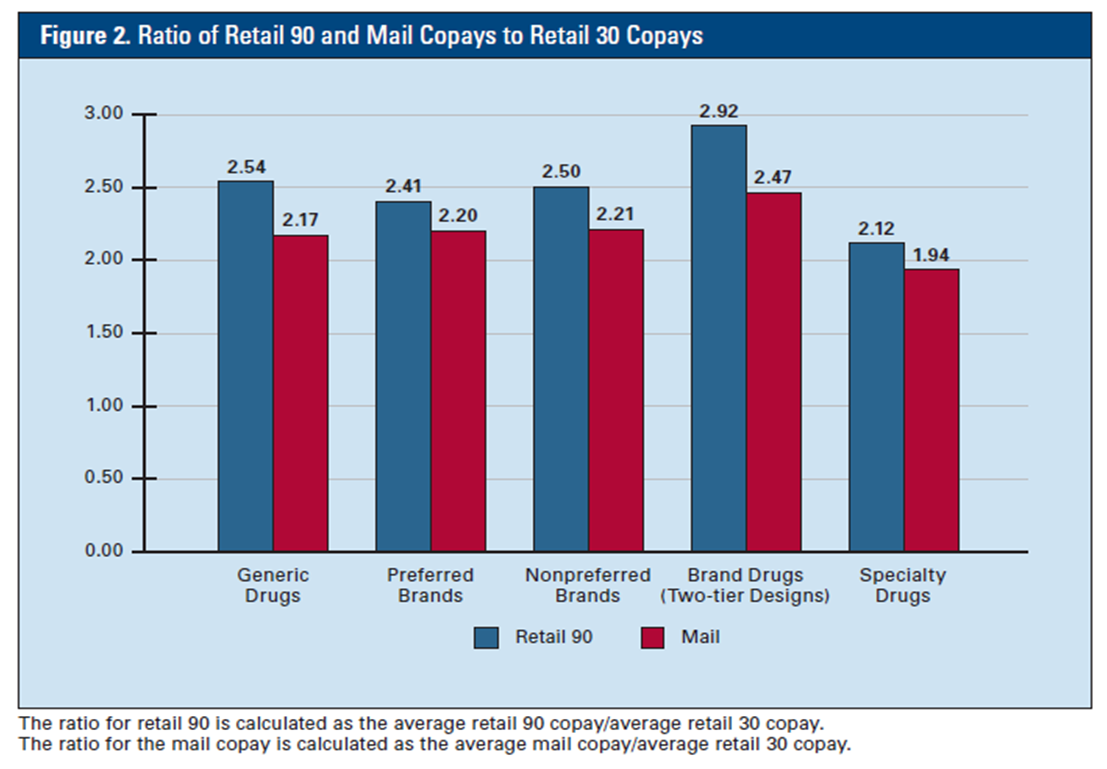
  • Plans continue to offer 90-day mail at a lower copay multiple than 90-day retail.

  • Nearly 60% of plans allow 90-day retail prescriptions. [Wow! This was a shocker to me.]
  • 30% of respondents require specialty medications to be filled by their PBM. [Which seemed low to me.]


  • Only 5% of respondents said they give their PBM responsibility for plan design.
  • 18% of plans have mandatory mail (although the statistic is 26% for respondents who have pharmacy provided as a carve-out).
  • 21% of plans have a limited retail network.
  • 36% of plans have copay waivers.
  • 7% of plans cover some form of genetic testing.
  • In general, there was an equal view of all the forces impacting benefit plans.


  • 64% of plans are focusing on member education to help them control costs. [exactly what we do at Silverlink everyday!]

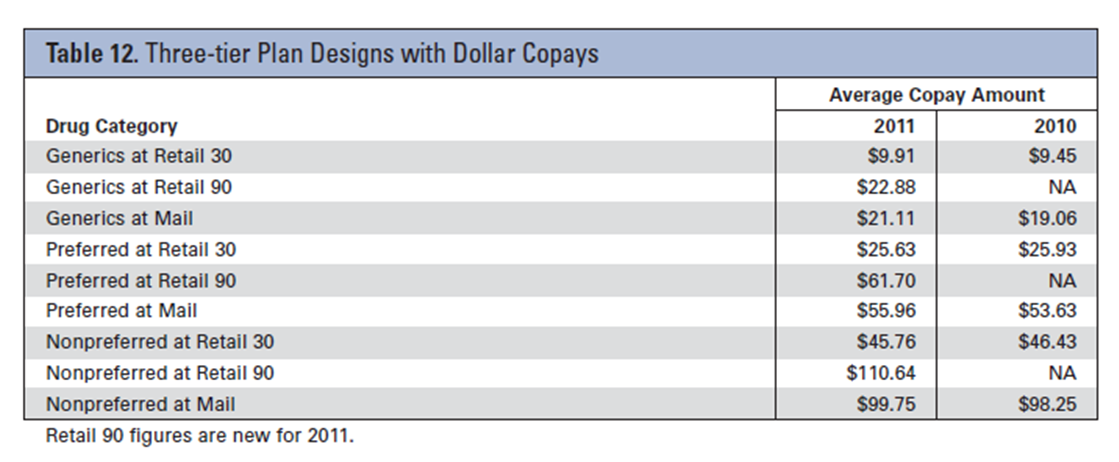
Here’s a key chart on average copays for 3-tier plan designs.


Another summary they show from some external research is below:


Adam Fein recently pointed this out, but the use of MAC pricing at mail is pitifully low at 18% versus 42% for 30-day retail.  (More from Adam on the report.)

I’m always interested in the overall use of programs by plans which is summarized here. Interestingly, there were three areas which carve-in did much less than carve-out – outbound phone calls, retro DUR, and therapeutic substitution.


They also include a summary of several research studies on adherence with a quote from me:

“In working with healthcare companies around adherence, our focus is always on how to best use data and technology to personalize interventions in a scalable way,” said George Van Antwerp, 2011-2012 Prescription Drug Benefit Cost and Plan Design Report Advisory Board member. “Medication adherence is a multi-faceted issue. While there is no silver bullet, technology can help deliver different messages to consumers based on the complexity of their condition, specific medications, and their plan design (for example). But, while technology can provide the initial nudge, the care team has to work together to address health literacy and build an understanding of the condition, the medication, and value of adherence.”

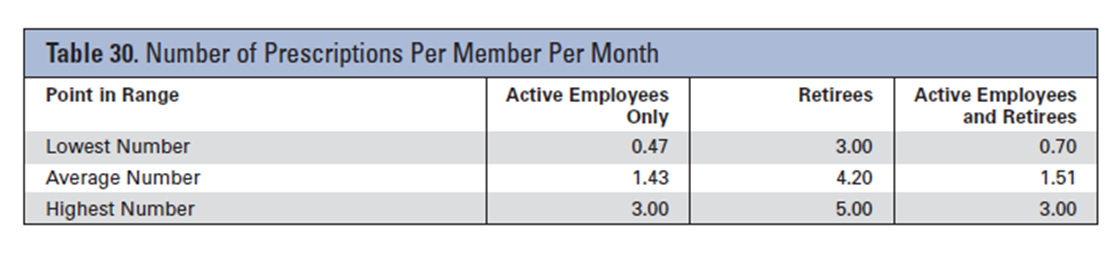
Another data point that I often use from here is the average number of Rxs PMPM: