Archive | Technology RSS feed for this section

Links To A Few Other Blogs

Here are a few recent blog posts worth reviewing.

Now, just the other day, I commented that I did see much talk about YouTube in healthcare. In the past 24 hours, two things have come to my attention on this.

  • Allscripts posted a video on YouTube (see below).
  • Glen Beck, a conservative talk show host, had a bad experience at the hospital and put it on YouTube getting 800,000 hits, generating lots of press, and thousands of comments. (see below)

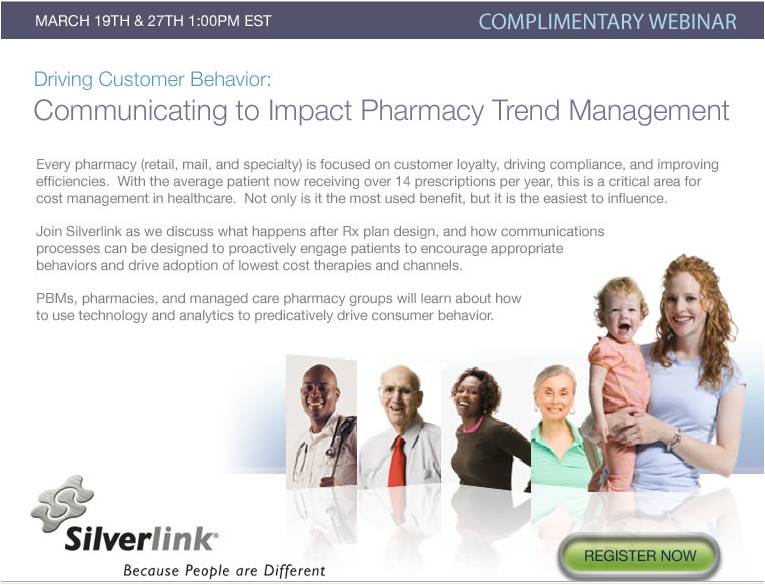
Webinar: Prescription Trend Mgmt Through Communications

I must admit that one of my favorite things to do is give presentations. I used to do a lot of webinars at Express Scripts and have done a few others as a consultant. So, with that, I am really excited to schedule my first webinar as a Silverlink employee which I am going to do on my favorite topic – pharmacy trend management (i.e., brand-to-generic, retail-to-mail, utilization management).

So, if you’re a managed care company, PBM, or pharmacy that is interested, sign up for the event. I will talk about some of the common myths in driving patient behavior, talk about how to use speech recognition technology, and share some lessons learned and results and ROI examples.

I can’t post HTML here so the link below won’t work, but you can click here to register. Thanks.

webinar-pharmacy.jpg

Are You Using Your Clickstream Data?

Healthcare companies have spent millions (maybe even 10s of millions) of dollars building out self-service platforms on the web. Based on data from the Service and Support Professional’s Organization, only 44% of the time that customers use self-service are they successful. That is of course of the individuals who try the self-service. A Harris Interactive poll found that 89% had difficulty with web self-service.

That seems pretty pathetic to me. There are lots of different solutions. For example, you could use a virtual agent (e.g., CodeBaby) to help guide the individual through the process. You could use NLP (Natural Language Processing) technologies to make the website more intuitive (e.g., Knova).

In most healthcare companies, web utilization is okay. I don’t think I have met one with over 20% registration (much less utilization). Of course, we know that isn’t because patients aren’t using the web for healthcare. Just look at all the tools out there and the massive investments by WebMD and RevolutionHealth.

But, I have yet to meet a large healthcare organization that can tell me much about their web utilizers and that has integrated that data into a total CRM (Customer Relationship Management) approach.

  • How does web utilization map against your high cost patients?
  • If a patient researches a topic, do you reach out to them to close the loop? (e.g., I saw that you were researching alternative therapies. Did you know that we cover up to 6 visits to an acupuncture center?)
  • For patients that are constant web utilizers, do you push them to the website rather than send them printed materials?

And, one of my favorite questions and pet peeves is whether the CSRs (Customer Service Representatives) have the ability to co-browse. For example, if I am stuck on the website, can they see where I am and help me get to the right section. In some cases, the CSRs don’t even have Internet access and have never been on the website. Hard to drive self-service if the agents aren’t on board.

Another thing I have looked at before…why not offer a different cost structure to employers or others if they achieve a certain rate of self-service? Your costs as a MCO or PBM would be lower. Your ability to influence behavior would be lower.

It seems like there was a huge push to drive adoption when this was new, but I don’t see it as much now. Where is the campaign to drive adoption with the incentives? The economics haven’t changed and companies continue to invest, improve, and have spent real money on these very cool and often helpful technologies (even if not necessarily intuitive).

From a KMWorld July/August 2007 article/advertisement about eGain, their CEO, Ashutosh Roy, gives a list of several best practices and makes the point that “customer service has emerged as one of the few sustainable differentiators in today’s hyper-competitive markets.” How true that is in the healthcare world.

  1. Take a proactive approach to customer service.
  2. Provide value-based customer service.
  3. Leverage online channels as part of a unified customer interaction hub.
  4. Empower your agents and customers with knowledge.
  5. Align metrics with goals and business strategy.

ATDM: Automated Telephone Disease Management

No. It’s not my term or even a company term. I am not sure who came up with it, but it was actually used in a published study from 2001.

“Impact of Automated Calls With Nurse Follow-Up on Diabetes Treatment Outcomes in a Department of Veterans Affairs Health Care System.”
Diabetes Care 24:202-208
2001
John D. Piette, PHD, Morris Weinberger, PHD, Frederic B. Kraemer, MD, and Stephen J. McPhee, MD
Contact John Piette (jpiette@stanford.edu) for more information (Center for Health Care Evaluation)

“Findings from multiple studies indicate that chronically ill patients will participate in ATDM and that the information they report during ATDM assessments is at least as reliable as information obtained via structured clinical interviews or medical record reviews. Indeed, some patients are more inclined to report health problems during an automated assessment than directly to a clinician.”

Obviously, given Silverlink’s historical focus, these kind of external validations are important. I cited the one on exercise from Stanford a few months ago.

Here were a few highlights from the article:

  • Obj: evaluate ATDM with telephone nurse follow-up to improve diabetes treatment and outcomes in Department of Veterans Affairs
  • Design: 272 diabetes patients using hypoglycemic medications in randomized 1-year study. Bi-weekly ATDM health assessment and self-care education calls. Nurse educator followed up based on assessment reports. Automated survey measured self-care, symptoms, and satisfaction. Outpatient service use was captured. Glycemic control was measured.
  • Results: intervention patients reported more frequent glucose self-monitoring and foot inspections. Intervention patients were more likely to be seen in specialty clinics and have had a cholesterol test. Intervention patients reported fewer symptoms of poor glycemic control and greater satisfaction with their healthcare.
  • Conclusion: intervention improved the quality of VA diabetes care.
  • Description of the intervention:
    • Structured messages using statements and queries
    • Recorded human voice
    • Outbound
    • 5-8 minute calls
    • Used touch-tone keypad to report information (now you would use speech recognition to collect the data)
    • Offered an optional health promotion message at the end of the call
    • Each week the nurse reviewed the data and followed up with patients based on established protocol
  • Intervention process:
    • Average patient received 15 ATDM calls over the 12 months
    • 50% were very satisfied (31% moderately satisfied)
    • 97% said the messages were mostly or always easy to understand
    • 76% said the calls made them feel like their MD knew how they were doing
    • 67% said the calls reminded them to engage in self-care activities
    • 79% said they would be more satisfied with their healthcare if they got such calls
    • 73% said they would personally choose to receive such calls

Obviously, if you’re very interested in the topic, you should read the article to get all the finer points.

My takeaways are that if this technology worked in 2000 then it should be even more effective now. There have been lots of improvements. Additionally, we all know the costs of diabetes (and many other diseases) and the cost of using nurses as the primary means of follow-up.

New Physician Site – Vitals.com

I have played with lots of these sites as they come out. The all want to help you find a physician, compare physicians, rank physicians, etc.

I received an e-mail about this new site – Vitals.com. I was skeptical at first that it would just be another me-too site. But, I was impressed at first glance. Here is a Fox Business article about them.

  1. It is easy to use.
  2. The graphics are intuitive.
  3. The information was easy to assimilate. (name, age, gender, specialty, addresses, certified, hospital affiliations, education, residence, fellowship, patient rankings, and disciplinary action)
  4. And, my favorite part is that you can compare physicians.

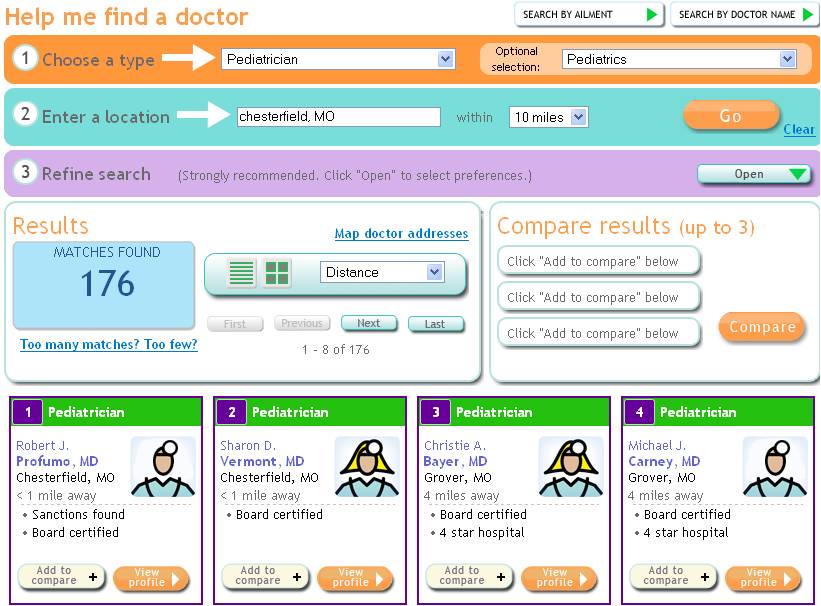
Here are a couple of screen shots. The first two show just comparing MDs. The third is the MD find and compare feature. The fourth is the rankings that they use plus an option to include free text comments.

(BTW – What I find interesting also is that this is the second time a PR agency has contacted me on behalf of their client. One was for a F100 company that I talked about and this is obviously a start-up, but managing the online brand has obviously become a full-time job.)

vitals-md-info-1.jpgvitals-md-info-2.jpgvitals-find-md.jpgvitals-rankings.jpg

Will eRx Reach The Tipping Point

The concept of the tipping point made famous by Malcolm Gladwell’s book is (in my words) the inflection point at which the market begins to adopt something and everyone jumps on the bandwagon.

So, with CMS saying that eRx (electronic prescribing) could eliminate as many as 2M prescribing errors per year, and Congress considering a bill to link Medicare payments to use of technology, will it make a difference.  (I am pulling a few of these facts from Medco’s recent announcement about launching a Medicare Part D eRx initiative.)  Only 3% of physicians use the technology today, and from my experience working with the vendors and physicians, there are still several big issues.  Maybe this will address some of them.

  1. Standards – Will all the payors and PBMs share some standard such that a physician can move from system to system or from office to hospital without having to relearn a new application?  Can they write prescriptions for the majority of their patients from one system or have to keep using different applications?
  2. Stability – Is there a vendor that they can trust?  There have been several great concepts that were either before their time or had a flawed model.  Time and money wasted on a system that isn’t supported leaves a bad taste in their mouth.
  3. Workflow – Does the system fit into their current office workflow?  If not, why should they change behavior?  Is it less expensive and disruptive for them to have the pharmacy or PBM contact their staff to address the issues after the fact?  What percentage of the 2M errors wouldn’t be caught further upstream?
  4. Incentives – What’s in it for the physician?  You are asking them to do more.
  5. Division of Labor  – Who has what responsibility?  For the PBMs, MCOs, and pharmacies, it is great to resolve issues at the point-of-care (POC) with the physician.  Drug-drug interactions.  Formulary issues.  Brand to generic opportunities.  Retail to mail opportunities.  The physician could easily get overwhelmed with all the requests and go from a quick process to a difficult process.
  6. Support – What IT responsibilities come with the system?  Who is supporting it?  Does it impact the rest of their practice?  Does it integrate with their practice management system?  If they come to depend on the solution, what happens when it goes down?
  7. Cost – Who pays – physician, MCO, PBM, pharma (not likely these days)?

I know many of these are addressed in different ways today.  I think we may be able to systemically force some of this into the office, but in general, until there is a generational transition in the physicians office (i.e., those in their 30s today are the high prescribers), I don’t think wide spread adoption will happen.

The value is clearly there.  Even looking at the pilot statistics from the Medco pilot in Michigan, you see that there are issues and opportunities which can be addressed.  These don’t even take into account the handwriting issues and other safety issues which occur.

  • A severe or moderate drug-to-drug alert was sent to physicians for more than 1 million prescriptions (33 percent), resulting in nearly 423,000 (41 percent) of those prescriptions being changed or canceled by the prescribing doctor;

  • More than 100,000 medication allergy alerts were presented, of which more than 41,000 (41 percent) were acted upon; and

  • When a formulary alert was presented, 39 percent of the time the physician changed the prescription to comply with formulary requirements.

I personally think one of the most interesting opportunities will be to see who received a prescription and didn’t fill it and subsequently determining which of those estimated 30% of people should be filling the claim.  The value of driving that initial compliance should be significant in avoiding more costly issues down the line.

Want A Blidget

Unfortunately, it doesn’t work with WordPress which is my blog tool, but here is a quick screenshot of a Blidget (Blog + Widget). If you’re interested in adding this to your website or your iGoogle, you can go to Widgetbox.

And, don’t forget to sign up for the e-mail updates if you are like me and want to get an updates e-mailed to you so you only check the blog occasionally without missing anything and can read the content offline.

blidget.jpg

Peeling The Healthcare Onion

I think an onion is the right analogy for healthcare for three reasons: (1) it can make you cry; (2) every time you pull off a layer you learn more; and (3) what you see from the outside is a lot different than what you see from the inside.

    • It can make you cry.

      onion1.jpgWhen you have the Congressional Budgeting Office projecting the healthcare costs will be 49% of GDP by 2082, you know things have to change. This is a front page topic almost everyday across the country. But, like an onion, if we don’t handle this right, it will make you cry out of frustration and pain. Change is not easy especially in a complex system that we have today. Finding the right mix of push and pull is going to be important.

      Quality is still an issue across the system. Biting a bad onion or having a quality issue with your care can make you cry. Look at the USA Today article from the other day about Too Many Prescriptions, Too Few Pharmacies or an entry on my blog about the Institute for Healthcare Improvement.

      • Every time you pull off a layer you learn more.

      This applies so many ways to healthcare given our system, but I think of this from two perspectives – data / information and process. We have so much data in healthcare, but without the right model to make it into information, it just sits there. And, as we layer data (e.g., medical plus pharmacy plus lab) or integrate healthcare data with demographic data, we can learn so much more about our patients and how to care for them. This ranges from simple questions such as how to motivate behavior (e.g., cost savings versus loss avoidance) to how to deliver information based on their learning style.

      Every question you ask (or layer you pull off) reveals a new set of data that can be transformed into information while at the same time creating new questions. Does the relationship you found in the data simply indicate correlation or is there actual causality there? I look at the data that CVS/Caremark presented around saving 30% of healthcare costs by driving compliance and adherence and wonder why people aren’t jumping up and down trying to capture this savings.

      • What you see from the outside is very different than what you see from the inside.

      There is a concept in Six Sigma about designing the process from the outside-in. Imagine sitting in the middle of the onion…all you see is onion all around you. That is a common pitfall when solving problems in the industry that we work in. We are too close to the problem and the historical solution. If all we see is the onion, those on the outside (our patients / members / employees) see the onion in relation to other food options. Their expectations for healthcare are produced by other companies that they interact with. They expect web solutions that work. They expect excellent service. They expect to be valued as a customer and of course need the power to walk away and chose another option.

      onion2.jpgThis is a common problem in healthcomm (healthcare communications). We present information in a channel that we believe is effective based on our experience and paradigm (i.e., written, verbal, kinetic). We use language that we think is helpful. A few of my favorite examples from my PBM days are:

      (1) Telling patients that they need a renewal (prescription). They don’t know what that means. It means they need a new refill since their original prescription refills have run out.

      (2) Telling a physician to consider prescribing lisinopril and giving them sample bottles that say lisinopril. [Because, of course, they would know the chemical name for Zestril.]

      But, this happens all the time. Telling a person that wants all the facts a lot of qualitative information will fall on deaf ears. Providing a person with lots of options when their looking for an expert opinion will frustrate them. One way to frame this is based on personality type. (Of course, that information isn’t sitting in a database somewhere for us to tap into.)

      The reality is that people are different. As you think about your healthcare process, try to be the patient. As one of my bosses used to say, give it to your grandmother and see what she thinks. Can she understand it? Can she make sense of the process?

      It’s not easy finding the right amount of onion to use in your recipe, but it is important to continue trying to improve.

      COB Predictive Values

      COB (or Coordination of Benefits) is a core managed care function that is often ignored (and varies by state to make things more complicated). It is a required process by which managed care companies need to identify if people have other coverage (i.e., should I send someone else the bill). Given the high dollars here, you would think companies would be focused on driving this as a cost management or profit initiative.

      Good companies find 2.5% or more of their population have secondary insurance. I have seen analysis saying that if you include claims that should be billed to worker’s compensation, auto insurance companies, etc. that the number could be as high as 15%, but that seems really high.

      An interesting fact that one of our experts shared with me was that claims data could explain over 65% of the variance in COB responses for a working age population while it could only explain just over 40% for seniors. They have found some incredible correlations to create ROIs for clients in the 2,000% range. [Not bad. If I could get my boss a 20:1 return, I think he would pay attention.]

      Of course, as a patient, all I care about is that my claim gets paid, and I don’t get a bill from my provider.

      Again…I may be preaching to the choir, but this is why data matters. This is why you need metrics. This is why you need to know your baseline and track how you improve this.

      And, always make sure you understand the definition, the data sources, and the data quality. I remember doing data standardization processes for Sprint back in the mid 1990s. It took a while just to get agreement on what a customer was from a business and systemic perspective. Another example I previously had when looking at two vendors was defining success. They attempted to create a standard metric of abandonment for people that came to a website to take a survey (i.e., how many abandoned the process before completion). One seemed dramatically better than the other.

      Upon research, we found that one broke the survey into sections and offered them an out on each page. As long as the consumer exited at a planned opt-out point, they were a “success” and had not abandon the survey (even though they hadn’t completed it). The other only counted those that finished the survey. Not surprising who had a better score.

      Information Latency: Why Don’t We Change?

      I have had this note to self for a while so I am finally going to put a quick entry out here on the topic.

      The issue is data latency or more appropriately information latency.  The data often exists right away, but the challenge is how to you get the data into a usable form, with context, and with enough data to make decisions.

      In communications, this manifests itself in healthcare in two ways that immediately jump to mind:

      1. In a traditional letter program:
        • You send a letter to a patient (7-10 days from data targeting to mailbox)
        • Patient opens the letter and has to contact their physician (if they choose to do anything)
        • Patient trades messages with physician and/or has to schedule an appointment
        • Patient meets with physician who (for example) writes them a new prescription
        • Patient waits for medication to run out then refills with new drug (e.g., generic, on-formulary drug)
        • Claims get aggregated and reports run
        • Best case – 30+ days to see if program had any effect (most likely 6 months)
      2. In a traditional survey:
        • Company prints a survey and mails it to 10,000 people hoping for a 10% response rate to get a statistically valid sample size of 1,000
        • Patients fill out the survey over the next month and mail them to a data entry company
        • Data entry company manually enters them, aggregates the data, and creates a report
        • 45-60 days later the company has information from the survey

      Of course, the issue with both of these is that you have lost a huge window of time especially if you need to make changes to your program or the survey tells you that you need to gather more information.

      Why don’t more companies talk about on-the-fly program changes and how to use modern technology to get real-time feedback for programs where they can pause the program, make change (e.g., change the message, add a new question), and then continue the program?

      Diagnosis Code Plus Rx

      In a WSJ Blog article about sound alike drugs, they have a potential solution about having the physician add information about why the drug is being used.  Obviously, the low hanging fruit here is to move to electronic prescribing where the clinical information (i.e., diagnosis code) is in the same file as the drug and technology can be utilized to look for potential issues.

      In the short-term, adding the diagnosis code (aka ICD-9 code) to the prescription would have lots of benefits.

      • Avoid getting some point-of-sale rejects when a drug is used off label.  Or vice-versa, avoid off-label use by rejecting claims.
      • Avoid getting suggestions you change prescriptions only to find out that you should not do it given your diagnosis.
      • Development of proactive algorithms (e.g., macros) in the technology where whenever a doctor diagnosed diabetes then it would pull up their typical regiment of drugs based on formulary status and other inputs.
      • Better tailor / personalize information based on disease and drug to help the patient and their care team drive successful outcomes.

      The issue of sound alike drug names is a real issue.  Obviously, any time you have multiple human handoffs in a process then you increase the likelihood of error.  As I think I have talked about before, I remember my MD prescribing an eye drop.  I picked up a prescription and the pharmacist clearly told me to put one drop in each eye twice a day.  At the end of the second day, I read the label in detail and realized that it said to put the drops in the ear only.  When I called them back, they talked to the MD and realized that they had heard the wrong name when they listened to his voicemail.

      Where Are The Evidologists?

      After one of their team posted a comment on my site, I went to Bazian‘s website.  Very interesting.  They are a UK based company that focuses on providing evidence-based healthcare information to publishers, governments and insurers.  Sounds promising.  This is an important issue across the world as companies and practitioners look at how to embed intelligence into process and technology to deliver the best outcomes.  Here is a presentation that they have for download on their website.  In it, they propose a new healthcare role of the evidologist and draw a nice parallel to the radiologist.

      “In late 2005, Bazian gave a presentation about putting evidence into practice – a much discussed topic in the world of evidology.  It summarised 10 years of experience in evidence-based medicine, and draws conclusions about who should be putting evidence into practice, when, and what has to really happen for evidence to become a routine part of medical practice.”

      Ev·i·do·l·o·gy n.

      A new medical specialty that enables medical research to be incorporated systematically into clinical practice [Latin videre to discern, comprehend; evideri to appear plainly]  

      Medical Mistakes

      •  Wash hands with soap.  Check.
      • Clean patient’s skin with antiseptic.  Check.
      • Wear sterile mask, gown, and gloves.  Check.
      • Put sterile drapes over  entire patient.  Check.

      And that’s all it takes to reduce common infections from medical tubing by 2/3rds.  (12/28/06 study in the New England Journal of Medicine looking at 108 ICUs in Michigan hospitals)  Seems pretty simple.checkup.jpg

      Do you remember when the Institute of Medicine put out their study in 1999 that said that 100,000 people died annually from preventable hospital errors?  People were shocked.  The medical profession thought the numbers were too high.  So, I find it more that a little interesting that the Institute for Healthcare Improvement (which includes 3,000 of the 5,000 hospitals in the US) put out a report in 2006 on saying that they had saved over 120,000 lives.  [If that was for 3/5th of the hospitals, I guess that means that about 200,000 people were dying per year in the US due to preventable hospital errors.]

      So, it is with mixed emotion that I look at their latest campaign which is the 5M lives campaign to reduce deaths, injuries, and near misses in US hospitals.  Now, I am being a little sensationalistic.  The fact that hospitals are collaborating, sharing information, being transparent, looking for best practices, and trying to improve is great.  Sometimes, it is just shocking what has been going on.  [Imagine the error rates in some 3rd world countries.]

      Here is an article from today in the LA Times about this.

      Nuclear Medicine – What???

      I compare what I know about nuclear medicine today to what I knew about genomics back in 1998.  [I remember my boss calling me and telling me to pull together a presentation for our team at E&Y to give to Jay Geller (CEO of Pacificare at the time) on e-business with a focus on how the Internet would effect genomics.]

      Nuclear medicine is a branch of medicine and medical imaging that uses the nuclear properties of matter in diagnosis and therapy. More specifically, nuclear medicine is a part of molecular imaging because it produces images that reflect biological processes that take place at the cellular and subcellular level. Nuclear medicine procedures use pharmaceuticals that have been labeled with radionuclides (radiopharmaceuticals).  [Wikipedia definition]

      I don’t know a whole lot about nuclear medicine today, but after seeing that Dom Meffe who was the CEO of Curascript, a specialty company we bought at Express Scripts, is now CEO of Triad Isotopes, it caught my eye.  He was an incredibly charismatic leader and seemed very passionate about driving patient care.

      But, even reading the definitions of nuclear medicine and skimming the site, I feel like I need to go back to school.

      A nuclear pharmacy is a pharmacy that compounds and distributes radiopharmaceuticals used primarily in imaging procedures for cardiac and cancer diagnosis. Cyclotrons are utilized to produce FDG (Fluorodeoxyglucose) a short-lived positron-emitting isotope suitable for PET (Positron Emission Tomography), an imaging technology that can be used to assess tissue biochemistry.  [Triad Isotopes press release]

      Predictions…Not Mine

      Rather than rehash or even post my thoughts right now (still digging out from vacation)…I will simply point you to a good summary on the WorldHealthCareBlog about what people are predicting for 2008 and beyond around healthcare.

      It is a summary from IBM, Deloitte, and many others talking about spend, technology, adoption, new drugs, etc.

      EDM, Gartner, and Event Driven Communications

      edm-blog.jpg
      I mentioned the EDM (Enterprise Decision Management) Blog a few weeks ago. James Taylor has a post out there today about Using EDM to deliver event-based marketing. Those of you that know me or have been reading the blog for a while know that this fits into what I talk about perfectly. It involves decomposing a process into its key tasks, understanding the rules behind the process, determining data events that can be used to identify opportunities, and then executing a coordinated communication process.
      He references a Gartner publication with the following abstract:
      “Successful event-triggered marketing is a process of identification, categorization, monitoring, optimizing and executing. Marketers that do this right will see their marketing messages receive up to five times the response rate of nontargeted push messages.”
      He also talks about key considerations such as rules, analytics, predictive modeling, champion/challenger, and multi-modal.

      Coordinated Communications

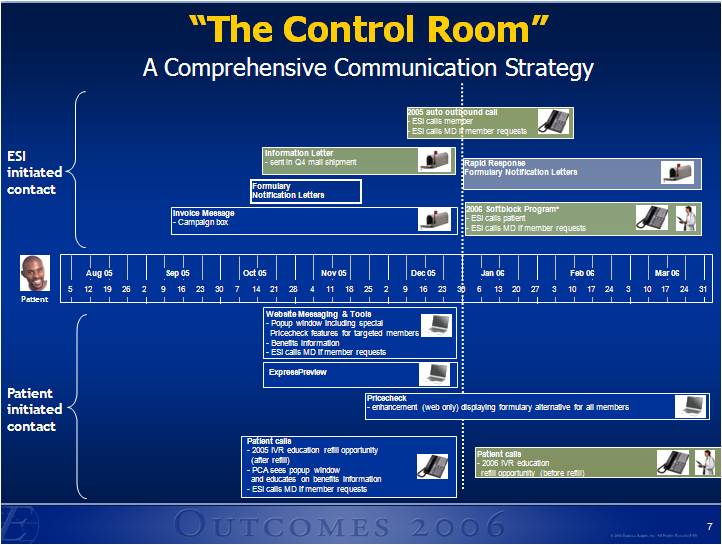
      A few days ago, I talked about a press release from Express Scripts around formulary change programs to encourage patients to move to a different drug (same therapeutic category different chemical entity). I mentioned in there a single frame that I created to organize the program. Happily, I found it publicly so I can share it. Here it is. The key points here were – identifying the different constituents, determining the best mode of communication, coordinating across channels, and determining how to sequence communications based on events (aka triggers) which might be a date or a percentage of their prior prescription being used.

      zocor-control-room.jpg

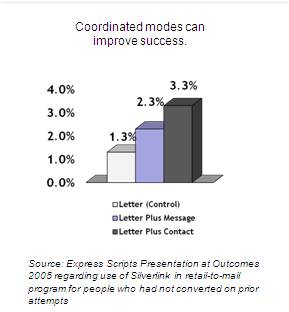
      While I was searching, I also found the presentation we gave on how multi-modal coordinations using a letter and an automated call impacted success for my retail-to-mail program. The key to remember here is that we targeted people who had already received one or more letters and had not responded. The results were great.

      esi-rtm-results.jpg

      The Wii – Learning Tool / Real Exercise

      After posting on Sunday about “embodied cognition” which talks about learning better while being active, I found it interesting to play a Wii that my kids had borrowed that night.  Initially, it simply made me think about what a great medium this could be to teach people especially people that learn through experience.

      Then, I played the Wii boxing and actually broke a sweat.  I hadn’t believed friends of mine that told me this was true [and I certainly wasn’t going crazy playing the game].  I do think it is a very interesting technology, but this isn’t an advertisement for the product.  From a healthcare perspective, it seems like the technology could be exploited to get less active people to exercise and teach people.

      Our beliefs about health are embodied in the way we live.  We need to leverage different media to drive that message home to all generations.

      The Next Health 2.0 Conference

      If you’re interested, the next Health 2.0 conference agenda has been released.  It looks like it will be even more interesting than the first conference.  From the agenda, you will see that Matthew and Indu have organized a good mix of large healthcare companies (McKesson, Kaiser, Regence) with new and rapidly growing healthcare companies (BeWell Mobile, Silverlink, ReliefInsite, Xoova) and one of my favorite companies IDEO.

      If you work in healthcare, you should think about attending.  If you’re a patient, you will find some of the ideas and the new companies interesting.

      A Few Other Facts From CSC’s Survey

      While I was flipping through CSC’s 2004 Customer Intelligence Diagnostic Survey, I found a few other interesting facts:

      • Only 20.7% of the 58 Fortune 1000 companies have a 360 degree view of the customer (i.e., consolidated data across the enterprise)
      • Only 41% of them had used external data to augment their internal customer data
      • Only 10% of the companies had a high degree of confidence that their customer data was clean, accurate, and timely
      • 20% of the companies never capture responses to marketing campaigns for evaluation and another 40% only collect the data occasionally
      • Only 25% were capturing and using customer preferences
      • Only 28% were using an external source (e.g., National Change of Address) to update and verify addresses
      • 62% of them were segmenting customers based on demographic or behavioral criteria
      • 59% of them segment customers based on preferences and needs
      • Almost 80% believe they are missing revenue opportunities due to poor data quality or lack of integrated information
      • Only 22% make customer insights readily available to all their personnel in sales, marketing, and service
      • Only 19% have business rules and triggers to launch targets treatments across customer touch points

      There were no healthcare companies included in the survey, but I am sure they would have lagged even more.  Now, some of this has likely changed over the past few years, but there is a lot to be done to address the opportunities.

      A few recent entries on other blogs

      It is always important to see what others are writing about on their blogs. There are now almost 700 healthcare blogs tracked by eDrugSearch. (Just 6 months ago, I think it was only 400.) Here are a few recent posts worth reading.

      The main value of transparency is not necessarily to enable easier consumer choice or to give a hospital a competitive edge. It is to provide creative tension within hospitals so that they hold themselves accountable. This accountability is what will drive doctors, nurses, and administrators to seek constant improvements in the quality and safety of patient care. So, even if we can’t compare hospital to hospital on several types of surgical procedures, we can still commend hospitals that publish their results as a sign that they are serious about self-improvement.

        • On DiabetesMine, there is a great summary of all the things that have happened around this disease in 2007.
        • It’s not healthcare specific, but Seth Godin’s entries are always interesting.  Read this one about what you did in the past and grabbing opportunity.  It should help you set a positive outlook for 2008.
        • A new blog that I recently started following is called Enterprise Decision Management.  Here is one entry on Business Intelligence 2.0.  He has lots of great entries that I will elaborate on later.  This approach is core to creating an intelligent healthcare communications strategy.
        • The Hospital Impact blog has a nice entry on 2007: A Year in Review.
        • On the Health Business Blog, David talks about “shopdropping” which is a retail activity where people leave things at stores (i.e., reverse shoplifting).  Interesting.
        • John quotes a study on the eHealth blog that says that 39% of physicians are e-mailing patients.  I find that amazing.  I have never heard of a physician doing this.
        • On Hospital Marketing, there is an entry on Hospitals in Facebook which makes the point about healthcare being behind and not thinking creatively about how to use new media.  I would like to see some discussion there on the topic, but there hasn’t been any yet.

        Just a few other blogs to check out.

          PHR as a Chip

          I am sure some people think of this as a crazy notion.  Would this ever happen?  What are the implications?  What is the value?

          People getting “chipped” seems scary to a lot of people.  But, an intelligent chip that could collect body information – weight, blood pressure, etc – and feed it to a PHR (personal health record) seems pretty interesting to me.  Even simply having a chip that could be read and used to identify you if you were unconscious or dead or unable to identify yourself seems valuable.

          I have seen John Halamka talk briefly about his chip live, but I was glad to see that he has a whole entry about it on his blog “Life as a Healthcare CIO“.  It is a good read of the pros and cons. 

          Applying Technology Trends to Healthcare

          McKinsey recently put out their 8 technology trends article (access available with free registration). I thought I would translate those to the topic of healthcare communications. Hopefully, we don’t have to be hit by a bolt of lightning to change, but we realize and can document the ROI of acting now and improving our system by involving and reacting out to patients.

          1. Distributing Cocreation – This is the trend which is happening in many industries where consumers (patients) and suppliers (providers) are taking more involvement in product design and even advertising. New media and technology have enabled this to happen. This is a big opportunity for healthcare. In general, I see companies doing focus groups, but not letting product design be driven by the consumer. I don’t see competitions to design the next advertisement for a managed care company happening today.

          “By distributing innovation through the value chain, companies may reduce their costs and usher new products to market faster by eliminating the bottlenecks that come with total control.”

          1. Using Consumers as Innovators – This conceptually seems similar to the first trend although there are likely more differences than semantics, but the value remains in letting consumers push healthcare. How do we capture what they want and the value associated with it? How do we create business models that allow companies to exist to provide that offering? It’s not easy for individuals to drive innovation since we are often tied to what we know.
          2. Tapping Into A World Of Talent – For the past few decades, many other industries have focused on getting their executives to gain multi-cultural experiences by working globally. There have also been studies that link innovation to diversity. With the exception of pharma, most healthcare companies aren’t global. Sure, all the big companies look outside the US for models and occasionally to sell to the government entities, but not much has taken off. The primary expansion in leadership that I have seen over the past five years is a lot more healthcare companies recruiting in executives from non-healthcare companies which will create some diversity and bring a new perspective to the table. Interestingly, I think this also is an issue in the patient outreach process. Are your communications taking into account the diversity of your patient population – e.g., language, messaging, channel, speed of voice?
          3. Extracting More Value From Interactions – This is very true for healthcare. I would bet that the majority of communications in healthcare are either reactive (you call them) or required by regulatory issues (e.g., explanation of benefits or annual notification of change). These programs were originally designed to cost as little as possible so that someone could check the box. Well, guess what. Over the past few years, companies are realizing that these communications are their best ability to influence patients. So, what are the “golden moments” that exist where an interaction can drive loyalty, satisfaction, wellness, etc. Companies need to figure out what the potential value is and how to capture it.
          4. Expanding The Frontiers Of Automation – Automation has been a focus for years. Healthcare is not an exception expect people struggle with how to provide care and a personalized experience while leveraging automation and technology. And, now with technologies such as web services, companies can be interlinked and automated which (when done right) can improve the consumer’s experience. Of course, the second challenge is that automation is best when it enables a process and people don’t often think, manage, or operate from a process perspective.
          5. Unbundling Production From Delivery – I think the whole concept of unbundling could be very interesting given consumerism. Unbundling has already happened for the corporate buyer…they can buy health insurance separate from pharmacy. So, could I (the consumer) one day buy long term insurance separate from prescription coverage separate from my provider network separate from customer support. Could I choose my disease management company? What would that mean for group discounts, bulk purchasing, underwriting models, etc.?
          6. Putting More Science Into Management – We are a lucky generation in that we have access to reams of data and information. Of course, the challenge is how to turn this into intelligence and use it. It is easy to get overwhelmed and frozen. But as managers, using information applying algorithms, linguistics, and neurosciences to it to create personalized communications that apply to each micro-segment of your population is a great opportunity. It translates success from luck to predictable outcomes.

          “From “ideagoras” (eBay-like marketplaces for ideas) to predictive markets to performance-management approaches, ubiquitous standards-based technologies promote aggregation, processing, and decision making based on the use of growing pools of rich data.”

          1. Making Businesses From Information – Healthcare has long embraced this trend. There are numerous companies (e.g., IMS) which are built around information. There are clinical companies that produce drug monographs for use by clinicians. There are aggregators of information (e.g., ePocrates). The point is that companies not only create data exhaust, but as they apply decision sciences, they become consumers of more and more data.

          “Creative leaders can use a broad spectrum of new, technology-enabled options to craft their strategies. These trends are best seen as emerging patterns that can be applied in a wide variety of businesses. Executives should reflect on which patterns may start to reshape their markets and industries next—and on whether they have opportunities to catalyze change and shape the outcome rather than merely react to it.”

          These seem like reasonable trend predictions that are applicable generally and make a lot of sense form a healthcare perspective.

          Medco on CDHC – Support Programs Are Important

          In Managed Healthcare Executive (12/1/07), there is a CDHC (Consumer Driven Healthcare) article by Medco which I found very interesting.

          • A survey by the Employee Benefit Research Institute found that 70% of those in consumer driven healthcare plans consider costs when deciding to see a doctor or fill a prescription (versus 40% in a comprehensive plan). [This seems like the premise of consumer driven healthcare…you will be more careful with the costs of healthcare when they come out of your pocket.]
          • The study also found that people were twice as likely (35% vs. 17%) to avoid, skip, or delay healthcare services. [I’m feeling better so I don’t need to finish taking that prescription or no reason to go for my screening until my cash flow is better…here is the problem.]
          • The problem is compounded as an employer. Not only can your costs go up but you could lose productivity of an employee.
          • The author talks about a 2005 Medco study which showed the medication adherence is associated with significant medical savings (e.g., $1 spent on Rxs for diabetes leads to $7 in medical savings)
          • The article says that the average number of Rxs per household was just more than 21 in 2003. [I have never seen it presented this way. I always use the number of 13.1 Rxs PMPY which is from 2005.]
          • The article talks about RationalMed which is Medco’s patient safety system that looks at integrated data (pharmacy, medical, lab, and patient self-reported). [I think that this type of data integration is critical to healthcare. The challenge is integration of the data and taking action on it. I would also like to know the predictive value of the system compared to other tools such as ActiveHealth.]
          • It points to some data on generic drugs that is great and which was new to me.

          “Generic drugs not only cost substantially less, but they also promote drug compliance. A recent study in The Archives of Internal Medicine found that patients who took a generic drug had close to a 13% increase in drug therapy adherence, compared with patients who took brand name third-tier drugs covered by their plan.”

          • The author goes on to talk about the need to provide patients with information and use tools to drive change. Here were a couple of the points being made:
            • People who used Savings Advisor (an online tool that compares costs) were 60% more likely to switch to a generic.
            • ¾ of people who discussed generics with their MD or pharmacist got a suggestion to use a generic. [I would like to see it for the percentage of people for which a generic was clinically appropriate. Was this 100% of the opportunities or 75% of the opportunities as implied?]
            • Direct mail about generics increased generic conversion by 22% at a savings of $88 per switch per year. [This seems low.]

          CDHC will only be successful when companies have figured out how to empower patients with information rather than simply shifting the burden of financial management to them.

          Bat Phones, Blue Phones, and On-Star

          I was listening to a GM commercial for their OnStar service earlier today, and it made me wonder.  If GM can design a service, staff a call center, and make money in the highly competitive car market, why can’t healthcare?

          Conceptually, it seems like such a great service.  No interactive voice response (IVR)…you actually get to a live agent right away.  You press a button and you are connected…no remembering numbers or having to find the right time to call.  They help you with any issue…rather than route you to some other person for follow-up.

          bat-phone.jpgMany of you will remember the “Bat Phone” from Batman where (if memory serves me) the Commissioner could pick up the phone and be instantly connected with Batman to ask for his help.  We tried a few programs to get at this at Express Scripts.  We worked with BCBS of Massachusetts to pilot the “Blue Phone” which was placed at certain high volume pharmacies and allowed patients to pick up the phone and talk directly to an agent that could address questions about their claim (i.e., why has my copay changed?  why isn’t this drug covered?  the claim got rejected, why?).

          “Customers seem to be willing to use the Blue Phone more each day,” said Jon Hersey, pharmacist at Stop & Shop. “The response from BCBSMA is routinely quick and customers don’t spend a lot of time waiting on the phone. This saves time for us and keeps the customers happy, because we can spend more time filling prescriptions and less time answering questions.”

          The other thing we tried was setting up a tiered customer service model where high utilizers of prescriptions were given a direct dial that took them directly to a group of skilled agents.  Patients loved both the Blue Phone and the tier service model.  The challenge of course is staffing appropriately and managing costs.  BUT, if companies were more proactive in call obviation, they could employ solutions like this.  If companies mined their data to identify when patients would call and reached out to them before they called to address their questions, then inbound call volume would drop dramatically and would be more the exception than the rule.

          IBM HC 2015 – Win-Win or Lose-Lose

          I skimmed another IBM publication today which I thought was a great piece – IBM Healthcare 2015: Win-win or lose-lose?. (A little long at ~70 pages, but good with concise charts.) It talks about what healthcare has to do to survive and create a win-win model. It looks at it from multiple perspectives – payor, provider, consumer, and supplier. They also do a good job of describing several unique models around the world and talking about several trends here in the US.

          Here are a few quotes, facts, and charts from the publication which should tempt you to go read it…(note: I am not going to show all their sources, but you can get them from their publication.)

          “The United States spends 22 percent more than second-ranked Luxembourg, 49 percent more than third-ranked Switzerland on healthcare per capita, and 2.4 times the average of the other OECD countries. Yet, the World Health Organization ranks it 37th in overall health system performance.

          In Ontario, Canada’s most populous province, healthcare will account for 50 percent of governmental spending by 2011, two-thirds by 2017, and 100 percent by 2026.

          In China, 39 percent of the rural population and 36 percent of urban population cannot afford professional medical treatment despite the success of the country’s economic and social reforms over the past 25 years.

          Approximately 80 percent of coronary heart disease, up to 90 percent of type 2 diabetes, and more than half of cancers could be prevented through lifestyle changes, such as proper diet and exercise.

          Preventable medical errors kill the equivalent of more than a jumbo jet full of people every day in the US and about 25 people per day in Australia.”

          Table on IBM’s recommendations by stakeholder for what has to happen to transform to a value-based healthcare system (win-win).

          ibm-table-1-on-change.png

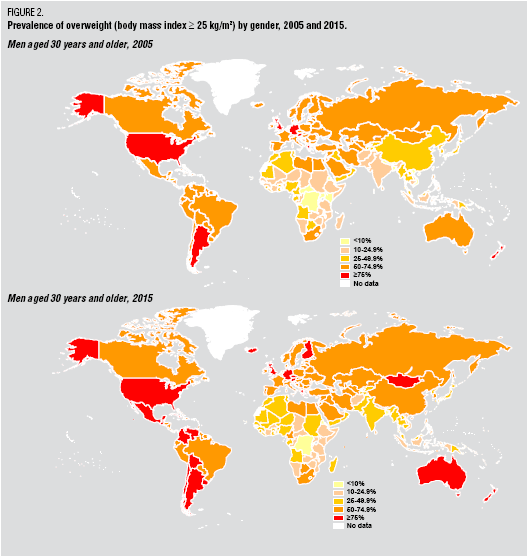
          IBM chart pointing out the obesity issue’s growth

          ibm-on-obesity-trend.png

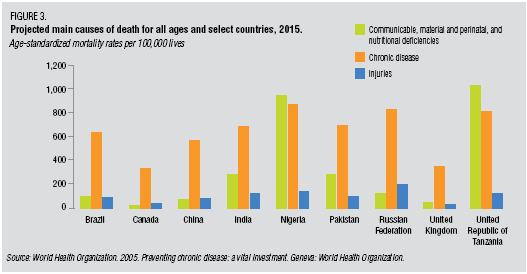
          They talk a lot about the current system’s focus on episodic care while the problem is chronic disease.

          ibm-3-chronic-disease.png

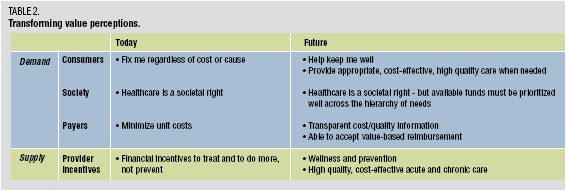
          You will see lots of the buzzwords we hear today (transparency, empowerment, consumerism, infomediary, value-based) throughout the article, but they are delivered with facts and anecdotes to support their perspective.

          ibm-4-transforming-health.png

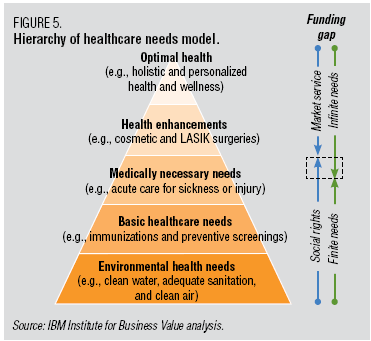
          I could go on, but I will leave it with a nice adaptation of Maslow’s Hierarchy of Needs which they present around healthcare.

          ibm-healthcare-hierarchy-of-needs.png

          You will find information in here around telemedicine, retail medicine, health tourism, and they tee up some of the hard discussions about when is it too much. How much should we spend (individually or as a society)? What expectations should we have? A lot of it requires a different mindset for all the constituents. This would be a good read for the presidential candidates.

          Is Prior Auth Purely For Sentinel Effect?

          In talking with a few PBMs, it is clear that they approve 90%+ of all prior authorization (PA) requests that come in. With that, I instinctively think of two questions:

          1. Why do it at all?
          2. If you’re going to do it, why have humans involved?

          I haven’t seen the data on prior authorizations and how many people who hit a reject at the point-of-sale (POS) actually get a fill ever, but I imagine it is like step therapy (ST). With step therapy, only 50% of the people who hit the reject get a claim. (As I have mentioned before, 90% of those that don’t get a claim get samples, buy an OTC, pay cash, or find another solution.) But, the huge step therapy savings that plans and employers realize is not really about the movement to generics but about the lack of claims. Reduce your claims by 50% in a category and you save money.

          So, I have to assume that PA has a similar role. The people that don’t really need it (or don’t understand the process) will either pay cash or find another solution, but they won’t have their doctor call the PBM for approval. (aka – The Sentinel Effect) Those that really need it (and understand the process) will call in and get approved.

          So the next question is why are people doing this. I have heard from some pharmacists that it has to be humans so that physicians can’t figure out the approval algorithm and “game” the system. Somehow, I doubt that is what they are staying up at night trying to figure out. And, the agents taking the calls are following a very tight script anyways. I have argued for years that either a website or an inbound voice IVR that asks questions and based on answers determines the next question until the physician either fails the request or gets approval. Only exceptions would require a live person.

          Cariten Article on Silverlink

          There was a nice article in today’s Knoxville News Sentinel about a program that one of our clients did. The client is Cariten Healthcare, the insurance arm of Covenant Health. They used Silverlink to get a flu shot reminder out to their patients. The article includes several comments from Linda Lyle, VP of Operations.

          “The words may be recorded, but real thought went into the message.”

          “An effective way to get the message out in a timely manner.”

          She points out that it would have taken their live agents 100 days to get out the message which Silverlink did in six days. (contacting 44,000 people)

          The article also talks about the tweaking that they went through in trying to find the right voice. They are now using automated calls to seniors for other purposes (e.g., reminders for mammograms, cholesterol screenings and colonoscopies; brief information about diabetes and osteoporosis; a customer-satisfaction survey; and reminding patients with dual coverage to let them know).

          “There’s not currently a way to track how many members follow the messages’ advice, but numbers from another national company indicate Cariten is having a 73 percent “reach rate” among seniors, compared to a national average reach rate of around 40 percent.”

          Medicare Pilot Results

          I saw some amazing results the other day for a Medicare pilot program (not a Silverlink or automated call program). The company was showing us their analytical solution and how a health plan had used it to drive enrollment in a disease management program. They were targeting a Medicare population to get them enrolled to see if they could control spend around the disease.

          This vendor broke the population into 7 “clusters” based on similar attributes and then tested different messaging patterns (e.g., disease name then benefits then process versus benefit then process then disease) across 8 different messaging components. They were able to get an 83% enrollment rate within the population. From what I understand separately, several of the companies that signed up for the pilot dropped out since they couldn’t get any meaningful enrollment.

          In this case, they used lifestage, household type (e.g., single), household size, race, and income as the five variables that defined a cluster.

          And, you still wonder about the benefits of data-driven communications that use segmentation? As you append external data to your claims information, you can create a robust data set that allows you to create personalized messaging to a targeted niche of patients that is designed based on a predictive model of getting them to take action. That should be the key for your communications and marketing programs.

          Here is a good blog entry on e-CareManagement on the pilot program. My quick take is that the pilot won’t serve to prove the DM has an ROI, but that doesn’t discount the success that this company had using targeting to drive enrollment.