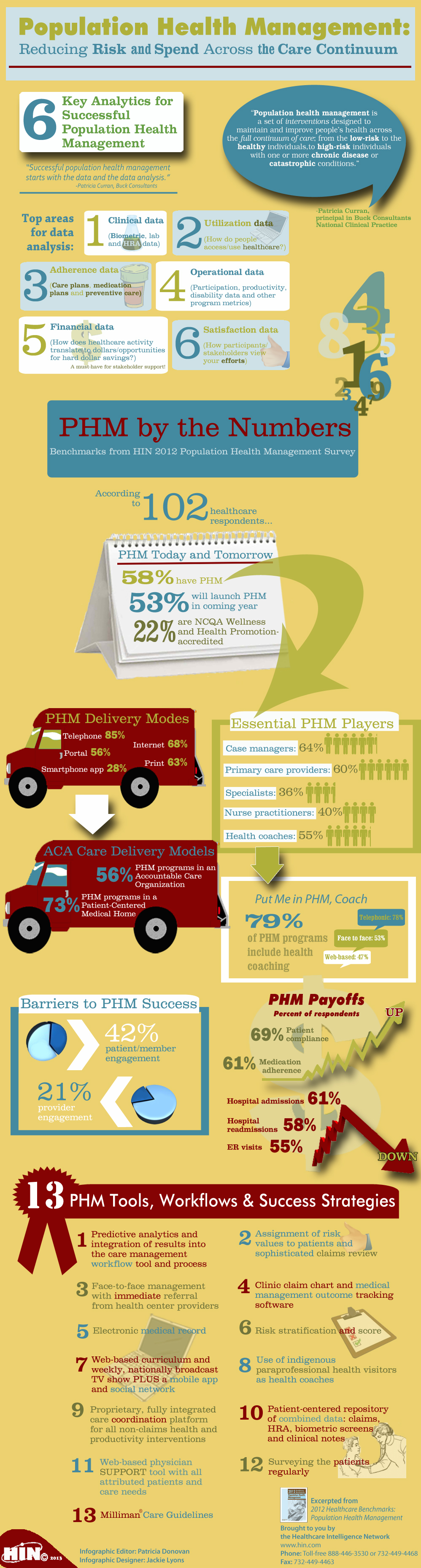
Catching Up: Interesting Articles

As part of my efforts to start the new year, I’m cleaning out my inbox with all items I’ve tagged as possible blog topics.  Here’s the first list of things that caught my attention, but never made it into a story.

17 Healthcare Blogs You Should Read

This is just a list of my favorites.  Feel free to add your own recommendations.  I broke them into 3 categories.

(BTW – I’m sure I missed a few of you so I’m sorry.)

1. Key Foundational Blogs To Follow

2. One’s I Read Frequently

3. Good Blogs That I Use For Certain Topics

I’ll also give a shout out to a new blog that has started that I have high hopes for based on their initial content – http://hoopayzblog.com/.

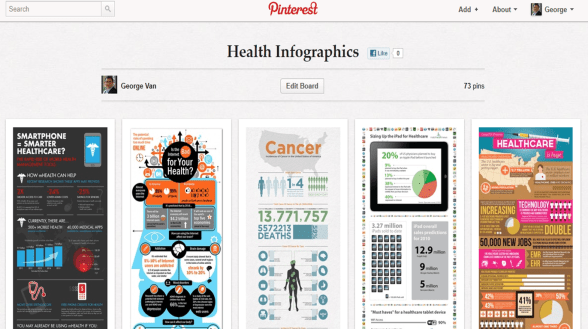
Favorite Health Infographics In Pinterest

While I’m sure I’ll still integrate some health infographics into my blog posts, I’ve decided to use a different tool for simply sharing the infographics that I like.  I built a Pinterest account and put 70+ infographics in there to get it started.  Most of those are ones that I’ve used before in the blog, but there are some new ones.  Enjoy.

http://pinterest.com/gvanantwerp/health-infographics/

Healthcare Infographics


Childhood Obesity Quiz On The Biggest Loser

This season, on The Biggest Loser, they’ve invited 3 kids to be ambassadors for childhood obesity. They aren’t living on the ranch, but they are coming out for some of the challenges. In last night’s show, they quizzed the contestants on several facts about childhood obesity. They were pretty scary. I thought I’d share them here with the research to support them (or at least as close to the questions as I can remember).

There are lots of efforts in this area. Here’s a few links to resources:

Childhood Obesity Epidemic Infographic
Brought to you by MAT@USC Masters in Teaching

Limiting Factor For Behavior Change is We Don’t Believe We Will Change

One of the biggest challenges in healthcare is getting people to change behavior or as Express Scripts would frame it – activating intent.  Since approximately 75% of healthcare costs are due to preventable conditions, it’s important that we can help people see the future value of change.  People often discount that future value of change based on the amount of effort required to get there.  They see the short-term pain not the long-term gain.

A new study puts an interesting perspective on this.  It shows that people can generally see the amount of change they’ve made in the past decade, but they fail to realize that change will continue for the next decade.  They appear to see themselves as stable at the current moment without significant change in the future.  I believe this is really important as we think about Motivational Interviewing techniques and communications for engaging consumers.

So, as you think about behavior change in healthcare for things like diabetes, you will likely continue to see more and more emphasis on behavior change and research in this area (see example from RWJF last year or Cigna whitepaper).

To learn more about this topic of behavior economics, you might look a few places:

And, here’s a good list of books to start with.

Saturday Evening Post On The Placebo Effect

Do you know what the Placebo Effect is?  There’s lot of information out there.  For example, here’s what WebMD says about it.  Here’s my definition of it.

In general, it’s when someone is told they are given a medication (or procedure) that will work but instead are given a sugar pill or otherwise “deceived” into believing they’ve gotten the prescribed treatment.  It is often used in clinical trials for drugs to establish the baseline of side effects.  The amazing part is that it shows the power of the mind to influence our healing ability.  

Below is a video that I’ve used a few times before.  It’s also been a concept I’ve built on in a few other posts – New To Therapy, Price And Placebo Effect, Guest Post on the Topic.

The amazing thing that captured my attention a few months ago is that this can work not only for medication but also for surgery.  (Maybe this is the key to saving money in the US healthcare system.)  This was tested in the case of knee surgery in a trial that was published several years ago.  This article also points out another trial on patients with Parkinson’s.  The reality appears to be that this is happening in trials but also in real life according to an article in American Medical News (see quote below).

Nearly half of physicians use placebos in clinical care, and only 4% tell their patients the truth about it, according to a survey of Chicago academic physicians that was published this month in the Journal of General Internal Medicine.

This begs all types of questions about who will respond to placebos and when or if it’s ok to use them with patients.

The Saturday Evening Post just published an article on this topic.  They touch on a few of the same studies I’ve looked at, but they also point out several new things that I put below – conditioned response and ritual.  They also share a video on the placebo effect.

Conditioned responses are a third way the placebo response works. In one elegant experiment demonstrating this phenomenon, scientists showed 40 volunteers two male faces on a computer screen for 0.1 second. When the volunteers looked at one face, they got a mild burn on their forearm; when they looked at the other, they got a more painful burn. The volunteers became as conditioned as Pavlov’s dogs. In the next round when they saw the high-pain face and felt a burn, they rated it as more painful than when they saw the low-pain face and felt a burn—even though the applied heat was identical the second time around.

The perception of pain, says Ted Kaptchuk of Harvard Medical School, who helped lead the 2012 study, depends on “what the nonconscious mind anticipates despite any conscious thoughts.”

The placebo effect doesn’t even depend on deception. It can kick in even when people are told they are receiving an inactive drug. For instance, in a 2010 study led by Harvard’s Kaptchuk, scientists recruited 80 people with irritable bowel syndrome, or IBS, and gave half no treatment and half what they were told were “placebo pills made of an inert substance, like sugar pills, that have been shown in clinical studies to produce significant improvement in IBS symptoms through mind-body, self-healing processes.” It was full disclosure. Even without the deception, the placebo-takers’ IBS symptoms improved over the course of three weeks. That response suggests another avenue for the placebo response: ritual.

The author (Sharon Begley) asks the key question which is how does this placebo effect play out in the 21st century.  With all this technology that we have and the physician shortage, is there a greater opportunity here?  Can we tap into this in a positive way?  She also points out how doctors are using other techniques such as relaxation therapy to address the power of the mind.

Consume Cocoa Like The Kuna (aka Chocolate is Good For You)

For years, we’ve all heard pieces of information about cocoa being good for us.  Here’s a few articles about that:

And from Cleveland Clinic, here’s a key point about selecting your chocolate:

your best choices are likely dark chocolate over milk chocolate (especially milk chocolate that is loaded with other fats and sugars) and cocoa powder that has not undergone Dutch processing (cocoa that is treated with an alkali to neutralize its natural acidity).

It appears in a recent meta-analysis that the data generally supports this fact although some longer terms studies are needed.  One of the most interesting things mentioned in both of the hyperlinked studies above are the Kuna.

The Kuna, an indigenous group of approximately 50,000 people who live predominantly on small islands off the coast of Panama, are virtually free of hypertension and cardiovascular disease. Kuna who migrate to nearby Panama City, however, lose this advantage, a loss that cannot be attributed to changes in salt intake (1) or stress (2). The Kuna who live on the Caribbean archipelago, however, consume a striking amount of natural cocoa drinks, whereas those who migrate to the mainland do not (1).

I also got an e-mail from a PR firm about the meta-analysis saying the following:

Recent research published in The Journal of Agricultural and Food Chemistry found that a mug of hot cocoa had nearly twice the antioxidants as a glass of red wine and up to three times the antioxidants as a cup of green tea. Compared to black tea, cocoa had up to five times the concentration of antioxidants.
 
“The results of this Cornell University study corroborate earlier research showing the extensive health benefits of cocoa,” says Harvard nutritionist and epidemiologist Eric Ding, Ph.D. Dr. Ding was lead researcher of a landmark Journal of Nutrition meta-analysis on cocoa’s multiple benefits for cardiovascular and metabolic health. The study incorporated 24 papers with 1106 participants.
 
“Cocoa flavonoids are protective against heart disease,” says Dr. Ding. “We’ve found that they lower blood pressure, lower bad LDL, raise good HDL, improve insulin sensitivity, and improve blood flow and, in a long term study, lower the risk of heart disease.” Journal of Nutrition meta-analysis on cocoa’s multiple benefits for cardiovascular and metabolic health. The study incorporated 24 papers with 1106 participants.
 
“Cocoa flavonoids are protective against heart disease,” says Dr. Ding. “We’ve found that they lower blood pressure, lower bad LDL, raise good HDL, improve insulin sensitivity, and improve blood flow and, in a long term study, lower the risk of heart disease.”
So, don’t feel bad about enjoying chocolate.  Not only is it good for your mood, but it can be good for your health (if you pick the right kinds).  But, this shouldn’t be an excuse for binging on it since it’s also high in fat.

Guest Post: How Nursing Can Help Reduce Healthcare Costs

Yes, the election has come and gone. No doubt we’re still suffering from the latent effects of election-fatigue, buzzwords still echoing in our heads like bad nightmares; stimulus packages, fiscal cliffs, economic malaise, and the ever-popular budget cuts. But the super-sensitive topic at the crux of our current political polarization is undoubtedly, one of healthcare. It’s hard not to get caught up in all the political hoopla in regards to current policies versus proposed plans and how we seem unable to find that magic bullet to rescue us from this healthcare maelstrom instead of dooming us further into the partisan abyss.

It has been estimated that between 2012-2022, Medicare spending will skyrocket through the current $550 billion to the astronomical tune of $1.064 trillion (that’s trillion with a ‘T’). Medicaid will likely double from $253 billion to $592 billion. Additional costs created by expenditures and subsidies for mandatory healthcare will rise from $25 billion to $181 billion. Where will all this money come from?

To counter rising healthcare costs, the burden will be shouldered by all Americans. But don’t start crying that the sky is falling just yet; there is a remedy that would not only benefit our healthcare needs and reduce costs, but also maintain that all-important mark of quality. How? Let’s take a look at how nursing can be the ultimate solution to remedy our economic woes as well help improve our overall good health.

  • Nurse Practitioner: One of the fastest rising fields of healthcare, Nurse Practitioners (NPs) can receive their training and certification four-five times quicker than a physician. The costs of educating an NP is far less than the cost of putting a medical student through medical school and with quicker training that means seeing more patients earlier and subsequently shorter waiting lines and getting in and out of the doctor’s office and on your way to better health in a much more efficient manner. Nearly 96% of all Nurse Practitioners can write prescriptions and according to healthcare studies, patients ranked them as high as they would their primary doctor.
  • Traveling Nurses: If you can earn your nursing degree, than a host of numerous healthcare opportunities will arise for you. Among them are temporary jobs with flexible schedules, some such assignments include nursing jobs all over our country as well as overseas. Here in the states such a program is called, “Nurse-Family Partnership”. This provides a visiting nurse to make house calls for lower income families that might not have the opportunity otherwise to have high quality healthcare provided for them.
  • Silver Boom: In the next twenty years, the elderly population will not only increase due to aging baby boomers but because of better diagnoses and preventative care, we are ALL living longer and more productive lives. According to the Center for Healthcare Workforce Studies*, by the year 2050 the number of older adults will increase from 12.5% to 20% of the United States population (this is among the population of those 65 years and older).

At the end of the day, healthcare will continue to grow as our population follows along this similar trend. Having nurses filling in those costly gaps will pay off down the road with better care, quicker appointment availability and lower overall costs. And in a climate of ever-changing political landscapes, to have one sector not only reducing costs but composed of those continually seeking higher quality standards would be hard to argue against.

*”The Impact of the Aging Population in the Healthcare Workforce in the United States Summary of Key Findings” – Center for Healthcare Workforce Studies, School of Public Healthy, University at Albany.

Kathryn Norcutt has been an active member of the health care community for over 20 years. During her time as a nurse, she has helped people from all walks of life and ages. Now, Kathryn leads a much less hectic life and devotes most of her free time to writing for RNnetwork, a site specializing in travel nursing jobs.

How Farmers Outmarketed Pharma

When you think of potatoes, where do you want them to come from? Idaho

When you think of citrus, where do you want it to come from? Florida

When you think of US wine, where do you want it to come from? Napa Valley

When you think of generic drugs, where do you want them to come from? [company?, geography?]

This vacuum is a big problem in terms of commoditization. People don’t think of Teva or Ranbaxy or some other generic company. The average consumer probably doesn’t know who they are. And, they’ve competed based on price for years. If I was the CEO of Teva, this would be the number one challenge I would pose to my staff which was how do I get consumers to ask for my generic version of the drug. The next question should be what would we do to justify this?

For the first time, I think that they have a similar problem that brand pharma does which is how to create an offering not just a pill. The quote below from the CEO of Novartis, tees it up well.

“I also started to shift our business away from a transactional model that was focused on physically selling the drugs to delivering an outcome-based approach to add value beyond just the pill. I really believe that in the future, companies like Novartis are going to be paid on patient outcomes as opposed to selling the pill.”

And, I think this reflects what Sanofi has been experimenting with in terms of diabetes for several years. They launched their iBG Star Blood Glucose Meter to get into the meter space. Sanofi also has heavily invested in social media to give them direct engagement and feedback from consumers. Both of these begin to create more consumer branding for them as an entity.

I’ve talked about this several times over the years based on a book that one of the E&Y partners wrote when I was there called BLUR which was about blending products and services to create offerings. I think this notion combined with the lessons learned that commodities like potatoes have gone through in branding their products offer some insights into what pharma has to do to shift their positioning in the value chain. This is part of what I’ll be discussing at the upcoming PBMI conference where this shift to outcomes based contracting and focus for the industry is critical to long-term survival and differentiation.

Guest Post: I’m Ready To Lose Weight!

Guest Blogger Lynn Gieger is a contributor to Everyday Health and its calorie counter and fitness tools.
The signs were all there, but until the doctor commented, “You’re overweight and your weight is negatively impacting your health,” it was no longer easy or healthy to ignore the too-tight belt, too-small jeans, and the steering wheel poking into the stomach.

Now what are you going to do about it?

Ignore the hype of the hundreds of weight loss programs that promise effortless weight loss. If it was that easy, you wouldn’t be in this shape right now, would you?

To truly take charge of your weight and health, start by giving yourself some time to think about why weight loss is important to you. What will be different in your life when you lose weight? Look at the health implications: decreased cholesterol, lower blood pressure, reduced risk of type 2 diabetes, less pressure on your knees and hips. Also think about personal reasons why weight loss is important to you: do you want to get on the floor and play with your grandchildren, go hiking with your kids, dancing with your spouse, or just look smashing? List all of the reasons how losing weight will improve your life to increase your motivation to make changes.

The National Weight Control Registry, established in 1994, tracks over 10,000 people who lost an average of 66 pounds and kept it off for 5.5 years. The NWCR research identifies 3 key steps to lose weight and keep it off:

1. Keep a journal detailing what, when and how much you eat. 78% of the NWCR participants report eating breakfast every day, and the majority decreased both calorie and fat intake to lose unwanted pounds. Use your journal to identify specific places to make changes, such as using lower fat salad dressing, choosing water instead of a high-calorie sweetened beverage, and swapping fruit for chips at snack time. Need help figuring out where to make changes? Find a weight management specialist with the knowledge and skills to streamline your food choices and encourage you to make lasting changes in your eating habits.

2. Keep track of daily exercise. 90% of NWCR participants exercise for an average of one hour each day. Create a habit of daily exercise to burn calories and improve your fitness – plus give you something else to do besides eat. Find a certified fitness expert to get you started or ask at your local gym.

3. Decrease the number of hours of non-work screen time (TV, video games, movies, computer). NWCR recommends less than 10 hours of screen time per week. If Sunday at your house means 6 hours of TV football, change your weekly screen-time habits and guess what – you just found time for exercise!

If you’re stuck and can’t figure out how to get started losing weight, work with a certified wellness coach to help you set realistic goals and hold you accountable.

Avoid a weight loss/gain rollercoaster by clearly identifying why weight loss is important to you and focus on the long-term. It doesn’t matter if it takes you 6 months or 6 years to reach your weight goal: the key is changing your habits so you stay at a healthy weight.

And the next time you see the doctor, think of this comment, “Wow, you’re looking great!”

How To Improve Good Cholesterol (HDL) If Drugs Don’t Work

The Wall Street Journal on 1/8/13 had an article called “New Rules for Boosting Good Cholesterol” which shared the results of a recent study on medications that improve HDL (or Good Cholesterol).

“Not all HDL are created the same” was what Roger Newton, chief science officer of Esperion said.

“If you raise HDL in non-pharmacologic ways, it really does help you” says Steve Kopecky, a Mayo Clinic cardiologist.

The points made in the article can be summarized in the following:

  • Improving good cholesterol is important.
  • People with high HDL face fewer heart attacks (according to the Framingham Risk Score)
  • Multiple trials to improve HDL with drugs have failed
  • People may need to raise good cholesterol by behavior change

This should lead to 3 questions:

  1. What should be my HDL or Good Cholesterol? From the Mayo Clinic on Good Cholesterol:

  1. What can I do to improve my Good Cholesterol without drugs? From the WSJ article:

Activity

HDL Increase

Exercise

4 mg/dL

Drink Alcohol (in Moderation)

2-4 mg/dL

Quit Smoking

5 mg/dL

Lose Weight

1 mg/dL per 3-6 lbs

Eat Fish And Olive Oil

3-5 mg/dL

Avoid Carbohydrates

8 mg/dL

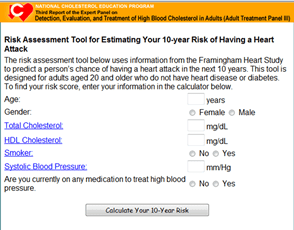
  1. What are my risks and the value of medications? For that, I found two online risk tools.

Here’s a simple one that uses the Farmingham study to estimate your risk of having a heart attack.

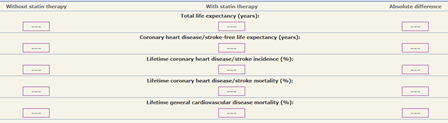
Here’s another one from over in Europe that’s focused on the value of statins and hosted by the Cleveland Clinic. It takes more inputs but then gives you several outputs. (A nice algorithm to integrate with something like iBlueButton or your care management system perhaps to warn you of risks without having you input a bunch of data.)

FitBit Review Summary – Device, Apps, And Suggestions

In the spirit of the Quantified Self movement and in order to better understand how mHealth tools like FitBit can drive behavior change, I’ve been using a FitBit One for about 6 weeks now. I’ve posted some notes along the way, but I thought I’d do a wrap up post here. Here’s the old posts.

Those were focused mostly on the device itself. Now I’ve had some time to play with the mobile app. Let me provide some comments there.  And, with the data showing a jump in buyers this year, I expect this will be a hot topic at the Consumer Electronics Show this week.

  • The user interface is simple to use. (see a few screenshots below)

  • I feel like it works in terms of helping me learn about my food habits. (Which I guess shouldn’t be surprising since research shows that having a food diary works and another recent study showed that a tool worked better than a paper diary.) For example, I learned several things:
    1. I drink way too little water.
    2. I eat almost 65% of my calories by the end of lunch.
    3. Some foods that I thought were okay have too many calories.
  • In general, the tracking for my steps makes me motivated to try to walk further on days that I’m not doing good.
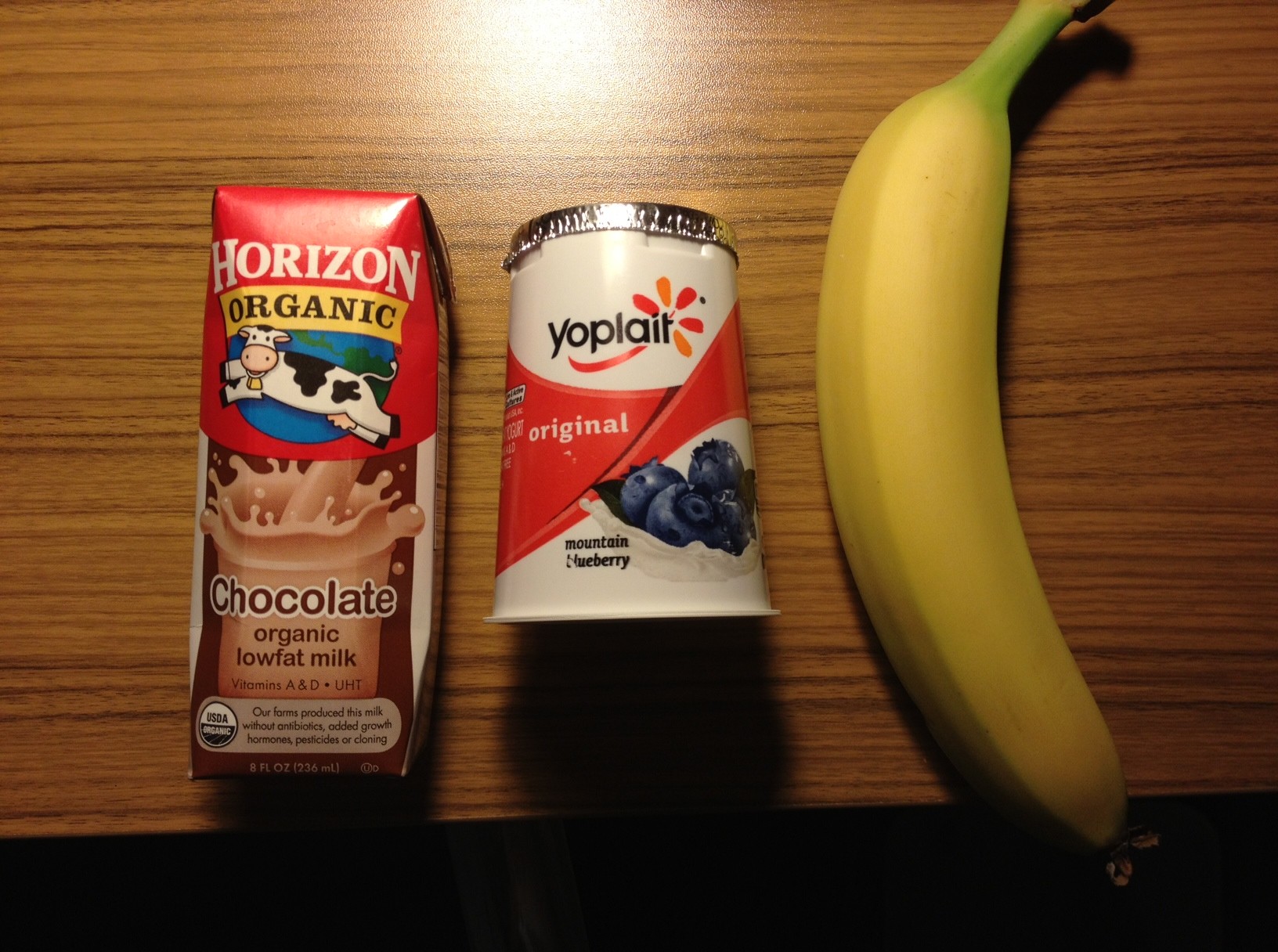
  • The ease of use and simple device has helped me change behavior.  For example, when I went to go to dinner tonight, I quickly looked up my total calories and saw that I had 600 calories left.  Here’s what I ate for dinner.  (It works!)

Meal

But, on the flipside, I think there are some simple improvement options:

  1. I eat a fairly similar breakfast everyday which is either cereal with 2% milk and orange juice or chocolate milk (if after a workout). [In case you don’t know, chocolate milk is great for your recovery.] Rather than have to enter each item, FitBit could analyze your behavior and recommend a “breakfast bundle”. (and yes, I know I could create it myself)
  2. Some days, I don’t enter everything I eat. When I get my end of week report, it shows me all the calories burned versus the calories taken in. That shows a huge deficit which isn’t true. I think they should do two things:
    1. Add some type of daily validation when you fall below some typical caloric intake. (Did you enter all your food yesterday, it seemed low?)
    2. Then create some average daily intake to allow you to have a semi-relevant weekly summary.
  3. The same can be true for days that you forget to carry your device or even allowing for notes on days (i.e., was sick in bed). This would provide a more accurate long-term record for analysis.
  4. The food search engine seems to offer some improvement opportunities. For example, one day I ate a Dunkin Donuts donut, but it had most types but not the one I ate. I don’t understand that since there’s only about 15 donuts. But, perhaps it’s a search engine or Natural Language Processing (NLP) issue. (I guess it could be user error, but in this case, I don’t think so.)
  5. Finally, as I think about mHealth in general, I think it would be really important to see how these devices and this data is integrated with a care management system.  I should be able to “opt-in” my case manager to get these reports and/or the data.

The other opportunity that I think exists is better promotion of some things you don’t learn without searching the FitBit site:

  • They’re connected with lots of other apps.  Which ones should I use?  Can’t it see which other ones I have on my phone and point this out?  How would they help me?
  • There’s a premium version with interesting analysis.  Why don’t they push these to me?

I also think that they would want an upsell path as they rollout new things like the new Flex wristband revealed at CES.

And, with the discussions around whether physicians will “prescribe” apps, it’s going to be important for them to be part of these discussions although this survey from Philips showed that patients continue to increasingly rely on these apps and Dr. Google.

Philips_Health_Infographic_12%2012_F3

Finally, before I close, all of this makes me think about an interesting dialogue recently on Twitter about Quantified Self.

Court Decision Allows Pharma Reps To Discuss Off-Label Uses Of Prescriptions

I must admit that I’ve heard very little about this decision from the Federal Appeals Court for the Second Circuit of Manhattan that decided that discussing off-label uses for prescription drugs was an issue of free speech. This could change the way pharmaceutical manufacturers interact with physicians. It could change the job of the pharmaceutical rep. It could change how clinical trials are done. It could change how prescriptions are used. It could also lead to a whole new set of prior authorizations by companies that actually have to actively manage off-label usage as it becomes widespread.

On the other hand, I wonder if this door hadn’t already been opened. Have you looked at some of the peer-to-peer (P2P) healthcare websites out there or the disease based communities (e.g., PatientLikeMe or CureTogether)? Patients are already talking about what medications they are using to treat their diseases and their symptoms. Don’t you think those are leading to requests to the provider and discussions with them about off-label utilization?

And, I’m sure that Dr. Google has helped many patients identify other uses of medications. This process (to the best of my knowledge) is completely un-managed. It’s a popular enough topic that Consumer Reports talked about it earlier this year and even put together the following table on drugs commonly used off-label.

Specific drug, type of drug Examples of off-label use**
Aripiprazole (Abilify), antipsychotic Dementia, Alzheimer’s disease
Tiagabine (Gabitril), antiseizure Depression
Gabapentin (Neurontin), antiseizure Nerve pain caused by diabetes, migraines, hot flashes
Topiramate (Topamax), antiseizure, in combination with phenteramine for weight loss Bipolar disorder, depression, nerve pain, alcohol dependence, eating disorders
Risperidone (Risperdal), antipsychotic Alzheimer’s disease, dementia, eating disorders, post-traumatic stress disorder
Trazodone (Desyrel), antidepressant Insomnia, anxiety, bipolar disorder
Propranolol (Inderal), high blood pressure, heart disease Stage fright
Sildenafil (Viagra), erectile dysfunction To enhance sexual performance in people not diagnosed with erectile dysfunction, to improve sexual function in women taking certain antidepressants
Quetiapine (Seroquel), antipsychotic Dementia, Alzheimer’s disease, obsessive-compulsive disorder, anxiety, post-traumatic stress disorder
SSRI antidepressants such as paroxetine (Paxil) and sertraline (Zoloft) Premature ejaculation, hot flashes, tinnitus (ringing in the ears)
Prazosin (Minipress), high blood pressure Post-traumatic stress disorder
Amitriptyline (Elavil), antidepressant Fibromyalgia, migraines, eating disorders, pain after shingles infection
Bevacizumab (Avastin), certain types of cancer Wet age-related macular degeneration (eye disease)
Statins such as atorvastatin (Lipitor), simvastatin (Zocor), high cholesterol in adults, children with an inherited cholesterol condition Rheumatoid arthritis, to lower cholesterol in children who lack the inherited condition
Clonidine (Catapres), high blood pressure Smoking cessation, hot flashes, attention deficit/hyperactivity disorder (ADHD), Tourette’s syndrome, restless legs syndrome

* Not meant to be a comprehensive list. Many of the drugs listed here are also available as generics.

** Does not imply that use is clinically appropriate or inappropriate, or beneficial or not.

***To find out if a drug’s off-label use is supported by evidence, click on the medication name.


I would imagine that pharma is going to tip-toe through this open door not simply crash through it. They’re generally risk adverse so their discussions of off-label utilization will be fact-based (to limit exposure) even if (as we all know) statistics can lie. I would suspect (as I’ve seen on other blogs) that this will ultimately go to the Supreme Court before anyone really takes advantage of it.

I guess I’d also point to the issue that physicians have responsibility here. They prescribe off-label today. Here’s what the FDA says about this:

Good medical practice and the best interests of the patient require that physicians use legally available drugs, biologics and devices according to their best knowledge and judgement. If physicians use a product for an indication not in the approved labeling, they have the responsibility to be well informed about the product, to base its use on firm scientific rationale and on sound medical evidence, and to maintain records of the product’s use and effects. Use of a marketed product in this manner when the intent is the “practice of medicine” does not require the submission of an Investigational New Drug Application (IND), Investigational Device Exemption (IDE) or review by an Institutional Review Board (IRB). However, the institution at which the product will be used may, under its own authority, require IRB review or other institutional oversight.

One way to begin to manage this would be to require the use of diagnosis codes (Dx) on all prescriptions. This would at least great a way of tracking how the medications are being used and allow for better technology oversight across the provider, payer, pharmacy, and PBM.

In the interim, Consumer Reports suggest consumers do the following:

  • When your doctor prescribes a drug, ask if it’s an approved use. If he or she doesn’t know, ask your pharmacist.
  • Check for yourself. Go to DailyMed (dailymed.nlm.nih.gov/) and search for the drug. Then click on the tab for “Indications & Usage” to see if your condition is listed.
  • If it’s an off-label use, ask your doctor if it’s supported by well-designed trials showing significant improvement for people with your condition.
  • Ask your doctor why he or she thinks the drug will work better than approved drugs for your illness.
  • Find out if your health insurer covers payment for the off-label use. Some may require evidence of effectiveness or failure with conventional treatments, especially if the drug is expensive.

Fortune Article Questions Generic Equivalency Of Drugs

A new Fortune article “Are Generics Really the Same as Branded Drugs?” (1/14/13) sets a dangerous tone for something that has become a standard across the pharmaceutical industry.  This is either:

(a) giving consumer credibility to a long-standing rumor with a case study or

(b) a dangerous perspective which will only further activate the conspiracy theory consumers and clinicians.

Let’s start with a few basics from the Generic Pharmaceutical Association:

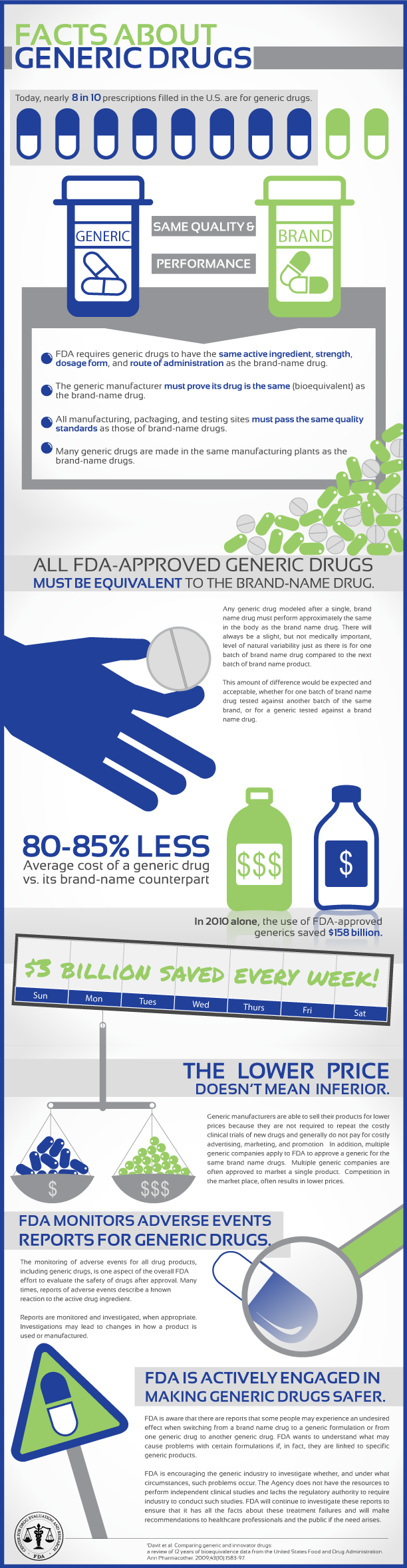
  • There are over 4B prescriptions filled in the US per year.
  • Of those, over 80% are generic medications.
  • Generic medications saved over $190B last year.

For facts on generics, I would point you to the FDA website.  I posted some of their slides years ago on SlideShare which I put below along with their latest infographic.

The article in Fortune focuses on a case regarding an anti-depressant called Wellbutrin and its generic counterpart.  The article goes on to point out that the active ingredients in the generic (compared to the brand) can vary from 80% to 125%.  (I think a good more detailed explanation of this is available here).

But, the author goes on to point out the risks associated with the fillers (or inactive ingredients) and talks about the issue of NTI (Narrow Therapeutic Index) drugs that no one substitutes for anyways.

One big thing that I was always taught was to understand that the difference in active ingredients between brands and generics was similar to the differences in different lots of the same brand drug.  And, given the fact that traditionally, 50% of generic drugs were made by the brand manufacturers, it would seem difficult to believe that they were simply throwing caution to the wind by producing substandard product.

I would hope that Express Scripts, CVS Caremark, Walgreens, PCMA, and many other groups will come out strongly to address this article. This is the type of article that could be a significant setback to the generic industry which has proven itself under lots of scrutiny over the years to save money and have very few negative impacts with the FDA’s scrutiny.

ucm305899

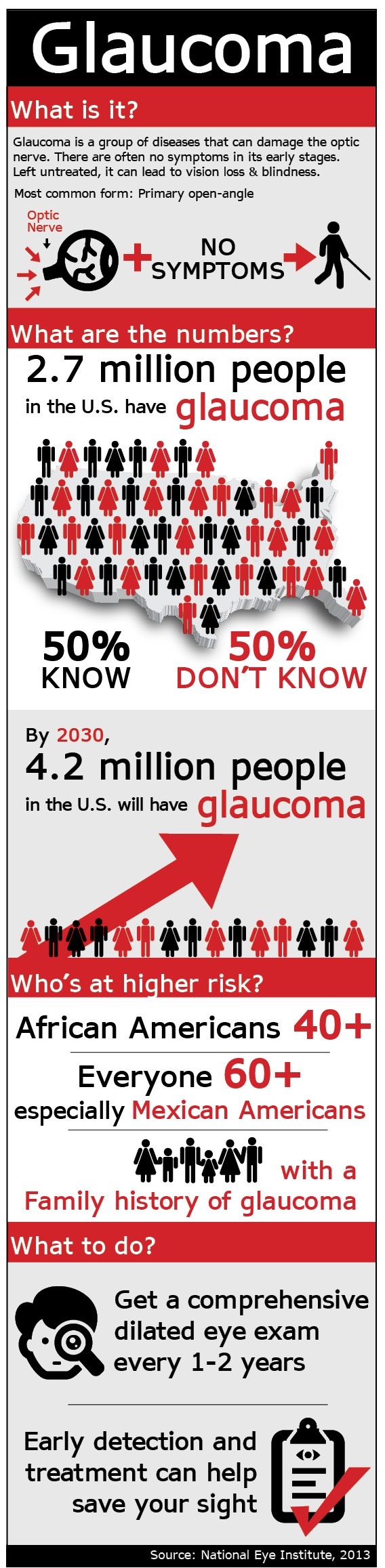
Glaucoma On The Rise – Infographic For Glaucoma Awareness Month – NIH

I received this from the National Eye Institute of the National Institutes of Health (NIH) along with an infographic which I thought I would post.

I also like the fact that it gives you a few parameters to identify your risk level for this often undiagnosed disease:

  • Over the age of 60
  • People with a family history of glaucoma
  • African Americans over the age of 40

And, you may be able to get a discount as part of Medicare.

*****Press Release******

It’s the first month of the new year, a time when more than 40 percent of American adults make one or more resolutions. What are your resolutions for the new year? Losing weight? Quitting smoking? How about learning more about glaucoma and how you can protect
your sight?

Glaucoma is a group of diseases that can damage the optic nerve of the eye and lead to vision loss and blindness. Primary open-angle glaucoma is the most common form. In this condition, fluid builds up in the front chamber of the eye, and the optic nerve is damaged by the resulting increase in eye pressure. This potentially blinding eye disease currently affects 2.7 million people nationwide, and studies show that at least half of all people with glaucoma do not know they have it.

“While anyone can develop glaucoma, we encourage people at higher risk to get a comprehensive dilated eye exam every one to two years,” said director Dr. Paul Sieving of the National Eye Institute (NEI) of the National Institutes of Health. “Individuals at higher risk include African Americans age 40 and over; everyone over the age of 60, especially Mexican Americans; and people with a family history of glaucoma.”

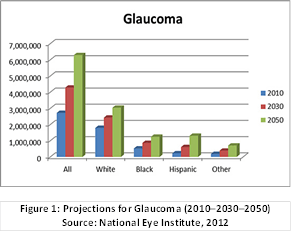
The prevalence of glaucoma is projected to reach 4.2 million by the year 2030 and 6.3 million by 2050. Last year, NEI invested $71 million on a wide range of studies to understand causes and potential areas of treatment for glaucoma.

“Primary open-angle glaucoma often has no early warning signs,” said Dr. James Tsai, chair of the Glaucoma Subcommittee for the NEI National Eye Health Education Program. “Often, a person will not experience any noticeable vision loss in the early stages of glaucoma. But as the disease progresses, a person may notice his or her side vision decreasing. If the disease is left untreated, the field of vision narrows and blindness may result.”

Glaucoma can be detected in its early stages through a comprehensive dilated eye exam. During this exam, drops are placed in your eyes to dilate, or widen, the pupils. This allows your eye care professional to examine the optic nerve for signs of glaucoma and other vision problems. An eye pressure test alone is not enough to detect glaucoma. “It’s very important that people don’t wait until they notice a problem with their vision to have an eye exam,” adds Dr. Tsai.

If you have Medicare and are African American age 50 or older, are Hispanic/Latino age 65 or older, have diabetes, or have a family history of glaucoma, you may be eligible for a low-cost, comprehensive dilated eye exam through the glaucoma benefit. Call 1–800–MEDICARE or visit http://www.medicare.gov for more information. To learn about other possible financial assistance for eye care, visit http://www.nei.nih.gov/health/financialaid.asp.

“It’s a new year,” said Dr. Sieving. “Make and keep a resolution to maintain healthy vision. Contact your local eye care professional and make an appointment for a dilated eye exam today.”

For more information about glaucoma, visit http://www.nei.nih.gov/glaucoma or call NEI at 301–496–5248.

20130105-133529.jpg

Which Health Apps Show Up On Most Top App Lists?

At this time of year, you’ll see lots of “top apps” lists.  MobiHealth put together a list of the top 80 apps, but I also wanted to look across a variety of lists and see if there were any common apps mentioned. 

We’re still early in this mHealth world, but it is a key topic which will change how physicians interact with their patients as one MD talks about on Kevin MD’s blog

After looking at a recent CNN Money Magazine article called “Tap Here for Better Health”, I also looked at the following lists:

Obviously, each of these writers had different criteria, but there were 8 applications that appeared more than once across these lists:

  1. Lose It
  2. Fooducate
  3. Runkeeper
  4. ZocDoc
  5. Cardiio
  6. Sleep Cycle
  7. Endomondo
  8. My Fitness Pal

If interested, you can also see the list of most helpful apps from the Modern Healthcare survey that Jane Sarasohn-Kahn highlights in her blog.  Most of those seem less “sexy” than the typical lists that you see.


Most-important-mobile-apps-Mod-HC-Dec-12-300x225

The apps that show up on these lists have changed over the past few years although Endomondo appears on this 2010 list and on several of these recent lists.

Are Females More Or Less Adherent? Big Data Question

FICO adherence image

Certainly, the push around Big Data should drive more companies to look into predictive algorithms.  You already have Fair Issac (above), ScreenRx by Express Scripts, and RxAnte.

I’d always been under the impression that women were less adherent than men to prescription drugs.  I’d heard several very logical reasons:

  1. As the caregiver, they often took care of their children, spouse, and/or other people first before being adherent themselves.
  2. They took more medications on average which is highly correlated with non-adherence.

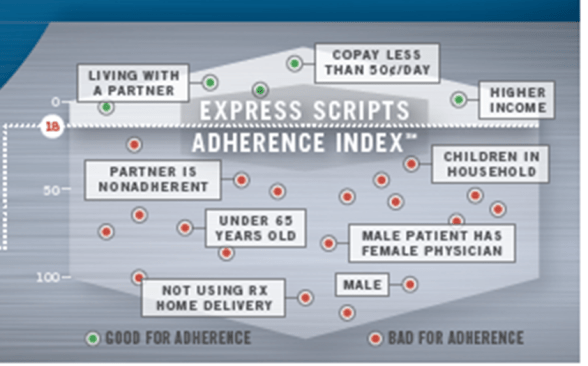
But, some researchers recently told me that their data showed women to be more adherent.  And, I then noticed that the infographic that Express Scripts put together showed something similar.  (see zoomed in picture)

Express Scripts Adherence Infographic Zoom

So which is it?  I can find lots of research online to support females being less adherent.  Here’s a few links:

BTW…If you want to see a good presentation on some adherence data from CVS Caremark from a few years ago, you can follow this link to a presentation that was given.  Here’s a more recent one from URAC.

New Year Blog Survey

Happy New Year!

For those of you that are regular readers, I’d love to get your thoughts on the following:

  1. Do you like me including infographics in the blog?
  2. Do you like the mix of content from mHealth to PBM to population health management?
  3. Do you like the mix of short posts sharing articles and other information or would you prefer less posts that were more detailed analysis of a subject?
  4. What would generate more discussion / comments on the blog?

Thanks for your time.  You can comment here, e-mail me at gvanantwerp at mac dot com, or respond anonymously to the survey embedded here.

Are You Going To The 2013 PBMI Conference?

Are you going to this year’s conference (February 18-20th) in Las Vegas? I’ll be presenting again this year, and I hope to see some of you there. If you’ll be there, let me know and we can connect.

This year, I’m going to talk about one of my favorite topics which is how the pharmacy industry needs to transform itself. This touches on several topics which I’ve blogged about multiple times:

  • Health reform and ACOs
  • Turning data into wisdom
  • Predictive models
  • Coordinating medical and pharmacy data
  • The role of the pharmacist in the broader care team strategy
  • Consumer engagement as fundamental to healthcare
  • Outcomes-based contracting
  • Population health management
  • Consumer experience

Do you have a specific example of how you see companies (pharma manufacturers, PBMs, or pharmacies) transforming from a traditional Fee-For-Service (FFS) model to an outcomes based model in terms of payment and how that is changing the way they do business? I’m always interested in learning more.

Here’s the official description from the brochure for the conference.

Pharmacy — Data, COEs, Predictive Models, and Consumer Engagement

George Van Antwerp, Vice President, Product Development, inVentiv Medical Management

ACPE UAN 0221-9999-13-009-L04-P 1.0 Knowledge-based contact hour

Pharmacy is the most used benefit, and for most chronically ill patients, they take multiple medications per day and interact with their pharmacist/pharmacy frequently. With the transformation in healthcare to an outcomes-based focus, PBMs, pharmacies, and pharma are looking at new models and new ways to work with payers, providers, and patients to be part of the care team. We will explore how companies are using this data and technology to intervene, change behavior, and improve outcomes from a broader population health management perspective.

Infographic: Improving Primary Care With Pharmacists

This is an infographic on an interesting program out of USC which received money from the CMS innovation fund.

Infographic Expanded Role Of Pharmacists

Finally…A Use For Klout Scores?

Klout Score

Do you know your Klout score?  I know mine – 51.  Is that good or bad?  I guess it’s all relative.  Mine is only based on Twitter and LinkedIn.

The bigger question is should I care.  I’ve struggled with why to care, but it finally hit me the other day.  There are a few circumstances where I might care:

  • If my purpose was to get a job as a social media consultant.
  • If I was trying to be a community manager.
  • If I was trying to get a job in PR or as a reporter…or maybe if I tried to monetize my blog.
  • If I was trying to get some role driving awareness of a product or topic.
  • Maybe as an individual consultant.

As an average person working for a company, I’m not sure it matters.  Of course, you can argue with the “scoring” process, but the reality is that people do want some benchmark to compare themselves to for what they do online.  The interesting question is whether companies will care.  And, is there a minimum that you should have just to be able to say you understand and use social media?

Here’s a few recent articles discussing the topic of Klout.

It’s competitors are Kred and PeerIndex which I only went to because of this post.  But, I signed up for them to see what my scores where there.

Screen Shot 2012-12-26 at 2.29.09 PM PeerIndex Score

My question would be how do you adjust this for people (like me) who don’t use Facebook or should that fact alone exclude me from certain things like being a community manager for a product that needs a Facebook presence?  Perhaps.

So, if you’re hiring a mHealth or social media team, you might want to know their Klout (or Kred or PeerIndex) scores (on average for the team).  I’d say it’s like gamification.  I wouldn’t want someone just using that buzzword with me.  I’d want to know the last game they got sucked in to.  Why it kept their attention?  And, then I’d ask them things like why they think Steam is gathering gaming apps in their and whether it’s critical path for them in gamifying their app.

Guest Post: Home Health Aides

Home Health Aides: the Unsung Heroes of Healthcare

It takes a special type of person to succeed in the field of home care. Home health aides’ commitment to their patients really does make them the unsung heroes of the healthcare field. Often times, after patients are discharged, they recall the names of their home health aides and write them letters of gratitude.

Home health aides assist patients during very vulnerable times. Hospice home health aides, for example, provide comfort to patients near the ends of their lives.

A home health aide is sometimes the only person a patient sees on a given day. Therefore, aides go beyond providing much needed medical help; they also provide compassion and an emotional connection. They might be the only person to whom a patient expresses their emotions and thoughts. They’re typically a patient’s housekeeper, caretaker, and compassionate listener.

These compassionate care givers work on the front lines of healthcare to assist seniors, people with disabilities, people recovering from illnesses, and others unable to take care of themselves. Home health aides help their clients with daily activities such as grooming, hygiene, and eating. They give clients their medication and also perform tasks such as dressing wounds, changing bandages, and applying topical medications.

Home health aides also clean their client’s home, do their laundry, and changes their linens. They plan nutritious meals and shop for and prepare the food. They also run errands for their clients and provide much needed time off for family caregivers.

Testimonials

Here are a few excerpts from letters written by actual patients in which they express their thanks for their home health aides:

“Just a note to thank you for the time you spent with my sister and me. You were very helpful and your sensitive manner put us at ease so that we could understand and deal with mother better at such an emotional time. You folks who work with ill people are very special and I for one thank you for being that way.”

“I want to thank you for sending Dolores as my homemaker. She does a great job; she sees what needs to be done and does it! This is so helpful to me. She’s very pleasant to have around.”

“Thank you so much for your promptness in responding to my need. I must say, Ellen was excellent. She was so warm and kind. I responded favorably to her at once. She worked hard and seemed to fit my rhythm so well. I had been quite shocked by my recent experience and was feeling quite low. Her spirit and enthusiasm had such a positive effect on me. I think she is a gem and I am so grateful to have had her come into my life and care for me.”

(Source: Metropolitan Home Health Services, Inc.)

Home health aides make a huge difference in the lives of their patients and their family members. However, according to the Bureau of Labor Statistics, the median annual salary of home health aides is only $20,610. It’s no question that these unsung heroes who play a vital role in improving the quality of life of their patients deserve a whole lot more!

Brian Jenkins writes about the home health aide career field, as well as other careers in allied health, for the Riley Guide.

Guest Post: Medical Innovations In The Next 10-20 Years

Medical Technological Innovations in Our Future

The history of medicine is full of technological innovations. The ECG in 1913, the Band-Aid in 1920, the cardiac pacemaker in 1950, CAT scans in the 1970s and the completion of the Human Genome Project on 2003 are just a few of the many inventions in just the last century.

Yet, we are now standing at a threshold of medical technological change unparalleled in history.  In the next 20 years of the Shift Age, there will be more technological change than in the last 100 years.  Let’s take a look, in loose chronological order at these changes of the future.

Low Cost Personal Genetic Mapping

In 2013 we will be able to have most, if not all, of our personal genetic maps completed for under $1,500, an outgrowth of the Human Genome Project.  This is very significant as the knowledge each of us will learn from our individual genetic maps can help us act in a preventative manner.  If, for example you are in your twenties and you find out that you have a genetic disposition to early onset Alzheimer’s, you can spend the next few decades doing whatever current medical wisdom says might slow the onset of Alzheimer’s; taking Omega-3 fish oil, working out every day and other discoveries about the disease.  In other words, personal genetic maps will allow us to address whatever genetic dispositions we might have, BEFORE they happen to us!

Bionics

There are incredible developments in the area of bionics and replacement “parts” for the human body.  New artificial arms and legs can now be controlled by thought and brain-waves.  These are now being tested on veterans of the Iraq and Afghanistan wars.  In the next few years there will be replacement eye-balls that will provide 20/20 vision for years.  There will be ear implants allowing deaf people or people who have lost a significant part of their hearing to hear clearly again or for the first time.  In the next decade we will develop replacement parts that are better than the “parts” we were born with!

Tissue Regeneration

Recent breakthroughs in stem cell research are pointing the way towards tissue regeneration for all of us.  In the years ahead we will be able regenerate organs.  This will lead us to each have the opportunity to regenerate organs from our own tissue, eliminating both the need for an organ donor and the possible rejection of the new organ that often happens.  This will not be inexpensive, but it will be possible in the next decade.

DNA Pharmaceuticals

The technology for the development of DNA Pharmaceuticals flows from the ability to map individual’s genetic maps.  Think of them as personalized drugs.  We are all familiar with the “lowest common denominator” drugs as we see them advertised all the time.  This great pill will lower your blood pressure, but it might also cause sudden death syndrome, erectile dysfunction, or loss of sight.  With ever more precise genetic information, drugs in the future will be personalized to each patient, eliminating these horrible side-effects.  What works for one person will not work for another and this reality will be finally addressed in pharmaceuticals.

Nanotechnology

A nanometer is a billionth of a meter.  A human hair has a diameter of approximately 50,000 nanometers.  Medical science is currently creating microscopic bots that can enter and move freely within the human body.  The early use of this technology will be to directly attack cancers in the body with transported DNA-customized chemicals.  Nanotechnology will allow us the ability to precisely deal with such cancers and not degrade the entire body with chemotherapy

Human Cloning

In the last two decades animals have been successfully cloned.  This history, combined with some of the breakthroughs listed above, make the possibility of human cloning a reality by 2020, if not before.  The real questions here are of course moral.  What to do with experiments gone wrong?  How to treat experiments gone right?  The history of human and religious morality will be confronted with this real possibility.  It will be able to be done, but will we want it done?

Guest Post written by:

David Houle is a futurist and author of the highly regarded blog Evolution Shift. He is the author of The Shift Age and The New Health Age, and a contributor to O The Oprah Magazine, The Huffington Post,and NPR. Houle spent more than 20 years in entertainment, as part of the executive team that launched MTV, Nickelodeon, VH1 and CNN Headline News. A sought-after lecturer, he was recognized as Speaker of the Year from Vistage International, the leading global organization of CEOs. Houle is Futurist in Residence at the Ringling College of Art + Design in Sarasota, Florida.

Infographic: How Patients Learn In The Digital Age


I found this infographic here – http://www.hitconsultant.net/2012/07/25/how-patients-learn-in-the-digital-age-infographic/.

How-Patients-Learn-in-the-Digital-Age-Infographic-1

Updated: What Is A PBM? Pharmacy Benefit Manager

The short answer is that a PBM is the company hired by your employer (either directly or through your health insurance company) to manage your pharmacy benefits.  When you use your pharmacy card at the retail pharmacy to get a prescription, the pharmacy interacts with your PBM electronically to find out if the drug is covered and the copay to you the consumer.

*****************

Back when I first started blogging, I used a lot of my experiences at Express Scripts to shape some of my perspectives about the PBM or Pharmacy Benefit Manager industry.  It took me a few months before I realized that some people reading the blog didn’t know what a PBM was.  That led me to my all time most popular blog post – “What Is A PBM?

Since that was over 5 years ago, I figured it was time for an update.

The market has shifted in the past 5 years especially with Express Scripts purchase of Medco to become the largest player in this space.  Walgreens has also divested their PBM to CatalystRx which was then bought by SXC and the new entity renamed CatamaranRx.  At the same time, you’ve seen United Healthcare insource their PBM business from Medco to combine it with their old Pacificare PBM to create OptumRx.  You’ve also seen Humana’s PBM business and mail order business – RightSourceRx – grow significantly.

There are other big PBMs which I didn’t mention such as CVS Caremark which after years of rumors about them splitting back up seems to have proven their case as an integrated, retail-owned PBM.  There is MedImpact which has 32M lives according to the latest PBMI market share report, and Prime Therapeutics which is a PBM owned by several of the BCBS plans.  Additionally, Aetna, Cigna, and several other managed care companies also have their own PBMs.

While I would have argued that the PBM wasn’t typically known to consumers 5 years ago, I think that the very public dispute between Walgreens and Express Scripts has changed some of this.

But, what a PBM does is relatively simple:

  • Process pharmacy claims (i.e., when you go to your retail pharmacy, the pharmacist enters your prescription and electronically submits it for adjudication. The claim is routed to the PBM where it is checked for eligibility and then to see if it pays and what copayment you owe.)
  • Set up pharmacy benefits (i.e., based on the plan selected by your employer or payor, the PBM codes what drugs are covered and the copayment structure).
  • Administer rebates…since large pharma companies (e.g., Pfizer) pay rebates for having their drugs on formulary (aka preferred drug list), someone has to manage the negotiations and billing of this.
  • Set up clinical programs (i.e., most PBMs have a clinical committee which evaluates new drugs and looks at market data to help employers choose coverage options).  This also includes programs to look for drug-drug interactions and pharmacy adherence.
  • Establish a retail pharmacy network (i.e., work with retailers to get them to agree to discounts on drugs) and are a big part of SureScripts which is the hub to enable electronic prescribing between physicians, pharmacies, and PBMs.
  • Communicate with patients and physicians (i.e., look at pharmacy claims data and help find ways to save money or identify clinical issues to inform the patient or physician about).
  • Provide cross pharmacy data for drug-drug interactions…this is a critical function since many people use more than one pharmacy for claims.
  • And, last but not least, most PBMs provide a mail order and often specialty pharmacy where they ship prescriptions to patients.

The PBM’s clients are employers who are self-insured, government entities (i.e., state employees, Department of Defense), unions, TPAs (third party administrators), and managed care companies (i.e., BCBS of).

PBMs are sometimes referred to as middlemen, but I will point to a few other posts on this:

In general, if you’re looking for more information on PBMs, I would point you to several sources:

The only other blogger who really offers any coverage of this space is Adam Fein which his blog – Drug Channels.